
Understanding the Role and Benefits of Diverter Pulleys
A deep dive into how diverter pulleys ensure safety and efficiency in mechanical systems
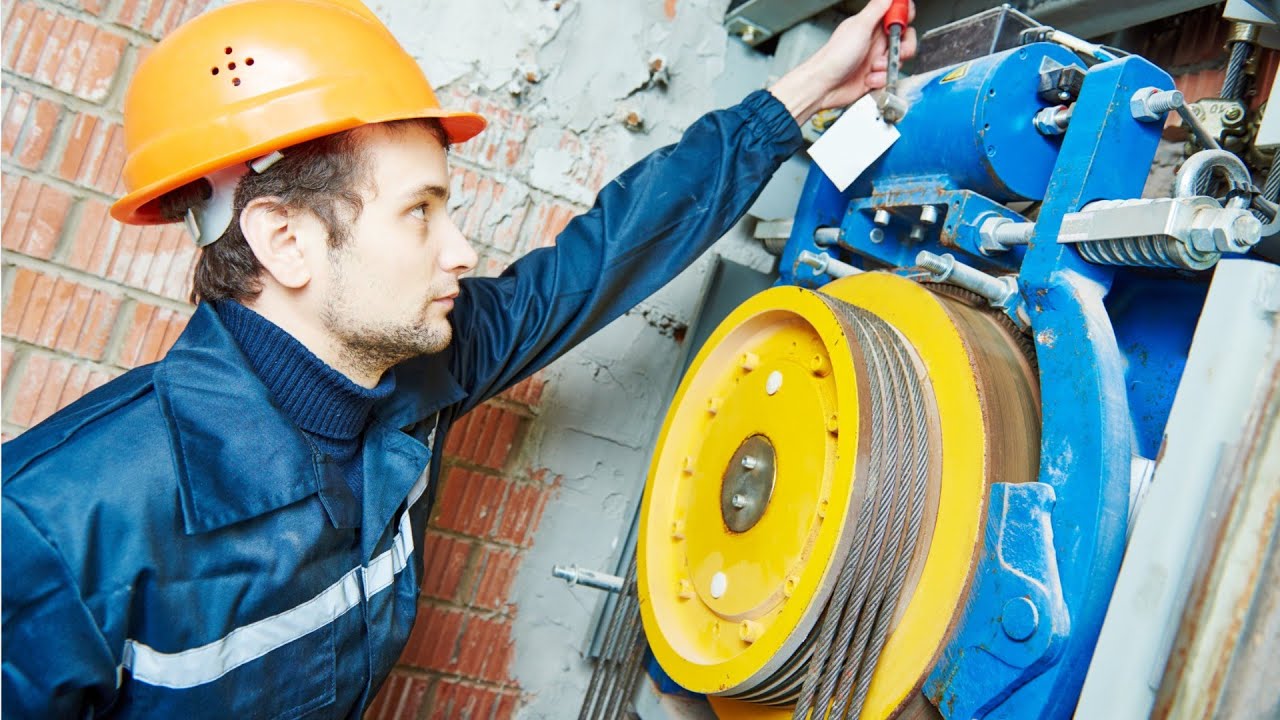
Key Insights
- Efficient Load Diversion: Diverter pulleys manage cable or belt paths to maintain proper tension, alignment, and safety.
- Enhanced Safety Mechanisms: They maintain critical distances between moving parts like elevator cars and counterweights.
- Versatile Applications: These pulleys are essential in both elevator systems and conveyor mechanisms, adapting to varied operational needs.
Introduction to Diverter Pulleys
Diverter pulleys, sometimes referred to as diverter sheaves, play a critical role in many mechanical systems. They are strategically used to manage the movement of ropes, cables, or belts by redirecting the paths of these elements. This redirection is crucial in systems where precise motion control, tension maintenance, and safety are paramount. In elevator systems, for instance, the diverter pulley not only helps in the smooth operation of travel but also maintains the safe distance between the elevator car and the counterweight. Similarly, in conveyor systems, these pulleys assist in sorting and redirecting materials efficiently.
Fundamental Functions of Diverter Pulleys
Load Diversion and Tension Control
Maintaining Tension
In any system that relies on cables, belts, or ropes, ensuring that there is consistent tension is critical for the alignment and smooth functioning of the system. Diverter pulleys contribute by keeping the cables engaged with the driven wheels and other components without any slack. This precision in maintaining tension prevents the cables from deviating or slipping, which can otherwise lead to severe operational failures or accidental falls in elevator systems.
Directional Changes
Often, mechanical systems require cables or belts to change direction. The application of a diverter pulley provides a reliable means to redirect these moving parts at strategic angles, ensuring that the forces acting on the system are evenly distributed. For example, in an elevator, the rope may transition from vertical to slightly angled paths, a maneuver that is achieved safely through the use of a diverter pulley. This ability to change the direction of motion without compromising safety is one of the defining attributes of these devices.
Application in Elevator Systems
Distance and Safety
One of the most critical uses of diverter pulleys is in elevator systems. In such applications, the pulley plays an indispensable role by ensuring that the elevator car and its counterweight maintain a safe distance from one another in the shaft. Without this mechanism, the two could come into dangerous proximity, potentially leading to collisions that jeopardize both safety and the integrity of the system. This function is not only essential for operational efficiency but also for meeting rigorous safety standards within modern elevator technology.
Motion Transmission
In addition to ensuring safety, diverter pulleys facilitate the effective transmission of motion. They serve as intermediaries that transfer the force generated by motors to the elevator car, allowing smooth acceleration and deceleration. Their role in guiding the cables accurately contributes directly to the overall motion dynamics of the elevator. Therefore, these pulleys are critical not only for avoiding direct mechanical failures but also for supporting a system that can handle complex movement patterns reliably.
Application in Conveyor and Material Handling Systems
Material Redirection
Diverter pulleys are also used extensively in conveyor systems where they help in redirecting materials. Whether in bulk material handling plants or automated sorting systems, these pulleys allow materials to be diverted into different channels or chutes as required by the process flow. The pulleys work by contacting the conveyor belt directly; the design ensures that materials are efficiently pushed or pulled into a different trajectory. This redirection optimizes the layout of the conveyor system, enabling smoother distribution of goods.
Reducing Wear and Prolonging Lifespan
In both elevators and conveyors, the maintenance of proper tension and alignment by diverter pulleys reduces the stress experienced by cables and belts. This reduction in excessive wear not only lowers the likelihood of a malfunction but also significantly extends the lifespan of these components. With routine checks and scheduled maintenance, the overall durability and reliability of the system are enhanced, ensuring continuous operation and safety for users.
Detailed Mechanical Advantages
Key Components and Material Considerations
The construction of diverter pulleys is equally important as their functional role. They are made from a variety of materials, including cast iron, steel, aluminum, and even polyamide, each chosen for its specific mechanical properties such as strength, lightness, and resistance to wear. In high-load applications like elevators, materials like steel and cast iron are preferred due to their durability and capability to withstand continuous use under heavy loads.
Components of a typical diverter pulley include the wheel, hub, and shaft. The wheel, which is the primary contact point for the cable or belt, is engineered to provide minimal resistance while ensuring maximum guidance and support. Meanwhile, the hub and shaft offer the necessary structural support and ensure that the pulley maintains a reliable rotation axis, reducing friction and promoting a stable motion path.
Impact on Operational Efficiency
Operational efficiency in mechanical systems is greatly enhanced by the use of diverter pulleys. Systems such as elevators depend on these pulleys for consistent performance over extended periods. By ensuring proper alignment and tension of the cables, they minimize irregularities and slippage that could lead to energy losses. Moreover, by handling specific loads effectively, they allow for faster and more controlled movement, which can improve overall throughput in industrial settings.
Additionally, within conveyor systems, diverter pulleys contribute directly to the reduction of downtime caused by misalignment or material jams. They facilitate smoother transitions, helping maintain a seamless flow of materials even under heavy operational loads.
Comparative Overview Table of Diverter Pulley Benefits
| Aspect | Description and Benefits |
|---|---|
| Load Diversion | Enables systematic and controlled redirection of cables, ensuring balanced load distribution and safe operation. |
| Tension Maintenance | Ensures that cables or belts are kept under optimum tension, reducing the risks of slack, slippage, and premature wear. |
| Safety Enhancement | Maintains the proper distance between moving parts (e.g., elevator car and counterweight), preventing potential collisions. |
| Motion Transmission | Facilitates the smooth transfer of forces between driving motors and moving loads, improving system responsiveness. |
| Versatility in Materials Handling | Aids in the precise redirection of materials in conveyor systems, optimizing the sorting and distribution processes. |
| Reduced Wear | Minimizes excessive friction and misalignment which in turn prolongs the life of cables and other mechanical components. |
In-Depth Analysis of Structural Benefits
Application in Safety-Critical Systems
A major factor that emphasizes the significance of diverter pulleys is their role in safety-critical systems such as elevators. The diverter pulley’s function in maintaining a safe gap between the elevator car and its counterweight cannot be overstated. In many high-rise buildings, where the counterweight is almost as heavy as the car itself, a malfunction could lead to dramatic consequences. Regular maintenance and monitoring of these pulleys are therefore paramount to avoiding mishaps that might arise from mechanical failure.
Furthermore, the design of diverter pulleys incorporates features that help in mitigating risks associated with cable misalignment. By ensuring that the cables remain snugly in place, these pulleys allow for predictable and reliable movement. The redundancy built into systems that use diverter pulleys also serves as a safety net: even if one component starts to show signs of wear, the entire system’s effectiveness is maintained until proper replacement can occur.
Integration With Modern Elevator Design
Modern elevator designs are characterized by their emphasis on both performance and safety. The integration of diverter pulleys into these designs is an indispensable element that enhances system efficacy. With advancements in engineering, materials used in these pulleys have evolved, and the design has become more robust. The pulley systems now often incorporate specialized bearings, such as sealed or cylindrical roller bearings, which provide a smoother operation and reduce frictional losses.
This integration not only supports the overall dynamics of the elevator system but also contributes to lower levels of maintenance-related downtime. Design engineers now leverage improved materials and precision manufacturing techniques to create diverter pulleys that can withstand continuous use while retaining their mechanical properties over a long service life.
Contributions to Conveyor System Efficiency
In the realm of material handling and conveyor systems, diverter pulleys also offer distinct advantages. They play a pivotal role in ensuring that the transition points in these systems are smooth and effectively managed. The ability of a diverter pulley to direct materials accurately means that conveyor systems can operate at higher speeds and with improved consistency. This is especially beneficial in industrial contexts where materials are transported over long distances and through complex routing paths.
In scenarios where the operational requirements change—such as needing to redirect materials to different output chutes—the flexibility provided by diverter pulleys means that systems can be quickly adapted without the need for complete overhauls. This versatility is crucial for operational efficiency, cost savings, and reducing the amount of downtime required for system reconfiguration.
Maintenance and Monitoring of Diverter Pulleys
Routine Inspections
Given the critical functions performed by diverter pulleys in both elevators and conveyors, regular maintenance is key. Routine inspections focus on checking for signs of excessive wear, alignment issues, and the condition of the bearings and other components. Maintenance practices typically involve visual inspections, detailed measurements, and sometimes diagnostic tests to ascertain that the components are operating within the specified tolerances.
In many facilities, automated sensor systems are also integrated into the control panels to monitor vibration levels or temperature changes that might indicate the early stages of malfunction. Early detection of issues not only minimizes downtime but also ensures that the system functions safely and efficiently.
Scheduled Replacements and Upgrades
From a long-term operational perspective, maintaining a schedule for the replacement of diverter pulleys is an integral part of system management strategies. In elevator systems, a failed diverter pulley can lead to severe consequences including system instability. Therefore, up-to-date maintenance records and adherence to strict replacement protocols are essential.
In scenarios where system demands change or in cases where environments become harsher due to increased loads or environmental factors, upgrades may be necessary. This involves not only replacing the pulleys but potentially overhauling the associated bearings and support structures. Such proactive maintenance ensures that the overall system remains robust, provides optimal performance, and avoids the pitfalls that come from unanticipated failures.
Material and Manufacturing Considerations
Choice of Material
The selection of material for diverter pulleys is driven by factors such as load capacity, environmental conditions, and operational speed. Materials like cast iron and steel are standard in heavy-duty applications thanks to their robustness and excellent durability under load, while aluminum might be chosen in situations where weight reduction is crucial. In modern applications, high-performance polymers such as polyamide are also used due to their resistance to wear, lighter weight, and self-lubricating properties.
This careful material selection not only affects the immediate performance of the diverter pulley but also contributes to the long-term reliability and cost efficiency of the system. Manufacturers are now focusing on optimizing the material composition and surface treatments to ensure minimal friction, thermal stability, and longevity under continuous operation.
Design and Engineering Considerations
Engineering designs for diverter pulleys have advanced significantly over the years. The focus has been on reducing friction, maintaining high levels of precision in cable routing, and enabling the pulley to handle unexpected loads or lateral movements. Today’s design innovations include the incorporation of advanced bearing systems that further ensure the smooth and efficient running of the pulleys, even under high operational stress.
Detailed calculations, often involving numerical methods and computer simulations, are used by engineers to determine the optimal dimensions and load-bearing capacities of these pulleys. These calculations usually involve parameters such as the maximum expected tension, friction coefficients, and environmental factors that might affect performance. The result is an engineered product that not only meets the rigorous demands of modern systems but also adapts easily to the dynamic requirements of various applications.
Technological Advancements and Future Trends
Automation and Smart Monitoring
One of the modern trends in machinery is the integration of smart monitoring and automation systems. With the advent of IoT (Internet of Things) in industrial applications, diverter pulleys are now being monitored in real time. Sensors embedded in these systems constantly track performance indicators such as tension levels, temperature changes, and operational vibrations. The data collected not only allows for real-time adjustments to maintain efficiency but also provides predictive analytics that can forecast when maintenance should be performed.
Such integration with digital monitoring systems is paving the way for maintenance schedules that are both adaptive and efficient, reducing downtime and ensuring that the systems are always functioning safely. This approach facilitates a move toward more intelligent, self-regulating systems that can adapt to changing loads and operational patterns, thus extending the lifespan of the entire mechanical assembly.
Eco-Friendly Materials and Sustainability
Sustainability is an emerging trend that has influenced many aspects of mechanical design, including diverter pulleys. Manufacturers are increasingly exploring eco-friendly and sustainable materials that reduce environmental impact without compromising performance. By integrating greener materials and optimizing production processes, companies are gradually moving toward more sustainable manufacturing practices.
Moreover, the use of advanced composite materials is being studied with an aim to reduce energy consumption during operation, which further aligns with the global trend towards greener technology. This sustainable approach not only benefits the environment but also improves the economic efficiency by reducing maintenance costs and increasing the durability of the components.
Practical Considerations and Best Practices
Installation and Operational Guidelines
In practical applications, proper installation of diverter pulleys is as crucial as their design. The entire system’s performance depends on the accurate positioning, secure mounting, and alignment of these pulleys. Installation guidelines typically emphasize ensuring that the pulley matches the system’s specifications in terms of diameter and load capacity. The supporting structure must be robust enough to handle dynamic loads without flexing or experiencing undue stress.
Operational guidelines often include regular lubrication of the bearings and ensuring that any wear-related issues are promptly addressed. It is essential to adhere to manufacturer specifications during installation and routine maintenance to safeguard the system’s longevity and safety.
Expert Recommendations for Maintenance
Experts in the field of industrial machinery recommend that diverter pulleys be inspected at regular intervals, with emphasis on checking for misalignment, frictional wear, and any signs of premature degradation of materials. In safety-critical systems like elevators, this routine inspection becomes even more important. Investments in training maintenance personnel to identify early signs of fatigue or malfunction can lead to fewer unexpected downtimes and safer operational conditions.
Documentation of maintenance procedures and keeping meticulous records can aid in predictive maintenance strategies. Leveraging historical data from these records helps in foreseeing potential issues and planning proactive maintenance replacements. The integration of such best practices results in a system that operates efficiently over a longer period, with reduced instances of sudden failures.
Acknowledging the Broader Impact
Economic and Operational Benefits
The economic impact of using well-designed diverter pulleys is also significant. In the context of large-scale elevator systems, even a small improvement in reliability and reduction in downtime can translate into substantial savings in operational costs. By reducing the frequency of maintenance calls and preventing accidents, diverter pulleys contribute to both financial viability and enhanced safety.
In industrial conveyor systems, efficient material handling directly affects throughput and productivity. The integration of diverter pulleys in these environments supports a balanced economic model where initial investments in high-quality components lead to decreased long-term expenses, fewer production stoppages, and an overall increase in system efficiency.
Industry Case Studies
Several case studies available in technical journals and industry publications have documented the successful integration of diverter pulleys in heavy-duty systems. These studies often outline scenarios where routine maintenance and strategic engineering improvements in the pulley system have led to enhanced safety records and operational efficiency. The data from these case studies serves not only as a validation of the technology but also as a roadmap for industries looking to adopt similar measures in their machinery.
The evidence gathered from these implementations reinforces the importance of employing diverter pulleys in safety-critical and load-intensive applications, showing tangible benefits in reduced wear, improved system balance, and optimized structural design.
References
- So Ropes and Traction - Elevator Books
- What are Pulleys and How Do They Work - PFB
- Diverter Pulley - FlowSafe Industries
- Understanding the Diverter Plow - Dynaeng
- Elevator Car Fall Incidents Analysis - Elevator World
Recommended Related Queries
Last updated March 9, 2025