
Unraveling the Divine Tapestry: The Interplay of Grace and Human Freedom
Exploring the enduring theological debate on how God's unmerited favor empowers human choice.
Key Insights into Grace and Free Will
- Divine Grace is Foundational: Across nearly all theological traditions, divine grace is recognized as the indispensable, unmerited favor of God that enables humanity to respond to spiritual calls and overcome the effects of sin.
- Human Free Will: A Capacitated Choice: While human beings possess the capacity for choice, theological perspectives differ on the extent of this freedom, especially post-Fall. Grace is often seen not as destroying freedom, but as healing and elevating it, allowing for true alignment with divine will.
- A Spectrum of Interaction: The relationship ranges from synergistic cooperation (humanity cooperates with grace) to effectual or irresistible grace (God's grace decisively brings salvation), reflecting the ongoing "mystery" in reconciling divine sovereignty with human responsibility.
The intricate relationship between divine grace and human free will stands as one of the most profound and enduring theological debates in Christian thought. This discussion, stretching back to the early Church Fathers and continuing through the Reformation to contemporary theology, seeks to understand how God's unmerited favor interacts with humanity's capacity to make independent choices, particularly concerning salvation, moral action, and spiritual growth. It's a complex interplay that avoids simplistic answers, often described as a "mystery" or "tension" that fully transcends human comprehension.
Defining the Core Concepts: Grace and Free Will
To understand their relationship, it is crucial to first define divine grace and human free will:
Divine Grace: God's Unmerited Favor
Divine grace is universally understood as the free and undeserved help that God extends to humanity. It is God's initiative, a divine gift that enables individuals to respond to His call, become "children of God," and participate in the divine nature. Grace is not something earned or merited by human effort; it is freely given. Its transformative power is essential for any good work, turning towards God, or achieving salvation. Various traditions distinguish types of grace:
- Prevenient Grace: Grace that precedes any human decision or action, enabling individuals to respond to God's initiative. This is particularly emphasized in Arminian theology, which posits that this grace restores sufficient free will to accept or reject salvation.
- Sanctifying Grace: Grace that indwells the soul, making it holy and capable of supernatural good.
- Actual Grace: Temporary divine assistance that prompts good actions.
- Irresistible Grace: A Calvinist concept suggesting that when God extends grace to the elect, they will inevitably respond positively, making salvation certain for those chosen.
Human Free Will: The Capacity for Choice
Human free will refers to the capacity of individuals to make genuine choices and to be morally responsible for their actions. The theological nuance lies in how truly "free" this will is, especially after the theological concept of the Fall (original sin). It implies the ability to choose between alternatives, including choosing for or against God. Different interpretations of free will exist:
- Libertarian Free Will: The ability to choose between genuine alternatives, meaning a person could have chosen otherwise. This view is often stressed by Arminians and some Catholic theologians.
- Compatibilist Free Will: Freedom understood within God's sovereign ordering. In this view, actions are free if they are willed by the agent, even if the will itself is determined by God. This is typically found in Calvinist thought.
- Wounded/Enslaved Will: Many traditions, particularly Augustinian and Calvinist, argue that due to original sin, the human will is inclined towards evil and is incapable of choosing true good or salvation without the transforming power of grace.
Historical Debates and Theological Perspectives
The interaction between grace and free will has fueled significant theological debates throughout history, leading to diverse schools of thought.
Augustinianism vs. Pelagianism (Early Church)
The foundational debate emerged in the 5th century between Augustine of Hippo and Pelagius. Pelagius argued that humans could choose righteousness and attain holiness through their own efforts, minimizing the need for divine grace beyond initial creation. He believed that emphasizing grace could lead to moral laxity. Augustine vehemently countered this, asserting that human free will, due to original sin, is corrupted and "bound" towards evil. He stressed that God's grace is absolutely indispensable for any good action, including the initial desire to love God and turn towards Him. For Augustine, grace changes the human will from bad to good and sustains it.
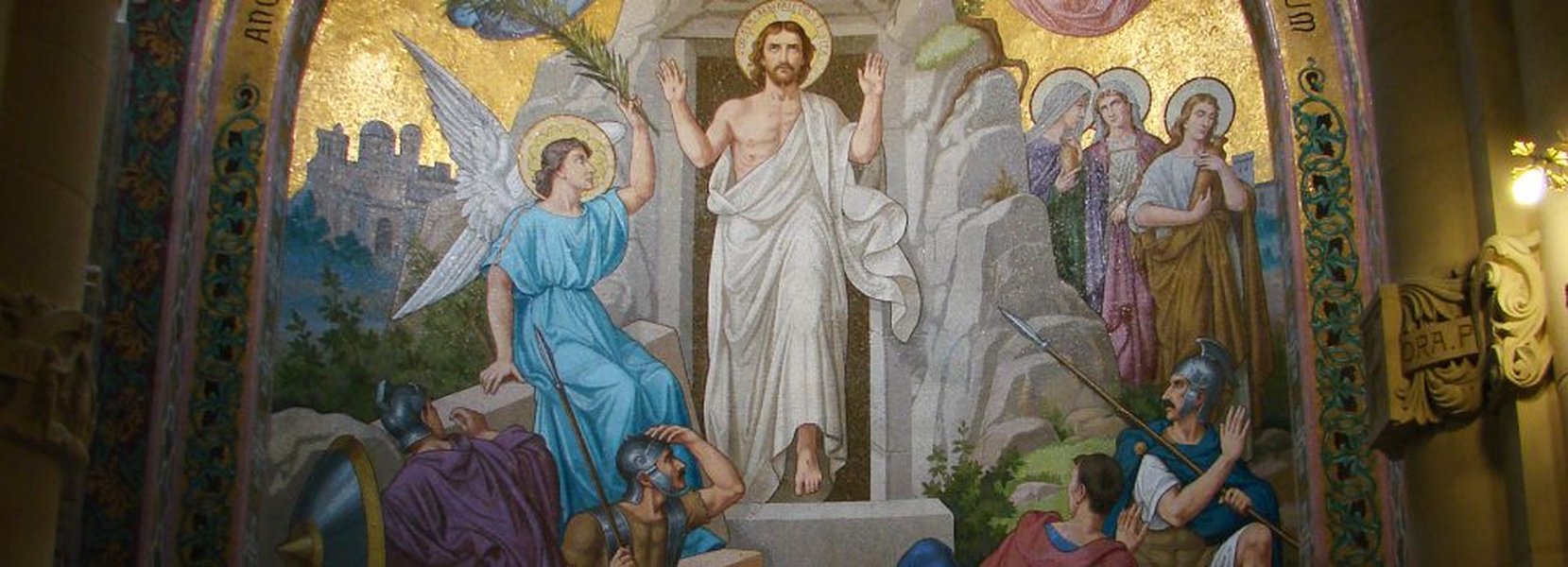
A mosaic evoking the historical depth of theological thought on divine influence.
Reformation Era Debates: Calvinism and Arminianism
The Reformation brought renewed intensity to this debate:
Calvinism (Reformed Theology)
Influenced by Augustine, John Calvin emphasized God's absolute sovereignty and predestination. In Calvinism, human will is seen as "totally depraved" in its fallen state, meaning it is enslaved to sin and incapable of choosing God or initiating salvation independently. God's grace is considered "irresistible" or "effectual," meaning it is so powerful that it inevitably brings the elect (those God has chosen for salvation) to faith. While this view acknowledges human freedom in everyday choices, it denies the unregenerate will's soundness in matters of salvation, underscoring that sovereign grace alone enables a person to move from spiritual death to faith. Critics argue this diminishes free will, but adherents emphasize that grace liberates the will from sin's bondage, enabling true freedom.
Arminianism
Jacobus Arminius, a contemporary of Calvin, challenged the idea of irresistible grace. Arminianism posits that God's grace is "prevenient," meaning it precedes human decision, enabling individuals to respond to God's initiative without coercion. This view emphasizes the compatibility of human free will and divine foreknowledge. Salvation, through grace, is an "influence-and-response" process that can be freely accepted or rejected. While grace is necessary for humans to respond in faith, the final, decisive cause of believing in Christ, according to Arminian understanding, is human-determined.
Catholic Church Teaching
The Catholic Church has historically navigated a balanced path, affirming both the necessity of grace and the reality of human free will. Reaffirmed at the Council of Trent, Catholic doctrine teaches that while grace is absolutely necessary for salvation, human beings have the freedom to cooperate with it or reject it. Grace does not destroy freedom but elevates and perfects it, enabling humans to direct themselves towards their true good. This is often described as "synergy," where human response actively cooperates with God's grace in the process of salvation and spiritual growth. God's eternal plan of predestination includes each person's free response to His grace.
Free Grace Theology
Originating from traditional Baptist roots, Free Grace theology emphasizes that the only condition for salvation is faith, explicitly excluding good works and perseverance as requisites for salvation. Proponents argue that salvation is a free gift to those who believe, and good works are a result of discipleship, not a condition for meriting, maintaining, or proving salvation. While affirming eternal security (that a believer will go to heaven regardless of future actions), some versions of this theology may deny that every believer will necessarily persevere in good works, though they often agree that genuine faith should lead to a transformed life and works.
The Enduring Tension: Reconciling Divine Sovereignty and Human Choice
The core tension lies in how an omnipotent God, who knows and wills the future, can coexist with genuine human freedom and moral responsibility. While many theological frameworks affirm both divine initiative (grace) and human responsibility, the precise mechanism remains a "mystery."
- Divine Initiative vs. Human Response: All orthodox Christian traditions agree that without God's initiative of grace (through Christ's death, the Gospel, and the Spirit's convicting work), humans cannot respond in faith. Grace precedes and enables the will.
- Grace as Enabler: Grace is often viewed not as overriding freedom, but as enabling or "freeing" the will, which was previously enslaved to sin, to choose what is truly good. True freedom, in many views, is found in choosing righteousness through God's grace.
- Accountability: Despite God's sovereignty, humans are consistently held fully responsible for their actions and choices in scripture. This necessitates a degree of genuine human agency.
Visualizing the Spectrum of Interaction
To better illustrate the nuances of the grace-free will relationship across different theological perspectives, the following radar chart provides a conceptual comparison. It's important to note that these are generalizations and individual theologians within these traditions may hold varied views. The chart focuses on areas like "Initiative of Salvation," "Extent of Human Choice," "Role of Grace in Will," and "Nature of Divine Control."
This chart visually represents the differing emphases of various theological traditions regarding the interplay of grace and free will. For instance, Calvinism shows high scores for "Initiative of Salvation" and "Role of Grace in Will," indicating a strong emphasis on God's sovereign action in salvation. Conversely, Arminianism scores higher on "Extent of Human Choice" and "Cooperation with Grace," highlighting human agency in response to grace. Catholic theology, similarly, emphasizes "Cooperation with Grace" while still affirming God's foundational initiative. Free Grace theology leans heavily on divine initiative while seeing human choice as primarily for initial belief, with less emphasis on ongoing works for salvation assurance.
The Interplay in Practice: Salvation and Spiritual Growth
The theoretical relationship between grace and free will translates into practical implications for understanding salvation, discipleship, and Christian living. While specific mechanisms remain a theological mystery, a common thread is that divine grace is foundational for free will to operate effectively, particularly in the context of salvation and spiritual growth. Without grace, the human will is often seen as insufficient or corrupted; without human free will, grace might be viewed as purely deterministic.
A Synthesis of How They Relate
Despite the diverse perspectives, several points of consensus emerge regarding the relationship:
- Human beings possess a genuine, albeit fallen, free will capable of making choices.
- Divine grace is necessary and precedes any good will or turning towards God.
- Grace enables and elevates free will; it does not destroy or negate it. Instead, it heals the will's inclination towards sin, making it capable of choosing true good.
- Without grace, human free will is incapable of choosing true good or salvation.
- Salvation involves both God's initiative (grace) and a human response (free will). The nature and extent of this response are where the debates lie.
- The exact mechanistic relationship between divine causation and human free agency remains a profound divine mystery, ultimately reconciled in faith.
Irresistible
Sanctifying"] FreeWill["Human Capacity for Choice"] Will_Def["Ability to Make Decisions"] Will_Responsibility["Moral Accountability"] Will_Condition["Impacted by Original Sin"] Will_Types["Libertarian
Compatibilist"] Relationship["Complex Interplay: A Mystery"] Historical_Debates["Augustine vs Pelagius"] Reformation_Views["Calvinism: Irresistible Grace
Arminianism: Prevenient Grace"] Catholic_View["Synergy: Cooperation"] FreeGrace_View["Faith Alone, Grace Secures"] Core_Tensions["Sovereignty vs Freedom"] Consensus_Points["Grace Precedes
Grace Enables
Human Response Required"] Implications["Impact on Theology & Practice"] Salvation["Process of Redemption"] Discipleship["Spiritual Growth & Works"] Human_Responsibility["Accountability for Choices"]
The mind map above visually organizes the key aspects discussed, showing how divine grace serves as the foundational enabler for human free will, and how different theological viewpoints interpret their dynamic interaction. It highlights that while grace is always the initiator and sustainer, human response remains a crucial element in the theological framework.
The Divine Paradox: Sovereignty and Choice
Ultimately, the relationship between divine grace and human free will is often presented as a profound paradox within Christian theology. God is sovereign, omniscient, and omnipotent, yet humanity possesses genuine freedom and moral responsibility. This paradox suggests that while human understanding may struggle to fully reconcile these truths mechanistically, both are affirmed by scripture and theological tradition. Grace is seen not as a force that compels unwilling subjects, but as a divine work that awakens, heals, and empowers the human will to choose what is good and to respond in faith.
This video discusses the fundamental question, "Do I Have Free Will In Salvation?", addressing both Predestination vs. Free Will and Free Grace Theology vs. Lordship Salvation. It delves into how these concepts shape the understanding of human agency and divine intervention in the salvific process, offering insights into the ongoing theological discussions.
The table below summarizes the key distinguishing characteristics and perspectives of the major theological traditions regarding divine grace and human free will:
| Theological Tradition | View on Divine Grace | View on Human Free Will | Relationship (Grace & Free Will) |
|---|---|---|---|
| Augustinianism | Indispensable, victorious; changes will from bad to good. | Corrupted by sin; requires grace to choose good. | Grace precedes and is necessary for any good choice; free will is restored by grace. |
| Pelagianism (Early Heresy) | Minimally necessary beyond initial creation; human ability to choose good is inherent. | Full capacity to choose good or evil independently. | Grace is not essential for initiation of good works; human effort is primary. |
| Calvinism (Reformed) | Irresistible/Effectual; sovereignly applied to the elect. | Enslaved to sin (total depravity); cannot choose God without divine intervention. | Grace overcomes resistance, enabling the will to choose God; true freedom is found in submission to God. |
| Arminianism | Prevenient grace; enables but does not compel the will. | Capable of accepting or rejecting grace once enabled. | Grace makes genuine choice possible; human free will makes the decisive choice. |
| Catholic Theology | Necessary for salvation and spiritual growth; elevates and perfects nature. | Retains freedom even after the Fall; can cooperate with or reject grace. | Synergistic cooperation; grace empowers human freedom; human response is essential. |
| Free Grace Theology | Sole condition for salvation is faith; excludes works/perseverance for eternal security. | Capable of initial belief; works are a result of discipleship, not proof of salvation. | Grace secures salvation through faith alone; good works are a consequence, not a condition. |
Frequently Asked Questions (FAQ)
What is "prevenient grace"?
Does "irresistible grace" negate free will?
How does the Catholic Church reconcile grace and free will?
What is the main difference between Free Grace Theology and Lordship Salvation?
Conclusion
The relationship between divine grace and human free will remains a cornerstone of theological inquiry, characterized by both deep conviction and continuous nuanced interpretation. While traditions differ in their precise articulation of how these two realities interact, there is near-universal agreement that divine grace is foundational—the unmerited favor of God that initiates, sustains, and enables humanity’s spiritual journey. Human free will, though impacted by the fallen state, is largely seen not as a mere illusion, but as a real capacity to respond (or resist) God’s gracious overtures. The enduring "mystery" lies in the delicate balance: how God's absolute sovereignty and providential care coexist with genuine human choice and moral responsibility. Ultimately, the synthesis points to a dynamic interplay where grace empowers, heals, and elevates the human will, allowing it to truly choose that which is good and to participate in the divine plan of salvation, affirming both God’s supreme initiative and humanity’s vital response.
Recommended Further Exploration
- Explore the historical and theological distinctions between Calvinism and Arminianism.
- Delve deeper into Saint Augustine's seminal work "On Grace and Free Will."
- Understand the concept of synergy in Catholic theology regarding human cooperation with divine grace.
- Examine scriptural passages that inform the debate on divine sovereignty and human responsibility.
Referenced Search Results
 soimarriedacatholic.wordpress.com
 media.ascensionpress.com