
Understanding DNase and Phosphodiester Bonds
Clarifying the Role of DNase in DNA Molecular Dynamics
Key Takeaways
- DNase enzymes do not create phosphodiester bonds; instead, they hydrolyze them.
- The primary function of DNase is to degrade DNA by breaking its sugar-phosphate backbone.
- Understanding the distinction between enzymes that synthesize and those that degrade phosphodiester bonds is crucial in molecular biology.
Introduction to DNase and Phosphodiester Bonds
Deoxyribonuclease, commonly known as DNase, refers to a group of enzymes that play a critical role in the metabolism and regulation of DNA within biological systems. These enzymes are pivotal in processes such as DNA replication, repair, and apoptosis by facilitating the controlled degradation of DNA molecules.
What Are Phosphodiester Bonds?
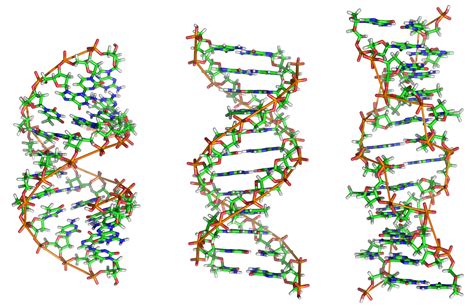
Phosphodiester bonds are the chemical linkages that form the backbone of nucleic acids like DNA and RNA. These bonds connect the 5' phosphate group of one nucleotide to the 3' hydroxyl group of the adjacent nucleotide, creating a stable and rigid structure that is essential for the integrity and function of genetic material.
The structure of DNA is a double helix composed of two strands of nucleotides. Each nucleotide consists of a sugar molecule (deoxyribose in DNA), a phosphate group, and a nitrogenous base. The phosphodiester bonds between nucleotides provide the structural framework that allows DNA to withstand various biochemical processes while maintaining its information-carrying capacity.
DNase: Function and Mechanism
DNase enzymes are specialized in cleaving phosphodiester bonds within DNA molecules. Contrary to the user's misconception, DNase does not synthesize or create phosphodiester bonds. Instead, its primary function is to break these bonds, leading to the degradation of DNA into smaller fragments or individual nucleotides.
Types of DNase Enzymes
| Type of DNase | Function | Products Formed |
|---|---|---|
| DNase I | Endonuclease that cleaves phosphodiester bonds adjacent to pyrimidines within DNA strands. | Fragments with 5'-phosphate and 3'-hydroxyl ends |
| DNase II | Endonuclease that hydrolyzes phosphodiester bonds in DNA, typically in acidic environments. | Fragments with 3'-phosphate and 5'-hydroxyl ends |
| Exonucleases | Enzymes that remove nucleotides from the ends of DNA strands. | Mononucleotides or short oligonucleotides |
Mechanism of Action
DNase enzymes catalyze the hydrolysis of phosphodiester bonds through a mechanism that often involves divalent metal ions such as magnesium (Mg²⁺) or calcium (Ca²⁺). These metal ions are essential for stabilizing the negative charges that develop during the transition state of the reaction, thereby facilitating the cleavage of the bond.
  Example Reaction:

  DNA + H₂O → Nucleotides
In the presence of water, DNase enzymes promote the cleavage of the phosphodiester bond, resulting in the breakdown of the DNA molecule into smaller units. This hydrolytic activity is vital for processes like DNA repair, where damaged DNA needs to be removed and replaced, and programmed cell death, where DNA fragmentation is a key feature.
DNase vs. DNA Polymerases and Ligases
Enzymes That Synthesize Phosphodiester Bonds
While DNase enzymes are responsible for degrading DNA by breaking phosphodiester bonds, other enzymes are involved in the synthesis of these bonds during DNA replication and repair. Notably, DNA polymerases and DNA ligases play crucial roles in constructing the sugar-phosphate backbone of DNA.
DNA Polymerases
DNA polymerases are enzymes that catalyze the synthesis of new DNA strands by adding nucleotides to a pre-existing chain in a sequence-specific manner. They form phosphodiester bonds between the 3' hydroxyl group of the growing DNA strand and the 5' phosphate of the incoming nucleotide, thereby elongating the DNA molecule.
DNA Ligases
DNA ligases are responsible for sealing nicks in the DNA backbone by forming phosphodiester bonds. This function is essential during DNA replication and repair, where fragments of DNA need to be joined together to maintain the continuity and integrity of the genetic material.
Applications of DNase Enzymes
Biomedical and Research Applications
DNase enzymes have a wide range of applications in biomedical research, clinical diagnostics, and therapeutic interventions. Their ability to specifically degrade DNA makes them valuable tools in various experimental and clinical settings.
Genetic Engineering and Molecular Biology
In genetic engineering, DNase enzymes are used to remove unwanted DNA fragments or to process DNA during cloning procedures. They are essential for manipulating DNA sequences, ensuring that only the desired genetic material is incorporated into vectors for further study or expression.
Clinical Diagnostics
DNase I is utilized in diagnostic assays to quantify the amount of DNA present in biological samples. This is particularly useful in conditions where extracellular DNA levels are elevated, such as in certain autoimmune diseases or infections.
Therapeutic Applications
Therapeutically, DNase enzymes have been employed in treatments for conditions like cystic fibrosis. In such cases, DNase helps to break down the thick mucus in the lungs, improving respiratory function by reducing the viscosity of the mucus by degrading the DNA from dead neutrophils.
Regulation and Inhibition of DNase Activity
Biological Regulation
The activity of DNase enzymes is tightly regulated within cells to prevent unwanted degradation of DNA, which could lead to genomic instability and cell death. Regulatory mechanisms include the expression control of DNase genes, post-translational modifications of the enzymes, and the availability of essential cofactors like Mg²⁺ and Ca²⁺.
Inhibitors of DNase
Several molecules can inhibit DNase activity, either by binding to the enzyme's active site or by chelating the essential metal ions required for its catalytic function. Common inhibitors include EDTA (a chelating agent) and specific small molecules designed to interact with DNase enzymes. In research settings, DNase inhibitors are used to protect DNA samples from degradation during manipulations where intact DNA is required.
Experimental Considerations and Techniques Involving DNase
DNase Footprinting
DNase footprinting is a technique used to study protein-DNA interactions. By partially digesting DNA with DNase and analyzing the pattern of cleavage, researchers can identify the specific regions of DNA bound by proteins, such as transcription factors. Protected regions appear as "footprints" where DNase cannot cleave, indicating the binding sites of the proteins.
Procedure of DNase Footprinting
Label the DNA fragment with a radioactive or fluorescent marker at one end.
Allow the DNA-binding protein to interact with the DNA.
Expose the DNA-protein complex to controlled amounts of DNase.
Terminate the reaction and analyze the DNA fragments using electrophoresis.
Compare the digestion pattern of DNA with and without the protein to identify binding sites.
  import matplotlib.pyplot as plt

  # Example pseudocode for analyzing footprinting data
  def analyze_footprinting(dna_sequence, bound_regions):
      digestion_pattern = []
      for base in dna_sequence:
          if base not in bound_regions:
              digestion_pattern.append('cleaved')
          else:
              digestion_pattern.append('protected')
      return digestion_pattern
DNase I Hypersensitivity Assay
This assay identifies regions of open chromatin that are more accessible to DNase I digestion. These regions often correspond to active regulatory elements like promoters and enhancers. By treating chromatin with DNase I and sequencing the resulting fragments, researchers can map regulatory regions genome-wide.
DNase in Cellular Processes
Role in Apoptosis
During programmed cell death (apoptosis), DNase enzymes contribute to the systematic dismantling of the cell's genetic material. This controlled degradation ensures that DNA is fragmented without triggering an inflammatory response, which is crucial for maintaining tissue homeostasis.
DNA Repair Mechanisms
In DNA repair, DNase enzymes participate in the removal of damaged or mismatched DNA segments. By excising these faulty regions, DNase facilitates the replacement with correct nucleotides, thereby preserving the integrity of the genetic code.
Conclusion
Recap of DNase Functionality
DNase enzymes are essential for maintaining the balance between DNA synthesis and degradation within cells. They exclusively degrade DNA by hydrolyzing phosphodiester bonds, playing vital roles in processes such as DNA repair, apoptosis, and various biotechnological applications. Understanding the distinct functions of DNase compared to enzymes that synthesize phosphodiester bonds, like DNA polymerases and ligases, is fundamental in molecular biology.
Future Directions
Ongoing research continues to uncover new applications and regulatory mechanisms of DNase enzymes. Advances in biotechnology and medicine may leverage DNase activity for novel therapeutic strategies, diagnostic tools, and genetic engineering techniques, further highlighting the importance of these enzymes in both basic and applied sciences.
References
Last updated January 18, 2025