
Unleash Epic Adventures: Crafting Memorable D&D Scenarios for Low-Level Heroes!
Transforming a simple idea into a thrilling and balanced D&D experience for new adventurers requires ingenuity and strategic design.
Key Insights for Low-Level D&D Scenario Design
- Balance is Paramount: Design encounters that challenge but don't overwhelm low-level characters, focusing on appropriate monster CRs and providing diverse solutions beyond brute force.
- Variety Keeps it Engaging: Incorporate a blend of combat, social interaction, puzzles, and exploration to appeal to different player styles and maintain interest.
- Clear Objectives & Progression: Start with straightforward goals, use structured models like the "Five-Room Dungeon," and ensure rewards lead to satisfying narrative closure or future hooks.
Creating a Dungeons & Dragons (D&D) scenario for low-level characters (typically levels 1-3) demands a delicate balance of challenge, enjoyment, and achievability. The aim is to introduce players to the core mechanics of the game while providing a compelling narrative that leaves them eager for more. This guide synthesizes best practices for crafting such an adventure, focusing on clear objectives, varied encounter types, and engaging storytelling.
Crafting Compelling Hooks: The Adventure's Genesis
The initial hook is crucial for drawing players into your scenario. For low-level characters, a straightforward, relatable premise with immediate stakes works best. This allows players to quickly grasp their purpose and impact within the world without needing extensive backstory or complex motivations. Consider hooks that involve local problems, immediate dangers, or intriguing mysteries that can escalate subtly.
Dynamic Starting Points for Immediate Engagement
Instead of the classic "kill rats in the basement," think about more immersive openings. The party could be in media res, already trapped or facing an immediate threat. Alternatively, a local noble plagued by an unusual problem or a town suffering from a peculiar blight can provide a captivating mystery. Humorous and unexpected circumstances, like being mistaken for important figures, can also add a unique flavor to the start of the adventure.
- In Media Res: Characters might begin enslaved by minor foes or fall into a pit trap, necessitating immediate cooperation.
- Community Crisis: Villagers are attacked by animated trees, or livestock is suffering from an "unending night," requiring investigation.
- Unusual Circumstances: The party is mistaken for actors or judges, leading to unexpected social challenges.
- Missing Persons/Animals: A simple "search and rescue" for a lost farmer or farm animals, potentially leading to a larger discovery like an Ankheg lair.
Balancing Encounters: Challenge Without Overwhelm
For low-level characters, encounters must be scaled appropriately to provide a genuine challenge without being lethal. Remember that low-level characters have limited hit points, spells, and abilities. A healthy mix of combat, social interaction, and environmental puzzles ensures all player styles are engaged.
Strategic Combat Design for Novice Adventurers
Focus on a few well-designed combat encounters rather than numerous overwhelming battles. For 1st-level characters, two easy to medium encounters are often sufficient for a shorter session (1-2 hours). Use creatures with low Challenge Ratings (CRs) such as goblins, kobolds, stirges, twig blights, or skeletons. Consider giving monsters slightly reduced hit points to make fights quicker and less punishing. Environmental factors, like cover, difficult terrain, or potential hazards (e.g., collapsing beams, ignitable flour dust in a mill), can add tactical depth.
This radar chart illustrates the balance required for an ideal low-level D&D scenario versus common pitfalls. An ideal scenario prioritizes narrative engagement and social interaction, alongside moderate combat and exploration, while keeping puzzle complexity and resource management manageable. Conversely, common pitfalls often involve overly high combat difficulty, excessively complex puzzles, and insufficient social opportunities, leading to player frustration or disengagement. The chart helps visualize the areas where a Dungeon Master should focus their efforts to create a balanced and enjoyable experience for new players.
Engaging Non-Combat Challenges
Social interactions are vital. Include opportunities for roleplaying with Non-Player Characters (NPCs) to gain information, negotiate, or even win over reluctant allies. Give players a clear goal for these interactions, such as discovering a secret or acquiring a needed item. Simple puzzles and traps should be obvious, with the challenge lying in figuring out how to bypass them, rather than being unfairly hidden. These elements encourage creative problem-solving and highlight diverse character skills.
Structuring Your Scenario: The Five-Room Dungeon Model
The "Five-Room Dungeon" model is an excellent framework for structuring beginner-friendly adventures within a limited scope. It provides a clear progression and ensures a variety of challenges.
Phases of a Well-Designed Low-Level Adventure
- Room 1: Entrance and Guardian. An initial obstacle or encounter that introduces the setting or primary antagonists. This could be a minor combat encounter with a patrol or a simple environmental hazard.
- Room 2: Puzzle or Roleplay Challenge. An opportunity for players to use skills beyond combat, such as solving a riddle, interacting with an NPC for information, or navigating a minor environmental puzzle.
- Room 3: The Midpoint & Twist. A more significant encounter that shifts the scenario's dynamic. This might be a more challenging combat, the arrival of reinforcements, or the reveal of a new objective or villain.
- Room 4: Climax Battle or Final Challenge. The primary confrontation—a boss fight against a scaled-down threat, or a complex puzzle intertwined with danger.
- Room 5: Reward and Resolution. The aftermath, where players find loot, clues for future adventures, and narrative closure.
This mindmap visualizes the interconnected elements crucial for designing a challenging, fun, and achievable D&D scenario for low-level characters. It highlights the importance of clear objectives, balanced encounters (combat, social, puzzles), engaging hooks, and incorporating variety and progression. The "Five-Room Dungeon" model is presented as a structural backbone, emphasizing a structured approach to adventure design that ensures a dynamic and satisfying experience for new players.
Implementing Fun and Engaging Elements
To maximize player enjoyment, integrate elements that foster immersion, creativity, and a sense of accomplishment. Personalizing the adventure can significantly enhance engagement.
Weaving Immersion and Choice into the Narrative
- Involve Player Backstories: If possible, tie the scenario's plot or NPCs to the characters' personal histories. This increases player investment and immersion.
- Reluctant Allies & Friendly NPCs: Introduce characters who can provide clues, minor assistance, or moral dilemmas, adding depth to social interactions.
- Roleplay Opportunities: Allow players to negotiate with minor enemies, bluff their way out of situations, or resolve conflicts non-lethally.
- Short, Tactical Combat: Keep combat encounters concise but tactically rich. Use terrain, cover, and enemies with simple but interesting abilities to maintain dynamism.
- Discovery Moments: Encourage exploration by including hidden secrets, forgotten journals, old tools, or intriguing maps that build the mystery and add flavor to the world.
For visual inspiration, consider how diverse environments can influence encounter design. Below are examples of forest battle maps that could be used to create challenging and fun low-level encounters by incorporating terrain, cover, and choke points.
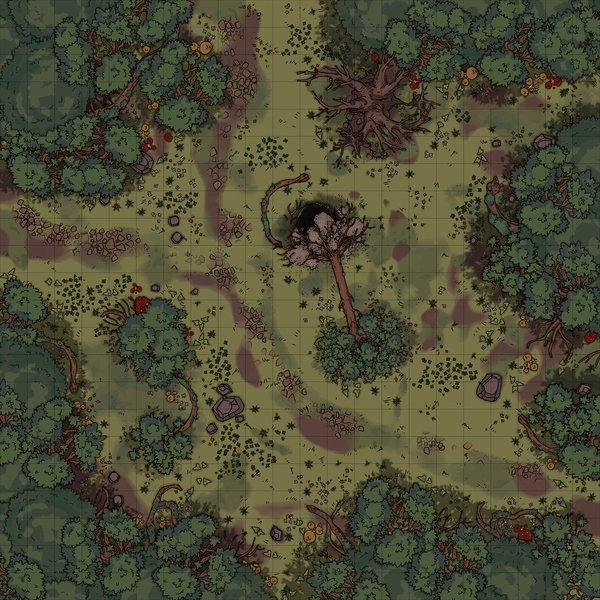
Generic forest battle map featuring varied terrain for dynamic encounters.
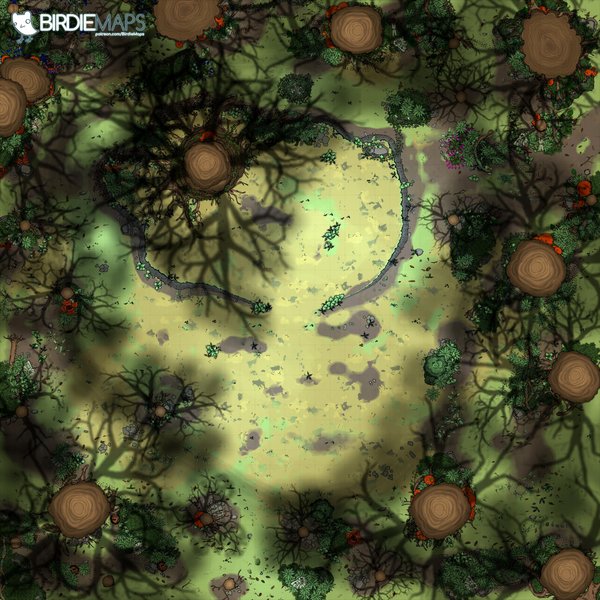
Redwood forest encounter map, highlighting dense foliage and elevation.
Scenario Ideas for Low-Level Characters
Here are a few concrete ideas to spark your creativity, adaptable to various settings and player preferences:
This video, "Low-Level D&D Encounters That Will WOW Your Party!", provides valuable insights into crafting exciting and memorable encounters specifically for new players. It delves into the secret behind capturing their imagination from the very start of their D&D journey, offering practical tips and creative approaches that complement the principles discussed in this guide. Watching this video can help a Dungeon Master visualize how to apply theoretical design elements into practical, engaging gameplay moments.
Table: Scenario Concepts and Key Elements
| Scenario Idea | Objective | Enemies/Challenges | Non-Combat Elements | Potential Rewards/Progression |
|---|---|---|---|---|
| The Haunted Mill | Investigate strange occurrences at an abandoned mill. | Goblins, weak wraith/cursed item, environmental hazards (collapsing beams, ignitable flour dust). | Navigating jammed machinery, calming a restless spirit (non-combat solution), finding old diaries/clues. | Minor magic items, potions, narrative closure, leads to a larger cult plot. |
| The Brewery Rats | Exterminate giant rats in a brewery cellar. | Giant rats, potentially an awakened stirge, ancient ruins leading to further challenges. | Discovering hidden ancient ruins, finding lost family recipe, interacting with a frantic brewer. | Gold, rare ingredients, discovery of hidden passages, reputation with local guild. |
| A Wild Sheep Chase | Help a talking sheep, transformed by an evil wizard, return to human form. | Minor cultists, charmed animals, a mischievous imp. | Interrogating cultists, solving a magical riddle, social encounters with quirky NPCs. | A new ally, useful spell scrolls, a humorous magic item, reputation with whimsical patrons. |
| Lost Caravan Guard | Escort a wagon and protect it from roadside threats. | Goblins, basic bandits, opportunistic wolves. | Negotiating with a desperate merchant, finding a hidden shortcut, tracking signs of ambush. | Payment, safe passage to next town, discovery of bandit hideout, trust of merchant guild. |
Frequently Asked Questions
What is a good starting level for new D&D players?
How many encounters should a low-level scenario have?
What types of monsters are suitable for low-level parties?
Should I include puzzles in low-level scenarios?
How important is roleplaying for new players?
Conclusion
Designing a D&D scenario for low-level characters is an art that blends challenge, fun, and achievability. By focusing on clear objectives, balancing diverse encounter types, and structuring your adventure logically (perhaps using the Five-Room Dungeon model), you can create a memorable experience. Prioritize player agency, integrate elements of humor and discovery, and ensure meaningful rewards that propel the story forward. A well-crafted initial adventure lays the foundation for countless future epic tales, igniting a passion for D&D in new and returning players alike.
Recommended Further Exploration
- How can I structure a multi-session D&D campaign for new players?
- What are advanced Dungeon Master tips for improvising and adapting to player choices?
- How do I create compelling Non-Player Characters (NPCs) with unique personalities and motivations?
- What are the best practices for balancing magic items and rewards for different character levels?