
Comprehensive Technical Proposal for Document Digitization and EDMS Integration
Streamlining Document Management through Advanced Digitization and EDMS Solutions
Key Takeaways
- Enhanced Accessibility: Digitization and EDMS integration significantly improve document accessibility and retrieval efficiency.
- Robust Security: Implementing comprehensive security measures ensures data protection and compliance with regulatory standards.
- Scalable Implementation: A phased implementation plan facilitates smooth transition and scalability to handle large volumes of documents.
Introduction
In today's digital age, efficient document management is paramount for organizational success. The transition from physical to digital documents not only streamlines operations but also enhances accessibility, security, and collaboration. This technical proposal outlines a comprehensive solution for document digitization and seamless integration with an Electronic Document Management System (EDMS), tailored to meet the specific needs of your organization.
Project Scope and Objectives
Scope of Services
Document Preparation
The initial phase involves meticulous preparation of physical documents, including sorting, removing bindings, repairing minor damages, and ensuring document integrity. This step is crucial to facilitate efficient and accurate scanning.
Digitization Process
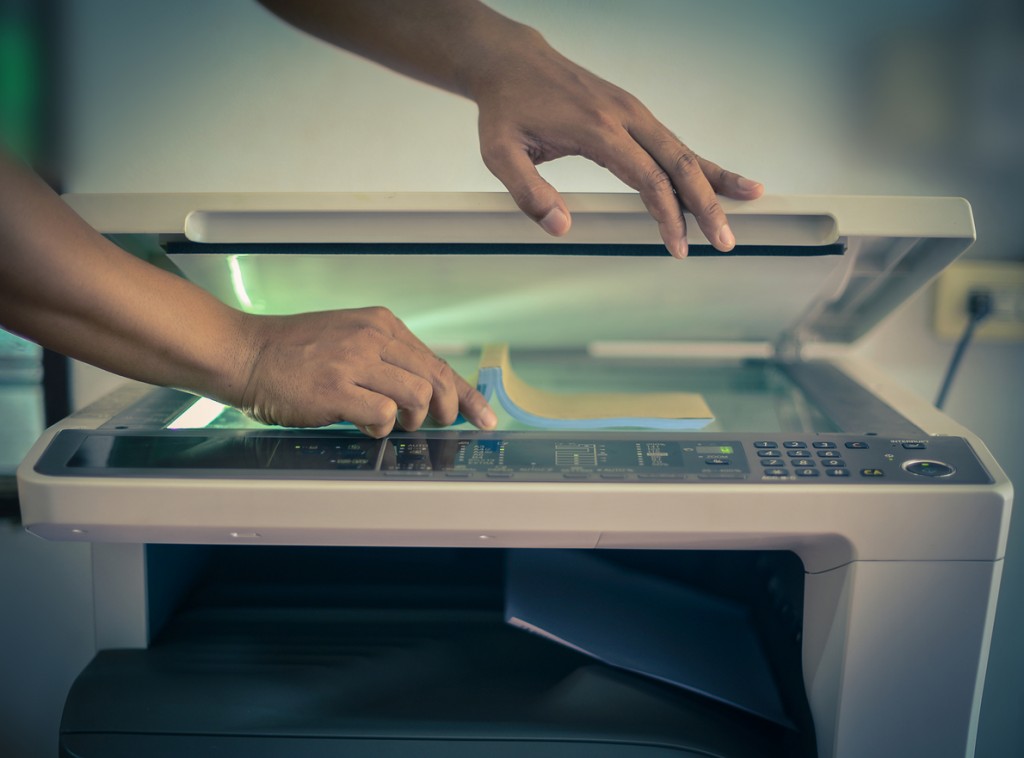
Utilizing high-resolution scanners (300-600 dpi), various document types such as paper records, forms, and archival materials will be digitized. Both color and grayscale scanning options will be employed to balance quality and storage requirements. Quality control checks will be implemented to ensure the accuracy and clarity of digital reproductions.
Metadata Management
Assigning descriptive metadata to each document is essential for enhancing searchability and retrieval. A consistent metadata schema will be developed, encompassing attributes like document type, date, author, and keywords. Automated metadata extraction using OCR and machine learning will be combined with manual overrides to ensure accuracy.
EDMS Upload
Digitized documents will be securely uploaded to the specified EDMS platform. This process includes mapping metadata fields, ensuring compatibility with the EDMS, and verifying document integrity post-upload. Secure file transfer protocols will be employed to protect data during transmission.
Project Objectives
- Convert physical documents to digital formats to enhance accessibility and preservation.
- Integrate digitized documents into an EDMS to streamline document management and retrieval.
- Ensure data security and compliance with relevant regulations throughout the digitization and integration process.
Technical Requirements
Hardware and Software
The project will require high-speed, high-resolution scanners with duplex scanning capabilities. Scanning workstations must be equipped with sufficient processing power to handle large volumes of data. The EDMS chosen should support features such as document storage, retrieval, version control, and user access management.
System Architecture
The proposed system architecture includes scanning workstations connected to a digitization server that handles OCR and image processing. A middleware layer will facilitate integration with the EDMS through standardized APIs. Cloud-based storage solutions will be leveraged to ensure scalability and accessibility.
| Phase | Activities | Duration |
|---|---|---|
| Phase 1: Assessment and Planning | Requirements gathering, document audit, metadata schema development | Month 1 |
| Phase 2: Setup and Pilot | Configure scanning systems, pilot batch scanning and integration | Month 2 |
| Phase 3: Full-Scale Rollout | Deploy scanning operations, automated upload to EDMS | Month 3-4 |
| Phase 4: Training and Support | Conduct training sessions, provide support documentation | Month 5 |
| Phase 5: Project Closure and Review | Post-implementation review, gather feedback | Month 6 |
Methodology
Document Preparation and Inventory
A comprehensive audit of all physical documents will be conducted to classify them based on type, condition, and confidentiality. Documents will be prepared for scanning by removing any bindings or fasteners and ensuring proper alignment to facilitate smooth digitization.
Scanning and Digitization
High-speed scanners will be employed to digitize documents efficiently. OCR technology will be utilized to extract text, enhancing searchability within the EDMS. Image processing algorithms will correct any scanning imperfections, ensuring high-quality digital reproductions.
Quality Control and Validation
Automated quality control procedures will monitor scanning accuracy, flagging any errors such as missing pages or low image quality. Documents failing quality standards will undergo manual review for correction. Continuous feedback loops will optimize scanning processes based on quality control outcomes.
Metadata Tagging and Data Enrichment
A predefined metadata schema will guide the assignment of descriptive attributes to each document. Automated extraction routines, supported by machine learning where applicable, will populate metadata fields. Manual overrides will ensure the accuracy and completeness of metadata entries.
Integration with the EDMS
Secure connections between the digitization system and the EDMS will be established using RESTful APIs or dedicated connectors. Metadata fields will be accurately mapped to the EDMS, and batch-upload mechanisms will handle large volumes of documents efficiently. The integration will support document indexing, version control, access rights, and audit trails in accordance with organizational policies.
Benefits
Transitioning to a digital document management system offers numerous advantages, including:
- Improved efficiency through enhanced document accessibility and searchability.
- Reduction in physical storage requirements, leading to cost savings.
- Enhanced data security and compliance with regulatory standards.
- Facilitated collaboration through centralized document access.
- Long-term preservation of important documents in digital format.
Security and Compliance
Data Security
All digitized documents will be handled with strict confidentiality, employing end-to-end encryption during transmission and storage. Role-based access controls (RBAC) will ensure that only authorized personnel can access or modify documents. Compliance with data protection regulations such as GDPR and HIPAA will be maintained throughout the process.
Access Control
Implementing robust access control measures will safeguard sensitive information. Users will be granted permissions based on their roles, ensuring that document access aligns with organizational policies and regulatory requirements.
Implementation Plan
Phase 1: Assessment and Planning
Detailed requirements gathering and document audit will be conducted to define the scope of the digitization project. Metadata schema and integration requirements with the EDMS will be finalized in collaboration with stakeholders. A comprehensive project timeline and resource allocation plan will be established.
Phase 2: Setup and Pilot
The scanning environment will be configured, and the digitization processes will be tested through a pilot batch. This phase will validate the quality of scans, the accuracy of metadata extraction, and the efficacy of EDMS integration. Feedback from the pilot will inform necessary adjustments to workflows.
Phase 3: Full-Scale Rollout
Scanning and digitization operations will be deployed across all document repositories. Automated data upload mechanisms will be executed to integrate digitized documents with the EDMS. System performance will be continuously monitored, and regular quality control checks will ensure ongoing efficiency and accuracy.
Phase 4: Training and Support
Comprehensive training sessions will be organized for end-users and administrators to facilitate smooth adoption of the new system. Detailed support documentation will be provided, and support channels will be established to address any troubleshooting needs during the transition period.
Phase 5: Project Closure and Review
A post-implementation review will assess the outcomes of the project, gathering user feedback to identify areas for improvement. Processes will be refined based on this feedback to enhance future digitization initiatives and ensure the sustained success of the EDMS integration.
Quality Assurance & Testing
Ensuring the highest quality standards is integral to the success of the digitization and EDMS integration project. The following testing protocols will be implemented:
- Unit Testing: Each component, including OCR, metadata extraction, and integration APIs, will undergo individual testing to verify functionality.
- System Integration Testing (SIT): Interactions between the digitization system and the EDMS will be validated to ensure seamless integration.
- User Acceptance Testing (UAT): End-users will evaluate the system's usability and the efficiency of document retrieval processes.
- Performance Testing: The system's throughput, latency, and scalability will be assessed to handle large volumes of documents effectively.
- Security Testing: Vulnerability assessments and penetration tests will be conducted to identify and mitigate potential security risks.
Cost Estimate
The project cost breakdown includes:
- Hardware Costs: High-speed scanners, workstations, and networking equipment.
- Software Licenses: OCR solutions, document processing software, middleware tools, and potential EDMS integration modules.
- Personnel: Project manager, scanning technicians, software developers/integration specialists, QA engineers, and training staff.
- Contingency: A reserve budget (typically around 10%-15% of the total estimated cost) to address unforeseen challenges.
Risks and Mitigation Strategies
Potential risks and their mitigation strategies include:
-
Data Loss: Establish redundant backups during the digitization process to prevent data loss.
-
Integration Challenges: Engage early with EDMS vendors to ensure compatibility and standardized API usage.
-
Quality Control Issues: Implement automated quality control measures alongside manual verification procedures.
-
Security Breaches: Utilize end-to-end encryption and conduct regular security audits to safeguard data.
Conclusion
This technical proposal presents a robust and scalable solution for document digitization and EDMS integration, designed to enhance organizational efficiency, security, and compliance. By following a structured implementation plan and incorporating comprehensive quality assurance measures, the project aims to transform physical document management into a streamlined, digital-centric process. The anticipated benefits include improved accessibility, reduced physical storage needs, and enhanced data security, ultimately supporting the organization's strategic objectives for digital transformation.
References
Last updated February 12, 2025