
DOGE's Extensive Access to Sensitive Personal Data: A Deep Dive into Privacy Concerns
Unpacking the Controversies Surrounding the Department of Government Efficiency's Data Access and Legal Challenges
Key Insights into DOGE's Data Access
- Widespread Access: DOGE employees reportedly gained sweeping access to sensitive personal information across numerous federal agencies, including Social Security Numbers, health records, financial data, and immigration statuses.
- Legal Battles and Injunctions: Multiple lawsuits have been filed against DOGE and various federal agencies, alleging violations of long-standing privacy laws, most notably the Privacy Act of 1974. Courts have issued temporary restraining orders and injunctions, though some have been overturned on appeal.
- Security and Misuse Concerns: Experts and whistleblowers have raised serious alarms about the potential for data misuse, privacy invasion, identity theft, and even political retaliation due to DOGE's potentially reckless handling of sensitive data and lack of transparent security protocols.
The Department of Government Efficiency (DOGE), a federal initiative, has been at the center of a significant controversy regarding its unprecedented access to vast troves of personal information held by various U.S. government agencies. Since its formation, DOGE has reportedly sought and gained extensive access to sensitive government systems and data, sparking widespread alarm among privacy advocates, federal employees, and legal experts. This deep dive explores the scope of DOGE's data access, the legal challenges it faces, and the critical concerns surrounding data security and potential misuse.
Unraveling DOGE's Data Access Landscape
DOGE's stated mission is to identify and eliminate waste, fraud, and abuse within government spending. However, the methods employed to achieve this goal have drawn intense scrutiny, primarily due to the expansive and often unvetted access granted to DOGE personnel. This access has encompassed a wide array of sensitive personal data points across numerous federal departments.
Agencies Impacted by DOGE's Data Reach
Reports indicate that DOGE employees have embedded themselves in, or sought access to, systems belonging to a significant number of federal agencies, often without clear explanations for the necessity of such broad data acquisition. This has raised fundamental questions about adherence to established privacy protocols and the proper justification for accessing personally identifiable information (PII).
Office of Personnel Management (OPM)
DOGE reportedly gained access to OPM databases, which function as the human resources department for the U.S. government. This includes sensitive employee information such as Social Security Numbers, phone numbers, and comprehensive personnel files. Concerns have been raised about administrative access being granted to DOGE staff, some of whom are reportedly very young and formerly employed by private companies, without rigorous national-security vetting.
Department of the Treasury and IRS
At the Treasury Department, DOGE personnel obtained access to payment systems that process trillions of dollars in government transactions. While primarily "read" access was granted, at least one DOGE employee temporarily had "edit" access, raising significant alarms about the potential to alter financial data. Furthermore, DOGE sought access to IRS systems containing hundreds of millions of tax returns and other sensitive tax information, including detailed financial data and individuals' immigration statuses. Experts describe this level of access for political appointees as "highly unusual and perhaps unprecedented."
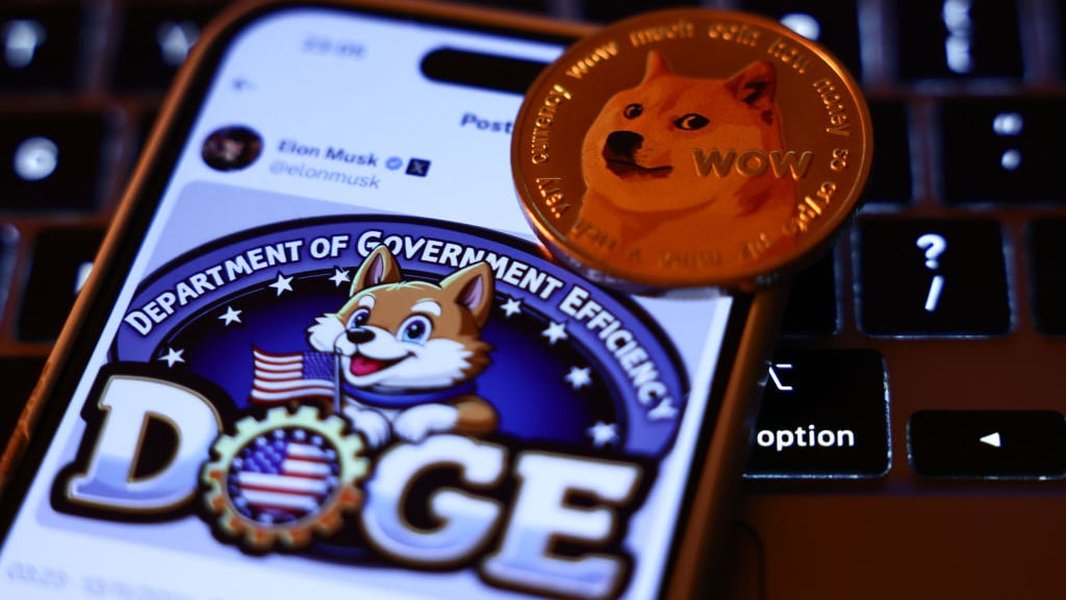
An image illustrating the concerns surrounding DOGE's access to vital payment systems within the U.S. Treasury Department.
Social Security Administration (SSA)
Seven DOGE employees were granted access to Americans' Social Security data, or personally identifiable information (PII). This includes Social Security numbers, information on those applying for Supplemental Security Income, disability and health status data, and details from the Numident database, which contains full names, birthdates, citizenship, race, ethnicity, sex, mother's maiden name, and alien numbers. Federal judges have intervened to block DOGE from accessing these sensitive systems, though legal battles continue.
Department of Health and Human Services (HHS)
Elon Musk's DOGE reportedly has access to 19 sensitive systems at HHS. In some instances, access was granted without proper security training. This includes information that could be combined with other datasets to determine the immigration status of individuals benefiting from federal programs.
Department of Education
DOGE has accessed databases containing student loan applications. Lawsuits have specifically highlighted concerns about the unauthorized disclosure of student financial information to DOGE affiliates.
National Labor Relations Board (NLRB) and Consumer Financial Protection Bureau (CFPB)
Whistleblowers have detailed how DOGE may have taken sensitive data related to union organizing, labor complaints, and confidential witness testimony from the NLRB. Similarly, at the CFPB, DOGE employees gained "read access" to sensitive financial data, with former officials expressing concern about "God-tier access" to the bureau's data without clear justifications.
The "Mega API" and Data Centralization Efforts
A significant aspect of DOGE's strategy involves building a "mega API" to access and move data from various agencies into a centralized cloud platform. This ambition extends to creating a single, centralized database with vast troves of personal information. This centralized approach, while touted for efficiency, raises profound security vulnerabilities, as experts warn that "separation and segmentation is one of the core principles in sound cybersecurity." Such a system, with unprecedented access to data about Social Security, taxes, medical diagnoses, and other private information, could create a multitude of vulnerabilities and make the data an attractive target for malicious actors.
Legal Challenges and the Privacy Act of 1974
The extensive data access sought and obtained by DOGE has led to a cascade of legal challenges, primarily citing potential violations of the Privacy Act of 1974. This landmark legislation was designed to protect individuals' personal information held by federal agencies, limiting its collection, use, and disclosure.
Understanding the Privacy Act of 1974
The Privacy Act requires federal agencies to:
- Obtain individuals' consent before disclosing their records.
- Maintain accurate, relevant, timely, and complete records.
- Establish safeguards to ensure the security and confidentiality of records.
- Provide individuals with access to their records and the ability to request amendments.
Ongoing Lawsuits and Judicial Rulings
Numerous lawsuits have been filed against DOGE, Elon Musk (its de facto head), and various federal agencies. These include complaints from government labor unions, nonprofit organizations, and individual federal workers. For instance, the American Federation of Government Employees and others have sued over OPM's alleged illegal decision to grant DOGE staffers access to federal employee databases, asserting that DOGE lacks a "lawful and legitimate need for such access."
Judicial responses have been mixed. Some federal judges have issued temporary restraining orders and preliminary injunctions to block DOGE's access to sensitive data at agencies like the Treasury Department and the Social Security Administration. However, other rulings have denied requests to halt access, and appeals courts have, in some instances, reinstated DOGE's access to data at the Department of Education and OPM, stating that "abstract access to personal information" may not constitute a "concrete injury." The legal landscape remains complex and evolving.
This video discusses whether DOGE may have "breached" Americans' data, delving into the implications of their access to millions of sensitive personal records.
This video provides an excellent overview of the data breach concerns associated with DOGE's operations. It highlights how the Department of Government Efficiency's access to extensive personal data of millions of Americans has become a critical point of public debate. The discussion delves into the potential security vulnerabilities and the challenges in understanding the full scope and impact of this data access, making it highly relevant to the user's query about DOGE workers and their access to personal information.
The Risks and Concerns: Why DOGE's Access Matters
The controversy surrounding DOGE's data access extends beyond mere legal technicalities. It touches upon fundamental concerns about privacy, security, and the potential for misuse of highly sensitive information.
Data Misuse and Privacy Invasion
With access to Social Security Numbers, personal health information, financial records, and immigration statuses, individuals whose data is being accessed are at heightened risk of data misuse and privacy invasion. Without clear transparency on how and why this data is being used, potential legal violations and other misuses may occur without public awareness.
Increased Risk of Fraud and Identity Theft
Experts warn that DOGE's potentially reckless treatment of personal data could undermine basic privacy and cybersecurity practices, exposing information to increased risks of misuse, leakage, and attacks, including identity theft and financial fraud. The sheer volume and sensitivity of the data amassed by DOGE present an attractive target for bad actors.
Weaponization of Data and Political Retaliation
A deeply troubling concern is the possibility that the consolidated data could be "weaponized" against perceived political enemies or for targeted decisions about funding or basic government services. There have been reports of federal employees being "doxxed"—having their personal information publicly released—after DOGE accessed personnel files. This has fueled fears of political retaliation and distrust in the independence of federal agencies.

This image represents concerns about DOGE potentially using AI to surveil federal workers, highlighting the privacy implications of their data access.
The image above highlights concerns about DOGE's potential use of AI to monitor federal workers, which is directly relevant to the fear of political retaliation and data weaponization. The use of AI to analyze government data and develop internal tools further amplifies these concerns, as it enables unprecedented levels of data processing and analysis.
Lack of Transparency and Accountability
A recurring theme in the criticisms against DOGE is the significant lack of transparency regarding its structure, staff, and actions. It remains unclear if DOGE employees have met necessary security clearance requirements despite gaining broad access to sensitive systems. Moreover, agencies have reportedly kept the public in the dark about the justifications for granting DOGE such extensive access, prompting lawsuits demanding answers.
Conflicting Interests
Concerns about conflicts of interest have also been raised, particularly regarding Elon Musk's role and his companies. Critics argue that DOGE's high-level access to vast amounts of data could potentially benefit Musk's private business interests, including training AI algorithms for his companies, and that there's no clear "firewall" preventing such misuse.
A Summary of Affected Data Types and Risks
The following table summarizes the types of sensitive personal information DOGE has reportedly accessed or sought access to, along with the associated privacy and security risks.
| Data Type | Affected Agencies/Systems | Potential Risks |
|---|---|---|
| Social Security Numbers | OPM, SSA, Treasury, Labor | Identity theft, financial fraud, unauthorized tracking |
| Personal Health Information | HHS, SSA | Privacy invasion, discrimination, targeted harassment |
| Financial Data (Bank accounts, tax returns, payment systems) | Treasury, IRS, CFPB | Financial fraud, economic targeting, manipulation |
| Personnel Files (Federal employees, union data) | OPM, NLRB, Labor | Political retaliation, doxxing, undermining labor rights |
| Immigration Status & Records | DHS, SSA, Labor, Justice | Targeted enforcement, surveillance, discrimination |
| Student Loan Applications | Department of Education | Unauthorized disclosure, financial exploitation |
| Whistleblower & Complaint Data | NLRB, CFPB, Labor | Intimidation, compromise of legal strategies, retaliation |
Assessing the Multifaceted Impact of DOGE's Data Endeavors
To further illustrate the concerns and perceived impact of DOGE's data access, a radar chart can help visualize various dimensions of risk and public sentiment.
This radar chart visually represents the perceived severity of various issues related to DOGE's data access, contrasting it with ideal data handling standards. The further a point is from the center, the higher the perceived concern or deviation from ideal. As you can see, "Risk of Misuse" and "Transparency Deficit" are particularly high, underscoring the deep unease surrounding how DOGE is managing and utilizing the personal information it has acquired.
Frequently Asked Questions (FAQ)
What kind of personal information did DOGE workers access?
Did DOGE have legal authorization to access this data?
What are the main concerns about DOGE's data access?
Have any courts blocked DOGE's access to data?
Is Elon Musk officially in charge of DOGE?
Recommended Further Reading
- Explore the various lawsuits filed against DOGE and their legal arguments.
- Understand the specific impacts of DOGE's data access on federal employees.
- Delve deeper into the Privacy Act of 1974 and its relevance in the digital age.
- Investigate how DOGE plans to leverage AI with the collected government data.
References
Last updated May 21, 2025