
Why Dogs Love Balls
A comprehensive exploration of canine behavior and play
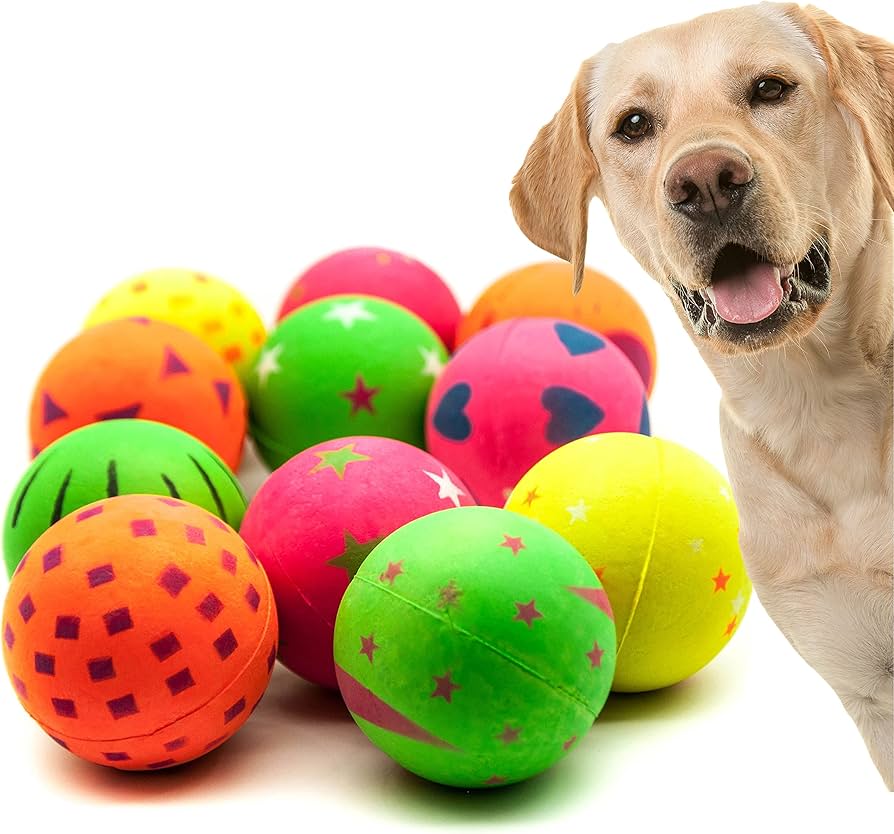
Key Highlights
- Instinctual Drives: Dogs’ natural hunting instincts and prey drive make balls irresistible.
- Physical and Mental Stimulation: The play with balls provides exercise, mental engagement, and stress relief.
- Bonding and Sensory Appreciation: Interactions with toys, like balls, strengthen the bond between dogs and their owners through shared positive experiences.
Understanding the Canine Fascination with Balls
Dogs have evolved in a manner that emphasizes both instinctual and learned behaviors. One particularly observable phenomenon is their love for playing with balls. While balls may simply appear as toys, they are, in fact, a catalyst for engaging a multitude of natural instincts and sensory pleasures that dogs experience. This detailed discussion sheds light on why dogs are so attracted to balls, considering factors from evolutionary prey drives to the effects these games have on their brain's reward system.
The Role of Instinctual Drives
Prey Drive and Evolutionary History
One of the foremost reasons dogs show a keen interest in balls arises from their deep-rooted prey drive. This instinct is a remnant of their evolutionary lineage, descending from wolves. The unpredictable motion of a bouncing ball mimics the erratic movements of prey, such as small animals or birds. Dogs are naturally inclined to chase, capture, and even chew what appears to be viable prey. This behavior not only provides an outlet for their innate chasing instincts but also links back to ancient survival behaviors.
Moreover, balls, through their motion, encourage the canine to engage in a chase that simulates hunting, thereby allowing them to exercise skills that were once vital for survival. It is important to note that while this behavior has its roots in survival mechanisms, modern domestic dogs have adapted this into various playful activities, such as fetch.
Chewing and Textural Satisfaction
Besides chasing, chewing is another important aspect of canine behavior that is inherently tied to their love for balls. Many balls that dogs play with are designed to be of a size and texture that offers satisfying chewing opportunities. From a physiological standpoint, chewing helps alleviate boredom, reduce anxiety, and even promote oral health by offering a gentle massage to their gums. This sensory pleasure is not merely incidental; it is an essential facet of how dogs interact with their environment.
Some balls are made to be durable yet soft, which makes them perfect for a dog’s powerful jaws. The tactile stimulation offered by the ball’s surface satisfies the dog’s need to chew, while the action of recovering a chewed ball is rewarding in itself.
The Impact of Physical and Mental Stimulation
Exercise and Coordination
Physical Exercise through Play
Engaging with balls provides tremendous benefits when it comes to physical fitness. Activities such as chasing, running, and fetching a ball are excellent means for burning energy and maintaining muscle strength. Unlike static exercises, ball play is dynamic and encourages the dog to move in unpredictable ways, which can enhance agility and overall physical coordination. This is exceptionally beneficial for maintaining a healthy weight and promoting cardiovascular health.
The physical benefits extend beyond mere energy expenditure. Dogs often demonstrate improved reflexes and balance as they navigate uneven terrain during play. This type of activity simulates natural movements in the wild, reaffirming their inherent predisposition to be active and in control of their bodies.
Mental Engagement and Cognitive Benefits
In addition to physical exercise, playing with balls serves as an excellent form of mental stimulation. The anticipation of where the ball will bounce, coupled with the thrill of retrieving it, keeps the dog’s mind actively engaged. This sort of play is akin to solving a puzzle: the dog learns cause and effect, develops spatial awareness, and practices problem-solving. Such mental engagement is crucial, particularly for high-energy breeds that otherwise might succumb to boredom-induced behavioral issues.
When dogs engage in activities that stimulate both their body and mind, it creates a cascade of beneficial hormonal responses. The release of endorphins during vigorous physical activity and dopamine during the pleasure derived from fetching the ball turns the act into a rewarding endeavor, making them more inclined to repeat the behavior.
Social and Emotional Aspects
Bonding Through Play
Strengthening the Human-Dog Connection
One cannot discount the social dynamics involved in play. Activities like fetch are not only about physical exertion and mental stimulation but also about reinforcing the bond between dogs and their human companions. When an owner throws a ball and the dog retrieves it, each act of play serves as a form of communication and mutual trust-building. This shared activity promotes emotional well-being for both parties.
Furthermore, the act of playing together helps to establish routines and signals that benefit obedience and social behavior. Players often employ verbal cues and body language, which, over time, enhance the dog’s responsiveness and understanding. Such interactive play reinforces positive behavior that extends into other areas of daily life.
Sensory and Visual Appeal
The sensory appeal of the ball is a crucial factor in its success as a dog toy. The bright and vibrant colors—especially in the case of tennis balls—are particularly attractive due to the way dogs perceive colors. While canine color vision is not as varied as that of humans, they are keenly attuned to shades of blue and yellow. The contrast of these colors on a grassy field or within a home environment makes the ball stand out, further capturing the dog’s interest.
In addition, the texture and sound of the ball when it bounces contribute to the multisensory experience. The unpredictability of its movement adds to the excitement, as it continually piques the dog’s curiosity. This multisensory stimulation is a mix of sight, sound, and tactile feedback, making each game a rich and engaging experience.
Underlying Biological and Neurological Effects
Neurological Rewards
Dopamine and Endorphin Releases
The neurological reward system plays a pivotal role in a dog’s fondness for balls. Fetch, as an activity, stimulates the brain’s reward centers by releasing dopamine, often referred to as the “feel-good” neurotransmitter. These neurochemical responses result in a sensation similar to a natural high, reinforcing the behavior and creating a positive association with the ball. This process is similar to other activities that bring gratification and pleasure in both animals and humans.
Additionally, endorphin production during physical activity helps reduce anxiety and stress, which may be particularly beneficial for dogs experiencing separation anxiety or hyperactivity. The combination of these biochemical responses ensures that playtime with a ball is not only fun but fundamentally rewarding on a molecular level.
Sensory Detection and Cognitive Appeal
The intricate interplay between a dog’s senses and cognitive processes makes ball play a uniquely stimulating experience. The visual tracking of a ball during a chase involves complex brain regions responsible for motion detection and spatial awareness. This heightened mental alertness supports cognitive function and helps prevent the onset of boredom-related issues. As the dog anticipates the ball’s further movement, it has to constantly adapt, reflecting a dynamic cognitive engagement that is both challenging and enjoyable.
The psychological satisfaction derived from successfully capturing the elusive ball supports their learning patterns. Such real-time problem-solving nurtures the adaptability of dogs in changing environments. This interplay of sensory input, cognitive evaluation, and physical action creates a holistic experience that not only entertains but also contributes significantly to a dog’s overall well-being.
Comparative Overview of Key Factors
| Factor | Description | Impact |
|---|---|---|
| Prey Drive | Mimics hunting behavior, tapping into evolutionary instincts. | Encourages chasing and retrieval; reinforces natural instincts. |
| Chewing Satisfaction | Offers a tactile experience with a satisfying texture. | Relieves stress and anxiety; promotes oral health. |
| Physical Exercise | Engages multiple muscle groups through dynamic movement. | Increases agility, coordination, and physical fitness. |
| Mental Engagement | Stimulates the brain with anticipation and problem-solving. | Enhances cognitive functions and alleviates boredom. |
| Bonding | Facilitates shared play with owners, enhancing emotional connections. | Strengthens trust and social behavior between dogs and humans. |
| Neurological Rewards | Release of dopamine and endorphins during play. | Creates a rewarding, feel-good experience that reinforces play. |
| Sensory Appeal | Visual, tactile, and auditory stimulation from the ball. | Maintains the dog’s engagement by appealing to multiple senses. |
Extended Discussion on Play Dynamics
Behavioral and Environmental Influences
Environmental Cues and Context
The environment in which a dog plays plays a significant role in the interaction with its toys. The open spaces of parks or even a backyard provide a perfect scenario for the dog to run, jump, and retrieve the ball. In more confined spaces, indoor games with soft balls can similarly stimulate a dog’s instinctual and sensory appetites. These environments create varied scenarios that either heighten the excitement or calm the dog with predictable patterns.
Additionally, the presence of other dogs can further amplify the experience. Observing peers engage with balls can encourage competitive or cooperative play, ultimately serving to reinforce learned behaviors and enhance social skills. Interaction patterns, therefore, are not strictly limited to an individual dog’s impulses but are also shaped by group dynamics.
Owner Involvement and Training Advantages
Dogs’ affinity for balls can be strategically used in training regimens. For instance, using a ball as a reward during obedience training is a common and effective method. Such training not only leverages the natural allure of a bouncing ball but also fortifies communication between the pet and owner. Commands like “fetch” or “drop it” become easy to reinforce when a dog's favorite object is involved.
Furthermore, this dynamic can be adapted to correct undesirable behaviors, such as overexcitement or excessive barking, by channeling the dog’s energy into a more controlled play session. The structured play helps in channeling the dog’s natural impulses towards constructive activities. In many ways, the ball becomes both a reward system and a behavioral modifier, making it indispensable in modern dog training techniques.
Extended Scientific and Empirical Observations
Research and Observational Studies
Analyzing Canine Responses
Various studies in animal behavior have illustrated that dogs exhibit consistent patterns when interacting with balls. Research has shown that the anticipation of retrieving a moving target not only activates motor skills but also stimulates several brain regions associated with reward processing. This aligns with what is observed in other hunting species, where the act of capture triggers an intense release of dopamine. Empirical evidence from behavioral studies confirms that even in controlled environments, dogs demonstrate an eagerness to engage with moving objects, thereby substantiating the connection between physical play and neurological satisfaction.
Comparative studies among different dog breeds have further revealed that while the intensity of the response can vary, the underlying drive is nearly universal. Breeds known for high levels of energy and hunting prowess, such as retrievers and terriers, often display an even more pronounced affinity for balls. This further emphasizes the genetic and evolutionary factors at play.
Balancing Stimulation and Safety
While the benefits of ball play are extensive, it is equally important to consider safety during these activities. Oversized balls may pose choking hazards and overly aggressive chewing might lead to the destruction of the ball, potentially causing ingestion of foreign materials. Dog owners are advised to supervise playtime and select toys that are appropriate for their pet's size and chewing habits. Standard protocols in pet care advocate for monitoring play sessions and regularly inspecting toys for wear and tear.
Manufacturers have taken note of these safety concerns by designing durable and non-toxic balls specifically for canine play. In this way, the industry continues to evolve in an effort to balance excitement with safety, ensuring that the benefits of ball play are delivered without undue risk.
References
- Why Do Dogs Like Balls So Much - AllPetsAdviser
- Why Do Dogs Love Balls? - Dogster
- Why Dogs Like Balls - WagWalking
- Science Explains Why Dogs Love Balls - Discover
- There’s a Reason Your Dog Loves His Ball - Top Dog Tips
Recommended Related Queries
Last updated March 12, 2025