
The Enchanting Dolomites of Italy
A captivating exploration of breathtaking landscapes, rich history, and diverse adventures
Highlights
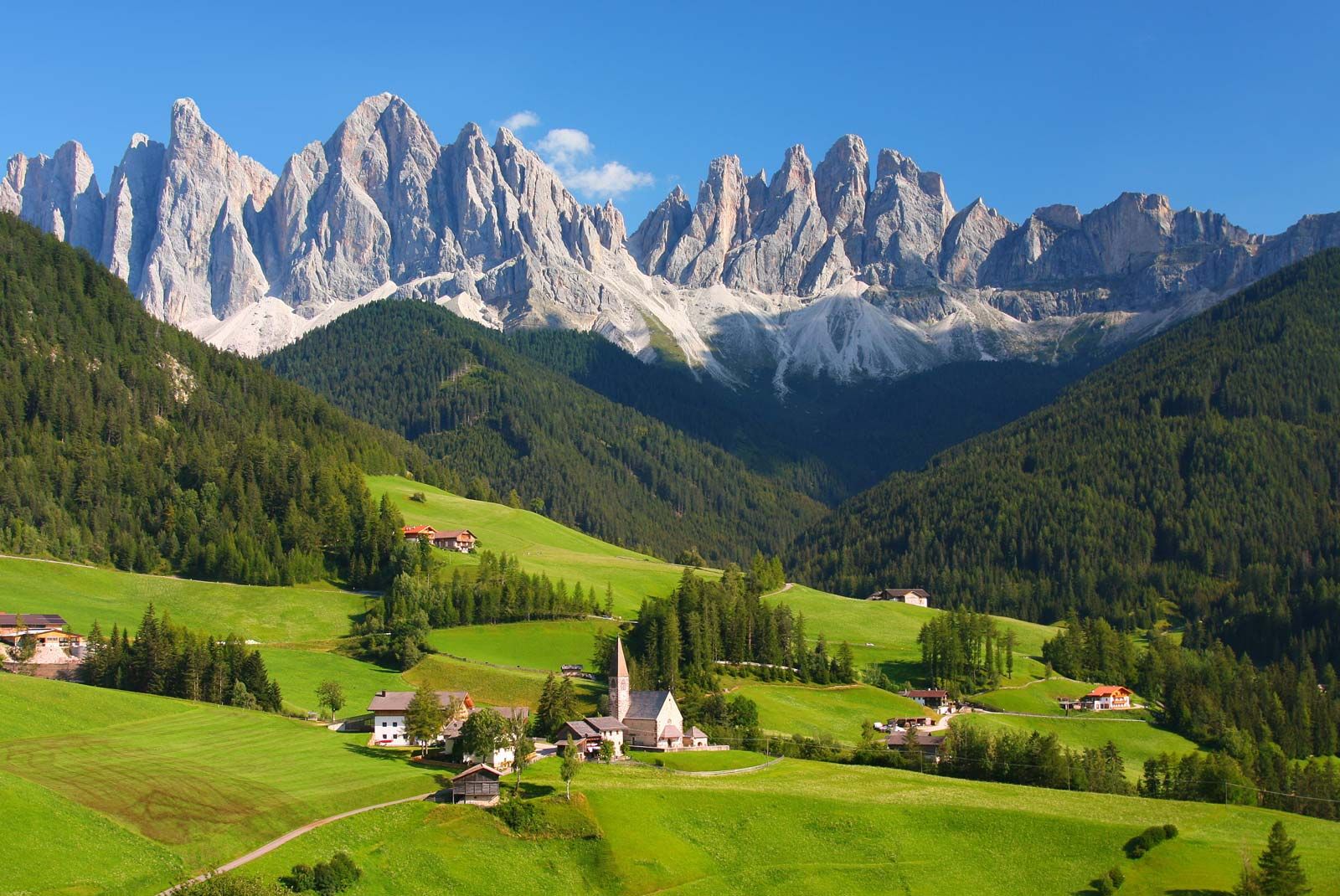
- Stunning Alpine Scenery: Dramatic peaks, luminous limestone formations, and picturesque valleys create an awe-inspiring landscape.
- Diverse Outdoor Activities: From hiking and climbing in the summer to skiing and snowboarding in the winter, there is something for every adventurer.
- Cultural and Historical Richness: A fusion of Italian and Austrian influences, evident in local traditions, cuisine, and architecture.
Introduction
Nestled in the heart of northeastern Italy, the Dolomites stand as an iconic mountain range renowned worldwide for their mesmerizing beauty and unique geological formations. This spectacular region, a part of the Italian Alps, spans across three regions—Trentino-Alto Adige, Veneto, and Friuli Venezia Giulia. Celebrated as a UNESCO World Heritage Site in 2009, the Dolomites encompass over 141,903 hectares of awe-inducing landscapes characterized by jagged peaks, serene alpine lakes, and verdant meadows. The Dolomites captivate nature lovers, adventure enthusiasts, and cultural historians alike, offering an exceptional blend of natural wonder and rich cultural heritage.
Geographical Overview and Geological Significance
Location and Extent
The Dolomites are located in northeastern Italy and extend over a vast area that includes portions of the provinces of Trentino-Alto Adige, Veneto, and Friuli Venezia Giulia. Their geographical significance is enhanced by their classification as part of the Southern Limestone Alps. In 2009, these majestic mountains gained the prestigious status of a UNESCO World Heritage Site, a recognition of their unique and exceptional natural beauty.
Unique Geological Features
Composed primarily of a distinctive type of limestone known as dolomite, named after the French mineralogist Déodat de Dolomieu, the mountains exhibit a unique pale, almost light-gray appearance. This geological characteristic contributes to the ethereal quality of the landscape, as the mountains shimmer in the varying light conditions, particularly during sunrise and sunset. One notable phenomenon associated with the Dolomites is the "enrosadira" or Alpenglow, where the cliff faces take on a pinkish hue as sunlight interacts with the mineral composition.
Formation and Natural History
The formation of the Dolomites dates back to the Mesozoic era when these regions were part of a tropical sea. Over millions of years, geological uplift and erosion sculpted these ancient limestone deposits into the dramatic spires and pinnacles that are recognized today. Their unique composition has not only attracted geologists and natural historians but also contributes significantly to the region's biodiversity. The interplay between the rugged rock faces, craggy peaks, and lush, forested valleys creates a dynamic ecosystem where flora and fauna adapt to extreme altitudes and climatic variations.
Climate and Best Times to Visit
Seasonal Variations
The Dolomites experience a diverse range of climatic conditions that change with the seasons, each offering distinct advantages to visitors. In the summer months, with mild temperatures and longer daylight hours, the region blossoms into vibrant meadows and thriving forests. This is the optimal time for hiking, mountain biking, and exploring the numerous trails that wind through the mountain passes.
During winter, thick layers of snow transform the Dolomites into a winter wonderland, making them one of the prime destinations for skiing and snowboarding. The renowned Dolomiti Superski area, one of the largest interconnected ski resorts globally, attracts enthusiasts looking for smooth slopes, powder snow, and well-maintained pistes. Seasonal changes not only dictate the outdoor activities available but also influence the local culture and festivities.
Optimal Travel Periods
For tourists aiming to experience the best of what the Dolomites have to offer, the late spring to early autumn period (June to September) is highly recommended. This period provides favorable weather conditions for trekking and sightseeing with fewer weather-related disruptions. However, for those passionate about winter sports, planning a visit during the winter season is ideal, as the road conditions and ski infrastructure are optimized for snow-related recreational activities.
Outdoor Activities and Attractions
Summer Adventures
Hiking and Trekking
Hiking trails crisscross the Dolomites, offering routes for both beginners and experienced hikers. Iconic trails such as the loop around Tre Cime di Lavaredo and the scenic paths on the Seceda Ridgeline present panoramic views of the towering peaks and endless valleys. These journeys not only connect hikers with the raw beauty of nature but also offer an opportunity to witness local flora and fauna in their natural habitat. Numerous mountain huts and refuges along these trails provide comfortable stops, offering hearty meals and a chance to rest amid the impressive surroundings.
Via Ferrata Climbing
For adventure seekers, via ferrata climbing presents a thrilling challenge that offers both excitement and a secure introduction to rock climbing on steep, rocky terrain. These fixed climbing routes, consisting of steel cables, ladders, and bridges, allow climbers to experience the sensation of scaling vertical walls while immersed in spectacular landscapes. This activity has gained popularity among those looking to combine the exhilaration of climbing with the safety of guided paths.
Mountain Biking and Paragliding
The varied terrain of the Dolomites makes it an ideal playground for mountain biking, with trails that wind through rugged paths and offer rewarding descents. Additionally, paragliding is another popular activity, providing a bird’s-eye view of the vast alpine expanse. Soaring above the mountains, enthusiasts can appreciate the expansive vistas and the interplay of light and shadow on the dramatically carved landscape.
Winter Sports and Activities
Skiing and Snowboarding
In the winter months, the Dolomites transform into one of the premier skiing and snowboarding destinations in Europe. The Dolomiti Superski area connects a network of ski resorts, offering over 1,200 kilometers of slopes that cater to all levels of expertise. The resorts are renowned for their reliable snowfall, modern facilities, and breathtaking scenery, which includes mountainous panoramas and well-groomed pistes that stretch across the rolling alpine terrain.
Snowshoeing and Winter Hiking
For those preferring a more tranquil winter experience, snowshoeing and winter hiking provide an intimate encounter with the snow-covered landscape. Trails are quieter in winter, allowing visitors to appreciate the stark beauty and peaceful ambiance of the snowy environment. This gentle activity, suitable for individuals and families alike, often leads to secluded viewpoints and pristine natural settings.
Water-Based Attractions
Lago di Braies
Among the many natural attractions in the Dolomites, Lago di Braies shines as one of the most iconic. Surrounded by towering mountain peaks and lush forests, this alpine lake is famed for its crystal-clear waters that mirror the spectacular scenery. The tranquil waters and serene environment have made Lago di Braies a favorite subject for photographers and artists, capturing the essence of alpine beauty in every frame.
Other Notable Destinations
In addition to Lago di Braies, the Dolomites boast a myriad of appealing sites. Tre Cime di Lavaredo, with its dramatic rock formations, stands as a symbol of the region’s grandeur. Seceda offers sweeping vistas of the surrounding mountain ranges, with its ridgeline providing one of the finest panoramic views in the area. Val Gardena, another jewel of the Dolomites, serves as a gateway to numerous outdoor adventures while offering authentic local experiences.
Cultural and Historical Insights
A Blend of Influences
The Dolomites are much more than just a natural wonder; they are also a cultural crossroads. The region’s diverse heritage is a product of its historical ties with both Italian and Austrian cultures. This dual influence is evident in the local language, traditions, culinary practices, and architectural styles that vary across the different valleys and towns. In many communities, residents speak both Italian and German, reflecting centuries of shared history and cultural exchange.
Historic Landmarks and War Heritage
Beyond its natural beauty, the Dolomites have a storied past marked by significant historical events. During World War I, these rugged hills were the site of fierce battles, and remnants of this era still dot the landscape. Open-air museums, preserved trenches, and memorials help visitors understand the wartime history of the region while offering a poignant reminder of its past. Historic sites such as the open-air war museums at Cinque Torri and on Monte Piana tell tales of resilience and sacrifice against a backdrop of stunning natural order.
Local Traditions and Festivals
The cultural fabric of the Dolomites is further enriched by local festivities and traditional events. Many villages host seasonal festivals celebrating local cuisine, craftsmanship, and music. These events showcase traditional dances, artisanal food, and historic costumes, providing visitors with an immersive cultural experience that fosters a deep connection to the region's heritage. Whether it is the celebration of local harvests or historical commemorations, each festival adds a unique layer to the vibrant cultural mosaic of the Dolomites.
Travel Logistics and Practical Information
Accessibility and Transportation
Accessing the Dolomites is relatively convenient due to well-developed transportation links. While the region's rugged terrain often necessitates a car for full exploration, there are also various public transportation options available. The principal international gateway is Venice Marco Polo Airport, which lies approximately three hours by car from popular destinations such as Lake Molveno. Other international airports including Verona and Innsbruck also service the region, allowing for a diversity of entry points.
Driving offers unparalleled flexibility, especially for those wishing to explore the lesser-known valleys and mountain passes at their own pace. For instance, scenic drives along routes like the Great Dolomite Road and through the Sella Pass provide awe-inspiring views and unforgettable travel experiences. Visitors who prefer not to drive can also benefit from organized tours and reliable local bus connections that link major attractions.
Accommodation Options
The Dolomites cater to a wide range of travelers with an array of accommodation options. Luxury hotels boasting panoramic views, quaint mountain chalets, and rustic rifugi (mountain huts) are interspersed throughout the region. These lodgings not only provide comfortable stays but also offer the opportunity to experience authentic local hospitality and cuisine. Staying in a rifugio, for instance, often comes with a chance to enjoy hearty traditional meals prepared with locally sourced ingredients, providing an intimate glimpse into regional culinary traditions.
Local Language and Cultural Etiquette
While Italian is the predominant language, many areas in the Dolomites are bilingual with German also being widely spoken. This linguistic duality is particularly evident in South Tyrol, where local customs and traditions are deeply intertwined with both Italian and Austrian cultural influences. Visitors are encouraged to learn a few basic phrases in both languages as a gesture of respect and to enrich their interactions with locals, who are typically warm and welcoming.
Exploring the Dolomites: Key Destinations
Iconic Natural Landmarks
The Dolomites are home to several landmarks that have become icons of alpine beauty. Below is a table highlighting some of the most renowned destinations within the region:
| Destination | Key Features | Popular Activities |
|---|---|---|
| Lago di Braies | Crystal-clear alpine lake surrounded by towering peaks | Photography, boating, leisurely walks |
| Tre Cime di Lavaredo | Iconic trio of towering limestone peaks | Hiking, rock climbing, scenic viewpoints |
| Seceda | Rugged ridgelines offering expansive panoramic views | Hiking, mountain biking, via ferrata |
| Val Gardena | Picturesque valley blending natural beauty with cultural heritage | Skiing, hiking, local festivals |
| Alpe di Siusi | Europe's largest high-altitude alpine meadow | Hiking, cycling, winter sports |
Each destination provides its own set of adventures and memories, ensuring that every visit to the Dolomites is filled with discovery and wonder.
Lesser-Known Gems
Beyond the well-known sights, the Dolomites harbor many hidden treasures waiting to be explored. Remote valleys, secluded waterfalls, and off-the-beaten-path hiking trails offer solitude and pristine natural settings. These lesser-known gems provide travelers with an opportunity to connect deeply with nature, often away from the more crowded tourist spots. Whether it is an impromptu stop at a quiet rifugio or an unexpected encounter with local wildlife, these moments enrich the overall experience of visiting this majestic range.
Local Cuisine and Gastronomy
A Culinary Journey
The culinary landscape in the Dolomites is as captivating as its natural scenery. The region's cuisine is a harmonious blend of Italian artistry and Austrian heartiness, resulting in a variety of dishes that are both flavorful and authentic. Locals pride themselves on using fresh, locally sourced ingredients, ranging from alpine cheeses and cured meats to seasonal vegetables and freshly baked breads.
Signature Dishes and Delicacies
Visitors can savor traditional dishes that have been passed down through generations. One such dish is canederli (dumplings usually served in broth or with melted butter and cheese), which exemplifies the region’s culinary heritage. Pasta dishes infused with local mushrooms, game, and rich sauces also feature prominently in the local food culture. Meanwhile, the art of baking in the alpine style, including sweet treats and hearty breads, reflects the enduring traditions and resourcefulness of mountain communities.
Economic and Environmental Impact
Tourism and Local Economy
The influx of international visitors to the Dolomites plays a critical role in the local economy. Tourism has spurred development and investment in infrastructure, environmental conservation, and community services. Local artisans, restaurateurs, and tour operators depend on the steady stream of visitors who come to marvel at the natural beauty and cultural heritage preserved over centuries. Sustainable tourism practices have been adopted by many communities to ensure that the high volume of tourism does not negatively impact the fragile mountain ecosystem.
Environmental Conservation Efforts
Recognizing the ecological significance of the Dolomites, local governments and communities have implemented rigorous conservation measures to preserve this natural treasure. Efforts range from maintaining sustainable hiking trails and waste management regulations to promoting eco-friendly transportation options. The delicate balance between tourism and conservation is continuously monitored, ensuring that the unique landscapes are protected for future generations. These initiatives underscore a broader commitment to environmental stewardship that is vital in a time when natural habitats face increasing pressures.
Future Perspectives and Challenges
Balancing Tourism and Sustainability
As global travel continues to grow, the Dolomites face the challenge of balancing booming tourism with the need for sustainable environmental practices. Communities are actively engaged in planning measures that both support economic development and protect the fragile mountain ecosystems. Innovative strategies include promoting off-peak travel, increasing the capacity of eco-friendly accommodations, and implementing advanced waste management systems. This balanced approach ensures that the Dolomites remain a treasured destination without compromising the natural beauty that defines them.
Adapting to Climate Change
The effects of climate change present concerns for high-altitude regions like the Dolomites. Shifts in weather patterns, altering snowfall, and melting glaciers are challenges that require ongoing scientific research and adaptive management practices. Stakeholders in the region are investing in research and collaborating with environmental experts to mitigate these impacts. Long-term strategies include the development of climate-resilient infrastructure and ongoing monitoring of natural indicators, ensuring that the region's environment can adapt sustainably in the face of changing climatic conditions.
Conclusion and Final Thoughts
The Dolomites stand as one of Italy's most mesmerizing regions, where nature, history, and culture create a tapestry of experiences that captivate the hearts of all who visit. From the light-reflecting limestone peaks to the ancient trails that wind through lush meadows, the region offers an unparalleled mix of dramatic landscapes and timeless traditions. Outdoor enthusiasts can revel in activities ranging from exhilarating hikes and via ferrata climbs to peaceful moments by iconic lakes like Lago di Braies. Winter brings its own magic, transforming the mountains into a snowy paradise perfect for skiing and winter sports.
Beyond the natural beauty lies a deep cultural heritage marked by a blend of Italian and Austrian influences, a legacy that is evident in the local language, cuisine, and traditions. Historical landmarks and remnants of wartime history add a poignant layer of narrative that enriches a visit to the Dolomites. Whether exploring well-trodden paths or venturing into lesser-known valleys, the Dolomites offer a journey that touches every sense and resonates with a spirit of adventure and timeless appeal.
Looking ahead, the region faces both opportunities and challenges in maintaining its natural splendor. Balancing tourism with sustainability and adapting to changes in climate are essential to preserving the unique character of the Dolomites for future generations. Through mindful planning, community engagement, and the continued support of eco-friendly initiatives, the Dolomites are poised to remain a cherished destination that reflects the delicate harmony between human enterprise and natural beauty.
References
- Moon & Honey Travel - MoonHoneyTravel
- Guide to the Italian Dolomite Mountains - Tripsavvy
- Dolomites Exploration - Rick Steves
- Best Places in the Dolomites - Full Suitcase
- Dolomites Travel Guide - Travel and Leisure
Recommended


Last updated February 21, 2025