
Conquering the Gym: Strategies for Assertiveness and Success
Transforming Gym Anxiety into Confident Workouts and Personal Dominance
Stepping into a gym, especially for the first time or after a long break, can often feel overwhelming, a phenomenon widely known as "gymtimidation." This feeling stems from various insecurities, including the fear of being judged, uncertainty about using equipment, or simply feeling out of place among more experienced individuals. However, the gym is a vital space for physical and mental well-being, and overcoming this initial apprehension is crucial for achieving your fitness goals. This guide will provide comprehensive strategies to not only alleviate gym anxiety but also empower you to confidently dominate your workouts and make the gym a place of personal growth and achievement.
Key Takeaways for Gym Confidence
- Preparation is Paramount: Knowing your workout plan, familiarizing yourself with the gym layout, and dressing comfortably can significantly reduce anxiety and build confidence.
- Focus on Your Journey: Remember that most people at the gym are engrossed in their own routines. Shifting your focus inward, setting personal goals, and tracking your progress can help you ignore perceived judgments and embrace your fitness path.
- Leverage Support and Strategy: Utilizing resources like personal trainers, workout buddies, and strategic timing (avoiding peak hours) can provide the guidance and comfort needed to overcome initial fears and establish a consistent routine.
Understanding "Gymtimidation" and Its Impact
The Roots of Gym Anxiety
"Gymtimidation" is a common experience, affecting a significant portion of individuals, with some surveys indicating that up to 50% of respondents struggle with it. It's officially described as the fear of exercising at the gym or in front of other people. This anxiety often arises from a fear of the unknown, self-consciousness about body image, or a worry about performing exercises incorrectly. Even seasoned gym-goers can experience this when trying a new facility or a different area of the gym.
The feeling of being watched or judged by others who seem "fitter" or "more knowledgeable" is a primary trigger. This can lead to individuals ending sessions early, skipping workouts entirely, or even letting their memberships lapse, ultimately hindering their health and fitness aspirations.
Common Triggers of Gymtimidation
- Fear of Judgment: Believing that others are scrutinizing your body, technique, or effort.
- Lack of Knowledge: Uncertainty about how to use equipment or perform exercises correctly.
- Feeling Out of Place: Perceiving the gym as an exclusive space for already fit individuals.
- Crowds: Overwhelm from too many people and competition for equipment.
Strategic Approaches to Overcome Gymtimidation
Preparation and Planning: Your First Line of Defense
One of the most effective ways to combat gym anxiety is to arrive prepared. A clear "game plan" eliminates the uncertainty that often fuels intimidation. Researching the facility, taking a tour, and even asking questions about equipment or classes beforehand can significantly boost your confidence.
Before your workout, plan your exercises, sets, and reps. Many resources, including online guides and personal trainers, can help you create a suitable routine. Knowing exactly what you intend to do helps you focus on your task rather than on your surroundings or other people.
Comfortable attire also plays a crucial role. Opt for workout gear that makes you feel confident and allows for unrestricted movement, rather than choosing clothes based on what seems popular or revealing. When you feel good in what you're wearing, you can better focus on your workout.
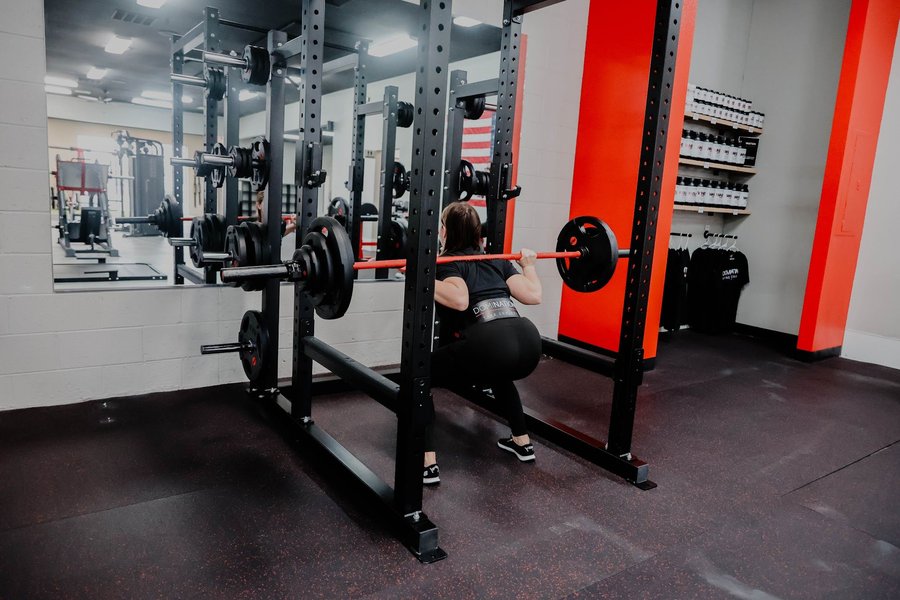
Mindset Shifts and Self-Focus
Changing your perspective is key to transforming your gym experience from intimidating to empowering. Most people at the gym are focused on their own fitness journeys and are not paying close attention to others. Remind yourself that everyone started somewhere, even the most experienced lifters.
Set clear, achievable goals, both large and small. Focusing on reaching these personal milestones can divert your attention from external anxieties. Tracking your workouts, whether through a journal or an app, provides tangible proof of your progress and helps ascertain your "levels of dominance" as you see improvements in strength, endurance, or technique.
Listening to your favorite music or a podcast can create a personal bubble, further helping you to tune out distractions and focus on your workout. This can make the gym feel less crowded and more like your own private space.
Cultivating an Inner Focus Radar Chart
To illustrate how focusing on different aspects of your gym experience can help overcome intimidation and foster a sense of "domination," here is a radar chart. This chart represents how various strategies contribute to your overall confidence and control within the gym environment.
This radar chart visually represents how key strategies can shift your experience from being dominated by anxiety to confidently dominating your gym sessions. The "Impact of Overcoming Gymtimidation" dataset shows high scores across all aspects, indicating that effective strategies lead to increased self-confidence, better goal focus, and overall comfort. In contrast, "Feelings of Initial Gymtimidation" shows lower scores in areas like preparation and confidence, but higher in "Ignoring Others" (due to a perception of others judging you), highlighting the areas most affected by anxiety.
Leveraging External Support and Practical Hacks
Don't hesitate to seek help. Booking a gym induction or working with a personal trainer can provide invaluable guidance on proper form and equipment usage. This direct instruction can alleviate fears of "doing it wrong." Many gyms offer free introductory sessions for new members.
The "buddy system" is another excellent strategy. Working out with a friend can provide accountability, shared motivation, and a sense of comfort. Even if they only come for one session, having someone with you can make the initial visit less daunting.
Timing your visits to avoid peak hours can also make a significant difference. Gyms are typically most crowded between 5-7 a.m., noon, and after 4 p.m. Visiting during off-peak times can reduce the feeling of being watched and make equipment more accessible. You can often ask the front desk about their peak hours.
If gym anxiety remains a persistent barrier, consider starting with at-home workouts. Bodyweight exercises, online fitness classes, or even creating a small home gym can help build strength and confidence before transitioning to a public facility. This allows you to focus on form and build a routine in a comfortable, judgment-free environment.
Embracing Group Fitness and New Challenges
Group fitness classes can be an excellent way to ease into the gym environment. They offer structured workouts under the guidance of an instructor, often in a mixed-ability group, which can reduce self-consciousness. It's also an opportunity to discover what types of exercise you enjoy, from Zumba to Pilates or more intense cardio and strength classes. The communal aspect can also foster a sense of belonging.
To further enhance your gym confidence and "dominate" your workouts, understanding effective exercise strategies is vital. This YouTube video shares tips for beginners to successfully approach their workouts:
This video provides actionable advice for beginners, aligning with the goal of overcoming initial hurdles and taking control of your fitness journey. It reinforces the idea that strategic preparation and a focused mindset are crucial for success in the gym.
Gym Etiquette and Building a Positive Environment
Becoming a "Dominant" Gym-Goer
While "domination" in the gym often refers to excelling in your personal fitness, it also encompasses being a courteous and respectful member of the gym community. Practicing good gym etiquette not only makes the environment better for everyone but can also boost your own confidence as you feel more in control and integrated.
Essential Gym Etiquette for a Confident Experience
| Etiquette Rule | Description | Benefit for "Dominance" |
|---|---|---|
| Rerack Your Weights | Always return dumbbells, barbells, and plates to their designated spots after use. | Shows respect, keeps the gym tidy, and earns respect from others. |
| Clean Up After Yourself | Wipe down machines and benches after use, especially if you've been sweating. | Maintains hygiene for all users and promotes a pleasant environment. |
| Share Equipment | Be mindful of others waiting for equipment. Offer to "work in" if someone is waiting. | Demonstrates consideration and efficiency, reducing potential conflict. |
| Mind Your Space | Be aware of your surroundings and avoid blocking pathways or mirrors. | Prevents accidents and ensures smooth movement for everyone. |
| Respect Others' Focus | Avoid loud conversations, unsolicited advice, or hitting on people. Most are there to focus. | Contributes to a focused atmosphere, making it easier for you to concentrate too. |
| Dress Appropriately | Wear comfortable, respectful workout attire. | Enhances your comfort and helps you feel more at ease in the environment. |
| Don't Hog Equipment | Avoid resting for extended periods on machines or benches, especially if the gym is busy. | Maximizes equipment availability for all, reflecting a considerate attitude. |
Adhering to these rules shows professionalism and respect, which in turn reduces the likelihood of negative interactions and contributes to your feeling of belonging and confidence within the gym space. Being a "lifter you'd lift with" fosters a positive community atmosphere.
Long-Term Strategies for Sustainable Gym Confidence
Consistency and Progressive Overload
Consistency is paramount for long-term fitness success and overcoming intimidation. Aim for at least 12 workouts in your first month to establish a routine. Regular attendance builds familiarity and makes the gym feel less alien. Don't try to "conquer the world in one day." Start short, small, and light with what you can handle, focusing on good form over heavy weights initially. Overstretching your goals can lead to burnout or injury, which can be discouraging.
Progressive overload, gradually increasing the demands on your body, is essential for continued growth. This doesn't just mean lifting heavier; it can also involve increasing reps, sets, reducing rest times, or improving technique. Tracking your workouts helps you monitor this progress and reinforces your sense of achievement.
The Importance of Rest and Recovery
While dominating your workouts implies pushing yourself, effective recovery is just as crucial. Adequate sleep allows for muscle repair and energy replenishment. Incorporate rest days into your schedule, as muscles need time to grow and adapt. Over-training can lead to fatigue, injury, and demotivation.
Embrace the Journey and Celebrate Small Wins
Overcoming gym intimidation, like any health and fitness goal, is a process that takes time. Embrace how you are feeling and recognize that it's normal to feel apprehensive. The more you expose yourself to the gym environment, even in small increments, the more your self-confidence will grow. Focus on your personal journey, celebrate every small victory—whether it's trying a new machine, increasing a weight, or simply showing up—and remember that you are doing this for yourself.
Ultimately, true "domination" in the gym is about taking control of your fitness journey, overcoming personal barriers, and fostering a confident, consistent approach to your health. It's less about out-lifting others and more about out-doing your former self.
Frequently Asked Questions
How can I deal with the fear of being judged at the gym?
What should I do if I don't know how to use the gym equipment?
Is it better to go to the gym during off-peak hours?
How can I stay motivated to keep going to the gym?
Conclusion
Overcoming gym intimidation is a journey of self-discovery and empowerment. By strategically preparing your workouts, shifting your mindset to focus on personal goals, leveraging support systems, and practicing good gym etiquette, you can transform feelings of apprehension into a powerful sense of control and confidence. Remember that every person in the gym, regardless of their current fitness level, once started as a beginner. Embrace your unique fitness path, celebrate each step of progress, and you will undoubtedly "dominate" your gym experience, not just in terms of physical strength but in mental resilience and self-assurance.
Recommended Further Reading
- Effective strategies for overcoming gym anxiety.
- Best workout routines for gym beginners.
- The psychology of fitness and self-confidence.
- Maximizing gym efficiency with proper etiquette.
References
Last updated May 21, 2025