
Completing the Dossier for ARH Compliance
A Comprehensive Guide to Satisfy the Requirements of Executive Decree No. 21-261
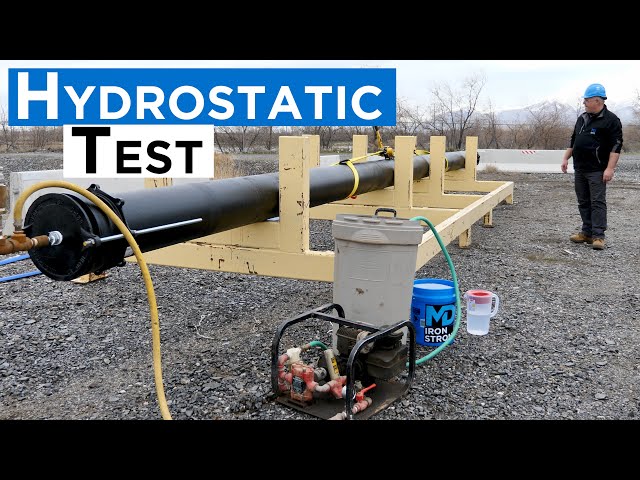
Key Highlights
- Understanding Requirements: Identify and review the specific obligations stated in Article 93 of Executive Decree No. 21-261.
- Document Preparation: Prepare a detailed site test procedure that includes both hydrostatic and dielectric testing of equipment.
- Consultation and Submission: Engage with the ARH for technical guidance, complete the dossier, and submit the updated documents for review.
Introduction
In accordance with the recent directives outlined in Executive Decree No. 21-261, specifically Article 93, the Autorité de Régulation des Hydrocarbures (ARH) requires a complete and compliant dossier that includes a comprehensive site test procedure. The decree focuses on ensuring the safety and operational integrity of pressurized equipment (PE) and electrical equipment at hydrocarbon facilities in Algeria. A critical component in meeting these standards is submitting an updated dossier that satisfies all technical and procedural requirements mandated by the ARH.
Overview of Executive Decree No. 21-261, Article 93
Executive Decree No. 21-261, issued on June 13, 2021, marks a significant regulatory's milestone aimed at safeguarding operations in the hydrocarbons sector. Article 93 of this decree lays out the necessity for a fully developed dossier that must include a robust site test procedure. This procedure is essential not only to document the technical safety and readiness of the installation but also to demonstrate compliance with the standards set for both pressurized and electrical equipment.
Key Elements of the Decree
Pressurized Equipment (PE)
The decree requires that any installation comprising pressurized equipment must undergo strict hydrostatic testing. This test is intended to:
- Validate the mechanical integrity of the storage installations.
- Simulate operational stresses to check for leaks or potential failures in the pressure vessels.
- Ensure that the systems can safely handle the designated working pressures.
Electrical Equipment
For on-site assembled electrical equipment, the decree mandates dielectric tests. These tests are conducted under the supervision of the ARH or its designated representatives to:
- Assess the insulation resistance and ensure there is no unintended conductivity which can lead to hazardous conditions.
- Confirm that the equipment is safe for operational deployment.
- Maintain uniform standards across all installations within the hydrocarbons sector.
Steps to Complete the Dossier
Since the dossier submitted was incomplete, it is essential to update and expand the documents to clearly adhere to the requirements of Executive Decree No. 21-261. Below is a structured roadmap detailing the proposed steps:
| Step | Action | Outcome |
|---|---|---|
| 1. Documentation Review |
Obtain and thoroughly review the complete text of Executive Decree No. 21-261, focusing on Article 93. Identify all technical and procedural requirements regarding site test procedures for both pressurized and electrical equipment. |
Clear understanding of regulatory obligations. |
| 2. Assemble Detailed Procedures |
For Storage Installations:
For Electrical Equipment:
|
A complete and methodologically sound testing plan. |
| 3. Identify Missing Dossier Components |
Conduct an internal audit to pinpoint any discrepancies or missing documents that are essential to the complete dossier. |
A checklist of required documents ensuring all elements of the decree are addressed. |
| 4. Consult with ARH Representatives |
Schedule consultations with ARH technical advisors to discuss and clarify any uncertainties regarding the procedural requirements. |
Ensure that all planned testing procedures and documentation meet the ARH’s technical standards. |
| 5. Implement Quality Control Measures |
Establish a system for reviewing and cross-verifying the completeness and accuracy of the technical documentation. |
Enhanced reliability and compliance of the dossier. |
| 6. Finalize and Submit the Dossier |
Compile the updated site test procedure and other supporting documents into a comprehensive dossier. Submit the dossier to ARH for review and approval. |
Regulatory submission that adheres to the Executive Decree and ARH guidelines. |
In-depth Analysis of the Testing Procedures
To better understand how the testing procedures should be structured within the dossier, here is a detailed analysis of both the hydrostatic and dielectric test procedures.
Hydrostatic Testing of Pressurized Equipment
Hydrostatic testing is widely recognized as a primary method for verifying the integrity of pressure-containing systems. For your storage installations, the procedure must:
Designing the Test
The test should replicate or exceed the maximum operating pressure of the storage system. This often involves calculating specific pressures and defining safety margins. Key elements to consider include:
- Test Pressure: Typically set at a certain percentage above the normal operating pressure.
- Duration of Test: Sufficient time to identify any potential leaks or deformations.
- Temperature Conditions: Ensuring tests are conducted under controlled environment parameters to avoid skewed outcomes.
Procedure Documentation
The hydrostatic test procedure should be elaborated with a detailed methodology that includes:
- A step-by-step guide on the preparation phase, including pre-test inspections and equipment calibration.
- The operational steps during the test, focusing on pressure application, monitoring, and data logging.
- A post-test analysis section discussing the criteria for success as well as potential remedial actions in case of anomalies.
Dielectric Testing for On-site Assembled Electrical Equipment
Dielectric testing is critical to ensure the electrical insulation of equipment meets the national and international standards. The procedure should cover:
Safety and Equipment Setup
Establish a safe working environment prior to initiating dielectric tests. This involves ensuring that:
- All personnel involved in the testing are regularly trained in safety protocols.
- The test equipment is properly calibrated and maintained.
- Appropriate personal protective equipment (PPE) is utilized to safeguard against electrical hazards.
Testing Procedure and Protocols
The dielectric test procedure should detail:
- The application of a high-voltage stress across the equipment to measure insulation resistance.
- Visual and instrument-based inspections of the electrical connections and isolations.
- A detailed log and reporting format to record test results and any noted deficiencies.
These tests, conducted under the direct oversight of ARH or their representatives, guarantee that on-site assembled electrical systems adhere to the applicable safety and quality standards.
Addressing the Incompleteness of the Dossier
Given that your current dossier has been identified as incomplete, it is imperative to proceed with a structured approach. Below are some key steps for addressing and rectifying the gaps:
Gap Analysis and Documentation Update
Start with a meticulous review of the existing dossier to pinpoint specific omissions. This might involve:
- Verifying that all required sections are present, particularly the detailed site test procedures for both PE and electrical equipment.
- Ensuring that the hydrostatic test procedure includes all necessary safety margins and conditions as required by the decree.
- Confirming the inclusion of standardized dielectric test procedures, along with appropriate safety and operational protocols.
Consultation and Technical Validation
Engaging with ARH technical representatives is crucial for both clarifying ambiguous requirements and validating the updated procedures. This interaction can yield:
- Feedback on the comprehensiveness and clarity of your testing methodologies.
- Recommendations to refine the procedures for better alignment with the ARH’s expectations.
- Potential identification of additional data or technical parameters that need to be documented.
Maintaining a transparent and open line of communication with the ARH throughout the update process ensures that the final dossier is robust and fully compliant.
Quality Control and Final Review
Implement a formal quality control phase where you cross-check each component of the dossier. This can be achieved by:
- Using a standardized checklist that confirms the presence and adequacy of each required document, as specified in the decree.
- Ensuring that all test procedures are described in sufficient detail and include clear, measurable parameters.
- Assigning a dedicated team to perform an internal review which could simulate the ARH review process.
By instituting a rigorous review process, you minimize the risk of further non-compliance issues and streamline the eventual submission to the ARH.
Technical and Procedural Considerations
Beyond developing the testing procedures, it is vital that your dossier effectively communicates all technical aspects in a clear and organized manner. Consider the following points:
Detailed Test Procedure Documentation
In addition to the standard hydrostatic and dielectric tests, your documentation should include:
- Diagrams and Schematics: These visual aids provide clarity on the testing setup, equipment connections, and safety checkpoints.
- Test Data Formats: Clearly defined formats for recording test parameters, results, and safety observations.
- Contingency Procedures: Plans for remedial actions if tests indicate equipment failure or inadequate safety margins.
Interfacing with Regulatory Bodies
A critical part of the dossier is ensuring its alignment with regulatory bodies. To do this:
- Outline the method for submitting test results, including formats, required signatures, and the chain of custody for documents.
- Detail the process for re-assessment if initial tests do not meet ARH's requirements.
- Include a timeline and contact information for ARH representatives to troubleshoot any discrepancies during the review process.
This level of detail not only satisfies regulatory scrutiny but also reinforces the reliability and technical depth of your submitted procedures.
Implementing Improvements and Future Steps
Once the dossier has been updated to fully comply with the decree, consider implementing continuous improvement strategies to ensure that future inspections or modifications adhere to evolving safety standards:
Regular Review and Updates
Regulations and standards within the hydrocarbons sector can evolve. It is advisable to institute:
- Regular internal audits of testing procedures to ensure ongoing compliance with ARH guidelines.
- Workshops and training sessions for the technical team to stay updated on best practices and procedural advancements.
- Periodic consultations with ARH representatives to discuss future changes or emerging technologies that may impact testing methodologies.
Digital Documentation and Record Keeping
Transitioning to a digital documentation system can further enhance compliance:
- Adopt digital record keeping for all test procedures, including timestamped logs and secure backups.
- Utilize electronic signatures and standardized digital forms to streamline submission protocols.
- Integrate digital analysis tools that can automate data collection and flag discrepancies in real-time during tests.
Conclusion and Final Thoughts
To resolve the issue of an incomplete dossier as flagged by the ARH, it is essential to revisit and thoroughly update your documentation in accordance with the detailed requirements in Executive Decree No. 21-261, Article 93. Begin by carefully reviewing the decree and clearly mapping out the technical and procedural demands for both hydrostatic and dielectric tests. By developing a comprehensive and structured site test procedure that adheres strictly to these requirements, you will not only satisfy regulatory conditions but also demonstrate a proactive commitment to safety and quality.
The steps outlined in this guide—from performing a gap analysis, updating detailed test procedures, to establishing a robust submission and quality control process—are designed to ensure that your dossier is technically sound and thoroughly compliant. Additionally, by engaging in ongoing dialogue with ARH representatives and integrating digital documentation practices, you reduce the risk of future non-compliance and promote a culture of continuous improvement.
Ultimately, your objective is to build a dossier that is both comprehensive and reflective of the high standards required in the hydrocarbons sector. This proactive, detailed approach will pave the way for smoother regulatory approvals and enhanced operational safety.
References
- Decret 21-261 English Version - Scribd
- Decret Executif n° 21-261 - Scribd
-
Décret Exécutif N° 21-261 - ARH
- F2021063 - Journal officiel français
Recommended Additional Queries
Last updated February 24, 2025