
Navigating DOT Compliance: Understanding Service Agent Responsibilities in Drug and Alcohol Testing
A Comprehensive Guide to 49 CFR Part 40 and Random Testing Protocols
Key Insights into DOT Drug and Alcohol Testing
- No, service agents are not ultimately responsible for random drug and alcohol testing of pooled carrier drivers. While they facilitate the process, the ultimate responsibility for compliance with 49 CFR Part 40 remains with the employer.
- 49 CFR Part 40 is the overarching DOT-wide regulation that dictates the procedures for all drug and alcohol testing within the federally regulated transportation industry. It applies universally across various DOT agencies.
- Random testing is a critical component of DOT drug and alcohol programs, designed to deter substance misuse and ensure the safety of transportation employees, particularly those in safety-sensitive positions like CDL drivers.
The landscape of drug and alcohol testing in the transportation industry is governed by a robust framework of regulations, primarily anchored by the Department of Transportation's (DOT) 49 CFR Part 40. This comprehensive rule outlines the mandatory procedures for conducting workplace drug and alcohol tests for safety-sensitive employees across various transportation sectors, including trucking, aviation, rail, and transit. Its core purpose is to foster a drug and alcohol-free transportation environment, thereby enhancing public safety.
While employers often enlist the help of "service agents" to manage various aspects of their drug and alcohol testing programs, understanding the precise division of responsibility is crucial. This detailed explanation will delve into the roles of both employers and service agents, with a specific focus on random drug and alcohol testing for pooled carrier drivers under the guidelines of 49 CFR Part 40.
The Foundation: 49 CFR Part 40 Explained
The Cornerstone of Transportation Safety
49 CFR Part 40 is much more than just a set of rules; it's the procedural backbone for drug and alcohol testing programs mandated by all DOT agencies. Enacted as a direct result of the Omnibus Transportation Employee Testing Act of 1991, this regulation ensures consistency and fairness in testing across the federally regulated transportation industry. It specifies the "how-to" for conducting tests, from specimen collection to laboratory analysis and the reporting of results. This includes detailed provisions on who is subject to testing, the types of tests required, and the protocols for returning employees to safety-sensitive duties after a violation.
The regulation also places significant emphasis on confidentiality, safeguarding individual test-related information. It dictates the five panel drugs for which tests are required: marijuana, cocaine, amphetamines, phencyclidine (PCP), and opioids. Whether an employee falls under Federal Aviation Administration (FAA) rules or Federal Motor Carrier Safety Administration (FMCSA) rules, the procedures outlined in Part 40 apply to their testing process.
The Crucial Role of Safety-Sensitive Positions
The regulations apply specifically to employees in "safety-sensitive positions," roles where drug or alcohol impairment could lead to serious safety risks for the public. For instance, commercial driver's license (CDL) holders operating commercial motor vehicles (CMVs) are a prime example of such positions. The goal is to ensure that individuals performing these critical functions are fit for duty and not under the influence of prohibited substances.
Unpacking Service Agent Responsibilities in Random Testing
Are Service Agents Responsible for Random Drug and Alcohol Testing of Pooled Carrier Drivers?
To directly answer the question: No. Service agents are not ultimately responsible for the random drug and alcohol testing of pooled carrier drivers. While service agents play a pivotal role in facilitating and administering aspects of the drug and alcohol testing program, the ultimate legal responsibility for compliance with 49 CFR Part 40 and other applicable DOT agency regulations (like FMCSA's 49 CFR Part 382 for motor carriers) rests squarely with the employer.
This is a critical distinction emphasized throughout DOT regulations. Employers cannot delegate their fundamental responsibility to ensure compliance, even when utilizing third-party services. If a violation occurs due to a service agent's non-compliance, the employer can still be subject to sanctions by a DOT agency.
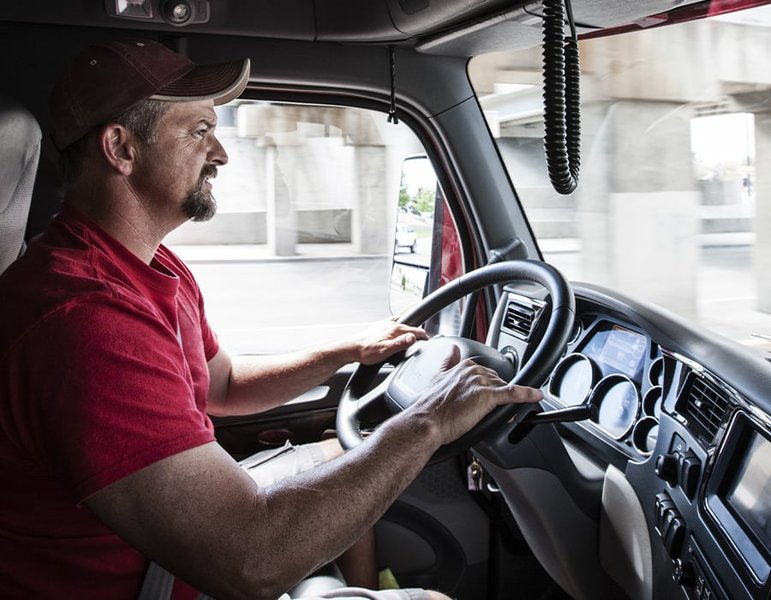
A truck driver participates in a random drug test, a standard procedure under DOT regulations to ensure roadway safety.
The Role of Service Agents
Service agents are individuals or entities, not direct employees of the motor carrier, who assist in implementing the DOT/FMCSA drug and alcohol testing regulations. These can include:
- Urine collectors: Professionals trained to collect specimens according to Part 40 procedures.
- Breath Alcohol Technicians (BATs) / Screening Test Technicians (STTs): Individuals qualified to conduct alcohol tests.
- Laboratories: Certified facilities that analyze specimens for the presence of prohibited substances.
- Medical Review Officers (MROs): Licensed physicians who review and interpret drug test results, ensuring accuracy and determining if there are legitimate medical explanations for positive results.
- Substance Abuse Professionals (SAPs): Qualified professionals who evaluate employees who have violated DOT drug and alcohol regulations and recommend education, treatment, and follow-up testing.
- Consortium/Third-Party Administrators (C/TPAs): Firms that coordinate a wide range of drug and alcohol testing services for employers, often managing random testing pools.
While a C/TPA might handle the random selections, maintain records, and coordinate testing, they do so on behalf of the employer. The employer must ensure that the service agent is operating in full compliance with all applicable requirements and procedures of 49 CFR Part 40 and Part 382.
Random Testing Pools and Employer Responsibilities
Random testing is a key deterrent. Drivers subject to DOT testing programs are selected through a scientifically valid method, such as a random number generator, from a pool of eligible employees. For owner-operators or small carriers, joining a consortium is often essential to meet random testing requirements, as they must be part of a pool with other covered employees.
Crucially, non-CDL drivers or employees not covered by DOT agency regulations cannot be included in the same random testing pool as DOT-covered employees. If a service agent manages a combined pool for multiple DOT-regulated companies, they must ensure testing is conducted at the highest rate required for any DOT-regulated company within that pool. The employer remains responsible for verifying that the service agent adheres to the appropriate percentage established for their industry and that only safety-sensitive employees are in the DOT random testing pool.
The Employer's Non-Delegable Duties
Even with the use of service agents, employers retain several non-delegable responsibilities, including:
- Ensuring all testing conducted complies with 49 CFR Part 40 and applicable DOT agency regulations.
- Maintaining records and managing the overall drug and alcohol testing program.
- Removing employees from safety-sensitive duties immediately upon a positive test result or refusal to test.
- Ensuring employees who violate regulations complete the return-to-duty process with a qualified Substance Abuse Professional (SAP) before resuming safety-sensitive duties.
- Reporting drug and alcohol violations to the FMCSA Drug and Alcohol Clearinghouse within three days (for FMCSA-regulated employers).
The Department of Transportation's Office of Drug and Alcohol Policy and Compliance (ODAPC) provides comprehensive guidance to employers, emphasizing the importance of understanding their direct responsibilities when engaging with service agents.
Types of DOT Drug and Alcohol Tests
Ensuring Continuous Safety
Beyond random testing, DOT regulations mandate several other types of drug and alcohol tests to ensure continuous safety in transportation. These include:
- Pre-employment testing: A negative drug test result is required before a CDL driver can operate a CMV.
- Post-accident testing: Required after crashes meeting specific criteria (e.g., fatality, driver citation for fault). Alcohol tests must be completed within 8 hours, and drug tests within 32 hours.
- Reasonable suspicion testing: Administered when a trained supervisor observes specific, articulable behaviors or appearances indicating drug or alcohol use while on duty.
- Return-to-duty (RTD) testing: A negative drug and/or alcohol test is required after a driver has violated a DOT drug and alcohol regulation and completed the SAP-recommended treatment and education.
- Follow-up testing: Unannounced tests required for a period of up to 5 years after an employee returns to duty following a violation.
This multi-faceted approach to testing aims to deter substance abuse and ensure that all individuals in safety-sensitive positions are fit to perform their duties safely.
Understanding Random Testing Rates
Current Requirements and Future Projections
The minimum annual percentage rates for random drug and alcohol testing are established by DOT agencies and can change based on violation rates. As of 2025, the minimum annual percentage rate for random alcohol testing for FMCSA-regulated drivers is 10%, while the rate for random controlled substance testing is 50%.
These rates are subject to adjustment. For instance, if the violation rate for alcohol testing increases, the FMCSA Administrator may increase the minimum annual percentage rate for alcohol testing.
| Aspect | Description |
|---|---|
| Governing Regulation | 49 CFR Part 40 (DOT-wide procedural rule); specific agency regulations (e.g., 49 CFR Part 382 for FMCSA) |
| Covered Employees | Those in safety-sensitive positions (e.g., CDL drivers, airline pilots, train operators) |
| Drugs Tested (5-Panel) | Marijuana, Cocaine, Amphetamines, Phencyclidine (PCP), Opioids |
| Types of Tests | Pre-employment, Post-accident, Random, Reasonable Suspicion, Return-to-Duty, Follow-up |
| Random Testing Rate (2025 FMCSA) | Controlled Substances: 50% annually; Alcohol: 10% annually |
| Employer Responsibility | Ultimate compliance responsibility; cannot be delegated to service agents |
| Role of Service Agents | Facilitate testing, manage pools, perform collections/analyses, but do not assume ultimate employer responsibility |
| Consequences of Violation | Immediate removal from safety-sensitive duties, required SAP evaluation, return-to-duty process, Clearinghouse reporting |
The Significance of Random Testing: A Performance Snapshot
Evaluating Program Effectiveness
To better visualize the impact and perceived effectiveness of a hypothetical DOT drug and alcohol testing program, particularly concerning random testing, consider the following radar chart. This chart evaluates different aspects of a compliant program from a conceptual perspective, highlighting areas of strength and areas that might require ongoing attention.
This radar chart illustrates a conceptual comparison between a "Current Program Performance" and an "Ideal Program Standard" across several dimensions critical to DOT drug and alcohol testing. For example, "Deterrent Effect" represents how effectively the program discourages substance abuse, while "Compliance Adherence" measures how well the program aligns with regulatory requirements. "Service Agent Reliability" speaks to the effectiveness and trustworthiness of third-party providers. The chart suggests that while a program might excel in compliance, there could be areas for improvement in efficiency or employee awareness, highlighting that continuous optimization is key to maintaining a robust and effective safety program.
In-Depth Look: DOT Drug Testing Explained
A Visual Guide to DOT Drug and Alcohol Testing for CDL Drivers
For those operating commercial motor vehicles, understanding the nuances of DOT drug and alcohol testing is paramount. The following video provides a helpful overview of these regulations, particularly as they apply to CDL drivers, emphasizing the importance of compliance for both individual drivers and motor carriers.
The video delves into essential aspects of DOT and FMCSA drug and alcohol testing, offering insights into the types of tests, driver responsibilities, and the implications of non-compliance. It serves as a valuable resource for drivers and employers alike, reinforcing the critical role these regulations play in ensuring road safety and maintaining a drug-free transportation industry. It highlights that being a professional CDL driver involves significant accountability for public safety, underscoring why adherence to these testing guidelines is non-negotiable.
Consequences of Non-Compliance and Violations
Serious Implications for Employers and Drivers
Failure to comply with 49 CFR Part 40 and DOT agency regulations can lead to severe penalties for both employers and drivers. Employers can face civil penalties, and if a service agent's non-compliance leads to violations, the employer is still held responsible. For drivers, a positive drug test result, an alcohol concentration of 0.04 or greater, or a refusal to test leads to immediate removal from safety-sensitive functions. This violation is recorded in the FMCSA Drug and Alcohol Clearinghouse, making it difficult for drivers to find new employment in a safety-sensitive capacity.
To return to duty, a driver must complete a stringent return-to-duty process, which includes evaluation by a Substance Abuse Professional (SAP), compliance with recommended education or treatment, and a negative return-to-duty test. This process is designed to ensure that drivers are fit to safely resume their duties and that the integrity of the transportation system is maintained.
Frequently Asked Questions (FAQ)
What is 49 CFR Part 40?
What types of tests are required under DOT regulations?
Who is ultimately responsible for DOT drug and alcohol testing compliance?
Can non-CDL drivers be included in DOT random testing pools?
What are the consequences of a positive DOT drug test for a CDL driver?
Recommended Further Exploration
- Understanding the FMCSA Drug and Alcohol Clearinghouse requirements
- Role of Medical Review Officers (MROs) in DOT testing
- Differences between DOT agency specific drug and alcohol regulations
- The return-to-duty process after a DOT drug and alcohol violation
References
Last updated May 21, 2025