
Need to Arrange Site Logistics Tonight? Here’s How to Draft the Perfect Email
A clear guide to requesting vehicle and meal arrangements for night shift personnel.
Coordinating logistics for personnel working outside regular hours, especially night shifts, requires clear communication to ensure safety, efficiency, and well-being. This guide provides a professionally drafted email template based on your request, along with insights into best practices for managing such arrangements effectively.
Key Highlights
- Precise Logistics: Clearly outlines the required vehicle schedule (7:00 PM departure, approx. 9:00 PM return) and the need for a dinner arrangement for Mr. Sasikumar's night shift.
- Adaptable Timing: Acknowledges and communicates the need for flexibility in the return transport time, explicitly stating it depends on work completion.
- Comprehensive Support: Ensures both essential transportation and meal needs are addressed, supporting the employee working late on site.
The Professionally Drafted Email
Ready-to-Send Email for Mr. Gul Bahaar
Below is a refined email incorporating the details you provided, presented in a professional format suitable for immediate use.
Subject: Logistics Request: Vehicle & Dinner for Mr. Sasikumar (Civil QC) - Night Shift May 2nd
Dear Mr. Gul Bahaar,
I hope this email finds you well.
This is to inform you that Civil QC Mr. Sasikumar is scheduled to work on site tonight, May 2, 2025. To facilitate his work and ensure his requirements are met, could you please arrange the necessary logistics as detailed below?
Vehicle Schedule:
- Departure: Please arrange for a vehicle to transport Mr. Sasikumar from our office to the site at 7:00 PM.
- Return: Transportation will be required from the site back to the Worker's Village Camp around 9:00 PM. Please note that this return time is approximate and may need adjustment depending on the progress and completion of the work on site.
Dinner Arrangement:
- In addition to transport, please arrange for a dinner parcel to be provided for Mr. Sasikumar.
Could you please confirm once these arrangements have been made? If any further details are required from my end, please do not hesitate to ask.
Thank you for your prompt assistance and cooperation in this matter.
Best regards,
[Your Full Name]
[Your Position]
[Your Department/Company Name]
[Your Contact Information]
[Date: May 02, 2025]
Enhancing the Request: Best Practices for Site Logistics
While the email above is direct and covers the essentials, considering best practices can significantly improve the reliability and efficiency of such logistical arrangements, especially for night shifts.
Optimizing Vehicle Scheduling
Beyond Basic Requests
Arranging transport effectively involves more than just stating times. For recurring or complex needs, consider:
- Using Scheduling Tools: While not explicitly requested here, modern fleet management often utilizes software or shared calendars (like those offered by Fleetio or Teamup) to track vehicle availability, assign drivers, and manage schedules dynamically. This prevents double-bookings and ensures vehicle readiness.
- Confirmation Loop: Always request confirmation that the vehicle has been scheduled and assigned. This closes the communication loop and prevents assumptions.
- Contingency Planning: Especially for night shifts or remote sites, having a backup plan for transport in case of vehicle breakdown or delays is prudent.
- Driver Communication: Ensure the driver is fully briefed on the schedule, locations (office, specific site location, Worker's Village Camp), and the potential for time adjustments on return.
Ensuring Timely and Appropriate Meal Arrangements
More Than Just a Parcel
Providing meals for staff working late shifts requires consideration:
- Reliable Sourcing: Utilizing established corporate catering services or reliable local food delivery platforms (e.g., Waiter.com, Forkable) can ensure timely delivery and food safety standards, which might be challenging for ad-hoc arrangements.
- Dietary Needs: If not already known, confirming any dietary restrictions or preferences Mr. Sasikumar might have is a considerate step.
- Logistics of Delivery: Coordinate whether the dinner parcel should be ready for pickup at the office before departure, delivered directly to the site, or picked up en route. Ensure the timing aligns with the 7:00 PM departure.
- Temperature Control: Ensure the meal is appropriately packaged to maintain temperature, whether hot or cold.
Special Considerations for Night Shift Work
Safety and Well-being
Night shifts come with unique challenges:
- Safety:** Transportation during late hours requires extra attention to safety. Ensure the vehicle is well-maintained and the driver is qualified and rested, adhering to any company or legal requirements regarding night shift transport.
- Communication:** Ensure Mr. Sasikumar has a reliable means of communication in case of delays or issues with either the work or the logistics.
- Visibility:** Night work on construction sites often requires specific lighting and safety gear. While likely covered under site safety protocols, the logistics plan should align with these requirements.
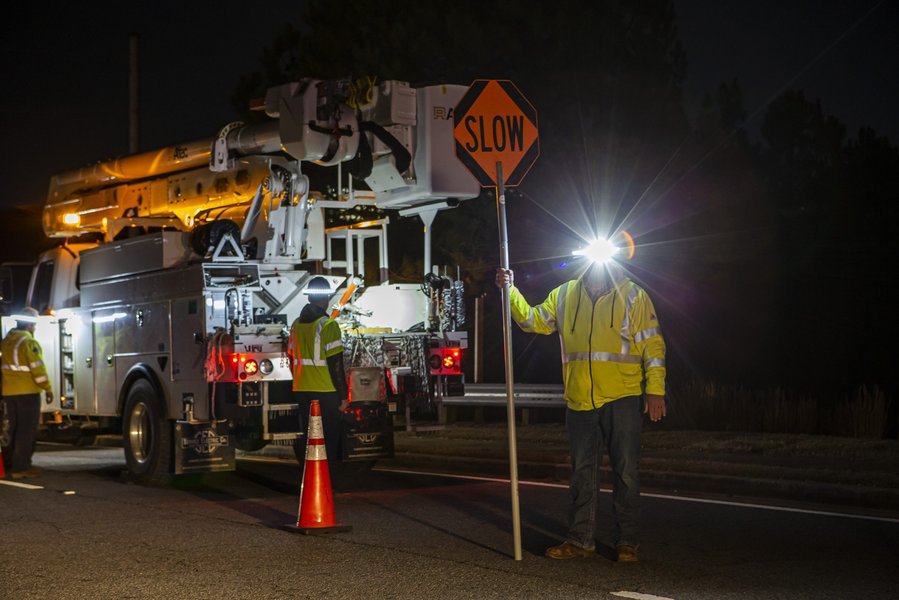
Nighttime construction requires careful planning for safety and logistics.
Visualizing Logistics Coordination Priorities
Comparing Standard vs. Night Shift Arrangements
Managing logistics effectively means balancing various factors. This radar chart compares the typical priorities for standard daytime logistics versus the heightened considerations often required for urgent or night shift arrangements like the one requested for Mr. Sasikumar. Factors like safety and reliability often demand greater emphasis during off-peak hours.
As illustrated, while cost-effectiveness might be slightly less prioritized in urgent night situations compared to standard operations, factors like safety, reliability, flexibility, and employee well-being gain increased importance.
Mapping the Logistics Flow
From Request to Completion
This mindmap outlines the key stages involved in processing and executing the logistics request for Mr. Sasikumar, ensuring all necessary steps are considered for a smooth operation.
- 7PM Office -> Site
- ~9PM Site -> Camp"] id2a4["Brief Driver (Flexibility)"] id2b["Dinner Parcel Logistics"] id2b1["Determine Source (Catering/Internal/Other)"] id2b2["Check Dietary Needs (If possible)"] id2b3["Order/Prepare Meal"] id2b4["Arrange Delivery/Pickup (Align with 7PM)"] id3["Execution Phase"] id3a["Transport"] id3a1["Vehicle Departs Office (7PM)"] id3a2["Vehicle Arrives Site"] id3a3["Await Work Completion"] id3a4["Vehicle Returns to Camp (~9PM+)"] id3b["Meal"] id3b1["Dinner Parcel Provided to Mr. Sasikumar"] id4["Completion & Follow-up"] id4a["Confirm Safe Return to Camp"] id4b["Notify Requester (Confirmation)"] id4c["Record Logistics Used (If applicable)"]
This flow highlights the interconnected steps, from understanding the initial request to confirming the successful completion of both the transportation and meal provision.
Worker Accommodation and Transport Insights
Key Considerations for Site Personnel Logistics
Managing logistics for personnel, especially those residing in worker camps or villages and working varied shifts, involves several key considerations. The table below summarizes some critical aspects.
| Logistics Area | Key Considerations | Best Practices |
|---|---|---|
| Transportation | Scheduling reliability, Vehicle suitability & safety, Driver availability & qualifications, Travel time, Flexibility for delays/changes, Night shift safety protocols. | Use scheduling systems, Regular vehicle maintenance, Vetted drivers, Clear communication channels, Contingency plans, Adherence to driving hour regulations. |
| Accommodation (Worker's Village/Camp) | Location relative to site, Quality of facilities, Safety & security, Accessibility for transport, Camp rules & timings. | Ensure safe & hygienic living conditions, Provide clear directions for transport providers, Establish communication points within the camp, Align transport schedules with camp access times. |
| Meals | Timeliness of provision, Food quality & safety, Dietary requirements, Logistics for delivery/pickup, Suitability for shift timings (e.g., night shift dinner). | Partner with reliable caterers/suppliers, Collect dietary information, Ensure appropriate food storage/packaging, Coordinate meal times with work breaks & transport. |
| Safety & Compliance | Journey risk management, Driver fatigue management (esp. night shifts), Vehicle roadworthiness, Site access protocols, Emergency procedures, Legal requirements (e.g., transport laws). | Conduct risk assessments, Implement safety briefings, Monitor compliance with regulations, Ensure drivers & passengers have emergency contacts, Use tracking systems where appropriate. |
Addressing these points systematically helps ensure that logistical arrangements are not just functional but also safe, compliant, and supportive of employee well-being.
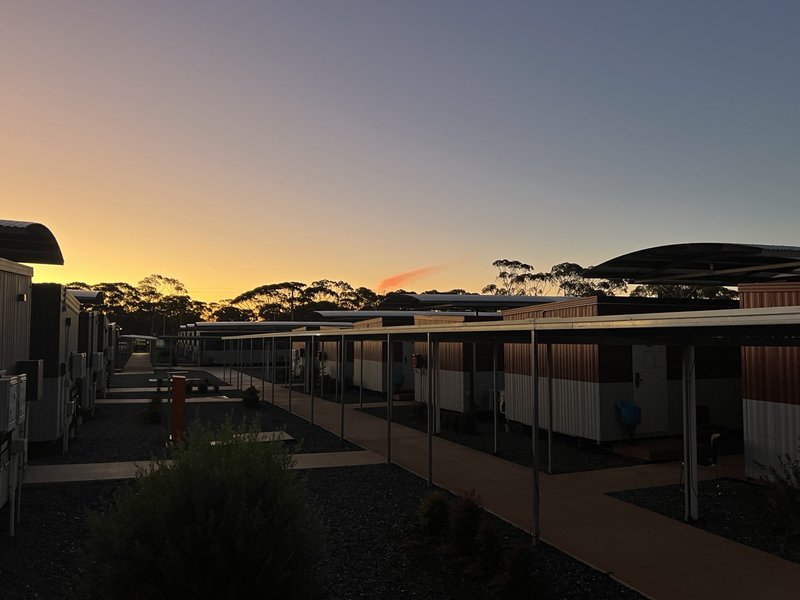
Worker villages require coordinated transport and logistics.
On-Site Operations: A Glimpse into Construction QC
Understanding the Context of Site Work
Mr. Sasikumar's role as a Civil QC involves inspecting construction work to ensure it meets quality standards and specifications. This often requires being present on-site during or after specific work phases. The video below provides a general look at basic construction inspection processes, offering some context for the type of work that might necessitate night shifts and specific logistical support.
Understanding the nature of the work helps appreciate why specific timing, potential delays, and dedicated logistical support like transport and meals are crucial for personnel like Mr. Sasikumar performing quality control duties on construction projects.
Frequently Asked Questions (FAQ)
What if the work finishes much earlier or later than 9:00 PM?
Who should confirm that the arrangements are made?
Should dietary requirements be considered for the dinner parcel?
What safety protocols are important for night shift transport?
Recommended
- Explore strategies for optimizing vehicle scheduling specifically for construction project needs.
- Discover the best approaches for ensuring shift workers receive appropriate meals, particularly in remote locations.
- Learn about the specific safety regulations and recommended practices concerning transporting employees during night shifts.
- Understand the common challenges in managing logistics for worker camps and find potential solutions.
References
Last updated May 2, 2025