
Red Flesh Dragon Fruit Pruning Guide
Your comprehensive guide for a healthy, productive dragon fruit plant
Key Takeaways
- Timing is Crucial: Prune during the dormant phase or right after harvest to enhance recovery and maximize fruiting potential.
- Technique Matters: Focus on removing dead, diseased, or overly crowded branches while preserving the main structural growth.
- Aftercare is Essential: Proper support, watering, and nutrient management post-pruning ensure vibrant regrowth and optimal yield.
Introduction to Red Flesh Dragon Fruit
Red Flesh Dragon Fruit, known botanically as Hylocereus costaricensis or Hylocereus polyrhizus, stands out due to its vibrant inner pulp and impressive nutritional benefits. Its unique climbing habit and dramatic appearance have made it a favorite among tropical fruit enthusiasts worldwide. However, to enjoy its full productivity and robust growth, it is important to apply proper pruning techniques that maintain the plant’s health and stimulate fruit production.
The Importance of Pruning
Pruning is a crucial horticultural practice for maintaining plant vigor, aesthetics, and fruit yield. In the case of Red Flesh Dragon Fruit, regular pruning helps:
- Remove Unproductive Growth: Eliminating dead, damaged, or diseased branches minimizes the risk of pathogen infestation and reduces energy wastage.
- Improve Light Penetration and Air Flow: A well-pruned plant ensures better sunlight exposure for all parts, which in turn can lead to improved fruit quality.
- Shape the Plant: Pruning allows for maintaining an aesthetically pleasing and manageable plant structure, making harvesting easier and more efficient.
- Stimulate New Growth: By selectively cutting back older or overgrown sections, the plant is encouraged to produce new, vigorous branches that are more likely to bear fruit.
In essence, proper pruning supports both the plant’s overall health and its productive potential, ensuring that every snip works towards cultivating a thriving fruiting fortress.
When to Prune Red Flesh Dragon Fruit
Timing your pruning sessions correctly is paramount for the Red Flesh Dragon Fruit. The plant goes through cyclic phases, and choosing the right moment to prune can make the difference between a flourishing harvest and a stressed plant.
Seasonal Pruning Guide
The most common periods for pruning include the following:
- Late Winter to Early Spring: When the plant is dormant, light pruning is ideal. This helps remove any damage accumulated over the colder months and prepares the plant for a productive growing season.
- Post-Harvest Period: Pruning just after the main fruiting period redirects the plant's energy from fruit production to regrowth, setting the stage for additional yields.
- Observation-Based Intervention: Apart from scheduled pruning, always monitor your plant for signs of disease or overly crowded branches. Remove such parts immediately to prevent further complications.
Ideal Timing and Tips
For many enthusiasts cultivating Red Flesh Dragon Fruit, waiting until after the last fruit harvest—typically around May or June—is recommended. This practice not only removes unnecessary clutter from the plant but also aligns with the upcoming cycle where significant flowering occurs (usually around September or October). Remember that the plant should have completed at least one fruiting season or be at least one year old before any heavy pruning is undertaken.
Pruning Frequency and Considerations
The frequency of pruning sessions depends on various factors including climate, plant age, and overall health:
- Young Plants: Minimal or very light pruning is sufficient during the early stages, focusing mainly on removing dead or diseased growth.
- Mature Plants: A regular maintenance schedule—often one to three times per year—ensures that the plant remains robust, with dead, overcrowded, or unproductive branches removed to stimulate new growth and fruiting.
- Environmental Conditions: Adjust your schedule during periods of extreme weather. For example, avoid pruning during sudden frost or extremely hot weather, which might stress the plant further.
Pruning Techniques for Red Flesh Dragon Fruit
Employing the correct pruning techniques is essential to accentuate the plant’s growth and fruiting potential. The following sections outline the best practices for pruning Red Flesh Dragon Fruit.
Tools and Safety Measures
Before beginning any pruning operation, it is imperative to have the right tools and follow strict safety measures:
- Sterilized Tools: Use sharp pruning shears or loppers that have been sterilized. This prevents the transmission of pathogens from one branch to another.
- Varied Cutting Tools: Lopping shears are ideal for cutting branches up to 1.5 inches in diameter. A hand saw may be necessary for larger branches.
- Safety Gear: Wear gloves and eye protection, especially when working with spiny or tough branches.
Step-by-Step Pruning Process
Initial Assessment and Preparation
Begin by carefully inspecting your Red Flesh Dragon Fruit plant. Look out for:
- Dead or Diseased Branches: Identify any branches that show signs of decay, discoloration, or disease. Removing these early prevents the spread of infections.
- Overcrowded Areas: Branches that significantly overlap or crowd one another can reduce air circulation and sunlight penetration. These should be thinned out.
- Non-productive Growth: Sel ect branches that are not contributing to fruit production, such as those growing upwards unnecessarily, can be pruned to encourage lateral growth.
Targeted Cutting Techniques
With your initial assessment complete, follow these targeted steps to ensure effective pruning:
- Remove Dead Tissue: Start by performing clean cuts on any dead, damaged, or diseased segments. This not only clears up the plant but also reduces pathogen risks.
- Selective Cutting: Focus on diminishing the plant's canopy by eliminating overly dense clusters of branches. Aim not to remove more than one-third of the canopy at one time as this might stress the plant excessively.
- Trim Close to Node: Make cuts above a healthy node. This approach encourages new growth from the node, promoting the development of more vigorous branches.
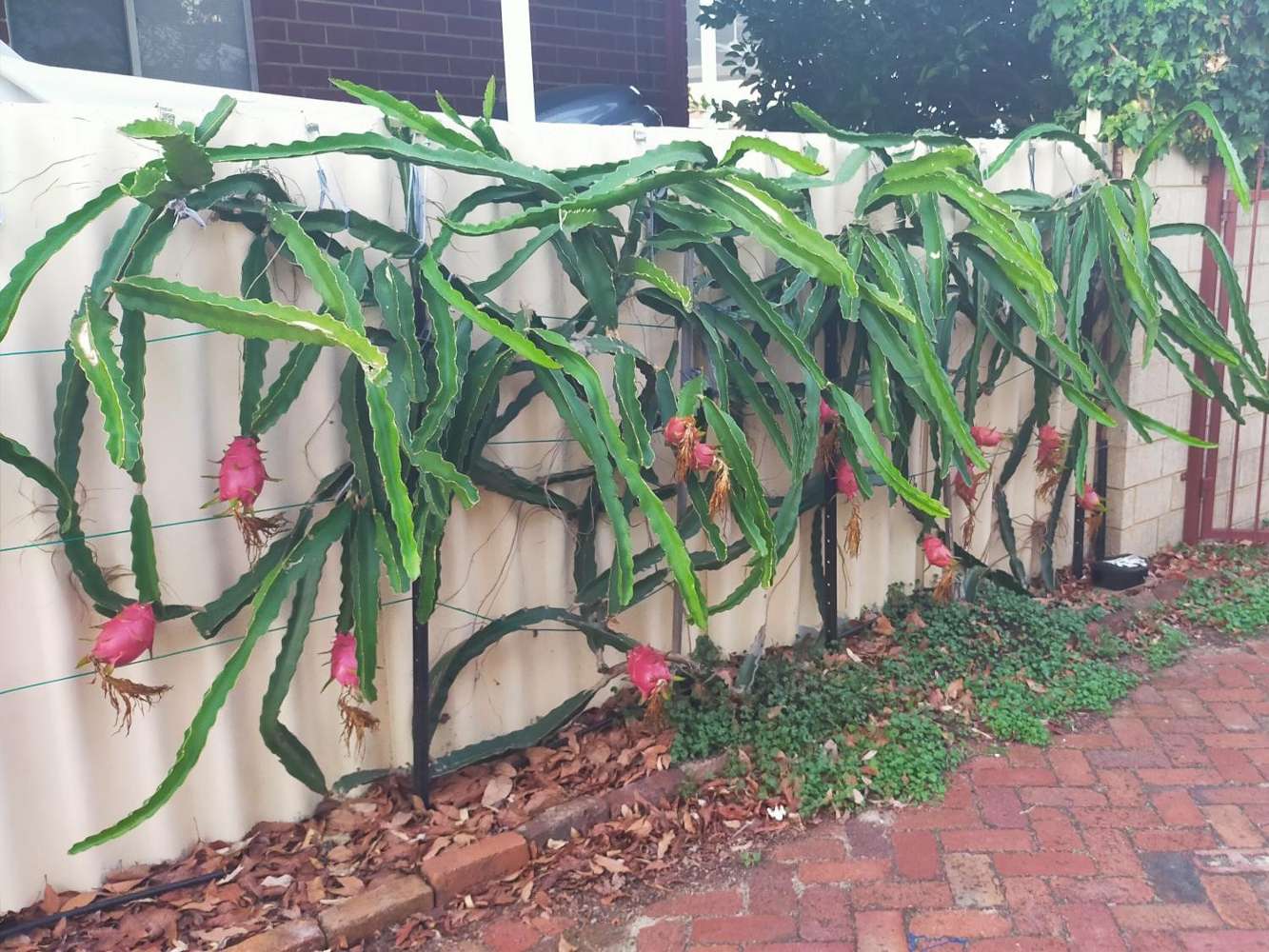
- Trellis and Training: Since dragon fruit is a climbing cactus, immediately secure the remaining branches using a trellis or support system. Tying them lightly with cotton thread or gentle ties will guide the plant in a balanced, upward direction.
Propagation Through Pruning
Pruning is not solely a maintenance practice; it also serves as an excellent method for propagation:
- Stem Cuttings: Select healthy stems that are approximately 25-30 centimeters long from mature plants (at least two years old). These cuttings can be propagated to produce new plants, effectively expanding your collection.
- Encouraging Branching: Inducing new branching by topping can also be beneficial. When you cut above a node or lateral branch, it triggers growth in a wider, more bush-like formation, which can potentially yield more fruit.
Post-Pruning Care and Maintenance
After you finish the pruning process, caring for your Red Flesh Dragon Fruit is essential to ensure quick recovery and sustained growth:
Wound Care and Protection
Wounds created during pruning need special attention:
- Natural Antifungal Treatments: Applying natural antifungal agents such as cinnamon or raw honey to the cut areas can help prevent infections.
- Fungicidal Solutions: If a more severe cut was made, consider using a fungicidal treatment on the wounds, following the product’s instructions carefully.
Watering and Fertilization
Post-pruning, the plant may require additional care to promote rapid healing and growth:
- Light Watering: Avoid overwatering immediately after pruning; instead, keep the soil evenly moist. Watering should be sufficient to help the plant recover but also allow the wound area to dry slightly, reducing the risk of rot.
- Balanced Fertilization: Delay heavy fertilization for a short period after pruning. Once new growth appears, resume a balanced fertilization schedule to sustain the plant’s energy and promote fruit development.
Monitoring and Ongoing Maintenance
Regular observation following the pruning session is critical:
- Monthly Checks: Monitor your dragon fruit for signs of pest infestation or disease. Early detection allows for quick intervention, ensuring the plant remains healthy.
- Adjusting the Support Structure: As the plant regrows, continue training it along the trellis. Make adjustments to the ties and support system if new branches develop in unexpected directions.
- Record Keeping: Maintain a log of the pruning dates, cut areas, and the plant’s subsequent response. This detailed record can prove invaluable in refining your pruning strategy over multiple growing seasons.
Pruning Schedule Overview
For a structured approach, here is a table summarizing the pruning schedule and key activities throughout the year:
| Season | Timing & Activities |
|---|---|
| Late Winter to Early Spring |
|
| Post-Harvest (May - June) |
|
| Pre-Flowering (September - October) |
|
| Ongoing Maintenance |
|
Additional Considerations for Optimal Pruning
Beyond the specific techniques and timing, successful pruning of Red Flesh Dragon Fruit hinges on understanding the plant’s unique growth properties:
Understanding Plant Growth and Development
Dragon fruit plants are vigorous climbers with a distinct growth habit. As they mature, the lower segments become woody or corked, lending support to the sprawling canopy above. Recognizing these developmental stages helps in determining which parts of the plant to prune:
- Young, Flexible Stems: These are ideal for propagation and should be handled gently.
- Mature, Woody Branches: Prune these selectively to reduce structural load and improve overall canopy light exposure.
- Lateral Branches: Encourage these branches by pruning above nodes; they play a crucial role in producing both flowers and fruit.
Integrating Pruning with Overall Plant Management
Pruning should not be regarded as an isolated task but as part of an integrated plant care strategy. Consider the following:
- Proper Training: Alongside pruning, training the plant along a trellis is essential. Secure the remaining stems to guide growth upwards and outwards for an even canopy.
- Environmental Adaptations: Adjust your pruning and aftercare based on local weather conditions and regional climatic patterns. For example, in areas with heavy rainfall, extra focus on wound care may be needed to prevent fungal infections.
- Nutrient Management: The plant’s fertilizer schedule should complement your pruning schedule. A balanced nutrient regime will further reinforce the plant's recovery and promote vigorous new growth.
Common Mistakes in Pruning and How to Avoid Them
Even experienced gardeners might fall into common pitfalls when pruning dragon fruit plants. Avoid these mistakes to keep your plant thriving:
- Over-pruning: Removing more than one-third of the canopy can severely stress the plant. Maintain a balanced approach to ensure sufficient foliage remains to support healthy regrowth.
- Poor Tool Maintenance: Using blunt or unsterilized tools increases the risk of disease transmission. Always clean and sharpen your tools before each session.
- Ignoring Aftercare: Pruning is only as effective as the post-pruning care provided. Neglecting wound care, proper watering, or trellis adjustments can undermine even the most meticulous clipping efforts.
Conclusion
In summary, pruning Red Flesh Dragon Fruit is a vital practice that supports overall plant health, stimulates vigorous new growth, and maximizes fruit production. By understanding the optimal timing, employing targeted techniques, and committing to diligent aftercare, gardeners can maintain a thriving dragon fruit plant that not only looks attractive but also yields a bountiful harvest. The practices discussed, from seasonal pruning schedules to careful branch selection and integrated care, empower you to achieve a balance between plant vigor and productive output. A meticulously pruned Red Flesh Dragon Fruit plant is a testament to both the art and science of gardening, paving the way for continued success and fruitful rewards.
References
-
Red Flesh Dragon Fruit Guide - Twig Terrace
- How to Prune Dragon Fruit - Care of Garden
- In-depth Pruning Guide - LiveToPlant
- Pruning Pitaya/Dragon Fruit - Lockyer Valley
- Ultimate Guide to Pruning - Healthy Juice
More
Last updated February 18, 2025