
Comprehensive Analysis of Studies on Drainage Systems
Exploring research insights from 2018 to 2024 on drainage systems and their effects
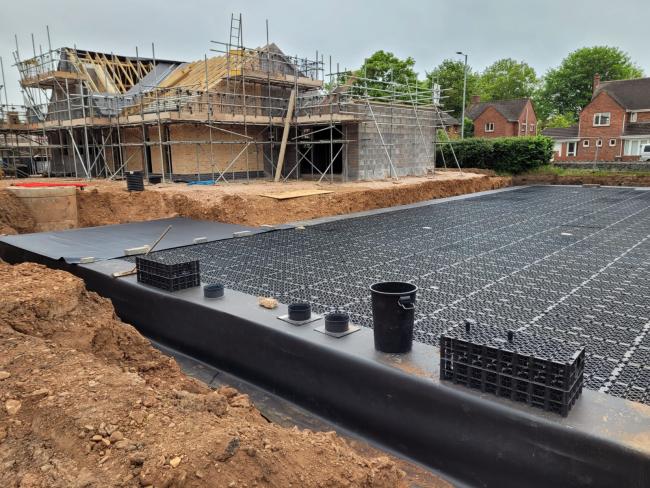
Key Highlights
- Flood Mitigation and Urban Hydrology: Several studies emphasize the critical role of drainage systems in reducing flood risks and managing urban stormwater.
- Sustainable Urban Drainage Systems (SUDS): The design, implementation, and environmental contributions of SUDS are widely discussed as essential for modern urban resilience.
- Impact of Drainage Design on Infrastructure: Drainage system orientation, efficiency, and maintenance directly affect groundwater management and prevent damage to infrastructure.
Overview of the Studies
Research spanning from 2018 to 2024 consistently underscores the importance of drainage systems in mitigating flood risks and supporting sustainable urban development. A variety of studies have examined urban flood dynamics, the interplay between natural infiltration processes and engineered solutions, and the consequences of both well-designed and poorly-maintained drainage systems.
The selected studies range from extensive reviews of sustainable drainage practices to detailed numerical simulations analyzing the impact of drainage orientation on groundwater flow. Collectively, these studies highlight the multifaceted impacts of drainage systems on both urban and rural environments.
Study Highlights and Key Findings
Flood Mitigation and Stormwater Management
One of the primary themes discussed in recent research involves the effectiveness of drainage systems in mitigating the impacts of flood events. Studies have shown that well-planned drainage systems, particularly those incorporating storage-based components, can significantly minimize economic losses during heavy rainfall and severe storm events. The mechanism usually involves capturing excess stormwater, delaying its swift release into drainage networks, and thereby reducing the immediate flow intensity downstream.
For instance, a notable study focused on the performance of drainage systems in response to future design rainfall scenarios demonstrated that storage-based facilities are crucial in saving costs associated with flood damage. This study, conducted in 2023, evaluated various configurations to determine optimal performance during extreme weather events, ultimately reinforcing the idea that strategic infrastructure design plays a pivotal role in urban flood resilience.
Sustainable Urban Drainage Systems (SUDS)
Sustainable Urban Drainage Systems (SUDS) have garnered significant attention in the literature due to their holistic approach to managing stormwater. These systems strive to mimic natural hydrological processes by maximizing infiltration, promoting groundwater recharge, and enhancing water quality. The emphasis on SUDS reflects the growing need to integrate ecological processes into urban design.
For example, research published in recent years has assessed how SUDS can effectively reduce urban flood risks and mitigate the negative impacts of rapid urbanization on drainage infrastructure. Detailed analyses have compared various SUDS components, such as permeable pavements, bio-retention elements, and green roofs, highlighting that a combination of green and gray infrastructure offers the best prospects for sustainable urban water management. This approach not only aids in flood mitigation but also contributes to environmental enhancements by reducing pollutant loads in urban waterways.
Impact on Urban Development and Infrastructure Integrity
Urban development patterns are directly linked to the performance of drainage systems. Studies have covered areas such as the effects of changes in land use, expansion of urban drainage networks, and the accompanying need for infrastructure adaptations. These studies indicate that outdated or poorly maintained drainage systems can lead to severe consequences, such as waterlogging, infrastructural damage, and even tunnel failure in critical transportation networks.
An experimental study published in 2024, for instance, emphasized the retention effects within urban drainage systems. It was observed that potential clogging of grates and inlets due to debris or rapid sedimentation could significantly impede system efficiency. This concern is particularly relevant under high-intensity rainfall events, where even minor inefficiencies can lead to catastrophic urban flooding.
Innovations in Drainage System Design and Groundwater Management
Beyond flood mitigation and urban aesthetics, research has resulted in significant insights into how drainage system design influences groundwater dynamics. Studies utilizing numerical models such as MODFLOW have assessed the impact of drainage orientations on lowering the water table and minimizing flow resistance. A key finding in this area is that a 90° orientation of drainage pipelines tends to be more effective in managing groundwater flow, reducing the risks of undesirable waterlogging and improving overall drainage efficiency.
An investigation conducted in 2024 examined groundwater flow directions and demonstrated that proper alignment of drainage structures could also prevent adverse effects on nearby tunnel infrastructures. Such insights are invaluable for planning urban tunnels and mitigating risks associated with heavy rainfall, which historically have been prone to issues like tunnel lining cracking and leakage.
Detailed Analysis of Selected Studies
The body of research on drainage systems and their effects presents a comprehensive picture that integrates multiple factors. The next sections describe in detail the methodologies, findings, and implications for urban planning and infrastructure management.
Methodologies Employed in Drainage System Research
Field Data Collection and Monitoring
Many studies in the selected period have relied on extensive field data collection to understand the real-world performance of drainage systems. Data has been gathered from urban areas where flooding events have been frequent, allowing researchers to identify both the strengths and weaknesses of current drainage infrastructures.
These empirical studies often involve monitoring rainfall patterns, water table fluctuations, and surface runoff in tandem with the performance of sustainable drainage solutions. The integration of real-time data analytics has provided researchers with a more dynamic and accurate perspective on how drainage systems perform under various environmental conditions.
Numerical Modeling and Simulation
Another pillar of research has been the application of numerical models, such as MODFLOW, to simulate groundwater flow and the efficacy of drainage systems. These models help establish relationships between structural orientation, drainage capacity, and the dynamic interactions between stormwater and underlying aquifers. The simulation studies have produced detailed forecasts on how drainage systems will perform under future climatic conditions, thereby guiding urban planners in designing more resilient infrastructure.
This methodological approach has shown that adjusting drainage design parameters, such as orientation and inlet configurations, can optimize safety and operational efficiency during peak rainfall events. The results have significant implications, particularly for urban areas facing the dual challenges of rapid urbanization and climate change-induced weather variability.
Comparative Analyses of Drainage Performance
Comparative analyses have been instrumental in identifying best practices for drainage system design. By comparing the retention abilities, efficiency levels, and environmental impacts of various drainage systems—including traditional gray infrastructure and modern green or hybrid systems—researchers have provided comprehensive recommendations for future developments.
One such study compared the performance of drainage systems in different urban contexts and concluded that hybrid systems, which integrate natural processes (infiltration and evapotranspiration) with engineered structures, substantially outperform conventional designs in both flood control and water quality improvement. This hybrid approach, a central focus of Sustainable Urban Drainage Systems (SUDS), is increasingly being adopted in regions prone to extreme weather patterns.
Implications for Urban and Environmental Planning
The findings from studies conducted between 2018 and 2024 have far-reaching implications for both urban planners and environmental management authorities. The research underscores the importance of integrating advanced drainage designs into urban planning processes to mitigate flood risks and improve environmental quality.
Urban planners are encouraged to incorporate SUDS guidelines into their development frameworks to maximize the benefits of green infrastructure. These systems not only serve the functional purpose of flood control but also enhance urban aesthetics and provide recreational space for city dwellers, thereby contributing to overall quality of life.
Table of Comparative Research Studies
| Study Title | Year | Focus Area | Key Findings |
|---|---|---|---|
| Assessment of Drainage Systems Performance under Future Rainfall | 2023 | Flood Mitigation, Stormwater Management | Storage-based facilities reduce flood damage, optimize system response. |
| Challenges and Innovations in Urban Drainage Systems | 2024 | Sustainable Urban Drainage (SUDS) | Hybrid systems integrating green and gray infrastructure perform best. |
| Impacts of Urbanization on Drainage System Health | 2024 | Urban Development, Infrastructure Integrity | Urbanization stresses existing drainage, necessitating sustainable redesign. |
| Experimental Study of Urban Drainage Retention Effects | 2024 | Drainage Efficiency, Maintenance | Clogging significantly reduces drainage efficiency under high-intensity rainfall. |
| Performance of Subsurface Drainage Systems | 2024 | Groundwater Management | 90° drainage orientation is effective in lowering groundwater levels. |
Environmental and Safety Considerations
In addition to ensuring operational efficiency, modern drainage system studies emphasize the complementary environmental benefits provided by well-designed systems. Sustainable drainage infrastructure often includes ecological components that contribute to improved water quality, reduced urban heat island effects, and enhanced biodiversity in urban settings.
Furthermore, effective drainage systems help safeguard critical infrastructure. For instance, tunnels, often susceptible to water penetration during heavy rains, benefit greatly from integrated drainage systems that prevent leakage and structural damages. Studies have indicated that proper drainage maintenance is key to reducing long-term risks associated with infrastructure degradation.
Case Studies and Real-World Applications
Urban Flood Prevention
Several case studies have showcased how comprehensive drainage solutions have prevented major flood disasters in urban centers. For example, a landmark study from 2023 detailed how improved storage-based drainage systems reduced flood damage in densely-populated areas by capturing and controlling excess runoff more efficiently. The lessons from these case studies are instrumental in informing future urban design strategies.
In cities where extreme rainfall is becoming increasingly common, these findings support the integration of sustainable drainage practices into municipal planning. By investing in modern drainage infrastructure, cities can reduce maintenance costs, protect assets, and ensure a higher degree of public safety.
Rural and Peri-Urban Applications
While urban contexts receive significant focus, the effects of drainage systems in rural and peri-urban areas have also been studied. In these settings, proper drainage design not only mitigates the risks of flooding but also enhances agricultural productivity by controlling waterlogging and soil erosion. Researchers have highlighted that sustainable, well-managed drainage systems contribute to both environmental conservation and economic stability in non-urban areas.
The dual emphasis on technical performance and environmental sustainability creates a compelling case for adapting traditional drainage methods to modern needs, ensuring resilience across various geographic and climatological regions.
Bridging Research with Practical Implementation
The integration of academic research with practical drainage design and urban planning is vital. The synthesized findings from studies between 2018 and 2024 reveal a clear blueprint for future infrastructure development. Planners are urged to consider how traditional drainage methods can be complemented with cutting-edge technologies such as real-time monitoring and predictive analytics.
Investment in advanced modeling tools has further enabled urban planners to simulate drainage performance under different environmental scenarios. By leveraging these tools, decision-makers can preemptively address potential drainage failures and implement adaptive solutions tailored to local climatic conditions.
Furthermore, the research community advocates for ongoing interdisciplinary collaboration, bringing together experts in hydrology, civil engineering, urban planning, and environmental science. Such collaboration not only improves the design and implementation of drainage systems but also ensures that the solutions are scalable and sustainable over the long term.
References
- Flood mitigation study - MDPI
- Urban drainage sustainability - MDPI
- Urban flood risk study - Nature
-
Drainage system efficiency - ScienceDirect
- Impact of drainage on urban water cycle - Copernicus
Recommended Related Queries
Last updated March 16, 2025