
Comprehensive Guide to Drawing a Car
Explore the essential components and artistic steps to create your car sketch
Key Highlights
- Detailed Component Breakdown: Understand and represent each of the vital parts: engine, drivetrain, driver, passengers, road, and weather.
- Step-by-Step Drawing Process: Follow a logical artistic flow from outlining the car’s basic shape to adding small details such as weather effects and interior features.
- Integration of Perspective and Layout: Incorporate elements like the road and background to lend realism and context to your drawing.
Introduction
Drawing a car that includes the engine, drivetrain, driver, passengers, road, and weather elements calls for a combination of technical detail and artistic creativity. This guide intends to provide you with tracking meticulous instructions for each element, and the overall scene, ensuring your sketch is not only structurally sound but also visually engaging.
Understanding the Essential Components
When approaching the drawing of a car, it is beneficial to break it down into the following principal elements:
1. Engine and Drivetrain
Engine
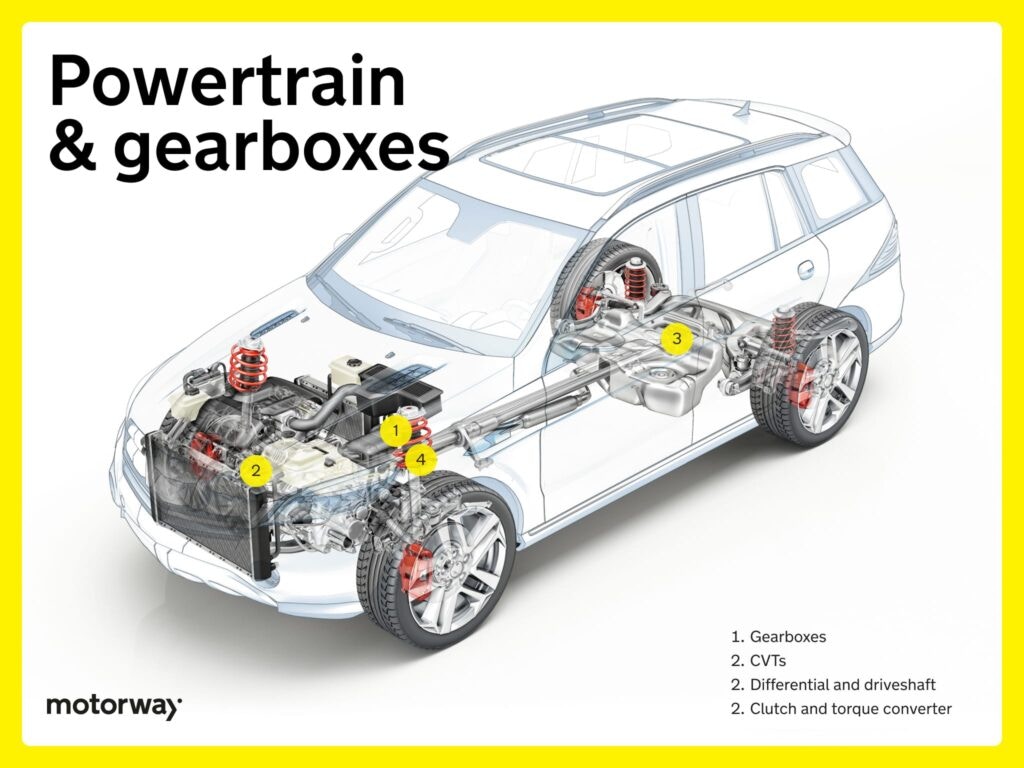
The engine is widely recognized as the heart of the vehicle. It is responsible for converting fuel into the mechanical energy that powers your car. Depending on the model of the car, the engine configuration might differ – front-engine, mid-engine, or rear-engine arrangements. For the purpose of a typical car drawing, you can focus on a front-engine setup.
To depict the engine:
- Use a rectangular or oval shape as a simplified representation, placed under the hood.
- Add finer details such as indicators of the cylinders or a cooling system element like a radiator. These can be shown as small lines or shapes inside the engine compartment.
Drivetrain
The drivetrain transmits power generated by the engine to the wheels. It includes multiple components such as the transmission, driveshaft, differential, and axles. In your drawing, the drivetrain can be represented as interconnected lines or shapes that visually connect the engine compartment to the wheels.
You can indicate the drivetrain in several ways:
- Draw a line or a series of connected segments that move from the engine's position to the wheels.
- Incorporate details like the transmission unit, which may be represented by another geometric shape adjacent to or below the engine compartment.
Depicting the Human Element: Driver and Passengers
A realistic car drawing includes more than just the external shape or mechanical parts. Integrating the driver and passengers adds life and purpose to the vehicle’s representation.
Driver
The driver typically occupies the front-left position in countries where vehicles are driven on the right side of the road. To illustrate the driver:
- Sketch a figure behind the wheel. This can be as simple as a stick figure or a more detailed form depending on your artistic capabilities.
- Include features such as arms gripping the steering wheel and a head visible through the windshield.
Passengers
Drawing passengers involves seating them appropriately inside the vehicle. Their representation can be simplified to smaller figures placed in the remaining seats.
- For front-seat passengers, show one figure on the front-right side, if applicable.
- Back-seat passengers can be arranged in a row across the car’s interior.
Constructing the Surrounding Environment
The environment surrounding the car adds a greater context and realism to your drawing. This guide emphasizes two significant background elements: the road and the weather.
Road
The road is fundamental in setting the stage for your vehicle drawing. It provides perspective and context, making your illustration complete.
- Start by drawing one or more horizontal lines to indicate the extent of the road.
- Add details like lane markings to create the sense of a moving vehicle. Dashed or solid lines along the center of the road mark typical traffic lanes.
- You can include additional details like crosswalks, signs, or even speed bumps if desired.
Weather
Weather impacts not only the mood of your drawing but also reflects on how the car interacts with its environment. Illustrate different weather conditions to set the scene.
- Sunny Day: Draw a bright sun in the sky with rays radiating outward. Shadows cast on the car and road can add a three-dimensional feel.
- Rainy Scene: Include falling raindrops, cloudy skies, and the occasional puddle reflecting the car, creating an atmospheric effect.
- Snow: Lightly dust the drawing with snowflakes, and add a subtle white overlay on surfaces where snow would accumulate.
- Fog: Use lighter shading or a misty background to simulate fog, softening the edges of the car and environment.
Step-by-Step Process for Your Drawing
A clear and systematic approach ensures that each element merges beautifully into the final drawing. Below is a comprehensive step-by-step guide:
Step 1: Outline the Car’s Basic Shape
Start with a simple rectangular or oval form to represent the car’s body. This initial outline will help position all internal and external features properly.
- Maintain approximate proportions: the car’s width should be roughly half its length.
- Mark the areas that will contain the engine compartment near the front.
- Consider the car’s overall silhouette, ensuring that the cabin and wheels are well-positioned.
Step 2: Add the Engine and Drivetrain
With the basic shape in place, designate the region where the engine resides. Typically located at the front in a front-engine layout:
- Draw a rectangular shape beneath the hood to denote the engine compartment.
- Trace a drivetrain that extends from this compartment to the wheels, using straight lines or a sequence of shapes.
- Ensure that the connection looks logical, representing how power would realistically travel from the engine to the axle systems.
Step 3: Insert the Driver and Passengers
After detailing the mechanical components, it’s time to infuse life into the drawing with human elements:
- Sketch the driver first, positioned behind the wheel on the left side of the car. Depict simple features like a head, arms, and upper body.
- Add one or more passenger figures in the cabin, ensuring you maintain scale and proper seating arrangements.
- Detail may include facial expressions or clothing details, based on your drawing style.
Step 4: Illustrate the Road
Next, draw the road that the car traverses. This step adds depth and context:
- Begin with a long horizontal line beneath the car to establish the road's baseline.
- Insert additional parallel lines to simulate lane divisions.
- Optionally, draw features such as crosswalks, side barriers, or even curves if you wish to incorporate perspective.
Step 5: Incorporate Weather
Weather conditions help set the overall atmosphere of your drawing. Choose a weather pattern that best suits the narrative:
- If depicting sun, illustrate a bright sun with bold rays and possibly use shading on the car that indicates the light’s direction.
- For rain, add clouds and falling raindrops, and show reflective puddles on the road by drawing subtle rippling effects.
- Snow can be suggested with lightly drawn flakes and uneven white patches on surfaces.
- Include occasional phenomena such as wind by drawing curved lines or arrows that subtly imply movement.
Step 6: Final Touches and Enhanced Details
After all the core elements have been outlined, your final task is to add details:
- Refine the shapes with shading and color to add dimensions and realism. Consider using gradient tones to show light and shadow effects.
- Draw reflections and highlights, particularly on the car’s surface and the wet road if it’s a rainy scene.
- Integrate background details such as distant buildings, trees, or infrastructural elements. This contributes to a more engaging drawing by providing context and perspective.
Visual Representation Table
The table below summarizes the essential components along with their details and common representations in the drawing:
| Component | Description | Common Representation |
|---|---|---|
| Engine | The power unit converting fuel to mechanical energy; often drawn as a box or oval with internal lines suggesting cylinders or mechanical parts. | Rectangular or oval compartment under the hood |
| Drivetrain | System transferring engine power to the wheels; includes transmission, driveshaft, differential, and axles. | Connecting lines or shapes between engine and wheels |
| Driver | Person controlling the vehicle; usually seated at the front-left under the steering wheel. | Stick figure or detailed human figure behind the wheel |
| Passengers | Other occupants in the vehicle; typically arranged in the front or rear seats. | Figures seated appropriately in the cabin |
| Road | The surface on which the vehicle moves; sets the scene and perspective with lane markings and textures. | Horizontal lines indicating road boundaries and lane dividers |
| Weather | Atmospheric conditions impacting the drawing's mood; can include sun, rain, snow, or fog. | Sun with rays, clouds with raindrops, or snow effects |
Extra Tips for Enhancing Your Car Drawing
To further refine and enhance your drawing experience, consider these additional pointers:
Utilize Perspective and Proportions
Accurate perspective is critical for a cohesive drawing. Use guidelines to ensure that the car, road, and background elements proportionally align. Ensure that the light source remains consistent, influencing where shadows and highlights fall. This increases overall realism.
Experiment with Textures and Colors
Color and texture can greatly enhance the depiction of various elements. For example, the metallic sheen of the car’s body might contrast with the rough texture of the road. Experiment with cross-hatching or gradients to represent weather effects such as wet surfaces during rain or crisp lines in a sunny scene.
Practice Layering and Detailing
Consider working in layers, whether on paper or digitally, to carve out each element step by step. Begin with the foundation—the car’s shape and key parts—then progressively add finer details such as interior seating, reflections, and atmospheric features. This approach not only helps organize your work but also allows for easy adjustments during the creative process.
Practical Applications and Further Exploration
The techniques and guidelines provided here offer a solid foundation for drawing a car that encapsulates mechanical precision and artistic expression. Implement these tips when designing concept sketches, technical diagrams, or simply practicing creative drawing. The integration of human figures and environmental effects further enriches the artwork, making it an engaging learning experiment.
Whether you are a student learning technical drawing, an artist seeking to improve your vehicle sketches, or someone who is interested in how mechanical and natural elements can come together visually, this comprehensive approach will help guide your process and inspire greater attention to both detail and overall design.
References
- How to Draw Cars - wikiHow
- Car Drawing Game - CrazyGames
- Diagram of a Car - Diagramio
- Understanding Car Engine and Transmission Diagrams - NodsAuto
- Automotive Weather Details - Xweather
Recommended Exploration Queries
Last updated March 11, 2025