
Drone Technologies Documentation for TYBCA Seminar Presentation
A comprehensive guide to drone technologies, components, applications, and more
Key Highlights
- Comprehensive Overview: Full details on drone components, types, and applications.
- Structured Outline: A meticulously organized 30+ page presentation guide.
- Practical Guidance: Steps and tools on how to compile, add images, and convert to PDF.
Introduction to Drone Technologies
Understanding the Basics
Drones, formally known as Unmanned Aerial Vehicles (UAVs), are remotely controlled or autonomous aircraft that serve a plethora of functions across industries. Over the past decades, they have evolved from military tools to indispensable assets in civilian applications including aerial photography, surveying, mapping, agriculture, and much more. This documentation is specifically prepared for the TYBCA seminar presentation, providing an in-depth look into drone technologies, structured to cover all relevant aspects over the course of at least 30 pages.
This guide is intended to help you create a detailed and visually appealing presentation. Although this document is textual and cannot physically embed images or generate a PDF file directly, it includes placeholders for images and clear instructions on how to design each slide, ensuring that once the content is placed into a design program (like Microsoft PowerPoint, Adobe InDesign, or Google Slides), the final output can be saved as a PDF.
Detailed Outline for the Presentation
Structured Content for 30+ Pages
Below is a detailed outline that you can follow to build your presentation. Each numbered section corresponds roughly to 2-3 pages, ensuring a comprehensive cover of the topic.
| Page Range | Section Title | Description |
|---|---|---|
| 1-3 | Introduction to Drone Technologies | Overview of what drones are, their significance in modern technology, and general applications. |
| 4-6 | History of Drones | Historical background from early military usage to modern civilian and industrial applications. |
| 7-9 | Types of Drones | Detailed categorization such as quadcopters, fixed-wing, rotary-wing, and hybrid drones along with their characteristics. |
| 10-12 | Core Components | Explanation of essential parts: flight controllers, motors, propellers, sensors, electronic speed controllers, and GPS units. |
| 13-15 | Flight Mechanics and Autonomy | Principles of aerodynamics, flight stability (pitch, roll, yaw), and the degree of autonomy offered by current technologies. |
| 16-18 | Applications of Drone Technologies | Real-world applications including aerial photography, mapping, agriculture, construction, environmental monitoring, and emergency services. |
| 19-21 | Technological Innovations | Discussion on emerging trends like AI integration, swarm technology, enhanced sensors, and future developments. |
| 22-24 | Regulatory and Ethical Considerations | Overview of global and local regulations, FAA guidelines, privacy issues, and ethical concerns concerning drone applications. |
| 25-27 | Challenges and Limitations | Analysis of issues such as battery life, weather constraints, safety hazards, and technological limitations. |
| 28-30 | Practical Implementation and Future Prospects | Case studies, practical examples of drone deployments, and conjectures on how drone technology might evolve. |
In-Depth Content for Each Section
1. Introduction
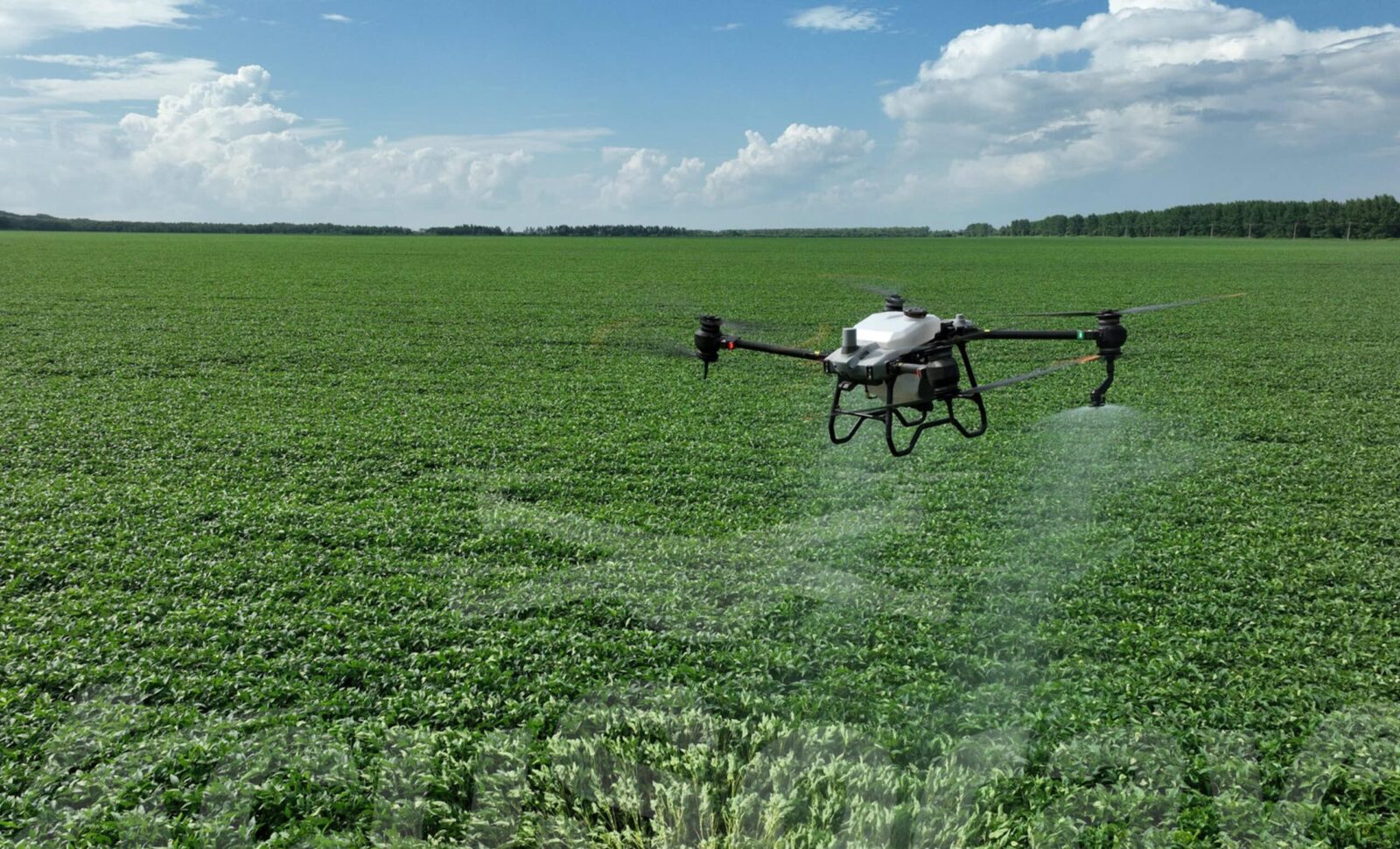
This opening segment should set the stage for your presentation. Begin by defining what drones are, including both remotely controlled and autonomous UAVs. Explain the importance of drone technology in the modern era by discussing its applications in various sectors like agriculture, construction, disaster management, and media.
Figure 1: A modern drone in flight.
2. History of Drone Technologies
Document the evolution of drone technology by illustrating early models used for military training in the early 1900s. Detail the transition from military experiments to fully operational civilian drones. Discuss key milestones such as the advent of GPS, autopilot systems, and the integration of advanced sensors.
Figure 2: An example of an early military drone.
3. Types of Drones
Categorize drones into several types:
Quadcopters
Quadcopters are the most popular type of drone due to their ease of control and maneuverability. They are particularly favored in aerial photography and hobbyist applications.
Fixed-Wing Drones
Emphasize their use in long-range missions, mapping, and surveillance. Fixed-wing drones generally offer longer flight times compared to rotary-wing types.
Hybrid Drones
Describe drones that combine features from both multirotor and fixed-wing designs to deliver versatility in flight performance.
Figure 3: Various types of drones, including quadcopters, fixed-wing, and hybrid models.
4. Core Components of a Drone
Each drone is composed of a set of critical components that ensure proper functionality:
- Flight Controller: The central processing hub managing stability and navigational inputs. It uses sensor data including gyroscopes and GPS to maintain balanced flight.
- Motors and Propellers: Powered by brushless motors for efficient thrust generation, propellers convert rotational motion into lift.
- Electronic Speed Controllers (ESCs): Regulate the speed of each motor, ensuring precise control during flight.
- Sensors: Implements GPS, accelerometers, gyroscopes, and sometimes magnetometers to monitor the drone's orientation and position.
- Battery and Power Management: Supplies energy for flight and operation of all onboard electronics, directly influencing flight time and performance.
Figure 4: Components of a typical drone.
5. Flight Mechanics and Autonomy
Delve into the aerodynamics that govern drone flight including the principles of thrust, drag, lift, and weight. Explain the critical roles played by:
- Aerodynamic Forces: Analysis of pitch, roll, and yaw for directional control.
- Autonomous Structures: Pre-programmed flight paths and autopilot functionality that rely on sensor data and onboard algorithms to navigate without human intervention.
Figure 5: Diagram illustrating the aerodynamic forces acting on a UAV.
6. Applications of Drone Technologies
Explore a variety of practical applications:
Aerial Photography and Videography
Drones provide a unique perspective for capturing high-resolution images and videos, transforming the fields of cinematography and media.
Surveying and Mapping
Their ability to cover large areas makes drones invaluable for generating accurate maps and 3D spatial models.
Agriculture
Drones monitor crop health, assist in precision spraying, and help farmers manage large areas with enhanced efficiency.
Construction and Infrastructure Inspection
Regular surveillance and documentation of construction sites or infrastructure promote safety and operational efficiency.
Environmental Monitoring and Emergency Services
From tracking wildlife to providing immediate aerial views during emergency responses, drones have expanded the scope of environmental studies and disaster management.
Figure 6: Various applications of drone technology across industries.
7. Technological Innovations
Discuss recent advancements in drone technology:
- Artificial Intelligence (AI) and Machine Learning: Integration of AI facilitates real-time decision-making and advanced image processing capabilities.
- Swarm Technology: Coordinating groups of drones for tasks such as surveillance or search and rescue, enhancing coverage and redundancy.
- Enhanced Sensor Technologies: Innovations in sensor design improve navigation accuracy and flight safety even in adverse conditions.
8. Regulatory and Ethical Considerations
An essential section of your presentation is the discussion of regulations governing drone usage. Cover the differences in regulatory frameworks globally, including:
- Local and International Laws: Review the guidelines from bodies such as the FAA in the United States and comparable authorities in other regions.
- Privacy Laws: Address the ethical considerations and privacy concerns that accompany the widespread deployment of drones.
- Licensing and Certification: Outline requirements for professional operations and recreational use where applicable.
Figure 7: Infographic of drone regulation and ethical considerations.
9. Challenges and Limitations
Provide a critical look at the challenges faced by current drone technologies, such as:
- Battery Life and Power Management: Discuss the limitations imposed by battery technology and how they affect flight time and payload capabilities.
- Weather Dependency: Examine how environmental conditions like wind, rain, and extreme temperatures affect drone performance.
- Safety and Collision Risks: Highlight the inherent risks related to drone flight in populated areas and near other aircraft.
- Technological and Regulatory Hurdles: Reflect on the challenges of developing new technology within the confines of evolving regulations.
Figure 8: Diagram emphasizing key challenges and limitations in drone technology.
10. Practical Implementation & Future Prospects
Conclude your presentation with an exploration of practical deployments, case studies, and visionary insights into how drone technology may evolve. Discuss integration with emerging technologies such as 5G connectivity and IoT, and how they will drive further innovations and applications.
- Case Studies: Provide examples of successful drone operations in agriculture, construction, and disaster management.
- Future Trends: Predict advancements regarding autonomy, flight duration, and energy efficiency while considering current research directions.
Figure 9: Future prospects and technological integrations in drone development.
Guidance for Creating the PDF
Steps to Compile Your Presentation
Although this guide is delivered in HTML, follow these steps to compile and convert your presentation into a PDF:
- Prepare Content: Copy the outline and content sections into your preferred presentation software (e.g., Microsoft PowerPoint, Google Slides, or Adobe InDesign). Ensure that you build at least 30 slides/pages according to the outline provided.
- Add Images: Replace image placeholders with high-resolution photographs relevant to the topic. Consider using free image resources such as Unsplash or Pexels, or purchase stock images if needed.
- Design and Formatting: Use consistent fonts, colors, and layouts. Incorporate the provided headings, bullet points, and tables to maintain a professional appearance throughout your presentation.
- Verification of Content: Ensure that the text flows logically across slides and that each section is supported by suitable illustrations and diagrams.
- Conversion to PDF: Once your presentation is complete, use the “Save as PDF” or “Export to PDF” feature provided by your software to generate a final PDF document.
Tools like Adobe Acrobat, Microsoft Office Suite, or online conversion utilities can be used to finalize your PDF document.
Additional Resources and References
Useful Resources for In-Depth Research
- Drone Technology Basics - ResearchGate
- Drone Technologies and Applications - ResearchGate
- Drone 101: A Must-Have Guide For Any Drone Enthusiast - ResearchGate
- Drones and Its Applications - ADB Knowledge Events
- Drone Technology | Wiley Online Books
Recommended Further Exploration
Related Queries to Deepen Your Understanding
Last updated March 21, 2025