
Drone Technologies Documentation for TYBCA Seminar Presentation
An In-Depth Guide to UAV Components, Applications, and Future Trends
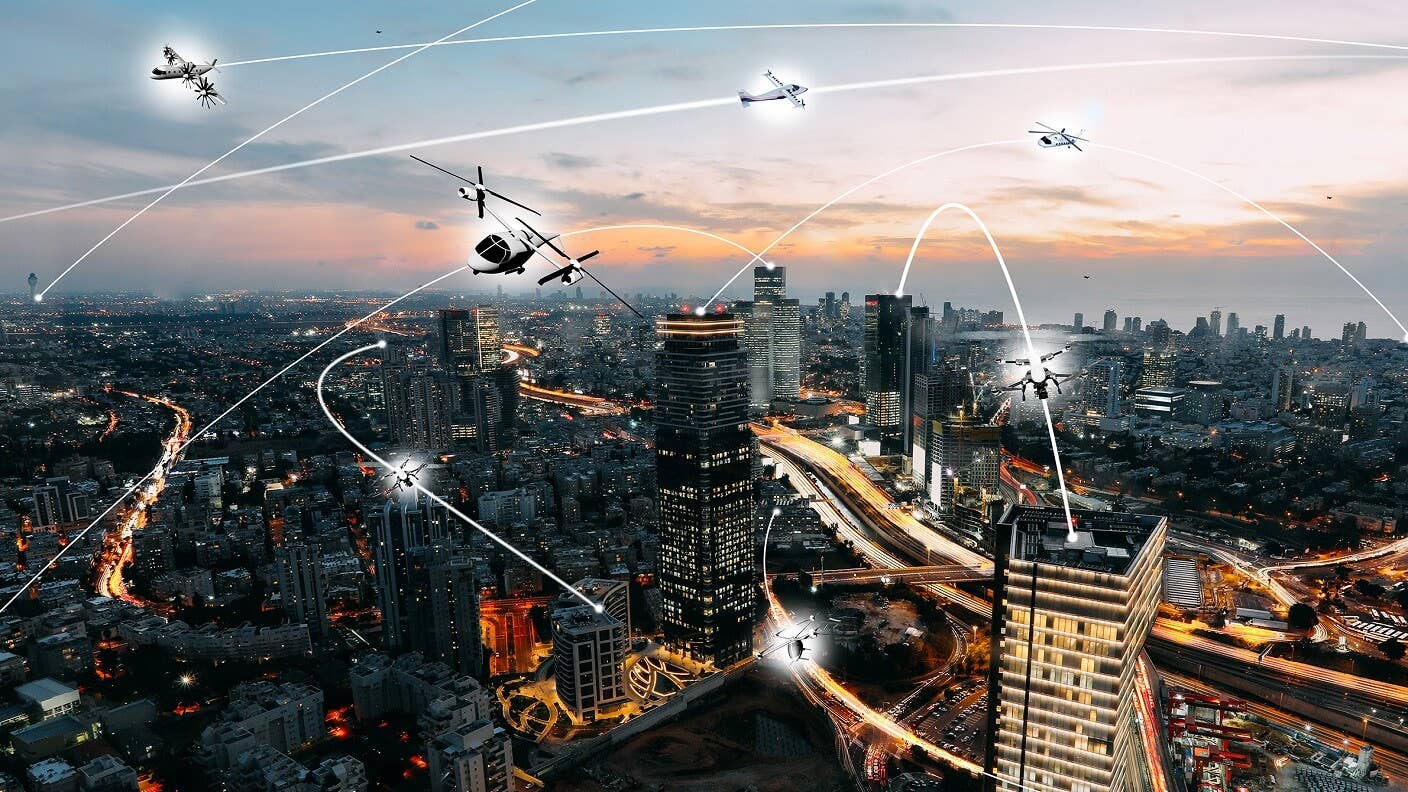
Highlights
- Comprehensive Overview: Detailed documentation covering drone components, history, types, and applications.
- Industry Applications: Focus on military, industrial, architectural, agricultural, and urban use cases.
- Future Trends & Challenges: Insights into emerging autonomy, AI integration, and regulatory considerations.
Introduction
Drone technologies, formally known as Unmanned Aerial Vehicles (UAVs), have experienced transformative developments over the past few decades. As innovative tools that bridge virtual design and physical execution, drones provide unique capabilities in data acquisition, aerial imaging, remote sensing, and many more fields. In this documentation, we present a detailed guide for a TYBCA seminar presentation, exploring aspects from historical evolution to future technological trends.
This document is designed to serve as a comprehensive reference for seminar attendees. Although the final output is intended to be a 30+ page PDF featuring images and detailed analyses, this content is offered here in HTML format. You can subsequently convert this HTML document into a PDF as per your requirements.
Table of Contents
- Introduction
- History of Drone Technologies
- Types of Drones
- Components of a Drone
- Drone Technologies and Innovations
- Drone Applications Across Industries
- Benefits and Challenges
- Future Trends in UAV Technology
- Case Studies and Real-World Examples
- Image Gallery
- Appendix and Glossary
- References
1. Introduction to Drones
Drones are autonomous or remotely controlled flying devices that hold a significant place in today’s technological landscape. Emerging from early military and experimental origins, modern UAVs are equipped with sophisticated sensors, robust propulsion systems, and computational algorithms enabling efficient navigation and task completion.
In this section, we define the drone, explore its evolution, and outline the structural design that makes it a revolutionary tool across myriad applications.
Key Concepts
- Autonomy & Remote Control: Drones operate under human control or use pre-programmed missions to function autonomously.
- Component Integration: A drone integrates mechanical systems with high-tech sensors and computing units.
- Versatile Applications: Availing uses ranging from aerial photography to advanced industrial inspections.
2. History of Drone Technologies
Evolving from Military Roots to Civilian Innovation
The history of drones dates back to early innovations in military surveillance. Initial developments were closely guarded, with early versions used for target practice and intelligence gathering. During the 20th century, technological advancements accelerated alongside the integration of electronics and precision engineering.
The evolution of drone technology can be summarized in the following timeline:
| Time Period | Key Developments |
|---|---|
| Early 1900s | Conceptual designs and simple unmanned targets. |
| Mid 20th Century | Integration of radio controls and early remote sensing techniques. |
| 1970s-1980s | Modern military drones and the introduction of rudimentary autonomous features. |
| 2000s | Rapid technological advancements, expansion into civilian fields, and enhanced imaging systems. |
| 2010s-Present | Integration of AI, advanced sensors, 5G connectivity, and the emergence of swarm technologies. |
3. Types of Drones
Variety and Design Specifics
Drones are classified into several types based on their design, application, and functionality. Each type is tailored to meet specific requirements from high maneuverability for racing to endurance for extended aerial surveys.
Fixed-Wing Drones
Fixed-wing drones resemble traditional aircraft with wings that generate ample lift. They are usually employed in long-range reconnaissance and mapping missions due to their energy efficiency.
Multi-Rotor Drones
Multi-rotor drones, including quadcopters and hexacopters, are known for their hover capabilities and maneuverability in confined spaces. These drones are commonly used for aerial videography and short-range inspections.
Hybrid Drones
Hybrid drones incorporate the benefits of both fixed-wing and multi-rotor systems. They can perform vertical takeoffs and efficient long-distance flights, making them ideal for complex missions.
Nano and Micro Drones
Nano and micro drones are compact, lightweight, and often used for indoor applications or specific scenarios such as educational demonstrations and research experiments.
4. Components of a Drone
A modern drone is an intricate assembly of hardware and software components. The integration of these elements is what enables optimal performance during flight.
Key Components
Airframe
The airframe serves as the structural foundation that supports all other drone components. It must be lightweight yet durable to withstand the dynamic forces of flight.
Motors and Propellers
Brushless motors power the drone, controlled by electronic speed controllers (ESCs). Propellers convert the motor’s rotational energy into lift force, allowing the drone to ascend, maneuver, and stabilize.
Flight Controller
Acting as the brain of the drone, the flight controller is responsible for navigation, stabilization, and real-time decision-making. It integrates data from various sensors including gyroscopes, accelerometers, and magnetometers.
Sensors and Navigation Systems
Sensors such as GPS, barometers, ultrasonic sensors, and advanced imaging systems empower drones with precise navigation capabilities. Placeholder Image: [Insert diagram of sensor placements]
Battery and Power Management
Batteries provide the necessary energy for a drone's operation. Efficient power management systems are critical to extending flight duration and ensuring safety during operation.
5. Drone Technologies and Innovations
Pushing the Boundaries of Aerial Capabilities
Drone technology has seen rapid innovations, including the integration of advanced communication systems such as 5G and AI-powered flight controllers, which facilitate enhanced navigation and increased autonomy.
Artificial Intelligence & Machine Learning
Modern drones increasingly incorporate AI to analyze flight data, optimize routes, and avoid obstacles. This integration allows for real-time decision-making and enhances the overall mission performance.
5G and IoT Connectivity
The implementation of 5G networks and IoT platforms enables drones to transmit larger volumes of data at higher speeds. This seamless connectivity supports both remote operation and real-time data analytics.
Swarm Technology
Multiple drones working in unison, or swarm technology, represent an emerging field in UAV applications. This technology enables collaborative missions, allowing for broader area coverage and intricate task execution.
6. Drone Applications Across Industries
Diverse Utilization in Modern Sectors
The versatility of drone technologies has enabled their adoption in multiple disciplines. Whether for monitoring complex construction sites or managing agricultural land, drones provide effective solutions that combine cost efficiency with high precision.
Military and Security
Initially developed for military surveillance, drones continue to support intelligence, reconnaissance, and even combat roles in modern warfare. Their ability to access hostile environments minimizes risk to human operators.
Industrial Inspections
In the industrial sector, drones are increasingly utilized for infrastructure inspections including bridges, pipelines, and power lines. High-resolution imaging allows for early detection of structural failures and maintenance needs.
Architecture, Engineering, and Construction (AEC)
Drones play a pivotal role in surveying construction sites, providing aerial mapping and 3D modeling. Their ability to capture precise data facilitates project monitoring and administrative planning.
Agriculture
In agriculture, UAVs support crop monitoring, irrigation management, and pesticide deployment. They enable farmers to gather data on crop health efficiently and cost-effectively.
Delivery Systems and Urban Mobility
Emerging trends in last-mile delivery and urban air mobility have accelerated the development of drones capable of delivering packages, medical supplies, and even passenger transport in urban environments.
7. Benefits and Challenges
Balancing Innovation with Practicality
The adoption of drone technologies offers numerous benefits, ranging from improved operational efficiencies to innovative service delivery. However, it also presents challenges that must be addressed.
Benefits
- Enhanced data collection and real-time situational awareness.
- Cost-effective solutions for aerial surveying and monitoring.
- Reduction of risk by minimizing human exposure to dangerous environments.
- Ability to access inaccessible areas for inspection and delivery.
Challenges
- Strict regulatory frameworks and airspace management issues.
- Safety risks including collisions and operational failures.
- Limited battery life which restricts flight duration and coverage.
- Cybersecurity concerns due to potential hacking and unauthorized control.
- Environmental impacts such as noise and privacy implications.
8. Future Trends in UAV Technology
Emerging Innovations That Will Redefine Drone Usage
Looking forward, drone technology is poised for significant advancements. Key trends include increased autonomy, more robust integration of artificial intelligence, and greater utilization of swarm technology for collective operations.
Enhanced Autonomy
Innovations in flight control algorithms and sensor integration are leading to drones that require minimal human intervention. These autonomous systems can plan and execute complex missions efficiently.
Artificial Intelligence Integration
The fusion of AI with UAV technology promises improved obstacle avoidance, real-time decision-making, and mission optimization. This trend is expected to expand the operational capabilities of drones significantly.
Regulatory Evolution
As drone usage becomes ubiquitous, it is anticipated that governments and regulatory bodies worldwide will develop more streamlined guidelines that balance safety with innovation.
9. Case Studies and Real-World Examples
This section examines notable deployments of drone technologies in various sectors. Detailed analyses of specific projects provide insights into the challenges encountered and the benefits realized through the integration of UAV systems.
Infrastructure Inspection
In a large-scale infrastructure project, drones were used to inspect bridge structural integrity. The high-resolution data collected helped in identifying stress points early and arranging timely maintenance, thus preventing potential failures.
Agricultural Monitoring
In the agricultural sector, drones conducted aerial surveys to assess crop health and soil conditions across extensive farmlands. The gathered data improved water resource management and fertilizer distribution, leading to enhanced crop yields.
Urban Delivery Systems
Pilot projects in urban areas have utilized drones for rapid delivery of medical supplies. This application not only reduced delivery times significantly but also underscored the potential for integrating UAVs in emergency response systems.
10. Image Gallery
While this document is provided in text, it is recommended to insert high-resolution images to visually enhance the presentation. Suggested images include:
- Drone in Flight: A high-resolution image showing a multi-rotor drone maneuvering in an urban environment.
- Component Diagram: An annotated diagram illustrating the internal components of a drone.
- Application Scenarios: Images depicting drones being used in agricultural monitoring, industrial inspections, and urban deliveries.
- Swarm Technology: A photograph illustrating multiple drones flying in formation, highlighting swarm capabilities.
Please insert these images at appropriate locations when compiling your final presentation document.
11. Appendix and Glossary
Key Terminologies
This section provides definitions and explanations for key terms used throughout the documentation:
- UAV (Unmanned Aerial Vehicle): A drone used for various applications without onboard human operators.
- ESC (Electronic Speed Controller): A device that regulates the speed of the brushless motors.
- Flight Controller: The onboard computer responsible for stabilizing flight and processing sensor data.
- Swarm Technology: The coordination of multiple drones to achieve collective tasks.
- Orthorectification: The process of correcting aerial images to accurately reflect the true scale and dimensions of the ground.
Additional appendices could include a list of major drone manufacturers and current regulatory frameworks.
12. References
- Drone Technology Basics - ResearchGate
- Drone Technologies and Applications - ResearchGate
- Drone Components and Integration - Sathyabama University
- Drone Survey and Applications - Triad Engineering
- Drone Documentation and Guides - Drone Docs
Recommended Related Searches
Note: Although this formatted documentation has been designed with the intention to span over 30 pages when compiled (with proper pagination, images, and diagrams added), the final PDF must be generated using dedicated software such as Adobe Acrobat, LaTeX, or another reliable PDF converter.
For additional customization, each section above can be expanded with further detail, additional case studies, and annotated images to fulfill any specific length and content criteria you need for your TYBCA seminar presentation.
Last updated March 21, 2025