
The Druze Community: History, Beliefs, and Modern Context
An in-depth exploration of the Druze ethnoreligious group in the Middle East
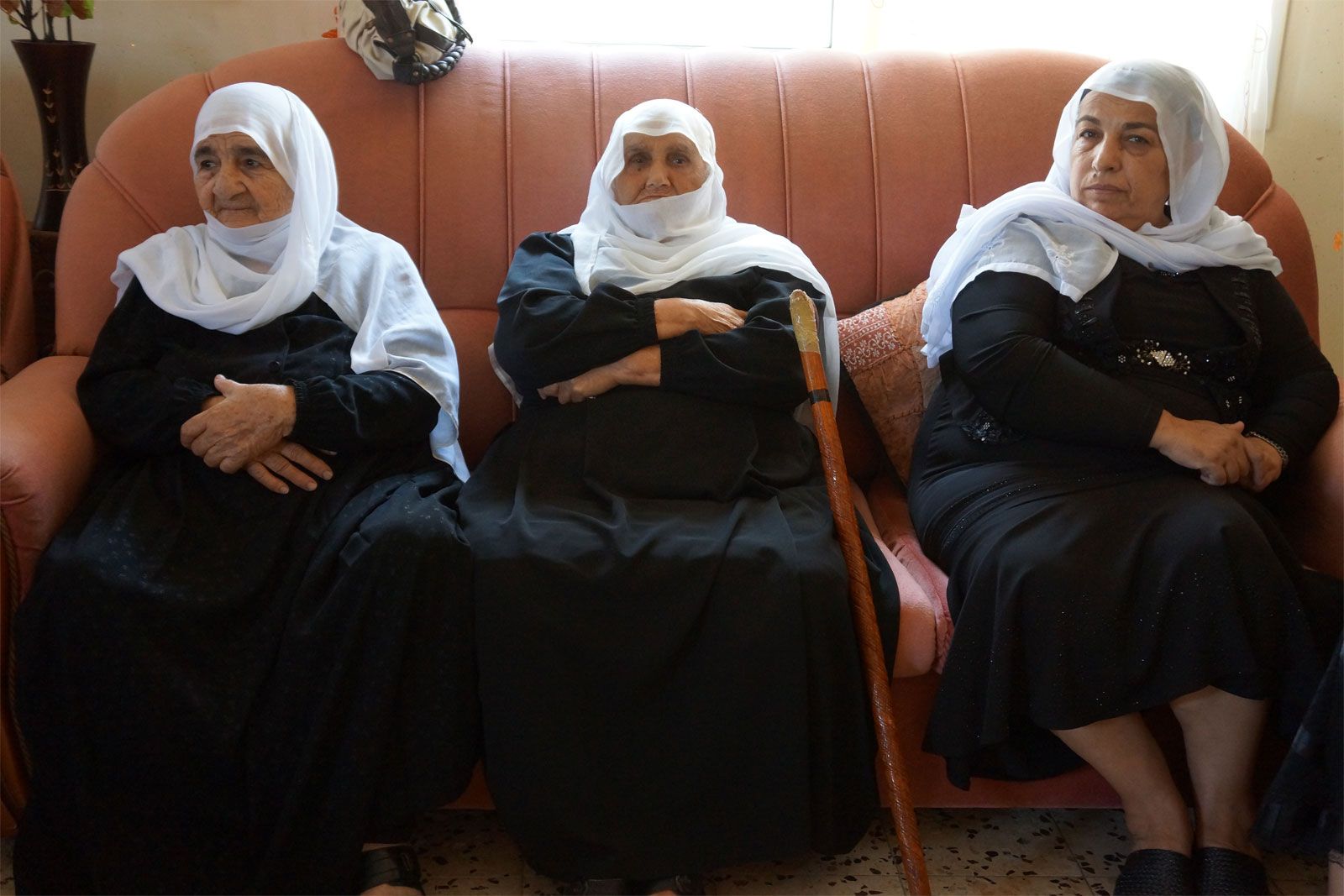
Key Takeaways
- Unique Monotheistic Faith: The Druze follow a distinct monotheistic faith that incorporates elements from various religions and philosophies.
- Strong Community Bonds: The Druze maintain a tight-knit community with a clear division between initiated and uninitiated members.
- Geographic Concentration and Influence: Predominantly located in Syria, Lebanon, and Israel, the Druze have significant social and political influence in these regions.
Origins and Historical Development
The Druze faith emerged in the early 11th century CE during the reign of the sixth Fatimid Caliph, Al-Hakim bi-Amr Allah, in Egypt. Rooted in Ismaili Shia Islam, the Druze developed a distinct religious identity through the teachings of Hamza ibn Ali and other early Druze scholars. The faith incorporates elements from various religious and philosophical traditions, including Christianity, Gnosticism, Greek philosophy, and Hinduism. This synthesis of diverse influences has contributed to the Druze's unique theological framework.
Al-Hakim, a central figure in Druze belief, is considered a manifestation of God. His disappearance in 1021 CE is seen by the Druze as a significant event, with beliefs holding that he will return to establish global peace and justice. This eschatological expectation plays a crucial role in the Druze worldview.
Religious Beliefs and Practices
Monotheism and Theological Foundations
The Druze adhere to a strict form of monotheism, identifying themselves as "al-Muwahhidun" or Unitarians. They believe in the oneness of a transcendent God who is beyond human comprehension. This belief system rejects the anthropomorphic depictions of God and emphasizes the divine's infinite nature.
Reincarnation and the Soul
A cornerstone of Druze belief is the concept of reincarnation, known as Taqqammus. They believe that souls undergo a continuous cycle of rebirths, allowing for the purification and elevation of the soul through successive lives. This belief underscores the importance of ethical living and spiritual development.
Esotericism and the Role of the Uqqal
The Druze faith is inherently esoteric, with many of its religious truths and doctrines concealed from the general membership. The community is divided into two groups: the uqqal (initiates or sages) and the juhhal (uninitiated). The uqqal are privy to the deeper spiritual teachings and are responsible for preserving and transmitting the faith's doctrines. In contrast, the juhhal adhere to the outward practices and cultural norms of the Druze community without access to the esoteric knowledge.
Sacred Texts and Teachings
The Druze canon, known as the Epistles of Wisdom (Rasa'il al-Hikma), comprises a collection of esoteric writings that form the theological foundation of the faith. These texts draw from a variety of sources, including the Old Testament, the New Testament, the Quran, philosophical works by Plato, and original Druze religious literature. Access to these texts is restricted to the uqqal, ensuring that the inner teachings remain preserved and protected.
Cultural Practices and Community Life
The Druze place a strong emphasis on community cohesion and cultural preservation. Key cultural practices include:
-
Endogamy: Marriage is typically restricted to within the Druze community to maintain religious and cultural integrity.
-
Taqiyya: The practice of concealing one's religious beliefs when necessary for protection or social integration.
-
Secrecy of Beliefs: Many religious teachings are kept confidential, even from most members of the community, fostering a sense of mystery and exclusivity.
Geographic Distribution and Demographics
The Druze population is estimated to be between one to two million individuals, with the majority residing in the Levant region. The global distribution of the Druze community is as follows:
| Country | Population | Key Regions |
|---|---|---|
| Lebanon | ~600,000 | Chouf Mountains, Metn, Southern Lebanon |
| Syria | ~500,000 | Jabal al-Druze, Southern Syria |
| Israel | ~140,000 | Galilee, Carmel Region, Golan Heights |
| Others | ~300,000 | Jordan, Diaspora in USA, Canada, Australia, Latin America |
In Israel, the Druze are recognized as a distinct religious community and have a unique societal position, including mandatory military service for Druze men. This has fostered a sense of integration and loyalty to the Israeli state, while also maintaining their distinct cultural identity.
Political and Social Influence
Lebanon
In Lebanon, the Druze wield significant political and cultural influence, particularly within the Chouf Mountains and other key regions. Prominent Druze leaders, such as Kamal Jumblatt and his son Walid Jumblatt, have played pivotal roles in Lebanese politics, especially within the country's power-sharing framework. The Druze community has been instrumental in mediating conflicts and promoting stability in Lebanon's complex sectarian landscape.
Syria
The Druze in Syria have historically maintained a stance of neutrality amid the country's political upheavals, including the ongoing Syrian Civil War. Their majority regions, such as Jabal al-Druze, have sometimes been areas of conflict, but the community has generally sought to preserve their autonomy and protect their interests amidst broader national tensions.
Israel
Israeli Druze are distinctive in their integration into Israeli society. They serve in the Israeli Defense Forces, which reinforces their loyalty to the state. Druze leaders advocate for the preservation of their heritage and culture while promoting integration and participation in national affairs. This dual focus has enabled the Druze to maintain a balanced identity within the diverse Israeli populace.
Modern Challenges and Adaptations
Preservation of Identity
Globalization and increasing interaction with broader societies present challenges for the Druze in maintaining their traditional values and practices. The younger generation faces the task of balancing modern influences with the preservation of their unique cultural and religious identity.
Political Tensions
Regional instability, such as the Syrian Civil War and Lebanese political crises, directly impacts the Druze communities in these areas. Navigating these turbulent environments requires careful diplomatic strategies to ensure the community's safety and autonomy.
Diaspora Integration
The Druze diaspora in countries like the United States, Canada, Australia, and various Latin American nations faces the challenge of preserving their cultural heritage while assimilating into new societies. Efforts to maintain community cohesion and cultural practices abroad are crucial for sustaining their identity in a global context.
Cultural and Social Practices
Endogamy and Marriage
Marriage within the Druze community is a long-standing tradition aimed at preserving the faith and cultural identity. This practice of endogamy ensures that religious beliefs and cultural norms are maintained across generations.
Community Loyalty and Protection
The Druze place a high value on community loyalty and the protection of its members. This strong sense of solidarity acts as a support system, fostering resilience and unity within the community.
Emphasis on Education
Education is highly prioritized within the Druze community, with a focus on both secular and religious studies. This emphasis ensures that members are well-equipped to contribute to their societies while maintaining their cultural and religious knowledge.
Conclusion
The Druze community embodies a unique blend of religious, cultural, and social attributes that have enabled them to maintain their distinct identity for nearly a millennium. Their sophisticated theological beliefs, strong community bonds, and strategic geographic distribution have allowed the Druze to thrive amidst the diverse and often tumultuous environment of the Middle East. As they navigate modern challenges, the Druze continue to balance tradition with integration, ensuring the preservation of their heritage while adapting to contemporary societal dynamics.
References
Last updated January 21, 2025