
Navigating Delays: Understanding Current Flight Status at DTW
A Comprehensive Look at Factors Affecting Operations at Detroit Metropolitan Wayne County Airport
Key Insights into DTW Flight Delays
- Dynamic Status: Flight delays and cancellations at Detroit Metropolitan Wayne County Airport (DTW) are subject to rapid changes, with real-time updates available through various official and tracking services.
- Diverse Causes: While the Federal Aviation Administration (FAA) often reports normal operations or minimal delays, specific issues such as weather, air traffic control initiatives, and airline-specific challenges can significantly impact schedules.
- Proactive Travel Planning: Travelers are advised to check directly with their airline and use flight tracking websites for the most current information, especially during periods of adverse weather or known system outages.
Detroit Metropolitan Wayne County Airport (DTW) is a major travel hub, and like any large airport, it can experience flight delays for a variety of reasons. As of today, May 21, 2025, the status of delays at DTW is generally categorized by the Federal Aviation Administration (FAA) as "Normal" or indicating "General Departure Delays" and "General Arrival Delays" of 15 minutes or less. However, this generalized status can often mask more specific, underlying causes that may impact individual flights or larger segments of air traffic.
Understanding what influences these delays is crucial for travelers. Flight tracking services such as FlightAware, FlightView, and FlightStats provide real-time updates on arrivals and departures, allowing passengers to monitor their specific flights. Additionally, the Wayne County Airport Authority's official website offers flight status tracking and travel alerts that can inform passengers about potential disruptions.
Current Operational Status and Short-Term Impact
Assessing Real-Time Conditions at DTW
While the overall FAA status for DTW often indicates minor delays, it's important to delve into the specifics. For instance, FlightView and FlightStats often report "General Departure Delays" where traffic experiences gate hold and taxi delays lasting 15 minutes or less. Similarly, "General Arrival Delays" might indicate airborne delays of 15 minutes or less. These minor delays are part of routine airport operations and are typically quickly resolved.
However, specific events can escalate these minor delays into more significant disruptions. For instance, recent reports have indicated a total of 75 delays at DTW today, within, into, or out of the United States. This figure can fluctuate throughout the day. It's also worth noting that unforeseen circumstances, such as road maintenance reducing lanes on Dingell Drive, can contribute to ground-side delays impacting passenger arrival at terminals, though these are distinct from flight-specific delays.
Understanding FAA Status Codes
The FAA utilizes a system of status codes to communicate airport conditions. "Normal" signifies minimal delays. Other codes, such as "Traffic Management Program" (TMP) due to weather or other issues, indicate more significant delays. For DTW, even when the overall status is "Normal," individual programs or advisories might be in effect for specific traffic flows or runways.
Primary Causes of Flight Disruptions
Factors Contributing to Delays and Cancellations
Flight delays and cancellations at DTW, as at any major airport, are multifaceted. Several key factors frequently contribute to disruptions:
Weather Conditions
Weather is consistently one of the leading causes of flight delays and cancellations. Severe weather events such as thunderstorms, heavy snowfall, ice, and low ceilings can significantly impact airport operations. Detroit's climate, with its potential for harsh winters, often sees weather-related disruptions. Snow and ice can lead to runway closures for clearing, while strong winds and low visibility (due to fog or heavy precipitation) can make takeoffs and landings unsafe or require increased spacing between aircraft.
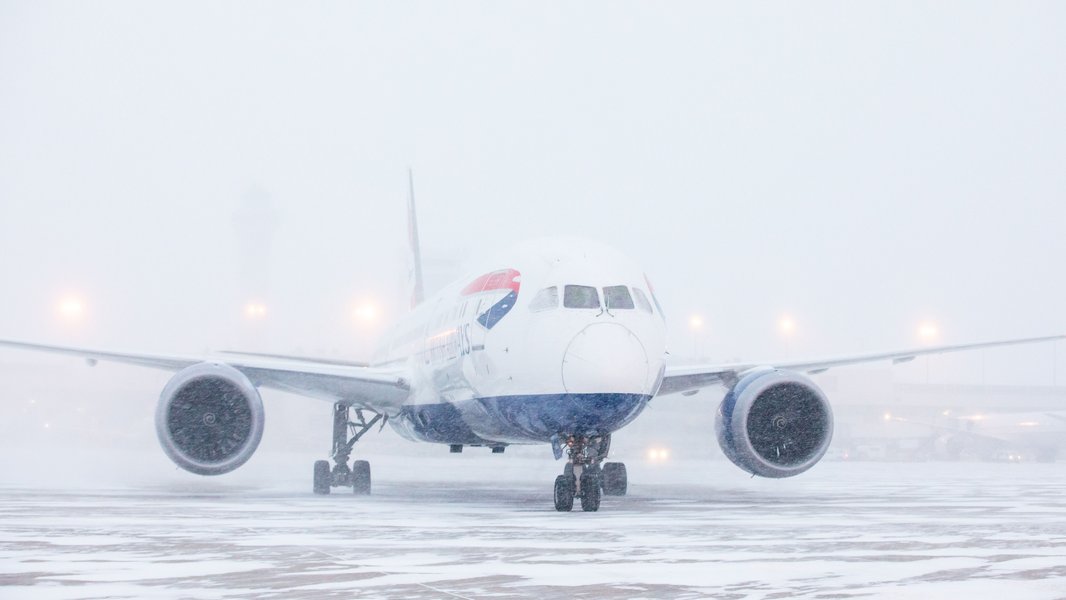
Detroit Metro Airport during a winter weather event, showcasing the impact of snow on operations.
Air Traffic Control (ATC) Initiatives
Air traffic control plays a critical role in managing the flow of aircraft. When there's congestion in the airspace, or issues at the destination airport, ATC may implement ground stops, ground delays, or rerouting programs. These initiatives, often stemming from weather or capacity issues at DTW or other airports in the National Airspace System, can cause flights to be held at their departure point or experience airborne holding delays. While DTW might have a "Normal" status, a problem at another major hub could create a ripple effect, impacting flights destined for or originating from Detroit.
Airline Operational Issues
Airlines themselves can be a source of delays. These issues include:
- Crew Availability: Pilot or cabin crew shortages, or crews timing out due to duty-time limits, can lead to delays or cancellations.
- Mechanical Problems: Unexpected mechanical issues with an aircraft require maintenance, grounding the plane until repairs are completed and certified.
- System Outages: Global system outages, such as those affecting airline IT systems (e.g., check-in, flight planning, or communication systems), can cause widespread disruptions. Several videos from the media sources highlight such occurrences impacting DTW.
Airport Infrastructure and Maintenance
While DTW is a well-maintained airport, ongoing infrastructure projects or unexpected issues can cause temporary disruptions. Runway construction or maintenance, while necessary, can reduce airport capacity and lead to delays. Similarly, terminal-specific issues like baggage system failures or gate availability can slow down operations.
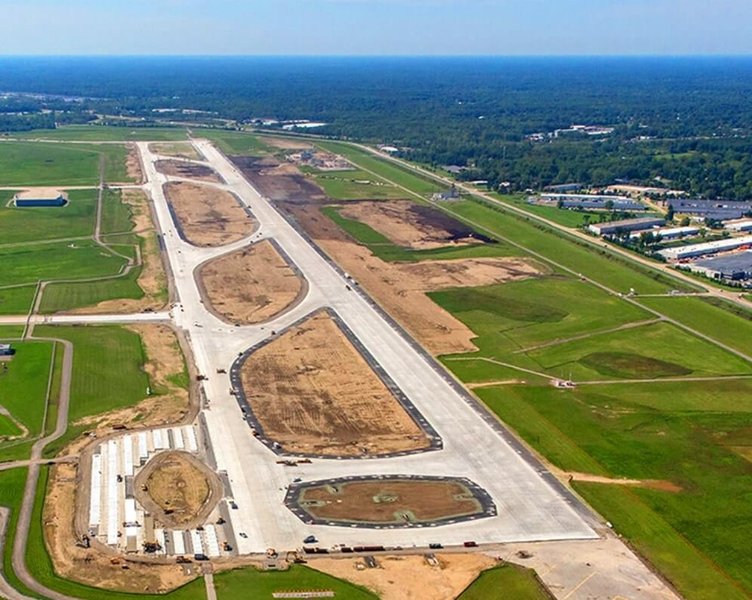
An aerial view of runway maintenance at DTW, illustrating the scale of airport infrastructure projects.
The following video provides an important perspective on how global technical issues can cascade into significant delays at DTW:
This video from Fox 2 Detroit details how a global system outage led to major flight delays at Detroit Metro Airport, emphasizing the vulnerability of modern air travel to technical disruptions.
Impact on Travelers and Best Practices
Navigating Potential Disruptions Effectively
Delays, even minor ones, can significantly impact travelers' plans. Understanding the common causes allows passengers to better prepare and mitigate stress. For domestic flights, it is recommended to arrive two hours before departure, and for international flights, three hours, to account for potential delays at check-in, security, and unexpected issues.
Utilizing Flight Tracking Tools
Several resources are available to monitor flight status:
- Wayne County Airport Authority Flight Status: Provides real-time updates directly from DTW.
- FlightView (DTW) Detroit Flight Tracker: Offers comprehensive delay status and airport information.
- FlightAware Live Flight Delay and Cancellation Statistics: Provides overall delay and cancellation numbers for DTW.
- FAA Flight Delay Information: Offers broader insights into the National Airspace System status.
Preparation and Communication
In case of delays, passengers should:
- Check Airline Directly: Always verify the status of your flight directly with your airline, as they have the most up-to-the-minute information and can advise on rebooking options.
- Stay Informed: Sign up for flight alerts from your airline and tracking apps.
- Pack Essentials: Carry essential medications, chargers, and any critical documents in your carry-on in case of extended delays or diversions.
Analyzing Delay Characteristics: A Radar Chart Perspective
Visualizing the Influences on DTW Flight Performance
To better understand the complex interplay of factors contributing to flight delays at DTW, consider the following radar chart. This chart provides a hypothetical assessment of how different elements might influence overall airport efficiency and passenger experience, based on general trends and reported incidents. The further a point is from the center, the greater its potential impact.
As illustrated, factors like 'Weather Impact' and 'System-Wide Outages' show both high frequency and high severity, signifying their significant role in disruptions. 'Air Traffic Control Congestion' and 'Airline Operational Issues' also frequently contribute, albeit with slightly less individual severity compared to major weather events. 'Aircraft Mechanical Problems' and 'Crew Availability' are moderate influences, while 'Airport Infrastructure Works' tend to have a lower frequency but can cause localized impacts when they occur.
Comparative Analysis of Delay Causes at DTW
A Structured Overview of Factors
The following table provides a concise overview of common flight delay causes at DTW, detailing their nature, typical impact, and relevant considerations for travelers.
| Delay Cause | Nature of Disruption | Typical Impact at DTW | Traveler Consideration |
|---|---|---|---|
| Weather Conditions | Low ceilings, snow, ice, thunderstorms, strong winds at DTW or destination. | Significant delays, cancellations, runway closures, de-icing operations. | Check forecasts, airline alerts; flexible travel plans. |
| Air Traffic Control (ATC) | Volume control, ground stops, ground delays due to national airspace congestion or issues at other airports. | Varying delays (15 mins to >45 mins), holding patterns. | Monitor FAA advisories; expect ripple effects from other hubs. |
| Airline Operations | Crew shortages, mechanical failures, system outages (e.g., IT issues, global outages). | Localized flight delays, cancellations, rebooking challenges. | Direct communication with airline; use airline's app for updates. |
| Airport Infrastructure | Runway maintenance, taxiway construction, unexpected terminal issues. | Temporary capacity reduction, minor taxi delays, gate changes. | Check airport travel alerts; arrive earlier than recommended. |
Frequently Asked Questions (FAQ) about DTW Delays
What does "Normal" FAA status mean for DTW?
How can I check the real-time status of my flight at DTW?
Are delays at DTW usually caused by local weather or broader system issues?
What should I do if my flight from DTW is significantly delayed or canceled?
Conclusion
While Detroit Metropolitan Wayne County Airport (DTW) generally maintains a stable operational status, temporary flight delays and cancellations are an inherent part of air travel. These disruptions are primarily influenced by weather phenomena, air traffic control dynamics, airline operational challenges, and, to a lesser extent, airport infrastructure activities. By leveraging real-time flight tracking resources and maintaining direct communication with airlines, travelers can stay informed and adapt to changing conditions. Understanding these multifaceted factors empowers passengers to approach their journey with greater preparedness and flexibility, enhancing their overall travel experience through DTW.
Recommended Further Exploration
- How can travelers best prepare for unexpected flight delays and cancellations?
- What is the specific impact of severe weather conditions on major airport operations?
- How does air traffic control manage congestion and what are common ATC initiatives?
- What are the typical airline policies and passenger rights regarding delayed or canceled flights?
References
Last updated May 21, 2025