
Dub Taylor: A Cinematic Journey with Harmonica and Jeeps
Exploring the Diverse Career and Unique Talents of a Beloved Character Actor
Walter Clarence "Dub" Taylor Jr. (1907-1994) was an American character actor whose extensive career spanned over six decades, from the 1940s into the 1990s. Known for his ubiquitous presence in films and television, particularly Westerns and comedies, Taylor cultivated a distinctive persona that resonated with audiences. While a specific scene of Dub Taylor playing the harmonica while riding in a Jeep is not widely documented or prominent in his extensive filmography, his multifaceted talents and the common cinematic tropes of his era allow for a fascinating exploration of this hypothetical scenario. Taylor's early career as a vaudeville musician, his frequent roles in Westerns, and the pervasive use of Jeeps in cinematic chases and rugged landscapes combine to create an intriguing possibility, even if not explicitly captured on screen.
Key Highlights of Dub Taylor's Unique Career
- Vaudeville Roots: Before his prolific acting career, Dub Taylor honed his craft as a talented musician in vaudeville, specializing in the harmonica and xylophone. This musical background was a defining aspect of his early life and even influenced his film debut.
- Western Icon: Taylor became a beloved fixture in Westerns, appearing in countless films and television shows. His grizzled, leathery presence often personified the Old West, making him a memorable character actor across several decades of genre evolution.
- Versatile Character Actor: With over 250 credits to his name, Taylor seamlessly transitioned between Westerns and comedies, demonstrating remarkable versatility. He was known for stealing scenes, whether as a comedic sidekick, a toothless varmint, or an eccentric outlaw.
The Genesis of a Character Actor: From Vaudeville to Hollywood
Early Life and Musical Beginnings
Born on February 26, 1907, in Richmond, Virginia, Walter Clarence Taylor Jr. acquired his lifelong nickname "Dub" from childhood friends who shortened his first name "W" (Double-U). His family moved frequently during his early years, residing in Georgia, South Carolina, and Oklahoma. It was in New York City that Taylor embarked on his early career in vaudeville, showcasing his talents as a harmonica and xylophone player. This musical foundation would prove instrumental in his transition to the silver screen.
A Memorable Film Debut
Dub Taylor's vaudeville background directly led to his film debut in Frank Capra's 1938 classic, You Can't Take It with You. In this ensemble comedy, he played Ed Carmichael, an untalented xylophone player, a role that cleverly leveraged his musical abilities, albeit in a comedic, self-deprecating manner. This initial exposure to Hollywood set the stage for a career that would make him one of the most recognizable character actors of his time.
Dub Taylor's Enduring Legacy in Westerns
A Fixture of the Dusty Trail
While Taylor appeared in various genres, his indelible mark was predominantly left on the Western. For over six decades, he was an "omnipresent, much-loved character actor" in the genre, appearing in dozens of films and television series. His roles often embodied the rustic, authentic spirit of the Old West, portraying everything from comic sidekicks to grizzled frontiersmen.
The "Cannonball" Years and Beyond
During the 1940s, Taylor gained significant recognition for his role as "Cannonball," a comedic sidekick to Western stars like Wild Bill Elliott, Charles Starrett, Russell Hayden, Tex Ritter, and Jimmy Wakely. He appeared in 13 features alongside Elliott alone as Cannonball. However, Taylor eventually shed this nickname, believing it limited him to "B" Westerns and prevented him from securing roles in larger-budget productions. Despite dropping the moniker, his presence in Westerns continued unabated into the 1990s, including appearances in later works such as The Wild Bunch (1969), Junior Bonner (1972), and his final film role in Maverick (1994).
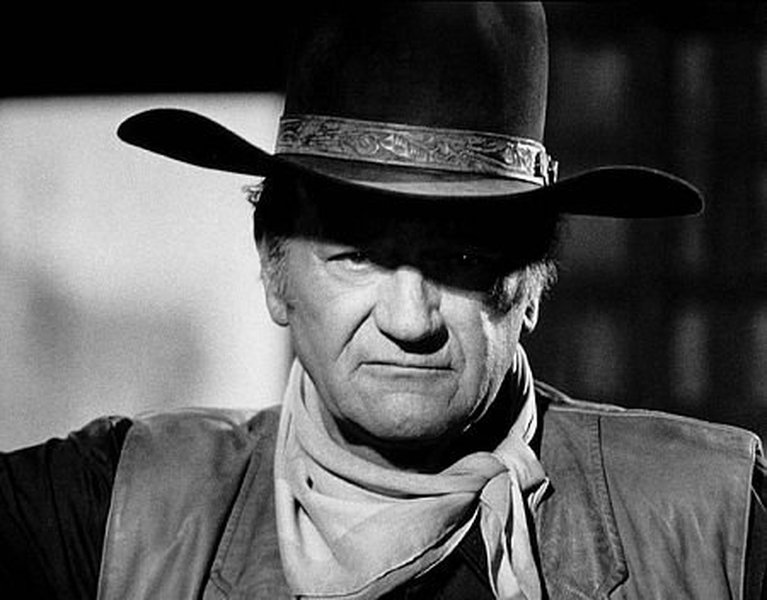
Dub Taylor (far right) in a classic Western setting, embodying his iconic persona.
Jeeps in Cinematic History: Utility and Action
From Military Utility to Hollywood Icon
The Jeep, originally developed for military use, transitioned into a versatile vehicle in popular culture, frequently featured in films and television for its rugged capabilities and iconic design. Its adaptability made it ideal for various cinematic scenarios, from adventurous treks through wilderness to intense chase sequences.
Jeeps in Pursuit and Practicality
In many films, particularly action and adventure genres, Jeeps are depicted in high-stakes chases or navigating challenging terrain. The vehicle's robust nature allows for dynamic scenes, showcasing its ability to keep pace with other vehicles, even sports cars, in fictionalized settings. While Dub Taylor was primarily associated with horse-drawn conveyances or on-foot roles in Westerns, the later stages of his career saw him in more contemporary settings where Jeeps might have been present. For instance, some of his later films or TV appearances could have placed him in a modern context where such vehicles were common, though specific instances of him riding a Jeep are not highly publicized.
The Intersection of Talents: Harmonica, Jeep, and Dub Taylor
A Hypothetical Harmony in Motion
While definitive evidence of Dub Taylor playing the harmonica specifically while riding in a Jeep is scarce in his extensive filmography, the idea is certainly plausible and aligns with elements of his career. His proficiency with the harmonica was a genuine talent from his vaudeville days, and he was known to incorporate musical elements into his performances. Similarly, Jeeps were prevalent in various cinematic productions, offering a blend of ruggedness and adventure that could have perfectly complemented Taylor's grizzled, authentic character portrayals.
Connecting the Dots: A Cinematic Vision
Imagine a scene where Taylor, perhaps as a wise old prospector or a resourceful frontiersman in a modern-day Western or adventure film, is navigating a challenging landscape in a Jeep. The engine's steady rumble, combined with the plaintive, soulful strains of his harmonica, could create a poignant or even comedic moment. This image draws upon his real-life musical skills and the symbolic utility of the Jeep in conveying movement and freedom. The absence of a widely recognized scene doesn't preclude the possibility of such a moment existing in a lesser-known work or even being an imagined scenario that perfectly encapsulates his unique blend of talents.
Analyzing Dub Taylor's Thematic Versatility
A Radar Chart of Character Attributes
To better understand Dub Taylor's profound impact and versatility as a character actor, we can visualize his key attributes. The following radar chart illustrates an opinionated analysis of his strengths across various performance dimensions. This helps to underscore why a hypothetical scene of him playing the harmonica in a Jeep, while not explicitly documented, resonates with his established persona and skills.
This radar chart highlights Dub Taylor's exceptional strengths, particularly in his "Western Persona," "Comedic Timing," and "Scene-Stealing" abilities. His "Musicality" is also rated highly, reflecting his vaudeville roots and occasional on-screen musical contributions. This visual representation underscores why the image of him playing a harmonica, even in an unexpected setting like a Jeep, feels authentic to his versatile and memorable career.
Noteworthy Roles and Enduring Presence
Beyond the Westerns
While primarily known for Westerns, Dub Taylor's filmography is remarkably diverse. He made appearances in various notable films and television shows across different genres. His ability to adapt to different roles and settings contributed to his longevity in Hollywood.
A Glimpse into His Extensive Filmography
Below is a table highlighting some of Dub Taylor's key roles and notable appearances, demonstrating the breadth of his acting career.
| Year | Title | Role | Genre | Significance |
|---|---|---|---|---|
| 1938 | You Can't Take It with You | Ed Carmichael | Comedy | Film debut, showcasing musical talent. |
| 1939-1944 | Various B-Westerns | Cannonball | Western | Iconic comedic sidekick role. |
| 1954 | Crime Wave | Gas Jockey | Crime Film | Uncredited, but impactful scene. |
| 1958 | Tonka | Rustler | Western (Disney) | A minor but memorable role. |
| 1959 | A Hole in the Head | Hotel Clerk | Comedy | Shared scenes with Frank Sinatra. |
| 1969 | The Wild Bunch | Minister | Western | Part of Sam Peckinpah's stock company. |
| 1972 | The Getaway | Laughlin | Action/Crime | Notable role in a major film. |
| 1973 | Pat Garrett and Billy the Kid | Josh | Western | Another collaboration with Sam Peckinpah. |
| 1974 | Thunderbolt and Lightfoot | Gas Station Attendant | Crime/Action | Role in a Michael Cimino film. |
| 1977 | The Rescuers | Luke (voice) | Animation (Disney) | Voice acting for Disney. |
| 1990 | Back to the Future Part III | Saloon Old-Timer #1 | Sci-Fi/Western | Late career appearance with Western veterans. |
| 1994 | Maverick | Room Clerk | Western/Comedy | Final film role. |
The Legacy of a Character Actor
A Prolific Career and Lasting Impression
Dub Taylor's career was marked by an astonishing number of credits, exceeding 250 films and television shows. He was known for his distinct voice, expressive face, and an ability to embody a wide range of quirky, often rural, characters. His presence added authenticity and comic relief to many productions, solidifying his reputation as a beloved character actor who could effortlessly "steal scenes."
Beyond Acting: A Family Legacy
Dub Taylor was also the father of actor and painter Buck Taylor, who continued the family's legacy in Westerns, most notably as Newly O'Brien in Gunsmoke. Dub Taylor passed away on October 3, 1994, at the age of 87, leaving behind a vast body of work that continues to entertain and resonate with audiences today.
Frequently Asked Questions About Dub Taylor
What was Dub Taylor's famous nickname?
What musical instruments did Dub Taylor play?
In which famous Frank Capra film did Dub Taylor make his debut?
Was Dub Taylor primarily a Western actor?
When did Dub Taylor pass away?
Conclusion
Dub Taylor's illustrious career as a character actor was defined by his distinctive presence, versatility, and deep roots in vaudeville. While a specific scene of him playing the harmonica while riding in a Jeep is not a widely documented moment, the concept beautifully marries his authentic musical talent with the rugged, adventurous spirit of the cinematic vehicles often found in his Western and action-oriented roles. His legacy as an "omnipresent, much-loved" figure in Hollywood, particularly in the Western genre, continues to resonate, celebrating a performer who truly embodied the characters he portrayed, often with a subtle blend of humor and authenticity.
Recommended Further Exploration
- Explore Dub Taylor's vaudeville career and how it influenced his early film roles.
- Discover other notable character actors who defined the classic Western genre.
- Learn about the evolution of Jeep's portrayal and significance in cinematic history.
- Delve into the use of the harmonica in famous film soundtracks and iconic movie scenes.
References
 travsd.wordpress.com

 stevesomething.wordpress.com
Last updated May 22, 2025