
Unlocking Genetic Secrets of Local Durio
Exploring the intricacies of genetic diversity for the future of durian breeding.
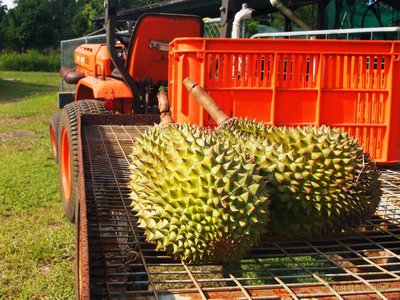
Key Highlights
- Genetic Diversity Assessment: Comprehensive analysis using molecular markers to assess genetic variability.
- Molecular Breeding and Conservation: Leveraging genetic information for targeted breeding programs and sustainable conservation.
- Gene Expression and Innovation: Utilizing transcriptomics and advanced biotechnological techniques to enhance cultivar traits.
Overview of Genetic Concept Development in Local Durio
The concept development for genetic analysis and improvement of local Durio zibethinus (durian) cultivars is a multifaceted process that involves assessing genetic variability, establishing phylogenetic relationships, and applying biotechnology for breeding purposes. Researchers utilize molecular markers and diverse genomic strategies to understand the genetic structure and diversity of local durian populations. These efforts are crucial in ensuring the sustainability of durian cultivation through improved traits such as disease resistance, fruit quality, and tolerance to abiotic stresses like drought.
Importance of Genetic Diversity Studies
The initial phase in the genetic development of local durian cultivars involves comprehensive genetic diversity studies. Researchers collect samples from various regions, such as South Kalimantan, Ternate Island, and West Halmahera, to evaluate the range of genetic variability and unique characteristics present within local populations. These studies help in:
- Establishing genetic baseline data and identifying distinct genetic clusters.
- Determining the degree of heterozygosity, which is vital for assessing genetic health and variability.
- Identifying superior cultivars with potential desirable traits like high fruit quality and drought tolerance.
Molecular markers such as Random Amplified Polymorphic DNA (RAPD), Inter Simple Sequence Repeat (ISSR), and gene-based InDel markers are extensively used to quantify this diversity. These tools not only map genetic differences but also help in pinpointing specific allele variations linked to agronomically important traits.
Methodologies Employed in Genetic Analysis
Molecular Markers and Techniques
A range of molecular marker technologies play a central role in the genetic analysis of local durian:
RAPD Markers
Random Amplified Polymorphic DNA (RAPD) markers are a primary tool used to detect polymorphisms in the durian genome. They offer a cost-effective way to assess genetic diversity and have been instrumental in studies across various regions in Indonesia. RAPD markers help in drawing correlations between genetic diversity and environmental adaptability.
ISSR Markers
Inter Simple Sequence Repeat (ISSR) markers are used to evaluate levels of genetic similarity and differences among local cultivars. These markers provide higher reproducibility compared to RAPD, ensuring more accurate phylogenetic assessments and genetic diversity profiling.
Gene-based InDel Markers
More recent innovations include the development of gene-based InDel markers linked to specific traits, particularly drought stress. The utilization of these markers enables the identification of gene regions that contribute to adaptive responses, leading to more effective marker-assisted breeding strategies.
Genomic, Transcriptomic, and Biotechnological Innovations
Beyond classical molecular markers, genomic and transcriptomic analyses provide deeper insights into durian biology. Researchers employ these methods to:
- Decode the complete or partial genome of local cultivars, thereby understanding genetic architecture and complexity.
- Analyze gene expression profiles during various developmental stages, particularly focusing on fruit ripening, aroma production, and stress responses.
- Identify key regulatory gene families, such as those involved in ethylene biosynthesis and sulfur metabolism, which are central to the fruit’s unique characteristics.
Looking into transcriptome data, scientists focus on timing and regulation of genes during durian fruit development. For example, the expression of genes related to ethylene has direct implications on the fruit ripening process and texture, major factors that influence both commercial and consumer preferences.
Applications in Breeding and Conservation
Marker-Assisted Breeding Programs
The knowledge gleaned from genetic diversity and gene expression studies directly informs breeding programs:
- Selection of Parent Plants: High genetic diversity enables breeders to choose superior cultivars that carry favorable traits. Crossbreeding these plants can yield offspring with enhanced resistance to diseases, improved fruit quality, and greater environmental adaptability.
- Genome-Directed Breeding: Marker-assisted selection accelerates the breeding process by focusing on specific genomic regions that correlate with desirable traits. This method streamlines the process and improves the efficiency of developing new cultivars.
- Conservation Strategies: Genetic profiling helps in identifying unique and indigenous cultivars, ensuring that valuable genetic resources are preserved for future breeding and cultivation efforts. In-situ and ex-situ conservation initiatives benefit from precise genetic data, encouraging sustainable agricultural practices.
Integration of Local Knowledge and Modern Genetics
Engaging local communities in genetic research is another cornerstone of durian improvement. Farmers, who traditionally have a deep knowledge of local durian varieties, provide critical insights that complement molecular data. Integrating this traditional knowledge with modern genetic analysis ensures that breeding programs remain contextually relevant and culturally sustainable.
Table: Comparative Overview of Molecular Tools in Durian Genetic Studies
| Methodology | Description | Applications |
|---|---|---|
| RAPD Markers | Detects polymorphisms by amplifying random segments of DNA. | Assessing genetic diversity and relationships among cultivars. |
| ISSR Markers | Improves reproducibility by targeting microsatellite regions. | Evaluating genetic similarity, clustering, and phylogenetic analysis. |
| Gene-Based InDel Markers | Identifies insertion-deletion variations linked to specific traits. | Marker-assisted breeding for traits such as drought tolerance. |
| Transcriptome Analysis | Studies gene expression during developmental stages. | Understanding pathways influencing ripening and aroma production. |
Gene Expression and Phylogenetic Insights
Phylogenetic Analysis and Genetic Linkages
Phylogenetic studies in local durian delve into evolutionary relationships among cultivars. By employing DNA sequencing of specific genes or whole genomes, researchers:
- Map out the evolutionary pathways that have led to current genetic diversity.
- Identify close genetic relationships that can be cross-utilized in breeding programs.
- Understand geographical and environmental influences that shape genetic diversity in durian.
These insights are particularly useful in predicting how cultivars will respond to biotic and abiotic stress conditions, guiding strategic breeding and cultivation tailored to evolving climatic conditions.
Integration with Transcriptomics
Transcriptomic studies allow researchers to profile gene expression during key developmental events. For example, during the maturation stage, certain genes trigger biochemical processes that lead to fruit softening and aroma formation. Genes involved in pathways such as ethylene biosynthesis have been a focal point, as their expression impacts both the quality and shelf life of the fruit.
Advanced sequencing technologies have enabled the identification of critical gene clusters that contribute to the overall phenotype of the durian fruit. This integration of transcriptomics with genomic and molecular marker studies creates a holistic picture of the genetic makeup and functional biology in local durian.
Embracing Future Directions
From Research to Real-World Application
The evolving field of genetic studies in local durian cultivars is paving the way for more rigorous breeding strategies that address emerging challenges:
- Enhanced Breeding Programs: Continuous advances in molecular techniques and gene expression profiling will empower breeders to create cultivars that are more resilient and aligned with market demands.
- Adaptive Agricultural Practices: With precise genetic data, agricultural management can be optimized, leading to better adaptation to changing environmental conditions.
- Conservation of Genetic Resources: Integrating high-resolution genetic tools into conservation efforts ensures that distinct local varieties remain preserved, supporting biodiversity in agricultural landscapes.
Researchers, farmers, and industry stakeholders are expected to benefit from an integrated approach that synthesizes cutting-edge genetic research with traditional horticultural practices. This synergy is likely to result in high-quality durian cultivars that not only meet economic goals but also preserve the unique genetic heritage of local durian varieties.
References
- Genetic Diversity of Local Durian - AIP Publishing
- Assessment of Genetic Diversity in Durian - MDPI
- Development of Gene-Based InDel Markers - PubMed
- Genetic Diversity in South Kalimantan Durian - ResearchGate
- Hybrid Durian Genetic Diversity Study - SCIRP
Recommended Related Queries
Last updated March 26, 2025