
Visual Artists in the Netherlands
A comprehensive analysis of recent data trends in Dutch visual arts
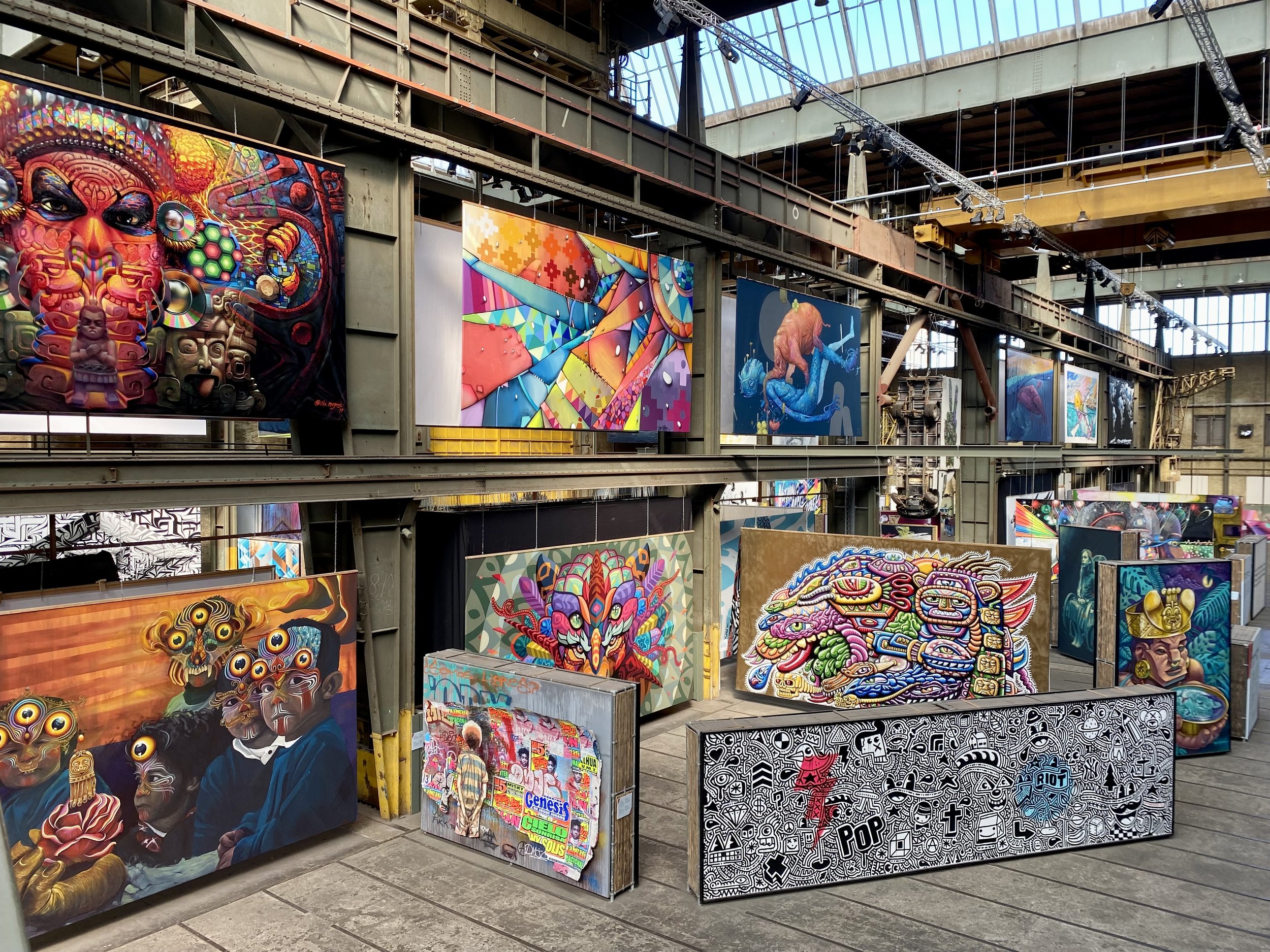
Essential Highlights
- Data Variations: Approximately 16,000 visual artists were recorded in 2022, with a noted growth trend reaching around 19,500 by 2023.
- Sector Growth: The period from 2010–2021 saw a significant increase, adding roughly 8,400 new visual artists, showing a robust expansion in the field.
- Diverse Landscape: The visual arts scene in the Netherlands includes self-employed professionals, studio-based creators, and a variety of art forms ranging from painting and sculpture to video and installation art.
Detailed Overview of Visual Arts Statistics
The art landscape in the Netherlands is diverse and dynamic, with recent statistics revealing intriguing figures that highlight both growth and continued vibrancy in the visual arts sector. While estimates vary slightly depending on the source and the year referenced, the consensus indicates that in 2022, about 16,000 professionals were actively working as visual artists in the country. By 2023, there is evidence pointing towards an increase in the number of active artists, with figures approximating 19,500 individuals. These numbers reflect not only an increase in professional engagement but also the broader recognition of visual arts as a vital component of the cultural economy.
Understanding the Data Sources
Multiple reliable sources contribute to the data aggregated from professionals in the Netherlands. For instance, the Cultuurmonitor and other Dutch cultural statistics provide credible insights regarding employment and participation trends. These sources often differentiate between self-employed artists, those engaged in studio practices, and individuals employed in specific aspects of the artistic community. While the 16,000 figure most commonly represents the base count in 2022, newer estimates reflecting expanded data collection or updated methodologies account for a noticeable increase in active artists in the subsequent years.
Historical Growth Trends
Over the decade spanning from 2010 to 2021, the Netherlands experienced substantial growth in the visual arts sector. The influx of approximately 8,400 new visual artists during this period underscores a significant expansion that is driven by both an increasing interest in creative professions and supportive cultural initiatives. Governmental and institutional policies in the Netherlands have historically promoted the arts, which has contributed to better funding, more exhibition opportunities, and international exposure for artists. Consequently, this has fostered an environment in which emerging talent can thrive alongside established artists.
Sector Diversity and Professional Dynamics
The Netherlands is celebrated for hosting a wide array of art forms. Visual artists in the country do not only engage in traditional practices like painting and sculpture but also explore modern media such as video art, installation art, and mixed media projects. A significant portion of visual artists are self-employed, operating independently or within small studios. This self-employed sector is crucial for the creative ecosystem as it encourages individuality and the pursuit of unique, often innovative, artistic expressions. As such, visual artists frequently set up their creative spaces and operate without the constraints prevalent in other employment sectors.
International Recognition and Cultural Impact
The strong artistic traditions in the Netherlands support widespread international engagement. Dutch artists are increasingly involved in global cultural networks, contributing their expertise and innovative approaches abroad. This international participation not only enhances the global reputation of the Netherlands as a cultural hub but also enriches the local art scene through the reciprocal exchange of ideas and practices. Programs, residencies, and exhibitions across continents validate the creative excellence of the Dutch art community and fuel further growth within the country.
Comparative Data Summary
The following table synthesizes the key statistical insights regarding the number of visual artists in the Netherlands. It highlights the change over specific periods and categorizes the information based on the type of employment and data source:
| Category | Year | Approximate Number | Notes |
|---|---|---|---|
| Recorded Visual Artists | 2022 | ≈ 16,000 | Primary data from Cultuurmonitor and related sources. |
| Active Visual Artists | 2023 | ≈ 19,500 | Reflecting growth trends and increased activity in the field. |
| Growth Over a Decade | 2010–2021 | +8,400 | Represents the increase in active professionals over this period. |
Interpreting the Data
It is important to consider that data in the creative sectors can be subject to varying definitions and methodologies. While some figures represent self-employed or freelance visual artists exclusively, others aggregate data to include artists employed in various organizations, galleries, and cultural institutions. Therefore, slight discrepancies can occur depending on whether one refers specifically to employment statistics or broader artistic engagement metrics.
Implications of Data Trends
The apparent increase from 16,000 to 19,500 over a short period suggests several implications:
- Enhanced Economic Contributions: With more visual artists active, the cultural economy experiences positive financial impacts, ranging from increased sales of artworks to the promotion of art-related tourism.
- Diverse Artistic Expression: The growth reflects an environment in which numerous new forms of artistic expression and technological integration — such as digital art forms and interactive installations — are being embraced.
- Policy Impact: Cultural policies and funding initiatives implemented over the past decade have likely contributed to this increase, indicating the effectiveness of strategies aimed at nurturing creative talent.
Sector Challenges and Future Prospects
Despite the positive growth, the visual arts sector in the Netherlands faces its own set of challenges. Like many creative fields worldwide, visual artists in the Netherlands often contend with:
- Funding shifts and market volatility that can affect independent and self-employed artists.
- The balance between artistic freedom and commercial viability, particularly for emerging artists.
- The dynamic nature of contemporary art, where traditional practices may sometimes be overshadowed by digital or multimedia innovations.
However, these challenges are counterbalanced by ongoing investments in cultural initiatives and the establishment of international collaborations that continuously enhance the global stature of Dutch art. Ongoing developments in technology and exhibition methods also provide new avenues for visual artists to reach broader audiences.
Broader Context and Cultural Significance
The continuous growth in the number of visual artists is emblematic of the Netherlands' rich cultural tradition. The Dutch have historically been at the forefront of artistic innovation — from the Renaissance masters to the innovators of modern and contemporary art. This legacy persists today, as modern visual artists frequently draw inspiration from historic practices while integrating contemporary technologies and conceptual frameworks.
Cultural Integration and Community Engagement
The integration of visual art into community life in the Netherlands is notable. Many cities, such as Amsterdam, Rotterdam, and Utrecht, boast galleries, museums, and cultural centers that actively promote visual arts. These institutions provide platforms for artists to exhibit their work and for the public to engage with contemporary culture. Festivals, public art installations, and urban art projects further ensure that the art is accessible and that the creative community remains interconnected with the wider public.
Role of Cultural Policies
National and local cultural policies have played a critical role in the enhancement of the visual arts arena. By providing grants, organizing residencies, and facilitating international exchanges, policy-makers have ensured that artists receive not only financial support but also the necessary infrastructure to pursue ambitious projects. This supportive environment has provided fertile ground for innovation and excellence in visual arts.
Summarizing the Current Landscape
Summarily, the artistic landscape of the Netherlands is marked by a noteworthy upward trajectory in the number of visual artists. From around 16,000 active professionals in 2022 to nearly 19,500 by 2023, these statistics emphasize both growth and broadening opportunities for artists. Whether viewed as a sign of a flourishing creative sector or as evidence of supportive cultural policies, this evolution offers a promising outlook for the future of visual arts in the country.
Opportunities for Further Research
For those interested in exploring this topic further, investigating the following areas can provide deeper insights:
- Comparative analysis of cultural policy impacts on the arts across European countries.
- The role of digital platforms and new media in expanding the reach of visual artists.
- Case studies on successful art residencies and international exhibitions facilitated by Dutch cultural initiatives.
- The economic implications of the visual arts sector on urban development in major Dutch cities.
- Historical evolution of the Netherlands’ art scene and its global influence over time.
References
- Arts and Culture in Figures - BeroepKunstenaar
- Visual Arts Overview - Cultuurmonitor
- Dutch Artists' International Activity - The Low Countries
- Visual Artists Data - TransArtists
- Visual Arts in the Netherlands - DutchCulture
Recommended Further Queries
Last updated March 7, 2025