
Comprehensive Overview of Duties and Responsibilities at a Border Post
Ensuring National Security and Facilitating Legitimate Cross-Border Activities
Key Takeaways
- Security and Law Enforcement: Central to maintaining the integrity of national borders by preventing illegal activities and ensuring compliance with laws.
- Inspection and Processing: Critical for verifying documentation, inspecting goods, and facilitating legitimate trade and travel efficiently.
- Collaboration and Customer Service: Involves coordination with multiple agencies and providing assistance to travelers to promote smooth border operations.
Security and Law Enforcement
Implementing Robust Security Measures
Border posts are pivotal in safeguarding national security. Personnel are tasked with implementing comprehensive security plans that protect the border area from unauthorized access and potential threats. This includes the deployment of surveillance systems, the use of biometric scanners, and maintaining a visible security presence to deter and detect illegal activities such as smuggling, unauthorized crossings, and terrorist movements.
Preventing Illegal Activities
Border security officers actively work to prevent illegal entry of individuals and contraband. This involves continuous monitoring and patrolling of the border zones, utilizing advanced technology like x-ray machines and surveillance cameras to detect suspicious activities. The enforcement of immigration and customs laws is achieved through the apprehension, detention, and arrest of individuals who attempt to bypass legal entry protocols.
Inspection and Processing
Document Verification and Identity Confirmation
A critical function at border posts is the verification of travel documents. Officers meticulously check passports, visas, and other necessary permits to ensure their validity and authenticity. This process includes cross-referencing identities with official records to prevent fraudulent entries and to maintain accurate logs of all individuals entering and exiting the country.
Goods and Cargo Inspection
Inspection of goods and merchandise is essential to ensure compliance with customs regulations. Border personnel examine cargo for prohibited items, contraband, and ensure that taxes and duties are appropriately applied to imported and exported goods. Advanced screening technologies are employed to facilitate efficient and thorough inspections, minimizing delays while maintaining security standards.
Efficient Processing of Legitimate Entries and Exits
Facilitating legitimate trade and travel is a key responsibility. Border posts aim to streamline the processing of legal entries and exits to support economic activities and personal travel. This involves maintaining efficient queues, reducing wait times, and providing clear guidance to travelers to ensure a smooth and respectful border crossing experience.
Customer Service and Facilitation
Assisting Travelers and Traders
Providing excellent customer service is integral to border operations. Officers offer assistance to travelers by answering queries, explaining regulatory requirements, and guiding individuals through the border crossing process. This ensures that legitimate travelers and traders experience minimal inconvenience while maintaining security oversight.
Managing Conflicts and Providing Guidance
Border personnel are trained to handle conflicts and resolve issues professionally and courteously. Whether dealing with documentation discrepancies, traveler misunderstandings, or security concerns, maintaining composure and providing clear communication are essential for effective border management.
Collaboration and Compliance
Interagency Coordination
Effective border security relies on collaboration with various government agencies, including customs, police, military, and immigration services. Coordinating efforts ensures comprehensive coverage of security measures and facilitates the sharing of intelligence regarding potential threats or security breaches.
Adhering to Legal Frameworks
Compliance with national and international laws is paramount. Border personnel must ensure that all activities adhere to relevant legal standards, human rights guidelines, and policy frameworks. Continuous training and updates on evolving laws and regulations are necessary to maintain high standards of legal compliance.
Intelligence Gathering and Analysis
Monitoring and Surveillance
Intelligence gathering is a proactive function that involves monitoring border activities to identify potential security threats. Utilizing advanced surveillance equipment, border posts track movements and analyze data to detect patterns that may indicate illegal activities or security risks.
Analyzing Intelligence Data
The collected intelligence is analyzed to inform decision-making processes and strategic planning. By understanding trends and emerging threats, border authorities can adapt their security measures to address vulnerabilities effectively.
Law Enforcement Functions
Apprehension and Detention
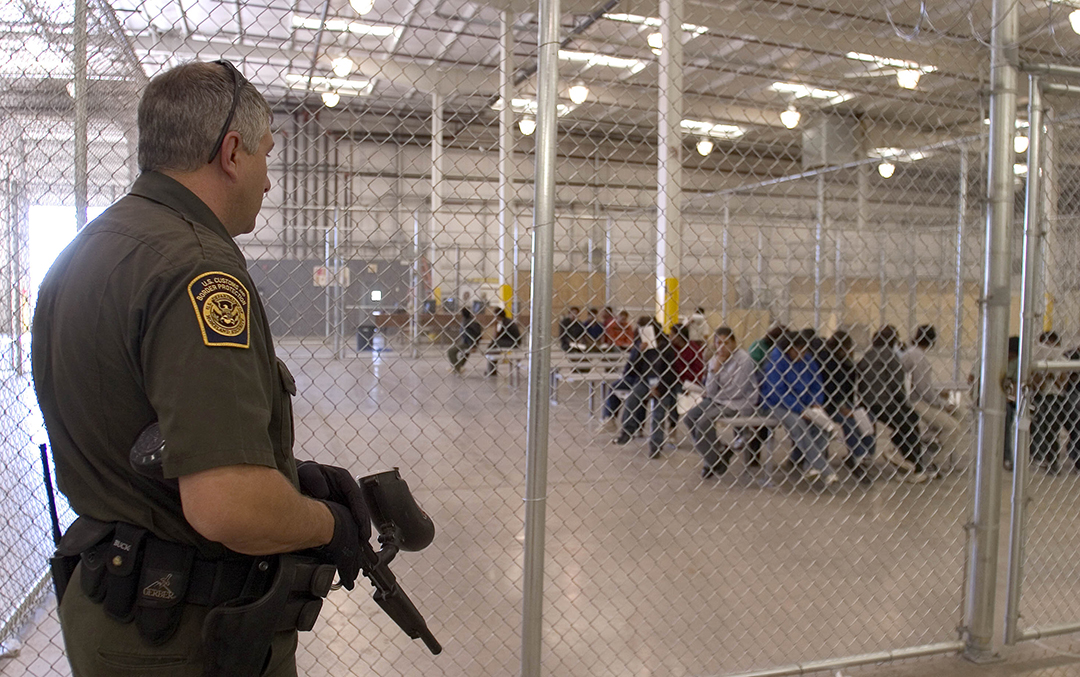
Enforcing border laws involves the apprehension and detention of individuals who violate immigration or customs regulations. This includes illegal immigrants, smugglers, and individuals involved in trafficking or other illicit activities. Border personnel are trained to handle these situations with the appropriate use of force and legal procedures.
Court Testimonies and Legal Proceedings
In cases of border violations, officers may be required to provide testimonies and evidence in court proceedings. Their detailed reports and firsthand accounts are crucial for the prosecution and conviction of offenders.
Emergency and Specialized Procedures
Handling Asylum Seekers and Refugees
Border posts play a significant role in processing asylum seekers and refugees. This involves conducting interviews, assessing eligibility, and coordinating with immigration and humanitarian agencies to ensure that individuals receive appropriate support while maintaining border security.
Responding to National Security Threats
In the event of national security threats, border personnel are prepared to respond swiftly and effectively. This includes emergency procedures, search-and-rescue operations, and collaborating with specialized units to neutralize threats.
Intelligence and Information Management
Maintaining Accurate Records
Accurate record-keeping is essential for monitoring border activities. This includes maintaining logs of entries and exits, recording customs declarations, and tracking the movement of individuals and goods. Digital systems are often employed to ensure data integrity and ease of access for analysis.
Reporting and Data Sharing
Timely reporting of suspicious activities and incidents is critical for maintaining security. Border posts utilize information management systems to share data with relevant authorities, facilitating coordinated responses to security incidents and enhancing overall border management.
Training and Development
Continuous Skill Enhancement
Border personnel undergo continuous training to keep abreast of the latest security techniques, legal requirements, and technological advancements. This ensures that they are well-equipped to handle evolving security challenges and perform their duties effectively.
Adaptation to Evolving Threats
As security threats evolve, so do the strategies and tactics employed by border personnel. Training programs are regularly updated to incorporate new methodologies for threat detection, prevention, and response, ensuring adaptive and resilient border security operations.
Facilitating Legitimate Trade and Travel
Efficient Customs Clearance
Border posts are responsible for ensuring that legal trade and travel proceed without unnecessary delays. This involves facilitating the swift processing of goods and individuals, reducing wait times, and enhancing the overall efficiency of border operations.
Supporting Economic Activities
By providing streamlined services for legitimate trade and travel, border posts support the economy by enabling smooth cross-border business operations and promoting international cooperation and cultural exchange.
Conclusion
Border posts serve as critical gateways that balance the imperative of national security with the facilitation of legitimate cross-border activities. The multifaceted duties and responsibilities of border personnel encompass security enforcement, inspection and processing, customer service, interagency collaboration, and the management of emergencies and specialized situations. By maintaining rigorous security protocols and promoting efficient and respectful service to travelers and traders, border posts uphold the integrity of national borders while supporting economic and social interactions.
References
| Category | Responsibilities |
|---|---|
| Security and Law Enforcement | Implementing security plans, conducting surveillance, preventing illegal activities, enforcing laws. |
| Inspection and Processing | Document verification, goods inspection, efficient processing of legitimate entries and exits. |
| Customer Service and Facilitation | Assisting travelers, managing conflicts, providing guidance and information. |
| Collaboration and Compliance | Interagency coordination, adhering to legal frameworks, intelligence sharing. |
| Intelligence Gathering and Analysis | Monitoring border activities, analyzing data, identifying potential threats. |
| Law Enforcement Functions | Apprehension, detention, providing court testimonies, enforcing customs and immigration laws. |
| Emergency and Specialized Procedures | Handling asylum seekers, responding to security threats, emergency travel processing. |
| Information Management | Maintaining records, reporting suspicious activities, data sharing. |
| Training and Development | Continuous training, adapting to evolving threats, skill enhancement. |
| Facilitating Legitimate Trade and Travel | Efficient customs clearance, supporting economic activities, ensuring smooth operations. |
Last updated February 11, 2025