
Changing Your DV Interview Location
Comprehensive Guidance on Changing Your DV Interview Location from Morocco
Key Highlights
- Eligibility: Your ability to change your interview location depends on your legal residency in the chosen country.
- Country Options: Several countries such as Tunisia, Egypt, Jordan, Turkey, and Algeria are known to offer interviews without a strict residency permit requirement.
- Tunisia Focus: More detailed information is provided on Tunisia, including its interview process, benefits, and associated caveats.
Understanding DV Interview Location Changes
As a winner of the Diversity Visa lottery seeking to change your interview location from Morocco, your first step involves understanding the rules governing interview location changes. The interview is often tied to the address provided on your DS-260 form. When seeking a change, the primary consideration is that you are legally residing in the country where the interview will be held. Simply holding a tourist visa is not enough; you must have legal residence in that country.
Changing the location requires you to submit the DS-260 form and then contact the appropriate authorities or the Kentucky Consular Center (KCC) to inform them of your intent. It is essential to verify that your new location’s U.S. embassy or consulate accepts applicants without a residency permit if you do not hold one. Guidelines can vary from country to country, so thorough confirmation with the embassy is mandatory.
Countries Offering DV Interviews Without a Strict Residency Permit
Several countries within North Africa, the Middle East, and beyond sometimes offer Diversity Visa interviews without the absolute requirement of a residency permit—provided that you can prove legal presence in that country. However, this can depend on local laws, recent changes, and specific circumstances of your case. We provide an overview of some commonly mentioned countries in discussions on this topic:
Country Options and Their Pros and Cons
| Country | Pros | Cons |
|---|---|---|
| Tunisia |
|
|
| Egypt |
|
|
| Jordan |
|
|
| Turkey |
|
|
| Algeria |
|
|
Detailed Insights on Tunisia
Overview
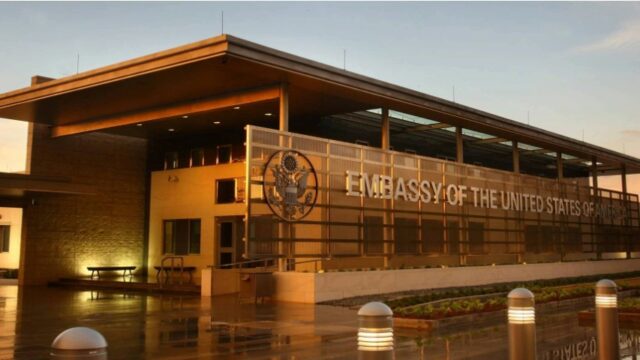
Tunisia is often mentioned as a location where a Diversity Visa interview may be conducted without the strict requirement of a residency permit. This does not imply that the U.S. Embassy in Tunisia categorically ignores residency issues; rather, the embassy generally accepts applicants who are legally present within the country as long as they can provide appropriate documentation showing their legal status.
Why Tunisia?
Tunisia is a popular alternative for DV lottery winners due to a combination of factors. The U.S. Embassy in Tunisia has set up protocols that make the process relatively straightforward, relying on the fact that many applicants in North Africa find it easier to fulfill the residency requirement compared to other regions. When you indicate an address in Tunisia on your DS-260 or have a legally recognized status in Tunisia, the embassy tends to accommodate your interview request.
Positive Aspects of Tunisia for DV Interviews
Accessibility and Experience: The embassy in Tunisia has considerable experience in managing Diversity Visa interviews, ensuring that the process is clear and well-organized for applicants from North African countries.
Documentation Flexibility: For many applicants, the absence of a strict residency permit requirement means that if they are legally in Tunisia—such as those who have a legal work visa, study visa, or other permit types—they can schedule their interview without the additional barrier of acquiring permanent residency.
Simplified Processes: Tunisia often provides streamlined procedures compared to other regions where applicants might face more rigid documentation checks or higher administrative hurdles.
Negative Aspects and Considerations
Potential Administrative Delays: Even though the process is generally straightforward, applicants may face delays if the embassy experiences a backlog or if local administrative policies change.
Limited Capacity: While Tunisia can accommodate many interviews, the embassy’s capacity is not unlimited and may result in longer waiting times during peak seasons or periods of heightened security.
Need for Confirmatory Information: Policies can vary and are subject to change. It is essential to directly contact the U.S. Embassy in Tunisia or check the official embassy website to confirm that your unique situation meets the legal residency requirements for an interview.
Source of Information on Tunisia's Residency Policy
The current understanding that Tunisia does not strictly enforce the residency permit requirement comes from a synthesis of reported experiences shared in various immigration forums and official descriptions provided on the U.S. Embassy's website for Tunisia. This consensus among multiple discussions and official channels indicates that as long as you are legally present in Tunisia, you can pursue your DV interview there without the need for a formal residency permit. However, it is strongly recommended that you verify this policy with the embassy, as rules may evolve over time.
Steps to Change Your Interview Location
If you decide to change your interview location from Morocco to one of these countries, here are the recommended steps to follow:
1. Update Your DS-260 Form
The first step is to update or fill out your DS-260 form with your new address in the country where you wish to have your interview. Ensure that the address is accurate and that you can provide documentation (such as a lease, work visa, or study permit) establishing your legal presence in that country.
2. Contact the Kentucky Consular Center (KCC)
After updating your DS-260, you will need to contact the KCC with a formal request to change your interview location. Provide clear documentation of your legal residency status in the new country as well as any other supporting evidence requested by the KCC.
3. Verify with the U.S. Embassy or Consulate
It is critical to reach out to the U.S. embassy or consulate in your chosen country to confirm their specific requirements for residency and interview scheduling. Policies can vary, and the embassy might have additional instructions or required documentation.
4. Keep Updated on Policy Changes
Immigration policies and embassy protocols can change over time. Therefore, maintain up-to-date communications with both the KCC and the embassy, and regularly check the official websites for any updates that might affect your application or interview process.
Additional Considerations for Changing Interview Location
Beyond selecting a country based on its residency permit requirements, other factors may influence your decision:
Travel Logistics
Evaluate the travel logistics to your new location, including flight costs, visa considerations for moving or temporarily relocating, travel time, and local accommodations. Some countries may have higher travel expenses or limited availability of flights, which could impact your overall cost and schedule.
Family and Work Considerations
Consider the impact on your family or work situation if you need to be in a different country for your interview. In some cases, changing the interview location not only simplifies the process but also allows better management of your personal and professional responsibilities.
Documentary Requirements
Make sure you are aware of all the documentary requirements once you change your location. This may include additional certifications, police clearance letters, or specific identity documentation that your new interview location might require.
Table Summary of Key Considerations
| Factor | Details |
|---|---|
| Legal Residency | You must be legally present in the country where the interview is scheduled. Documentation is crucial. |
| DS-260 Form | Update your DS-260 form to reflect your new address and supporting evidence of residency. |
| Contact Authorities | Communicate with the KCC and the U.S. embassy in the new location with your request and documents. |
| Country Specifics | Each country such as Tunisia, Egypt, Jordan, Turkey, and Algeria has its own pros and cons for hosting the DV interview. |
| Policy Updates | Constantly monitor official channels for any changes in policies or requirements. |
Conclusion and Final Thoughts
Changing your DV interview location from Morocco involves nuanced considerations, predominantly related to ensuring that you are legally residing in the chosen country. Countries like Tunisia, Egypt, Jordan, Turkey, and Algeria have been frequently mentioned as accessible alternatives without the stringent demand for a residency permit. In particular, Tunisia is recognized for its relatively simplified procedures, provided that you can present proof of legal presence.
Although Tunisia appears to be a viable option, it is essential to directly contact the U.S. Embassy in Tunisia to verify current policies and ensure that your documentation meets their requirements. Always keep abreast of any policy changes and remain proactive by communicating with both the Kentucky Consular Center and the embassy. This approach will help mitigate any possible delays or complications during your interview scheduling.
By following the outlined steps—updating your DS-260, verifying with relevant authorities, and preparing your documentation—you can streamline the process of changing your DV interview location. Assess your options carefully, considering both travel logistics and personal circumstances, to select a new location that best suits your needs.
References
- Diversity Visa Interview Information - U.S. Department of State
- Diversity Visa - U.S. Embassy in Tunisia
- How to Change DV Immigrant Visa Interview - VisaJourney
- Change Interview Location Details - VisaJourney Forums
Recommended Related Queries
Last updated February 27, 2025