
Literature Review on Fostering Community in Education
Reviewing Studies on Identity Fluidity, Group Affiliation, and Inclusive Spaces
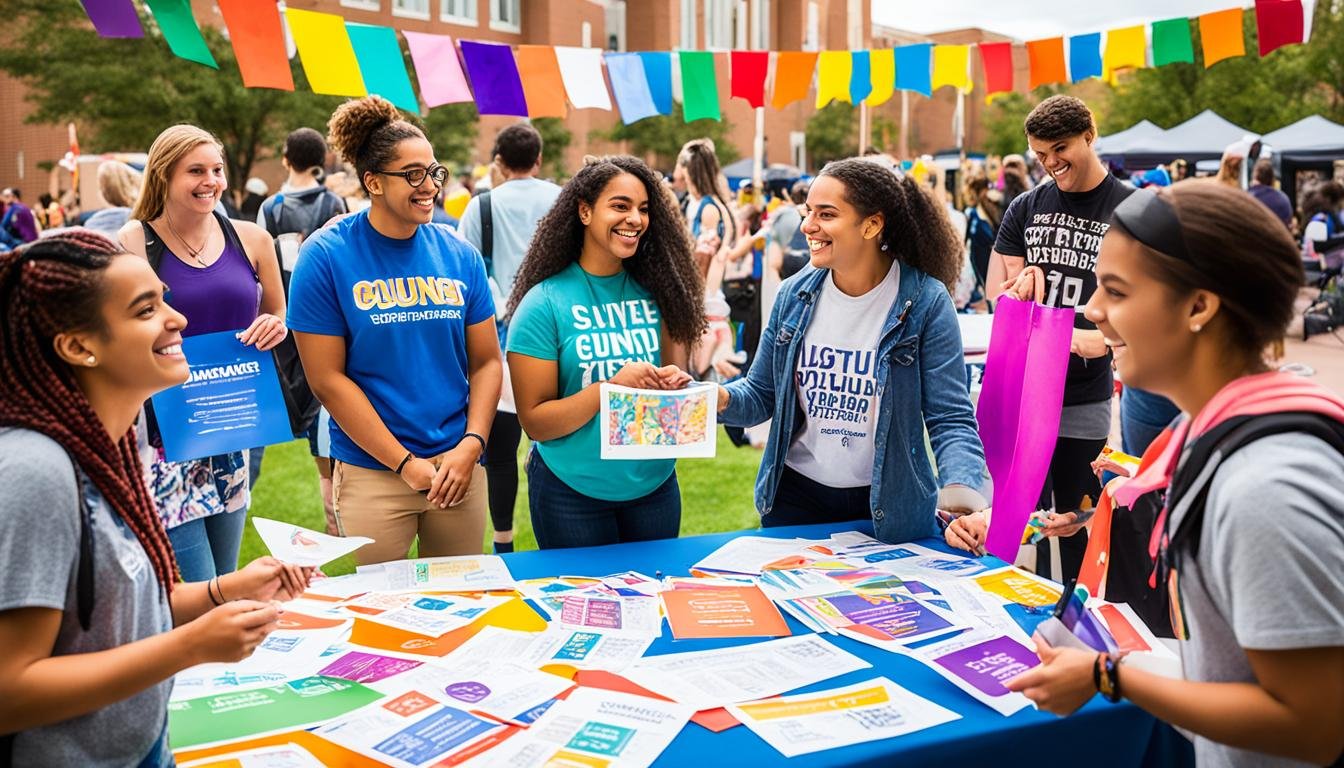
Highlights
- Dynamic Identity and Inclusion: Students experience constant evolution in their personal identities, which can sometimes weaken group affiliations.
- Classroom & Campus Interventions: Inclusive practices and intentional social spaces enhance belonging, promoting academic success and well-being.
- Integrative Frameworks: Contemporary research emphasizes combining identity fluidity with community building strategies for enriched educational outcomes.
Introduction
In the period between 2021 and 2025, scholars and educators have focused considerable attention on understanding how students navigate the complex interplay between their evolving personal identities and the often static nature of group affiliation. As students experience identity fluidity - where self-concepts change due to social, political, and cultural influences - many face challenges in developing robust group belonging. This literature review synthesizes key findings from recent studies that explore the dynamic nature of identity and offers insight into how enhancing inclusive spaces could lead to improved social-emotional outcomes and academic performance. The review discusses theoretical frameworks, empirical studies, and implementation strategies that are shaping current approaches to fostering a sense of community in educational institutions.
Theoretical Background
Understanding Identity Fluidity
Research between 2021 and 2025 confirms that personal identity is not a fixed construct but continuously evolves as students gain new experiences and perspectives. Several studies have documented that identity fluidity allows for considerable personal growth, self-reflection, and adaptation to diverse social contexts. However, this fluidity also poses shortcomings, particularly in the realm of group affiliation. As students' identities change, their connection with preset social groups may weaken due to misaligned expectations, static group norms, or the absence of a supportive community that can embrace their evolving self-concepts.
The Dynamics of Group Affiliation
The group affiliation process, as observed in recent studies, appears to be less dynamic compared to personal identity evolution. Traditional social groups such as clubs, academic cohorts, or even informal peer circles often rely on established norms that leave little room for incorporating those undergoing rapid identity changes. The literature highlights that while students readily adapt and change on a personal level, the environments in which group identities are formed do not adapt at the same pace. This results in a misalignment: students frequently feel a diminished sense of belonging within groups, which can negatively impact their emotional well-being and academic performance.
Empirical Studies and Findings
Student Well-Being and Academic Outcomes
A significant focus of the literature is the relationship between a strong sense of community and student outcomes. Multiple studies conducted in the past few years indicate that a robust sense of belonging correlates with higher academic performance, enhanced mental health, and increased persistence in academic programs. The research emphasizes that when students feel connected to their educational environments, there is a positive cascade effect on their overall development. This is particularly evident among first-generation students, minority groups, and those from diverse socio-economic backgrounds, where the feeling of isolation can be more pronounced. Enhancing belonging can counter these effects, leading to improved retention, motivation, and graduation rates.
Inclusive Classroom and Campus Interventions
Social-Emotional Learning (SEL) Strategies
One of the primary interventions recommended in the literature is the adoption of Social-Emotional Learning (SEL) strategies that acknowledge and support identity fluidity. SEL initiatives are designed to help students develop essential interpersonal skills, foster empathy, and enhance communication. Implementing SEL in classrooms as part of a broader strategy to build an inclusive atmosphere often results in the following outcomes:
- Improved student-teacher relationships and student-peer bonds.
- Enhanced self-awareness and the ability to adapt personal identity within a group context.
- Development of a classroom culture that celebrates diverse identities.
For example, classes that integrate reflective exercises, group discussions, or storytelling sessions encourage students to share personal narratives. These strategies not only validate individual experiences but also create an environment in which group affiliations are continually reinforced, even as personal identities evolve.
Designing Physical and Digital Learning Spaces
Another critical intervention is the intentional design and reconfiguration of learning spaces, both physical and digital, to encourage inclusivity and interaction. Recent studies have found that when learning environments facilitate diverse interactions, they help bridge the gap between individual identity evolution and group cohesion. Modifications to classrooms, such as flexible seating arrangements, multicultural décor, and digital collaboration tools, provide students with multiple avenues for expression and connection. These initiatives help transform traditional static learning spaces into dynamic environments that support continuous personal and communal growth.
Correctly configured spaces can serve as hubs of inclusive interaction. For instance, interactive bulletin boards, digital communal areas, and hybrid learning environments enable students to engage meaningfully regardless of their physical location. Such approaches are particularly beneficial in diverse student populations, where varying cultural backgrounds require adaptive spaces that communicate respect and understanding.
Integrative Theoretical Models
The literature also showcases several integrative theoretical models that merge developmental and social-psychological perspectives to explore the connection between identity fluidity and group affiliation. One emerging model emphasizes two interdependent processes: the fluidity of personal identity and the relatively static nature of social groups. This dual-process framework suggests that educational strategies need to both acknowledge the mutable nature of individual identity and actively transform group dynamics to reinforce cohesion. According to these models, employing interventions that facilitate shared experiences, collaborative projects, and reflective narratives can help align these processes. As students see their evolving selves reflected in the collective group experience, their overall sense of belonging is strengthened.
Case Studies and Longitudinal Research
A number of case studies and longitudinal research projects have been conducted during this period, offering empirical support for the integrative model. In one notable study, researchers followed a cohort of students over several academic terms to investigate the impact of targeted interventions on their sense of belonging. The study found that students who participated in community-building activities reported a higher sense of integration and performed better academically compared to those who did not engage in such interventions.
This research highlights the importance of establishing continuity between personal and group identities. It underlines that while personal identity changes are anticipated and natural, the benefits of strong group affiliation are best realized when a structured support system is in place. Such systems include mentorship programs, peer-led groups, and facilitated dialogues that create an adaptive and resilient community on campus.
Implementation of Interventions
Strategies for Enhancing Inclusivity
The body of literature suggests a variety of strategies to build inclusivity and improve students’ group affiliation. These methods emphasize that creating inclusive spaces goes beyond mere policy implementation. Instead, it requires a holistic approach that permeates every facet of the educational experience. Below, important strategies are detailed:
Collaborative Learning and Peer Mentorship
Collaborative learning techniques, where students engage in group-based projects, can serve as an effective means for integrating diverse identities and building group cohesion. Research has shown that when students work together in environments that promote shared goals and mutual support, they experience an enhanced sense of belonging. Peer mentorship programs, in which students are paired with mentors who guide them both academically and emotionally, have also been identified as impactful. Such relationships provide a structured pathway for students to feel connected and valued within the academic community.
Culturally Responsive Pedagogies
Culturally responsive teaching practices are another cornerstone of inclusive education. These approaches require that educators understand and incorporate the diverse cultural backgrounds and experiences of their students into the learning process. By designing curricula that reflect a range of perspectives and by creating classroom spaces where all identities are celebrated, educators can help bridge the gap between individual identity fluidity and group belonging. The inclusive nature of these pedagogies fosters an environment where differences are seen as assets rather than barriers.
Technology-Enhanced Social Learning
Modern educational environments increasingly incorporate technology to facilitate social learning. Digital platforms and virtual community spaces have been utilized to create forums where students can share experiences, collaborate on projects, and build networks that transcend traditional physical boundaries. These platforms are particularly useful in supporting students who may otherwise feel isolated. The use of technology in fostering community has shown promising results, with students demonstrating improved social-emotional outcomes and a more profound sense of belonging when digital and physical learning environments are integrated seamlessly.
Monitoring and Evaluation of Interventions
Continuous monitoring and evaluation are essential for ensuring that the strategies designed to enhance inclusivity and belonging are effective. Many studies from 2021 to 2025 have stressed the importance of deploying both qualitative and quantitative metrics to evaluate the success of these interventions. These metrics include:
| Metric | Description | Implication |
|---|---|---|
| Sense of Belonging Surveys | Student self-report measures evaluating feelings of inclusion | Increased scores correlate with higher academic performance |
| Academic Performance | GPA, retention rates, and graduation rates | Enhanced belonging is linked to improved academic metrics |
| Mental Health Evaluations | Survey instruments assessing stress, anxiety, and well-being | Reduced stress and improved mental health outcomes are observed |
| Engagement in Extracurricular Activities | Participation rates in student-led initiatives and groups | Active engagement indicates robust community integration |
The table above summarizes some of the evaluation metrics commonly employed. By analyzing these factors, institutions are able to adapt and refine their approaches to maximize inclusivity and achieve sustained improvements in both academic and personal development for students.
Challenges and Future Directions
Addressing Persistence and Sustainability
While the review highlights many successful intervention strategies, it also acknowledges existing challenges. One ongoing issue is the persistence of traditional social structures that may inadvertently preclude fluid and ever-changing personal identities from fully integrating into established groups. Addressing these challenges involves not only redesigning learning spaces and curricula but also advocating for systemic changes in institutional policies that embrace flexibility and diversity. Innovative leadership and a commitment to continuous improvement are required to sustainably transform these environments.
Scaling Interventions Across Diverse Contexts
Another area that demands further research is the scalability of successful interventions. Much of the available literature is based on case studies within specific academic institutions or localized educational settings. Extrapolating these findings to broader, more diverse educational environments remains a key area for future inquiry. Researchers are encouraged to develop comparative studies across different cultures, socio-economic groups, and educational systems to determine which strategies universally promote a sense of belonging and which require contextual adaptation.
Exploring the Bidirectional Relationship
Future research should also explore the bidirectional nature of the relationship between identity fluidity and group affiliation. Although current studies have established that a strong sense of belonging can enhance both academic performance and well-being, a deeper understanding of how changes in individual identity drive or hinder group cohesion is necessary. Longitudinal studies that track identity evolution alongside measures of group inclusion will be pivotal in disentangling these complex interdependencies. Such inquiries will likely yield insights that can refine theoretical models and practical interventions alike.
Synthesis and Recommendations
Integrated Educational Framework
The converging evidence from the reviewed literature emphasizes the need for an integrated educational framework—one that concurrently addresses identity fluidity and group inclusion. This framework must provide avenues for individual growth while ensuring that communal bonds remain strong. Key recommendations for such a framework include:
- Emphasizing SEL: Implementing social-emotional learning curriculums that support personal and group development simultaneously.
- Redesigning Learning Environments: Adopting flexible physical and digital spaces that invite diverse interactions and collaborative exchanges.
- Embedding Culturally Responsive Practices: Incorporating educational content and pedagogies that value the diverse backgrounds, cultures, and identities of all students.
- Facilitating Continuous Evaluation: Utilizing robust monitoring and evaluation methods to assess the impact of inclusivity interventions on student outcomes.
Implementing Change at Multiple Levels
Successful implementation of these recommendations requires coordinated changes at multiple levels of education. At the classroom level, teachers and curriculum developers must incorporate practices that validate and celebrate identity fluidity while fostering a sense of community. At the institutional level, policies should support a flexible framework for growth, promoting initiatives that enhance student engagement and belonging. Finally, at the broader community and societal levels, advocacy for systemic changes that support diversity and inclusion is crucial. These multi-tier approaches, when executed harmoniously, can create a holistic educational environment that nurtures both academic and personal growth.
Conclusion
In summary, recent literature from the period 2021 to 2025 provides compelling evidence for the need to address the disparity between dynamic personal identity and relatively static group affiliation. Interventions aimed at creating more inclusive, flexible, and responsive learning environments have shown promising outcomes in terms of enhancing students’ sense of belonging, improving academic achievement, and fostering overall well-being. The emphasized strategies—from implementing SEL frameworks and redesigning physical learning spaces to adopting culturally responsive pedagogies—are central to closing the gap between individual identity evolution and group integration. Furthermore, the need for ongoing research, particularly longitudinal studies that explore the bidirectional dynamics between identity changes and group cohesion, remains critical for refining these strategies and ensuring their scalability across diverse educational contexts.
The aggregated findings underline a transformative vision for education—one where the fluid and adaptive nature of student identities is not seen as a challenge, but as an opportunity to cultivate rich, inclusive communities. By proactively addressing the gap in group affiliation and working to build robust support systems, educational institutions can significantly improve student retention, academic performance, and mental well-being. The literature calls for innovative, multi-level interventions that integrate personal growth with communal belonging, ultimately leading to enriched academic experiences and more supportive, diverse campus cultures.
References
The studies and reports discussed in this review include research articles, case studies, and comprehensive reports published between 2021 and 2025. For further reading and detailed investigations into the topics of identity fluidity, group affiliation, and inclusive educational practices, the following URLs provide in-depth information:
- Identity as Dependent Variable: How Americans Shift Their Identities to Align with Their Politics - ResearchGate
- Fluidity of Identity - ResearchGate
- Stability of National-Identity Content: Level Predictors and Implications - ResearchGate
- Study Evaluates Four Factors of College Student Belonging - Inside Higher Ed
-
Student Sense of Belonging - IES
- Student Sense of Belonging - Duke University
- Why Students Need to Feel a Sense of Belonging and How To Foster It - Panorama Education
-
The Science of Belonging and Connection - Edutopia
- How Student Experience and Belonging Interventions Can Support Strong Outcomes - IHEP
Recommended Queries for Further Exploration
Last updated February 19, 2025