
Major E. coli Outbreaks Tied to Vegetables in 2024
Overview
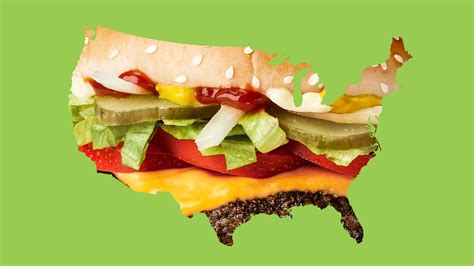
In 2024, the United States experienced two significant E. coli outbreaks linked to vegetables: one associated with organic carrots supplied by Grimmway Farms and another tied to yellow onions distributed by Taylor Farms and served at McDonald’s restaurants. These outbreaks highlighted critical issues in food safety, tracing contamination sources, and the effectiveness of public health responses. This comprehensive analysis delves into the details of both outbreaks, their impacts, the investigative measures undertaken, and the lessons learned to prevent future incidents.
Outbreak 1: Organic Carrots Linked to Grimmway Farms
Source and Cause
The first major outbreak in 2024 was caused by the Shiga toxin-producing Escherichia coli (STEC) O121:H19 strain. This outbreak was traced back to organic whole and baby carrots produced by Grimmway Farms, headquartered in Bakersfield, California. The contamination likely occurred during the growing, harvesting, or packaging processes, although specific contamination points were not definitively identified.
Scope and Impact
As of December 18, 2024, the carrot-related E. coli outbreak resulted in:
- 48 illnesses reported across 19 states including Arkansas, California, Colorado, Massachusetts, Michigan, Minnesota, Missouri, North Carolina, New Jersey, New York, Ohio, Oregon, Pennsylvania, South Carolina, Texas, Utah, Virginia, Washington, and Wyoming.
- 1 death and 20 hospitalizations, with one individual developing hemolytic uremic syndrome (HUS), a severe condition that can lead to kidney failure.
Timeline of Events
- September 2024: Initial cases of E. coli infections began to surface, presenting symptoms such as severe stomach cramps, bloody diarrhea, and vomiting.
- November 16, 2024: Grimmway Farms initiated a voluntary recall of multiple sizes and brands of bagged organic whole and baby carrots after traceback investigations linked their products to the outbreak.
- November 21, 2024: The recall was expanded to include additional bag sizes after further review and consultation with the FDA.
- December 18, 2024: The CDC declared the outbreak over, noting that the recalled carrots were no longer available for sale.
Product Recall Details
The recall encompassed various brands and sizes of bagged organic whole and baby carrots, distributed nationwide in the United States and Puerto Rico. The affected products had “best-if-used-by” dates ranging from September 11 to November 12, 2024, making them likely unavailable in stores by the outbreak's conclusion. Consumers were advised to check their refrigerators and freezers for any recalled products and to dispose of them if found.
Investigation Findings
The FDA and CDC conducted extensive investigations, including interviews with affected individuals and traceback analyses. Environmental samples collected outside Grimmway Farms tested positive for E. coli, though these did not match the outbreak strain. Despite this, epidemiologic evidence firmly linked the recalled carrots to the illnesses.
Public Health Response
Public health agencies responded swiftly to mitigate the outbreak's impact:
- CDC’s Role: Issued food safety alerts informing the public about the outbreak, provided guidelines on preventing E. coli infections, and emphasized the importance of proper food handling practices.
- FDA’s Role: Led the traceback investigation to identify Grimmway Farms as the contamination source, collaborated with the company to remove affected products from the market, and conducted laboratory testing to trace contamination points.
- Consumer Advice: Consumers were urged to discard any recalled bagged organic carrots and to seek medical attention if they experienced severe symptoms of E. coli infection.
Lessons Learned
- Importance of Traceability: The ability to quickly trace contaminated products back to their source was crucial in controlling the outbreak.
- Role of Recalls: Voluntary recalls by Grimmway Farms were effective in preventing further illnesses.
- Consumer Awareness: Highlighted the need for consumers to be vigilant about checking for recalled products in their homes.
- Challenges in Produce Safety: Emphasized the vulnerability of fresh produce to contamination and the necessity for stringent food safety measures in the produce industry.
Sources
- CDC’s Official Page on E. coli Outbreaks
- Grimmway Farms Recall Information
- CDC Investigation Update
- Washington State Department of Health
Outbreak 2: Yellow Onions Linked to Taylor Farms and McDonald’s
Source and Cause
The second significant outbreak involved yellow onions distributed by Taylor Farms and served at McDonald’s restaurants in certain states. This outbreak was caused by the E. coli O157:H7 strain, known for causing severe gastrointestinal distress and systemic complications.
Scope and Impact
As of November 13, 2024, the onion-related E. coli outbreak resulted in:
- 104 illnesses reported across 14 states.
- 1 death in Colorado, and 34 hospitalizations.
- 4 cases of HUS, underscoring the outbreak's severity.
Timeline of Events
- October 22, 2024: Taylor Farms initiated a voluntary recall of yellow onions after identifying the contamination source.
- October-November 2024: McDonald’s temporarily ceased serving slivered onions on Quarter Pounder burgers in affected states to prevent further spread.
- November 13, 2024: The outbreak was officially linked to onions served at McDonald’s, leading to continued monitoring and recall efforts.
Product Recall and Restaurant Actions
Taylor Farms’ recall included all yellow onions distributed to food service customers, primarily McDonald’s restaurants. In response, McDonald’s stopped using the implicated slivered onions and later resumed by sourcing from a different supplier, ensuring that affected onions were removed from their supply chain.
Investigation Findings
The investigation, led by the FDA, CDC, and state health partners, utilized epidemiologic and traceback data to pinpoint the source of contamination. Environmental samples from Taylor Farms tested positive for E. coli, although the detected strains did not match the outbreak strain. Nevertheless, the traceback evidence strongly linked the recalled onions to the illnesses reported.
Public Health Response
- FDA and CDC Coordination: Conducted comprehensive investigations, including laboratory testing and distribution tracing, to identify and confirm the contamination source.
- McDonald’s Actions: Promptly ceased using the contaminated onions, communicated with consumers, and updated supply chain protocols to prevent future incidents.
- Consumer Advice: Advised the public to avoid purchasing or consuming the recalled onions and to sanitize surfaces that may have come into contact with them.
Lessons Learned
- Importance of Quick Response: Swift action by Taylor Farms and McDonald’s limited the outbreak's spread and reduced further illnesses.
- Supply Chain Vigilance: Emphasized the need for rigorous monitoring and quality control within the supply chain to prevent contamination.
- Public Communication: Highlighted the effectiveness of clear and timely communication between food producers, retailers, and public health agencies.
Comparison to Carrot Outbreak
While both outbreaks involved fresh vegetables and resulted in significant illnesses and fatalities, the carrot outbreak was linked to a broader distribution network, including multiple states and a larger number of hospitalizations. In contrast, the onion outbreak was more concentrated within the food service sector, specifically McDonald’s restaurants, but still had a substantial impact with over 100 reported cases.
Sources
- CIDRAP: CDC Ends Probe into Deadly E. coli Outbreak Tied to Carrots
- TODAY: Carrot Recall Linked to E. Coli Outbreak
- The Guardian: One Dead in E. coli Outbreak Linked to Carrots
Public Health Response and Investigations
Coordinated Efforts
The outbreaks prompted coordinated responses from multiple public health agencies, including the CDC, FDA, and state health departments. These organizations worked collaboratively to identify the contamination sources, issue recalls, and communicate risks to the public.
Traceback and Laboratory Testing
Traceback investigations were critical in both outbreaks. For the carrot outbreak, the FDA and CDC used the CDC’s PulseNet system to identify genetically linked E. coli strains among affected individuals. Similarly, in the onion outbreak, epidemiologic data and traceback methods pinpointed Taylor Farms as the contamination source. Laboratory testing, including whole genome sequencing, confirmed the strains responsible, although environmental samples did not always match the outbreak strains.
Consumer Protection Measures
Public health agencies issued food safety alerts and provided guidelines for consumers to identify and dispose of contaminated products. Emphasis was placed on proper food handling practices, such as washing hands, utensils, and surfaces, to prevent E. coli infections.
Impact of the Outbreaks
Health Impact
The outbreaks resulted in numerous severe health outcomes, including hospitalizations and deaths. The carrot outbreak saw 20 hospitalizations and one death, while the onion outbreak resulted in 34 hospitalizations and one fatality. Additionally, cases of HUS highlighted the life-threatening potential of E. coli infections.
Economic and Industry Impact
The recalls affected major retailers and distributors, leading to financial losses for companies involved, such as Grimmway Farms and Taylor Farms. The outbreaks also impacted consumer confidence in the safety of organic and fresh produce, prompting demands for stricter food safety regulations and better contamination prevention measures within the industry.
Regulatory Changes
In the wake of these outbreaks, there was heightened scrutiny of food safety practices within the produce industry. Public health agencies advocated for improved traceability systems, enhanced sanitation protocols, and more rigorous monitoring of agricultural practices to prevent future E. coli contamination.
Lessons Learned and Future Recommendations
Enhanced Traceability Systems
The ability to rapidly trace contaminated products to their sources was instrumental in controlling the outbreaks. Investing in advanced traceability systems, such as blockchain technology, can enhance the speed and accuracy of identifying contamination sources in future incidents.
Improved Sanitation Practices
The outbreaks underscored the need for stringent sanitation protocols during the growing, harvesting, and packaging stages. Implementing comprehensive sanitation training and regular audits can help minimize the risk of contamination.
Consumer Education
Educating consumers about the importance of proper food handling, including washing produce and maintaining clean kitchen environments, is vital in preventing foodborne illnesses. Public health campaigns can reinforce these practices and encourage proactive measures among consumers.
Stricter Regulatory Oversight
Regulatory agencies may consider enforcing more rigorous standards for produce safety, including mandatory testing for E. coli strains and stricter guidelines for water and soil quality in agricultural operations.
Collaboration Among Stakeholders
Effective outbreak response requires seamless collaboration between food producers, retailers, public health agencies, and consumers. Establishing clear communication channels and collaborative protocols can enhance the overall effectiveness of outbreak management.
Conclusion
The major E. coli outbreaks tied to organic carrots and yellow onions in 2024 demonstrated the critical importance of robust food safety practices, effective traceback investigations, and coordinated public health responses. While significant strides were made in controlling the outbreaks and mitigating their impacts, these incidents highlighted ongoing challenges in ensuring the safety of fresh produce. Moving forward, implementing the lessons learned from these outbreaks will be essential in preventing future foodborne illness incidents and protecting public health.
Additional Resources
Last updated January 2, 2025