
Unlocking Digital Knowledge: Navigating the Complexities of E-Resource Access in Academic Libraries
Discover the critical challenges and proactive strategies for ensuring seamless access to electronic resources in an era of rapid technological evolution.
Academic libraries stand at the forefront of information access, continually adapting to the evolving landscape of digital resources. While the shift to electronic content offers unprecedented opportunities for scholarly inquiry, it also introduces a unique set of challenges, particularly concerning access and authentication. The integration of emerging technologies, from advanced AI systems to increasingly sophisticated cyber threats, necessitates a proactive and adaptive approach to ensure that users can reliably and securely access the vast wealth of e-resources available.
Key Insights into E-Resource Access Challenges
- Prioritize User Experience: Complex and fragmented authentication processes significantly hinder access and utilization of e-resources. Streamlining these processes through modern SSO solutions is paramount for user satisfaction and engagement.
- Fortify Security and Privacy: The escalating threats of data breaches and the ethical implications of emerging technologies demand robust security measures and clear privacy policies to protect sensitive user data.
- Modernize Authentication Methods: Reliance on outdated IP-based authentication is a major vulnerability, especially for remote users. Transitioning to federated identity management systems like SAML and OpenAthens is crucial for enhanced security and flexibility.
The following analysis delves into the top 10 problems and concerns facing academic libraries regarding e-resource access and authentication, ranked by their importance and impact. It also provides actionable steps libraries can take to prepare for and mitigate these challenges, ensuring continuous and equitable access to vital scholarly materials.
The Evolving Landscape of E-Resource Access Challenges
The digital transformation of academic libraries has brought about incredible benefits, yet it has simultaneously amplified the complexities associated with providing reliable and secure access to electronic resources. As emerging technologies such as Artificial Intelligence (AI), Virtual Reality (VR), and advanced digital platforms become integral to library services, new hurdles emerge in ensuring seamless authentication and data protection. Understanding and addressing these challenges is crucial for academic libraries to fulfill their mission of facilitating knowledge discovery.
1. Streamlining Complex Authentication Processes
The most pressing concern for academic libraries is the complexity and often confusing nature of authentication processes. Users, particularly those attempting to access resources from off-campus, frequently encounter multi-step logins, different authentication methods for various vendors, and general user interface friction. This fragmented experience can lead to significant user frustration, decreased utilization of valuable e-resources, and an increased burden on library technical support. Legacy IP-based authentication, while still prevalent, is increasingly inefficient and user-unfriendly in a mobile-first, remote-access world.
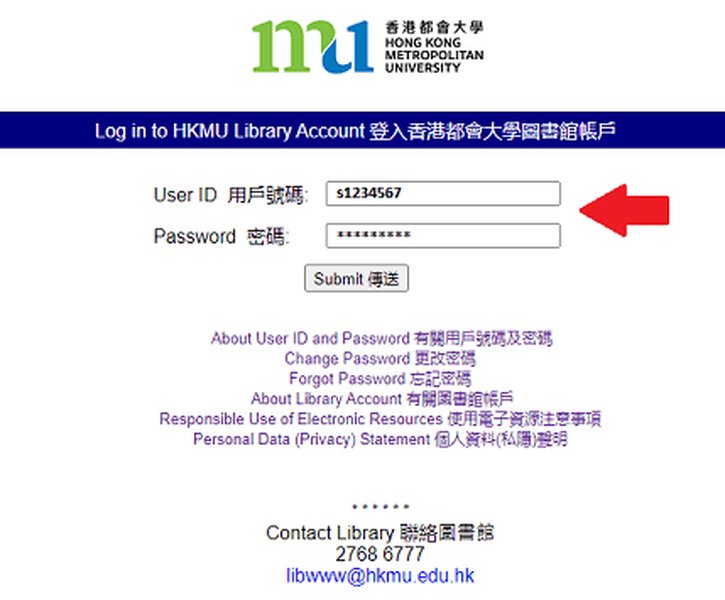
An example of a remote login screen for accessing library e-resources, highlighting the need for streamlined authentication.
Preparation Steps:
- Adopt Modern SSO Solutions: Prioritize the implementation of streamlined Single Sign-On (SSO) technologies such as SAML (Security Assertion Markup Language) or OpenAthens. These systems offer a unified login experience, reducing the need for repeated authentications across different platforms and enhancing user convenience.
- Clear User Guidance: Provide clear, easily accessible instructions for off-campus access, including troubleshooting guides, proxy bookmarklets, or VPN installation procedures. Regularly solicit user feedback to identify pain points and refine the access experience.
2. Fortifying Security and Data Protection
In an age of increasing cyber threats and evolving privacy regulations (like GDPR and HIPAA), safeguarding sensitive user data and information-seeking activities is paramount. Inadequate authentication mechanisms or lax security protocols can lead to unauthorized access, data breaches, and severe reputational damage for the library. Emerging technologies, especially AI-driven services, introduce new vectors for potential vulnerabilities if not integrated with a security-first mindset.
Preparation Steps:
- Implement Robust Security Measures: Adopt authentication methods that are inherently secure, such as SAML-based SSO with multi-factor authentication (MFA). Conduct regular risk assessments and user analyses to identify and address security and privacy requirements.
- Develop Data Governance Policies: Establish comprehensive data governance policies that prioritize user privacy, data minimization, and ethical data handling. Choose vendors and technologies committed to privacy compliance and transparent data practices.
3. Overcoming IP-Based Authentication Limitations
While widely used, IP-based authentication presents significant limitations, particularly for off-campus access. Dynamic IP addresses, the transition to IPv6, and the common use of VPNs complicate reliable identification. Furthermore, proxy servers like EZproxy, often used with IP authentication, carry the risk of uncontrolled access if credentials are compromised, potentially leading to widespread unauthorized downloads and subsequent suspension of publisher access. This outdated method struggles to reliably distinguish authorized users outside campus networks.
Preparation Steps:
- Transition to Identity Federation: Actively move towards more modern and secure authentication methods like SAML Single Sign-On (SSO) and OpenAthens. These identity federation technologies offer robust alternatives that support single sign-on to e-content and enhance user privacy without sole reliance on IP addresses.
- Implement Hybrid Models: For interim solutions or specific use cases, consider hybrid models that combine IP authentication with other methods for greater flexibility, while gradually phasing out reliance on IP recognition.
4. Managing Diverse Authentication Methods and Systems
The academic library landscape is characterized by a multitude of e-resource vendors, each potentially requiring a different authentication approach. This creates a fragmented and difficult-to-manage ecosystem. Manually maintaining individual accounts and passwords for numerous resources is unsustainable for both users and library staff, leading to inefficiencies and a disjointed user experience.
Preparation Steps:
- Centralize Identity Management: Adopt authentication solutions that can connect to most institutional identity management systems and support various authentication schemes. Solutions like OpenAthens or hosted EZproxy services can help centralize and simplify the management of user identities and privileges across diverse e-resources.
- Advocate for Standards: Collaborate with consortia and professional organizations to advocate for wider adoption of open and consistent authentication standards (e.g., SAML, OpenID Connect) across publishers and vendors.
5. Addressing Technical Feasibility and Compatibility Issues
Implementing and integrating new authentication technologies can pose significant technical challenges. Libraries may lack in-house expertise in identity federation and advanced identity management. Compatibility issues can arise between new systems and existing infrastructure, or with outdated browser and operating system combinations used by patrons. Technical misconfigurations or outdated systems can lead to frequent downtime or access failures.
Preparation Steps:
- Foster Collaboration: Establish strong collaborative partnerships between library staff and institutional IT departments. This ensures shared expertise and resources for planning, deploying, and maintaining new authentication systems.
- Provide Clear Guidelines: Offer clear guidelines to users regarding supported operating systems and browsers, encouraging regular updates to ensure seamless access. Consider providing guidance on secure browser configurations.
- Consider Hosted Solutions: Explore hosted authentication solutions (e.g., OCLC’s hosted EZproxy, OpenAthens Cloud) to reduce the local technical burden and leverage vendor expertise.
6. Ethical, Legal, and Social Implications of Emerging Technologies
As libraries integrate emerging technologies like AI, Virtual Reality (VR), and Augmented Reality (AR), new ethical considerations related to data governance, privacy, intellectual property, and fair use become prominent. Issues such as algorithmic bias in AI systems affecting equitable access or concerns around data collection in VR environments can arise. Libraries must navigate these complexities while upholding their core values of service, accessibility, and privacy.
Keynote: AI and Libraries: Friends or Enemies? delves into the transformative power of AI and digital technologies in libraries, addressing ethical and societal considerations.
Preparation Steps:
- Develop Ethical Frameworks: Establish robust ethical frameworks and data governance policies to guide technology integration. These frameworks should ensure that innovation aligns with core library values, promoting inclusivity, data literacy, and fair use principles.
- Proactive Engagement: Libraries should proactively engage with the ethical implications of AI and other emerging technologies, educating both staff and patrons through workshops and discussions.
7. Sustaining Access for Unaffiliated Users (Walk-ins)
While academic libraries primarily serve affiliated users, providing equitable access to licensed content for walk-in users (e.g., community members, visiting scholars) while on-site can be a significant point of negotiation with vendors. Licensing agreements are often designed around institutional affiliation, making it challenging to extend access without violating terms or incurring additional costs, particularly for high-demand business or medical resources.
Preparation Steps:
- Negotiate Inclusive Licenses: Clearly define "authorized user" in license agreements to explicitly include walk-in users if required. Engage in consortial licensing and utilize standardized agreement language (e.g., SERU - Shared Electronic Resource Understanding) to streamline negotiations and address this concern.
- On-site Authentication: Deploy local authentication mechanisms or controlled proxy tools for on-site users to ensure compliance with license terms while providing access.
8. Financial Constraints and Resource Allocation
The implementation and maintenance of advanced authentication systems and the adoption of new, emerging technologies are often costly. Many academic libraries face significant budget limitations, which can hinder investments in necessary technology infrastructure, staff training, and digital literacy initiatives. The lack of adequate funds can exacerbate access issues and slow the adoption of more efficient solutions.
Preparation Steps:
- Strategic Budget Allocation: Strategically allocate budgets for technology infrastructure, software licenses, and staff development. Prioritize investments that offer long-term benefits in terms of security, user experience, and efficiency.
- Explore Collaborative Funding: Explore partnerships with non-governmental organizations, other institutions, or grant opportunities to secure additional funding or resources. Advocate for increased funding for digital infrastructure and services.
9. Resistance to Change and Staff Development
The adoption of new technologies and authentication methods can be met with resistance from library staff who may feel unprepared or overwhelmed by the need to acquire new skills and training. Inadequate resources for professional development can hinder the successful implementation of new systems, leading to inefficiencies and a lack of confidence among staff in supporting these technologies.
Preparation Steps:
- Invest in Ongoing Training: Provide comprehensive, ongoing training and professional development programs for library staff. Focus on building understanding and proficiency with emerging technologies, new authentication systems, and effective user support strategies.
- Highlight Benefits: Emphasize the long-term benefits of these changes for both staff (e.g., reduced troubleshooting time) and patrons (e.g., improved access). Foster a culture of continuous learning and adaptation.
10. The Digital Divide and Patron Data Security
Beyond institutional concerns, the broader issues of the digital divide (disparities in access to technology and internet connectivity) and data security for individual patrons remain relevant. Libraries often serve as a critical touchpoint for digital literacy, and authentication systems must not inadvertently create further barriers. Ensuring that all patrons, regardless of their technological proficiency or access to compatible devices, can utilize e-resources securely is a continuous challenge.
Preparation Steps:
- Bridge the Digital Divide: Libraries can provide access to high-cost technology, device lending programs, and public computing facilities. Offer targeted digital literacy programs to enhance user proficiency in navigating authentication systems and safe online practices.
- Design for Inclusivity: Ensure authentication methods are accessible across various devices and platforms, including those with lower bandwidth or older operating systems. Prioritize user-centered design and accessibility principles to minimize barriers for all patrons.
Assessing the Readiness of E-Resource Access
To comprehensively assess a library's readiness to address these emerging challenges, a radar chart can provide a visual representation of performance across key areas. This chart highlights where strengths lie and where further strategic investment or development is needed.
Navigating E-Resource Access and Authentication: A Mindmap
A mindmap can visually illustrate the interconnectedness of these challenges and the proactive steps libraries can take to address them. It provides a holistic view of the ecosystem surrounding e-resource access and authentication.
Key Solutions and Preparatory Strategies
Successfully navigating the complexities of e-resource access requires a multi-faceted approach. Below is a comprehensive table summarizing key solutions and preparatory strategies that academic libraries can adopt to enhance their authentication systems and overall e-resource accessibility.
| Challenge Category | Core Problem | Key Solutions/Preparatory Steps |
|---|---|---|
| Authentication Usability | Confusing, multi-step login processes; poor user experience. | Implement SAML/OpenAthens SSO; provide clear, accessible user guides; gather user feedback. |
| Data Security & Privacy | Risk of data breaches; unauthorized access; privacy violations. | Adopt MFA; conduct regular security assessments; develop robust data governance policies; choose privacy-compliant vendors. |
| Outdated Authentication | Limitations of IP-based authentication for remote users; risk of proxy misuse. | Transition to federated identity management (SAML, OpenAthens); implement hybrid authentication models. |
| System Fragmentation | Diverse vendor authentication methods; lack of standardization. | Centralize identity management with adaptable solutions (EZproxy, OpenAthens); advocate for open standards in vendor agreements. |
| Technical Readiness | Lack of in-house expertise; compatibility issues; system downtime. | Foster IT-library collaboration; provide user guidelines on compatible systems; consider hosted solutions for reduced burden. |
| Ethical/Legal Impact | AI biases; data governance issues; fair use concerns with new tech. | Establish ethical frameworks for technology adoption; engage proactively with AI implications; advocate for open access principles. |
| Inclusive Access | Difficulty providing licensed content to walk-in or unaffiliated users. | Negotiate licenses explicitly including walk-in users; deploy controlled on-site authentication mechanisms. |
| Resource Constraints | High costs of new technologies; insufficient budget for infrastructure/training. | Strategically allocate funds; explore grants and consortial partnerships; prioritize cost-effective open-source solutions. |
| Human Capital | Staff resistance to change; inadequate training for new systems. | Invest in continuous professional development; highlight benefits of new technologies; foster a learning culture. |
| Equitable Access | Digital divide; patron lack of digital literacy; device/network limitations. | Provide digital literacy programs and device lending; design authentication for accessibility and low-bandwidth environments. |
Frequently Asked Questions (FAQ)
What is federated access, and why is it important for academic libraries?
How can libraries balance user privacy with the need for secure authentication?
What role do emerging technologies like AI play in e-resource access challenges?
Why is IP-based authentication becoming problematic for academic libraries?
How can academic libraries prepare for the financial burden of adopting new authentication technologies?
Conclusion
The journey of academic libraries in providing access to e-resources is continuous, marked by both transformative opportunities and persistent challenges. As emerging technologies redefine the landscape of information, proactive and adaptive strategies are essential. By prioritizing user experience, fortifying security, modernizing authentication methods, fostering collaboration with IT and vendors, investing in staff development, and championing digital equity, academic libraries can navigate these complexities. The goal remains steadfast: to ensure that all patrons have seamless, secure, and equitable access to the vast digital collections that empower learning, research, and discovery in the 21st century.
Recommended Further Exploration
- Explore the comprehensive impact of Artificial Intelligence on academic library services and user access.
- Investigate best practices for implementing single sign-on (SSO) solutions in academic library environments.
- Discover effective strategies for bridging the digital divide and ensuring equitable access to e-resources for all patrons.
- Delve into emerging trends and innovations in library authentication technologies beyond current standards.
Referenced Search Results
 higherlogicdownload.s3.amazonaws.com