
Understanding E-Waste
A comprehensive guide about electronic waste and its global impact
Highlights
- Definition & Scope: E-waste encompasses discarded electrical and electronic devices, ranging from small gadgets to large household appliances.
- Environmental & Health Impact: Contains hazardous substances that require careful management to prevent pollution and health risks.
- Recycling & Global Challenges: Despite valuable recoverable materials, only a fraction of e-waste is properly recycled, leading to significant global challenges.
Introduction to E-Waste
Electronic waste, commonly known as e-waste, refers to any electrical or electronic device or equipment that is discarded after it has reached the end of its useful life. This waste stream has grown rapidly as technology advances, innovation cycles shorten, and the availability of affordable electronics increases. E-waste includes unused, obsolete, broken, or unwanted devices, encompassing a broad range of products including computers, mobile phones, televisions, household appliances, and even complex medical devices.
While electronics have revolutionized our lives and continue to transform how we communicate and work, they also present a growing challenge when it comes to environmental sustainability and public health. The improper disposal or recycling of electronic devices leads to the leaching of hazardous substances into the environment. At the same time, e-waste contains valuable materials that, if recovered properly, could optimize resource usage and reduce the need for new raw materials.
Defining E-Waste
What Constitutes E-Waste?
E-waste is a term that broadly covers discarded items that have electrical or electronic parts, including any device with circuitry, batteries, or a power supply. Whether the item is still operational or not, it falls under the e-waste category once it is discarded, repurposed, or disposed of. The term “end-of-life electronics” (EOL) is also utilized to describe devices that are no longer considered useful, leading to disposal or recycling.
The spectrum of e-waste is extensive and includes consumer electronics such as smartphones, computers, televisions, and audio devices, as well as large household items like refrigerators and washing machines. Additionally, items like electronic toys, medical devices, and industrial tools also contribute to the growing e-waste problem.
Key Characteristics of E-Waste
E-waste is characterized by several factors that amplify its impact on society and the environment:
- Rapid Growth: The global generation of e-waste has skyrocketed due to constant technological upgrades and consumer demand for the latest devices. The fast-paced innovation results in devices becoming outdated faster than ever before.
- Toxic Components: Many electronics incorporate hazardous substances such as lead, mercury, cadmium, and beryllium. When not disposed of properly, these toxic chemicals can leach into the soil and water, leading to environmental pollution and adverse health effects.
- Resource Recovery: Despite the risks, e-waste also contains precious metals and rare earth elements (e.g., copper, gold, and silver) that can be reclaimed during proper recycling processes. Recovering these materials can mitigate the need for virgin resources, promoting a circular economy.
- Complexity of Disposal: The heterogeneous composition of e-waste requires specialized disposal techniques. Informal recycling practices, especially in certain developing regions, can expose workers to hazardous materials, underlining the need for robust regulation and safe recycling methods.
Categories of E-Waste
Classification by Device Type
E-waste can be classified into several primary categories based on the type of device or equipment it corresponds to. This classification helps in understanding the diverse nature of e-waste and tailoring recycling or disposal approaches to each category's specific challenges.
Large Household Appliances
Large household appliances include items like refrigerators, washing machines, and microwaves. These appliances consume significant energy, and their disposal has to account for bulk and associated refrigerants or chemicals that can be damaging to the environment if improperly handled.
Small Household Appliances
Items such as vacuum cleaners, toasters, and small kitchen gadgets fall under this category. While not as massive as large appliances, they still incorporate electronic components and potentially hazardous materials.
Information and Communication Technology (ICT) Equipment
This category includes computers, laptops, tablets, smartphones, and other communication devices. ICT equipment represents a significant share of e-waste, largely due to rapid innovation rendering older models obsolete in a short span.
Consumer Electronics
Consumer electronics such as televisions, radios, and audio equipment also contribute heavily to e-waste. Many of these devices may still be functional but are discarded to make way for newer, more advanced models.
Other Categories
Additional categories include lighting equipment (e.g., fluorescent lamps), tools (such as power drills), electronic toys, medical devices, and various industrial electronic equipment. Each category has distinct challenges in management due to varied chemical compositions and recycling requirements.
E-Waste Categorization Table
| Category | Examples | Key Considerations |
|---|---|---|
| Large Household Appliances | Refrigerators, Washing Machines, Microwaves | High energy consumption; presence of refrigerants |
| Small Household Appliances | Vacuum Cleaners, Toasters | Contains electronic circuitry; smaller toxins quantities |
| ICT Equipment | Computers, Laptops, Smartphones, Tablets | Rapid obsolescence; high-value recoverable materials |
| Consumer Electronics | Televisions, Radios, Audio Equipment | Often replaced frequently; bulky disposal issues |
| Other Categories | Lighting Equipment, Electronic Toys, Medical Devices | Varied recycling processes; diverse chemical concerns |
Environmental and Health Impacts
Hazardous Components in E-Waste
One of the primary reasons why e-waste is a global concern is its chemical complexity. Many electronic devices contain hazardous substances including lead, mercury, cadmium, and beryllium. When improperly processed, these toxins can contaminate soil, air, and water.
Exposure to these toxic materials has serious implications for human health, particularly for vulnerable populations such as children and pregnant women. For example, lead exposure can have severe neurological effects, while mercury and cadmium can lead to kidney damage, respiratory issues, and even cancer.
Environmental Degradation
Improper disposal of e-waste is a leading cause of environmental degradation. When e-waste is dumped in landfills, hazardous chemicals can seep into the ground, potentially contaminating potable water supplies and soil. In some regions, informal recycling practices are used where manual dismantling and open-air burning are commonplace, further releasing dangerous pollutants into the atmosphere.
Environmental pollution from e-waste not only affects human communities but also disrupts ecosystems, affecting flora and fauna. It is estimated that e-waste can contribute up to 70% of a region’s toxic waste burden, emphasizing the urgent need for systematic treatment and management of discarded electronic devices.
Recycling and Management of E-Waste
The Recycling Process
Recycling e-waste involves several stages, each designed to safely recover valuable materials while mitigating environmental hazards. The process typically begins with collection and transportation to recycling centers, where items are sorted based on type and material composition.
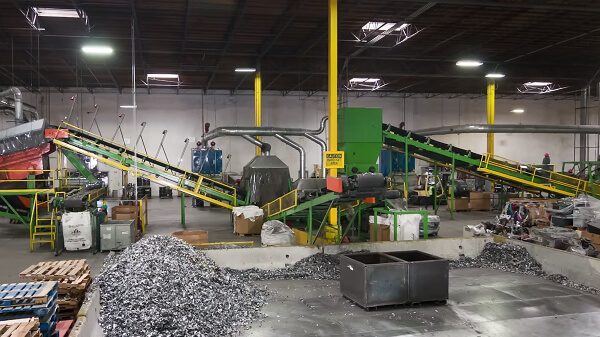
Following sorting, e-waste is processed through dismantling, shredding, and separation. During dismantling, valuable parts such as circuit boards and metallic components are removed for further processing. Shredding comminutes the material into smaller pieces, which aids in subsequent separation techniques like magnetic and eddy current separation, allowing recyclers to extract precious metals and eliminate non-recyclable components.
Modern recycling facilities employ advanced technologies to reduce the release of toxins. However, concerns remain as many recyclers in developing regions use rudimentary techniques that expose workers to dangerous chemicals. This discrepancy underscores the importance of establishing rigorous safety standards and promoting formal recycling infrastructures.
Economic and Environmental Benefits of Recycling
Despite the challenges, recycling e-waste offers significant benefits. Recovering metals such as gold, silver, copper, and palladium can contribute to resource conservation. In addition, recycling reduces the need for mining new raw materials, mitigating the environmental degradation associated with extraction processes.
The economic incentive for recycling is considerable: valuable metals recovered from e-waste often fetch high prices in global markets. With proper technology, recycling not only helps to protect the environment but can also generate employment opportunities, especially in regions where informal recycling methods are being formalized.
Governments around the world are incentivizing e-waste recycling through extended producer responsibility (EPR) policies. These policies hold manufacturers accountable for the end-of-life management of their products, encouraging more environmentally friendly designs and increased recycling rates.
Global Challenges in Managing E-Waste
Regulatory and Logistical Issues
One of the most daunting challenges lies in the global nature of e-waste. Regulatory frameworks differ immensely from one country to another. While some nations enforce strict rules on e-waste disposal and recycling, others lack comprehensive legislation, leading to the export of e-waste to developing countries where the environmental and health regulations may be lax.
The logistical challenges associated with the collection, transportation, and processing of e-waste further complicate management efforts. In many urban centers, informal collection networks exist, yet these often bypass formal recycling channels, exacerbating the risk of environmental contamination.
Social and Economic Impacts
In several developing regions, the informal recycling sector plays a dominant role. While this sector provides livelihoods for many individuals, the lack of proper safety protocols and the use of outdated recycling methods expose workers to hazardous substances without adequate protection. These practices not only endanger the health of those involved but also have broader socio-economic implications, as communities face increased healthcare costs and lost productivity due to health-related issues.
Addressing these issues requires international cooperation, the investment in improved recycling infrastructure, and the implementation of uniform guidelines aimed at protecting both human health and the environment.
Future Directions and Innovations
Technological Innovations in Recycling
Advances in technology continue to provide promising solutions for the e-waste challenge. New techniques in material recovery are emerging, such as robotic dismantling, which can precisely disassemble electronic devices, reducing human exposure to toxins and increasing the efficiency of material extraction.
Additionally, the development of chemical recycling methods can break down complex materials into their constituent chemicals, paving the way for higher recovery rates of valuable resources. Such innovation not only improves recycling efficiency but also minimizes the environmental footprint associated with traditional mechanical recycling processes.
The Role of Circular Economy Principles
Embracing circular economy principles is central to mitigating the e-waste challenge. This approach advocates for the design of products with their entire lifecycle in mind, encouraging manufacturers to create devices that are easier to repair, upgrade, or recycle. By integrating design for disassembly and resource efficiency into the product development process, companies can help reduce waste generation and extend the useful life of electronics.
Furthermore, consumer awareness campaigns and incentives for returning old devices for proper recycling can accelerate the shift towards a more sustainable economic model. In a circular economy, every component is seen as a potential resource, effectively closing the loop on waste and reducing the overall environmental impact.
Global Policy and Cooperation
International cooperation is essential for tackling the global e-waste crisis. Policies that promote the safe recycling and proper disposal of electronic devices must be adopted across borders, with developed nations aiding in the establishment of infrastructures in developing regions. Harmonizing regulations can create a more consistent framework for managing e-waste, reducing illegal dumping and the export of hazardous materials.
Several multinational agreements and conventions are already in place to address hazardous waste, but there is a growing realization that a more integrated effort is needed specifically for e-waste. Such cooperation can lead to the development of best practices, standardized recycling protocols, and financial instruments designed to support effective waste management systems worldwide.
Economic Considerations
Recovery of Valuable Materials
While e-waste is often seen solely through the lens of environmental hazards, it presents significant economic opportunities as well. Electronics hold a reservoir of precious metals and rare elements that can be laboriously extracted and reused in new products. Gold, silver, and copper, among others, are commonly found in e-waste and can be recovered through proper recycling processes.
Investments in advanced recycling technologies not only safeguard public health and the environment but also open new revenue streams. The extraction of these materials contributes to the broader markets for recycled raw materials, where recovered resources can reduce the dependency on mining operations and stimulate local economies.
Employment and Economic Development
The e-waste recycling industry is steadily becoming a critical component of the global economy. Formalizing recycling operations can provide safer and more regulated employment opportunities in regions that are currently dominated by informal recycling work. By transitioning to modern, technology-driven recycling facilities, communities can benefit from improved occupational safety and better remuneration.
Furthermore, creating a robust infrastructure for e-waste management supports innovation-driven economic growth. As research and development in recycling technologies and circular economic practices expand, so too do the opportunities for technical education, training, and entrepreneurial ventures within related sectors.
Conclusion
In summary, e-waste is a multifaceted issue characterized by the rapid accumulation of discarded electronic devices that are integral to our modern way of life. It spans a diverse range of technologies—from everyday household appliances to complex industrial equipment—and includes items that are either refurbished, recycled, or outright discarded.
The management of e-waste represents one of the most pressing environmental challenges today. With toxic substances capable of contaminating ecosystems and posing severe health risks, proper handling, recycling, and disposal of e-waste are paramount. While recycling processes extract valuable materials and mitigate the need for raw resource extraction, significant challenges remain. These include establishing comprehensive recycling infrastructure, harmonizing global regulations, reducing informal processing, and ensuring the safety of workers involved in recycling operations.
Moving forward, innovation in recycling technologies, adoption of circular economy principles, and stronger international policy cooperation will be crucial in addressing the e-waste issue. A coordinated global effort can transform e-waste from an environmental liability into a resource for sustainable development, fostering economic growth while protecting public health and the environment.
Ultimately, understanding the complexities of e-waste—from its definition and types to its economic and environmental impacts—provides the necessary insights for developing more effective, integrated strategies to manage and mitigate the risks associated with modern electronics.
References
- Electronic waste - Wikipedia - Wikipedia
- E-waste Definition & Meaning - Merriam-Webster
- What is E-Waste? - GeeksforGeeks
- What is e-Waste - Global E-Waste
- Electronic waste | Recycling, Disposal & Impact | Britannica
- Definition of Electronic Waste (e-Waste) - Gartner
Recommended
Last updated February 21, 2025