
Comprehensive Analysis of Potential Health Issues
Exploring risks from middle ear infection and facial paralysis in a 60-year-old manual laborer
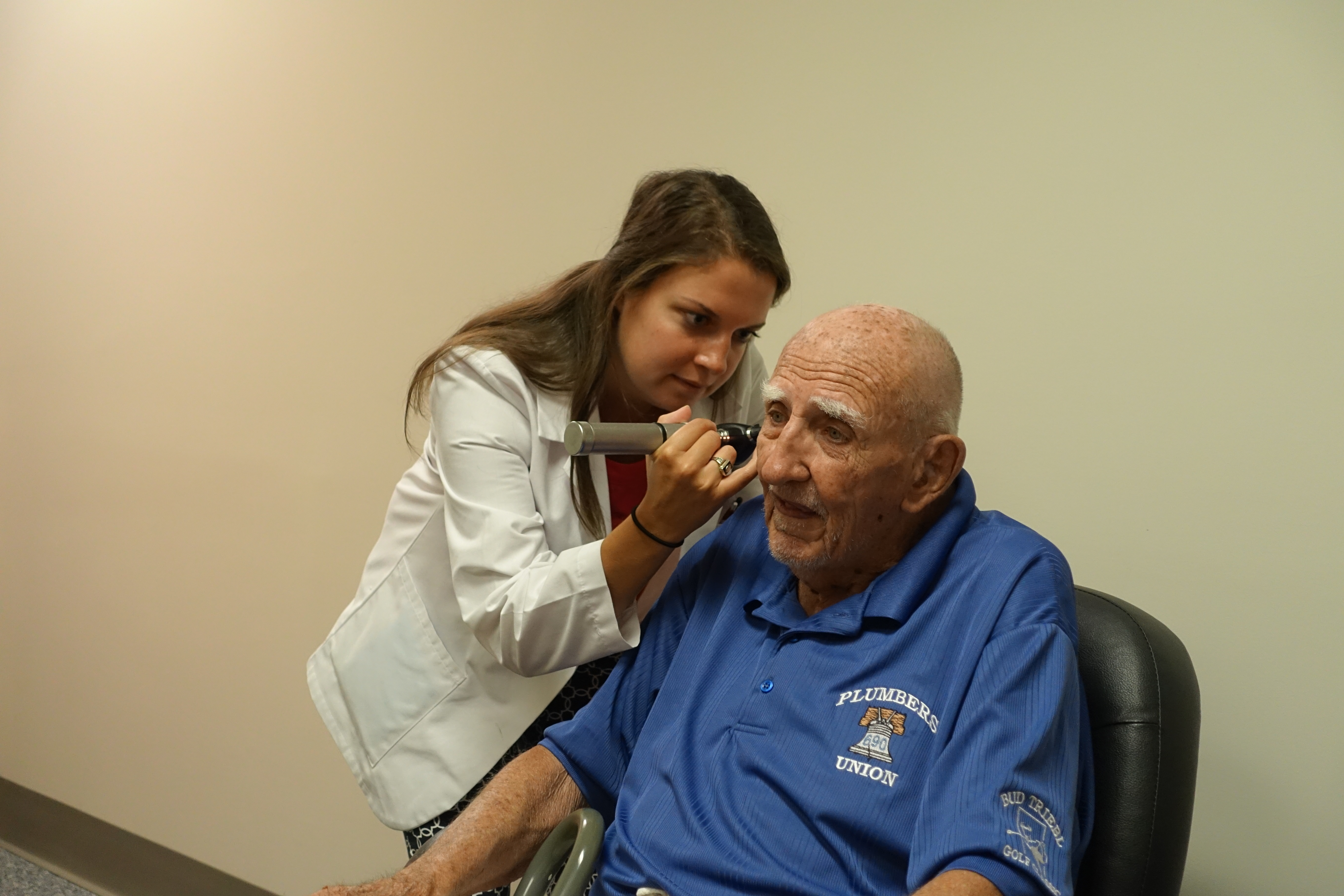
Key Highlights
- Middle Ear Pathologies: Chronic and recurrent infections may lead to hearing loss and complications such as facial nerve damage.
- Facial Neuropathy Impact: Facial paralysis induces muscle weakness, altered facial expressions, and can have psychosocial impacts.
- Systemic Considerations: Age-related comorbidities and the physical stress from long-term labor emphasize the need for comprehensive evaluations.
Detailed Analysis
Middle Ear Infections and Their Complications
The patient’s history of middle ear infection (otitis media) in November 2024, which required hospital treatment for approximately half a month, suggests a significant ear pathology. Chronic or recurrent cases of otitis media, especially if of the suppurative type, can lead to multiple complications. These include:
Hearing Loss
One of the most common sequelae of repeated or severe middle ear infections is conductive hearing loss. In this condition, inflammation or damage to the middle ear structures, including the ossicles, may impede the efficient transmission of sound. Over time, persistent inflammation may lead to permanent deficits.
Facial Nerve Involvement
The anatomical proximity of the middle ear to the facial nerve means that severe or chronic middle ear infections can result in nerve involvement. Conditions such as chronic suppurative otitis media or cholesteatoma are known to result in compression or inflammation of the facial nerve, which may subsequently lead to facial paralysis (often of a peripheral type rather than central). This was indeed seen in the patient’s subsequent episode of facial paralysis.
Other Otologic Complications
Additional complications may include:
- Vestibular disturbances: Inflammation may extend into the inner ear, potentially causing dizziness or balance issues.
- Intracranial extension: In rare cases, a middle ear infection could lead to meningitis, brain abscess, or extracranial complications such as a subperiosteal abscess.
Facial Paralysis and Its Broader Impact
The patient experienced an episode of facial paralysis in February 2025, requiring hospitalization. Facial paralysis involves damage to the facial nerve which controls the muscles of facial expression. Potential issues emerging from facial nerve dysfunction include:
Muscular Weakness and Functional Impairments
Affected individuals may experience:
- Irregular facial expressions, asymmetry of the face, and drooping of the mouth.
- Difficulties with essential functions like eating, speaking, and blinking.
Long-term Neurological Sequelae
If the facial nerve does not fully recover, chronic issues such as synkinesis (involuntary muscular movements) may occur. This can lead to psychological and social challenges, given the impact on one’s appearance and communication abilities.
Risk of Recurrence
Both middle ear infections and facial paralysis may have a tendency to recur, particularly if the underlying inflammatory process is not fully resolved. The risk could be exacerbated by chronic exposure to strenuous physical work and age-related immune system decline.
Broader Health Considerations Related to Age and Occupational Stress
In addition to localized ear and facial issues, the patient’s profile reveals several systemic concerns:
Cardiovascular and Metabolic Concerns
At 60 years of age, the risks for cardiovascular diseases and metabolic syndromes (such as diabetes) increase. Long-term physical labor may compound this risk, leading to elevated blood pressure, joint or musculoskeletal injuries, and chronic fatigue.
Immune System and Infection Susceptibility
With advancing age, the immune system's ability to combat infections generally diminishes. When combined with repetitive or persistent otologic issues, the patient might be more vulnerable to developing infections or experiencing a prolonged recovery course.
Psychosocial Impact
Recurrent illness and noticeable physical changes, such as facial asymmetry, can influence psychological health. Stress, anxiety, and even depression might develop as a result of both the physiological changes and the social implications of visible disfigurement and functional limitations.
Preventative and Management Strategies
Given the patient’s history and potential complications, a number of preventative and management strategies should be implemented:
Regular Monitoring and Early Diagnostics
It is crucial to maintain a regular schedule for comprehensive health screenings. These should include:
- Detailed ear, nose, and throat (ENT) examinations to assess the status of the middle ear, monitor for potential recurrence, and evaluate any changes in facial nerve function.
- Routine auditory tests (such as audiometry) to evaluate and monitor hearing levels.
- Neurological assessments aimed at tracking the progress or recovery of facial paralysis symptoms.
Lifestyle and Occupational Adjustments
Considering the ongoing physical demands of long-term labor, it may be beneficial to:
- Adapt work conditions to reduce continuous strain on the body.
- Encourage adequate rest periods and ergonomic interventions to decrease the risk of musculoskeletal injuries.
- Prioritize protective measures to minimize exposure to harmful elements that could predispose to infections.
Rehabilitative Therapies
For patients who have experienced facial paralysis, early intervention through rehabilitation can improve outcomes. Therapeutic strategies might include:
- Physiotherapy and facial exercises to stimulate nerve recovery and improve muscle strength.
- Adjunct treatments such as acupuncture, when appropriate, to support nerve regeneration and alleviate pain.
- Counseling or psychological support to help address the emotional and social impacts associated with facial disfigurement.
Medical and Surgical Intervention
In cases where conservative management is insufficient, further interventions might be required:
- Surgical debridement for chronic or cholesteatoma-associated otitis media to prevent further nerve compression.
- Advanced diagnostic imaging, such as CT scans or MRI, to accurately map the extent of infection or nerve involvement.
Integrated Health Overview Table
| Health Aspect | Potential Issues | Recommendations |
|---|---|---|
| Middle Ear Infection |
- Hearing loss - Chronic otitis media - Intracranial/vestibular complications |
- Regular ENT exams - Audiometry - Prompt treatment of infections |
| Facial Paralysis |
- Facial nerve dysfunction - Muscle weakness and synkinesis - Psychological impact |
- Neurological assessments - Early rehabilitative therapies - Counseling support |
| Age & Occupational Factors |
- Cardiovascular/metabolic risks - Musculoskeletal injuries - Weakened immunity |
- Routine full-body checkups - Work modifications - Lifestyle adjustments |
Additional Considerations and Strategies
Regular Health Follow-Ups
Given the interplay between otologic issues and facial nerve function, regular follow-up consultations are essential. These appointments should focus on:
- Monitoring hearing thresholds to detect early signs of deterioration.
- Evaluating facial nerve recovery progress.
- Checking for any signs of systemic involvement such as balance disturbances or neurological symptoms.
Diagnostic Imaging and Laboratory Evaluations
Advanced diagnostics play a pivotal role in assessing the full scope of the patient’s condition. Recommended diagnostic steps include:
- CT or MRI scans: Useful for identifying the extent of middle ear damage, the presence of cholesteatoma, and potential impacts on adjacent structures.
- Blood tests: Inflammatory markers and infection indicators can help monitor overall health status.
- Electrophysiological studies: To evaluate the functionality and recovery status of the facial nerve.
References
-
面瘫与中耳炎之间的联系 - 知乎
- 中耳炎并发面瘫治疗 - 有来医生
- 中耳炎导致的听力问题 - 百度健康
- 面神经损伤与中耳炎关联 - BTCH大学
- 面瘫细节与预防措施 - 香港耳鼻喉专家
Recommended Further Inquiries
Last updated March 20, 2025