
The Evolution of Earbuds: Addressing Common User Issues
Exploring technology, design, and solutions in modern earbuds
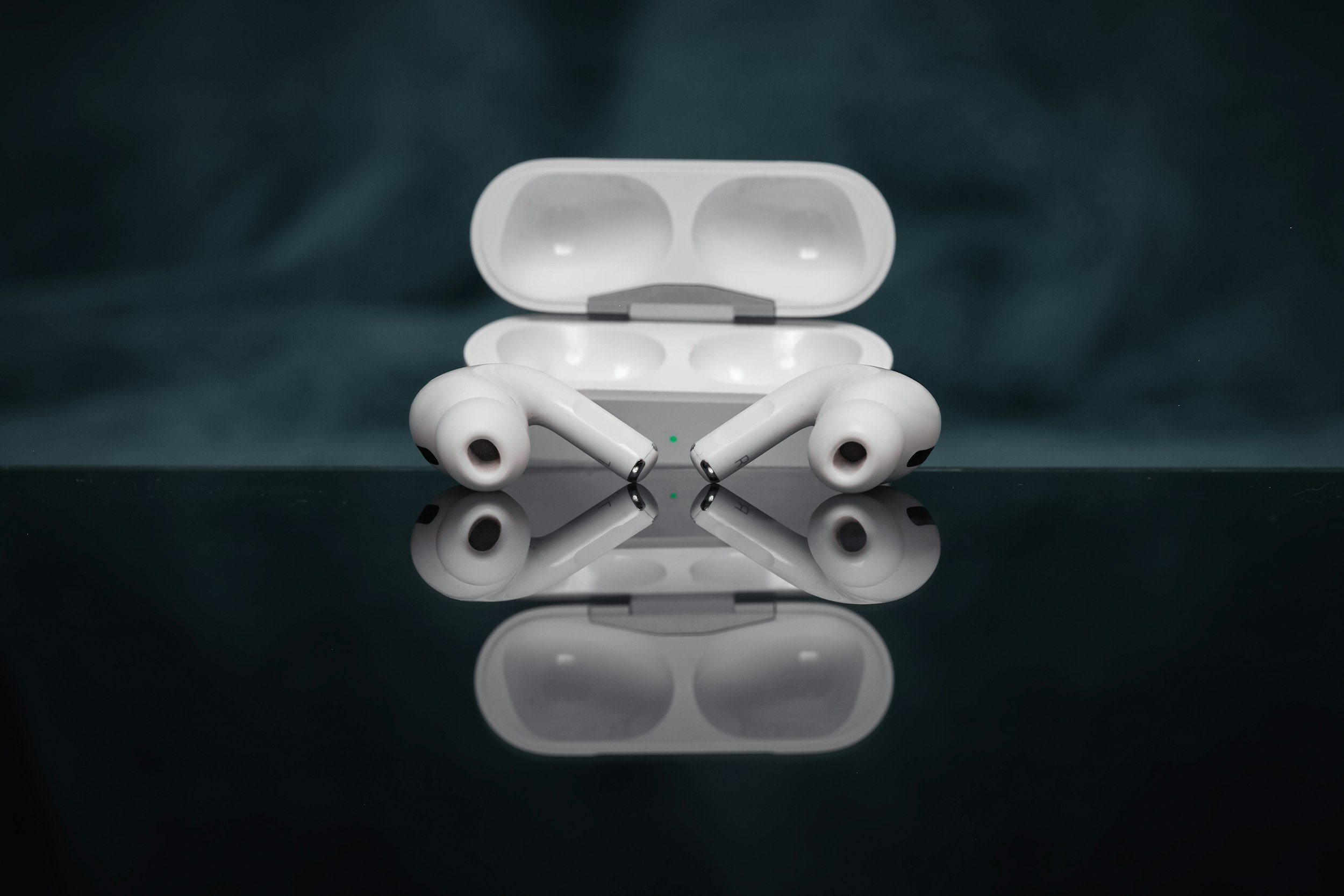
Key Highlights
- Technological Transformation: From bulky wired devices to sophisticated true wireless earbuds.
- User-Centric Design: Innovations addressing connectivity, sound quality, comfort, and battery life issues.
- Future Outlook: Integration with advanced AI, augmented reality, and sustainable design trends.
Historical Overview and Evolution
Beginnings and Milestones
The evolution of earbuds is a story of rapid technological innovation and changing consumer needs. Initially conceived as simple audio accessories, early earbuds in the mid-20th century were basic and often bulky, primarily designed for simplicity rather than performance. Companies like Sony paved the way by introducing devices that, while rudimentary in technology, sparked the beginning of personal audio.
During the 1980s, advancements in sound quality and design started to gain momentum. Manufacturers such as Koss, Sony, and Sennheiser began experimenting with design innovations that included noise-cancelling technology and improved ergonomic contours for better fit. These enhancements were aimed at providing not only a satisfying audio experience but also comfort and ease of use during prolonged listening sessions.
The real game-changer emerged with the advent of Bluetooth technology in the 1990s. Early Bluetooth implementations allowed for wireless connections, although they were subject to limitations such as short range and lower data transfer speeds. Still, these challenges spurred further innovation and set the stage for the true wireless revolution that would follow in the next decade.
Technological Advancements
Wired to Wireless Transformation
The transition from wired earbuds to wireless solutions brought a vast transformation in user experience. As wireless technology advanced, earbuds began incorporating Bluetooth connectivity, enabling devices to connect without the hindrance of cords. In the early 2000s, this shift started to make earbuds more portable and convenient.
The early implementations of Bluetooth, while groundbreaking, had inherent limitations regarding latency and energy consumption. Despite these challenges, the core concept of wireless transmission empowered manufacturers to focus on miniaturization and techniques to amplify sound while minimizing power usage. In the early stages of wireless earbuds, connectivity issues such as unstable pairing and dropouts were common; however, they were quickly addressed by software updates and refinements in hardware design.
True Wireless Earbuds (TWS)
The emergence of true wireless earbuds around 2014-2015 marked a pivotal point in personal audio. Unlike earlier wireless models that still featured cords connecting the earbuds, TWS earbuds completely eliminated wires, offering unprecedented freedom of movement. Apple’s AirPods, released in 2016, dramatically popularized this category with innovative features like touch controls, automatic pairing, and robust voice assistant integration.
With true wireless earbuds, advancements in battery technology and miniaturized circuit boards allowed for prolonged usage without frequent recharging. Improvements in Bluetooth protocols—such as Bluetooth 4.0 with Low Energy (BLE) compatibility and later Bluetooth 5.0—ensured more stable connections and faster data transfer speeds. These developments not only resolved earlier issues but also provided the groundwork for integrating advanced user-centric features.
Addressing Common User Issues
Connectivity Challenges
One of the foremost challenges encountered with earbuds is connectivity. Early Bluetooth versions and even some modern hardware can still struggle with maintaining a stable link, especially in environments crowded with wireless signals. Users often report intermittent pairing issues or sudden disconnections, which can be particularly frustrating during activities such as workouts or commutes.
To mitigate these problems, users are advised to ensure that their earbuds and paired devices are fully charged. Many modern earbuds come equipped with a reset function to clear any problematic settings. Additionally, ensuring that both hardware and firmware are updated can significantly improve the stability of Bluetooth connections. Advanced versions of Bluetooth, like 5.0, offer extended range and lower latency, facilitating a more stable and seamless connection.
Sound Quality and Audio Enhancements
Sound quality remains a cornerstone of the audio experience, and early iterations of earbuds often suffered from distortion and limited frequency response. Manufacturers have since made significant strides in enhancing audio fidelity. The adoption of advanced audio codecs, such as aptX and AAC, has played a crucial role in delivering crisp, high-quality sound.
Active Noise Cancellation (ANC) further elevates the listening experience by filtering out ambient noises, allowing users to immerse themselves fully in their audio content. Additionally, customizable equalizer settings enable users to fine-tune their sound profiles according to personal preferences, ensuring that both the bass and treble are balanced and crisp.
Design and User Comfort
Ergonomic Improvements
Initially, one of the significant challenges of using earbuds was the lack of ergonomics and a secure fit. Ill-fitting earbuds could easily fall out, especially during physical activities, resulting in both inconvenience and suboptimal audio performance. To address this, manufacturers have innovated with designs that offer multiple ear tip sizes and adjustable features. This customization ensures a snug fit, reducing discomfort during extended use.
Some high-end models also incorporate additional hooks or wings that help secure the earbuds in place without sacrificing comfort. The focus on ergonomics extends beyond mere fit; it encompasses the use of lightweight materials and designs that minimize pressure on the ear canal.
Battery Life and Durability
Battery life continues to be another crucial area where users demand improvement. While wireless earbuds offer unparalleled convenience, their effectiveness is limited by battery performance. Many modern earbuds now come with charging cases that provide several hours of additional playback time, often extending the total usage to as long as 24 hours. These cases are designed with compactness and ease of transport in mind, ensuring that users can quickly recharge their earbuds on the go.
In terms of durability, the transition from bulky designs to now sleek, minimalistic models required a reevaluation of materials used. Many contemporary earbuds are constructed with reinforced plastics and lightweight metals that ensure both durability and a premium feel. Despite the reduced size, care in material selection helps the earbuds withstand daily use and occasional falls.
Comparative Analysis: Evolution Timeline and User Issues
Comprehensive Table Overview
| Era | Key Features | User Challenges | Technological Solutions |
|---|---|---|---|
| 1950s - 1970s | Basic audio quality, wired design | Bulkiness, limited sound clarity | Early experiments in miniaturization |
| 1980s | Enhanced sound quality, introduction of noise cancellation | Ergonomic issues and limited connectivity | Innovative designs; incorporation of microphones |
| 1990s - Early 2000s | Advent of Bluetooth connectivity | Unstable wireless connections, short battery life | Bluetooth 4.0 and foundational wireless protocols |
| 2010s | True Wireless Earbuds (TWS), touch controls, voice assistants | Connectivity dropouts, comfort issues, charging challenges | Bluetooth 5.0; advanced battery management; ergonomic redesign |
| 2020s | Active Noise Cancellation (ANC), AI-powered sound adjustments | Complex firmware needs, environmental noise interference | Adaptive equalizers; firmware updates; integration with smart devices |
Emerging Trends and Future Prospects
Upcoming Innovations in Earbud Technology
As we look toward the future, the evolution of earbuds continues to accelerate in response to the dynamic demands of modern users. The push for greater battery efficiency has led engineers to explore new battery technologies and energy-efficient designs to extend listening durations without increasing physical bulk. Next-generation earbuds are expected to feature sophisticated power management systems that intelligently distribute energy based on usage patterns.
In addition to battery enhancements, the integration of Artificial Intelligence (AI) into earbuds is paving the way for a more personalized and adaptive audio experience. AI-driven algorithms can adjust equalizer settings in real-time, ensuring optimal sound quality regardless of the listening environment. This includes automatic noise reduction adjustments during busy outdoor activities, and personalized sound profiles tailored to the listener’s hearing profile.
Environmental Considerations and Sustainable Design
Sustainability has emerged as an important consideration in modern electronics, including earbuds. With the growth of environmental awareness, manufacturers are increasingly adopting eco-friendly materials and sustainable production practices. This involves not only reducing the usage of non-recyclable materials in the earbuds’ construction but also incorporating biodegradable or recyclable packaging. Such environmentally conscious steps are expected to become standard as consumer demand for green products continues to rise.
Moreover, future developments might also include modular designs that allow users to replace or upgrade specific components rather than disposing of the entire device. This approach, combined with longer-lasting battery innovations, will likely lead to a significant reduction in electronic waste while simultaneously extending the lifespan of earbuds.
Practical Tips for Optimizing Your Earbud Experience
Maintenance and Troubleshooting
For users experiencing issues with their earbuds, regular maintenance is key. Ensure that both earbuds and their charging cases are kept clean and free of debris, as buildup can interfere with connection stability and sound quality. If you encounter connectivity problems, try resetting your earbuds and reestablishing the Bluetooth connection. In many cases, updating the device’s firmware can resolve issues related to latency, distortion, or inconsistent volume.
Cleaning the earbuds and using multiple sizes of ear tips to ensure the best fit can alleviate common problems such as discomfort and poor isolation. Additionally, experimenting with different equalizer settings can help tailor the listening experience to specific environments—whether it be a noisy commute or a quiet evening at home.
Maximizing Battery Life
To maximize battery performance, it is recommended to charge your earbuds regularly and avoid letting them completely drain. Investing in a high-quality charging case that provides quick recharging can ensure that you have a reliable power source when needed. Also, keeping an eye on power consumption settings or modes provided by the manufacturer can help extend the lifespan of both the earbuds and their batteries.
In-Depth Comparative Analysis
Factors Influencing the Evolution of Earbuds
A closer examination of the technological evolution and user feedback reveals several key drivers behind the advancements in modern earbuds:
- Technological Integration: With each innovation—from early Bluetooth connectivity to advanced AI and ANC features—manufacturers have treated connectivity, sound quality, and battery life as interrelated challenges affecting the overall user experience.
- Consumer-Centric Design: The evolution from a one-size-fits-all model to customizable, ergonomically designed earbuds reflects the importance of addressing diverse user needs such as comfort and secure fit during physical activities.
- Sustainability and Future-Proofing: With increasing environmental awareness and evolving technological standards, sustainable design, efficient power management, and modularity are becoming integral to future product designs.
These factors combined have encouraged both established and emerging companies to continuously refine their products, thereby ensuring that the evolution of earbuds remains responsive to the demands and challenges faced by users in a rapidly changing technological landscape.
References
- When Did Earbuds First Come Out? - AudioChamps
- The History of Headphones - Medium
- Troubleshooting Earbud Issues - Creative Support
- Common TWS Earbud Issues - Cleer Audio
- True Wireless Earbuds Turn Ten - SoundGuys
Recommended Further Exploration
Last updated March 13, 2025