
Unveiling the Most Imitable Chess Champion: A Beginner's Guide
Exploring Chess Legends and Their Approaches to Inspire Your Game
Key Highlights: Chess Styles for Beginners
- Capablanca's Simplicity: Known for his intuitive and positional play, Capablanca's style is often considered the easiest to understand and emulate for beginners due to its emphasis on clear, logical moves.
- Magnus Carlsen's Universal Approach: While advanced, Carlsen's straightforward yet strong style offers a good model for those looking to develop a well-rounded game without unnecessary complications.
- Focus on Fundamentals: Regardless of the champion you choose to study, mastering basic chess principles such as controlling the center, developing pieces, and ensuring king safety is crucial for building a solid foundation.
Identifying a Chess Style That's Easy to Learn
When starting chess, imitating a world champion's style can provide a solid foundation. However, not all champions have styles easily adopted by beginners. Simplicity, clarity, and emphasis on fundamental principles are key factors to consider.
Capablanca: The Epitome of Simple and Effective Chess
José Raúl Capablanca, the third World Chess Champion, is often cited as having the most straightforward style. His games are characterized by:
- Positional Mastery: Capablanca excelled at understanding and exploiting positional advantages.
- Endgame Prowess: He was renowned for his ability to simplify positions and convert them into easy wins, especially in the endgame.
- Intuitive Play: Capablanca possessed a remarkable intuition, making complex positions appear simple.
His approach is logical and focuses on solid chess principles, making his games excellent for beginners to study. Capablanca was known as the "Chess Machine" because of his flawless technique and ability to simplify positions into easy wins. His games teach the importance of not being afraid of exchanges and maintaining a clean, simple approach.
Other Accessible Styles for Budding Chess Players
Magnus Carlsen: A Modern, Universal Style
Magnus Carlsen, the current world champion, is another player whose style can be instructive for beginners. While Carlsen is known for his universal abilities, his style is often described as straightforward and strong. Carlsen's style is a good model for developing a well-rounded game without unnecessary complications. He rarely goes in for mad complications.
Botvinnik: Solid and Strategic Play
Mikhail Botvinnik's style was dictated by iron logic and flexibility, making him extremely talented with methodical and strategical planning. His solid playstyle and regular openings make him a good choice for beginners. His games demonstrate the importance of a solid foundation and strategic planning.
Understanding Different Chess Playing Styles
Chess playing styles can be broadly categorized, though individual players often blend elements from various styles. Here's a look at some common styles:
- Tactical: Emphasizes sharp, calculated moves and combinations to gain immediate advantages.
- Positional: Focuses on long-term strategic advantages, such as controlling key squares and improving piece placement.
- Aggressive: Involves actively seeking attacks and complications to put pressure on the opponent.
- Defensive: Prioritizes solidifying one's position and waiting for the opponent to make mistakes.
- Universal: Characterized by the ability to play in various styles, adapting to the needs of the position.
Identifying your natural tendencies can help you choose a champion whose style resonates with you. However, it's also beneficial to study players with different styles to become a more versatile player.
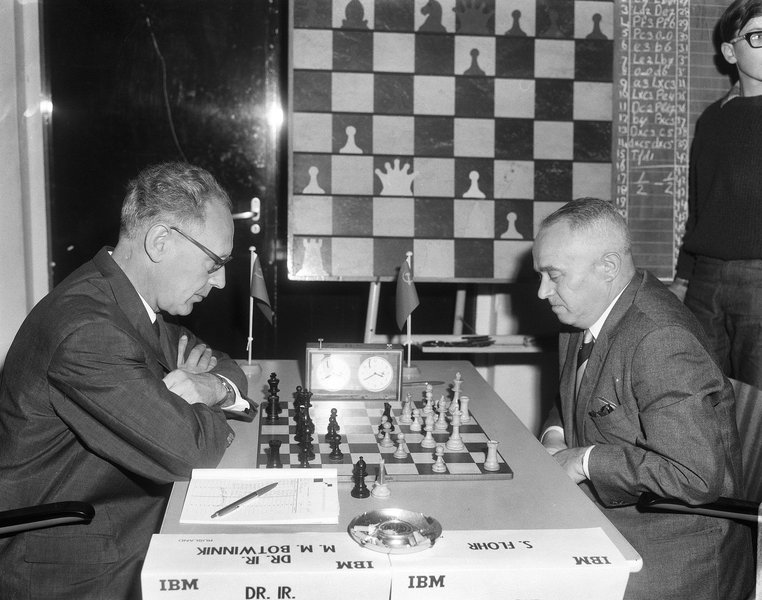
An image depicting chess players from a bygone era, reflecting the timeless nature of chess strategy and style.
Essential Chess Principles for Beginners
Regardless of the champion or style you choose to emulate, certain fundamental principles are crucial for any beginner:
- Control the Center: Aim to control the center squares (d4, e4, d5, e5) as they provide greater mobility for your pieces.
- Develop Pieces: Bring your knights and bishops into active positions early in the game.
- King Safety: Ensure your king is safe, usually by castling, and avoid exposing it to early attacks.
- Pawn Structure: Pay attention to your pawn structure as it can create weaknesses or strengths in your position.
- Piece Activity: Strive to keep your pieces active and coordinated, working together to achieve your goals.
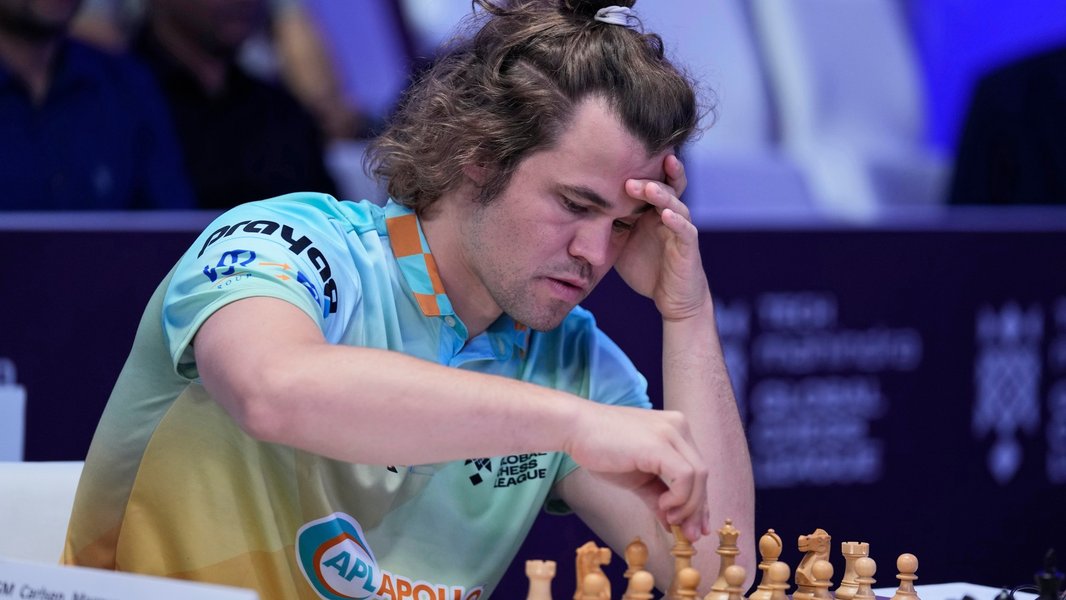
Magnus Carlsen, whose universal style makes him a good model for developing a well-rounded game.
Comparing Chess Champions' Styles
Here is a table summarizing the playing styles of various chess champions:
| Champion | Playing Style | Key Characteristics | Relevance for Beginners |
|---|---|---|---|
| José Raúl Capablanca | Positional, Simple | Intuitive, endgame expert, avoids complications | Excellent for learning fundamental principles |
| Magnus Carlsen | Universal, Pragmatic | Strong, straightforward, adaptable | Good for developing a well-rounded game |
| Mikhail Botvinnik | Strategic, Logical | Solid, methodical, flexible | Instructive for strategic planning |
| Garry Kasparov | Aggressive, Tactical | Dynamic, attacking, complex | Less suitable for beginners due to complexity |
| Anatoly Karpov | Positional, Strategic | Patient, suffocating, endgame expert | Requires a deep understanding of positional play |
A comparative overview of chess champions' styles, emphasizing their suitability for beginners.
Tactical vs. Strategic Approaches
Chess can be approached from tactical or strategic angles. Beginners often benefit from understanding both, but focusing on one can be a good starting point.
- Tactical Play: Involves short-term calculations and exploiting immediate opportunities like forks, pins, and skewers. It's about seizing immediate advantages.
- Strategic Play: Focuses on long-term planning, improving piece placement, controlling key squares, and exploiting structural weaknesses. It's about building a lasting advantage.
While tactical opportunities can arise in any game, a strategic foundation is crucial for consistent success. Strategic understanding provides a framework for making informed decisions, even when tactical possibilities are limited. Top players often emphasize strategic depth alongside tactical readiness.
Opening Strategies for Beginners
Choosing the right chess opening is crucial for setting the tone of the game and establishing a solid foundation. For beginners, it's best to focus on openings that emphasize fundamental principles and lead to clear, understandable positions.
-
Italian Game: A classic opening that focuses on rapid development and control of the center.
-
Ruy Lopez: Another popular choice that aims for long-term strategic advantages.
-
Queen's Gambit: Leads to solid positional play and control of the center.
Avoid overly complex or theoretical openings in the beginning. Focus on understanding the main ideas and principles behind each opening, rather than memorizing long sequences of moves. The goal is to develop a solid understanding of opening principles that can be applied to various situations.
FAQ: Mastering Chess Styles
Which chess champion's style is easiest for beginners to copy?
José Raúl Capablanca's style is often considered the easiest for beginners due to its emphasis on simplicity, positional play, and endgame expertise.
What are the key principles to focus on as a beginner?
Focus on controlling the center, developing pieces, ensuring king safety, and understanding basic pawn structures.
Should beginners focus on tactical or strategic play?
While both are important, beginners should prioritize strategic understanding to build a solid foundation. Tactical opportunities will arise more naturally with a better grasp of strategy.
What are some good chess openings for beginners?
The Italian Game, Ruy Lopez, and Queen's Gambit are excellent choices for beginners as they emphasize fundamental principles and lead to clear positions.
How important is it to study the games of world champions?
Studying the games of world champions can provide valuable insights into different playing styles and strategies. It's a great way to learn from the best and improve your understanding of the game.
References
Last updated April 17, 2025