
Effortless Chickpea Bread: Your Guide to Simple, Nutritious Baking
Discover the quickest and most accessible ways to make delicious chickpea bread at home.
Key Highlights of Easy Chickpea Bread
- Simplicity in Ingredients: Many of the easiest chickpea bread recipes require as few as 2-5 common ingredients, focusing on chickpea flour or canned chickpeas as the star.
- Speedy Preparation: From mixing to baking, some recipes can be ready in under 30 minutes, with flatbreads often taking less than 10 minutes to cook.
- Versatile and Dietary-Friendly: Chickpea bread is naturally gluten-free, often vegan, and rich in protein and fiber, making it a highly adaptable option for various dietary needs and culinary uses.
Chickpea bread has emerged as a beloved alternative to traditional wheat-based breads, particularly for those seeking gluten-free, high-protein, or vegan options. Its versatility, combined with its nutritional benefits and relative ease of preparation, makes it a popular choice in kitchens worldwide. This guide will delve into the simplest methods and most common ingredients for creating delicious chickpea bread, whether you prefer a quick flatbread or a more substantial loaf.
Understanding the Core of Chickpea Bread
At its heart, chickpea bread leverages the unique properties of chickpea flour (also known as garbanzo bean flour, besan, or gram flour) or whole canned chickpeas to create a diverse range of bread products. These ingredients provide a distinct nutty flavor and a satisfying texture, often described as dense yet tender. Beyond taste, chickpea-based breads are lauded for their nutritional profile, offering a good source of protein, dietary fiber, and essential minerals like manganese, magnesium, iron, and folic acid.
The Two Main Approaches: Flour vs. Whole Chickpeas
There are two primary pathways to making chickpea bread, each with its own advantages in terms of ease and final product:
Chickpea Flour Dominance: Socca and Flatbreads
The simplest and often quickest recipes revolve around chickpea flour. Socca, also known as farinata or cecina, is a prime example of an incredibly easy chickpea flatbread. These typically require just chickpea flour, water, salt, and olive oil. The batter is usually thin and runny, poured into a hot pan or skillet, and baked until crispy on the edges and tender in the center. The prep time can be as little as 5-10 minutes, with cooking taking another 6-10 minutes. This method is praised for its minimal ingredients, no-knead nature, and rapid cooking time, making it ideal for a quick snack, wrap, or side dish.
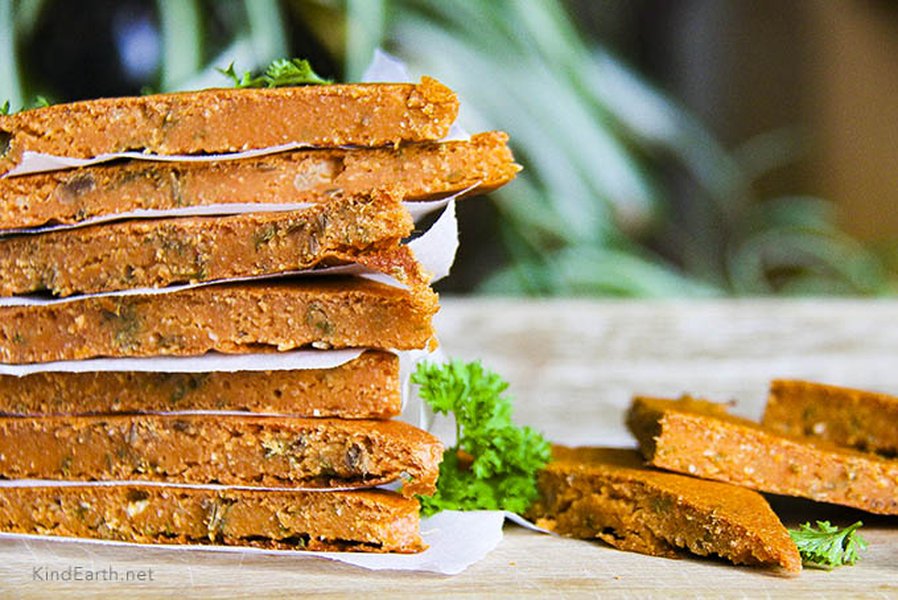
A visually appealing baked chickpea flour flatbread, perfect for a quick and healthy meal.
Whole Chickpea Integration: Loaves and Sandwich Breads
While still relatively easy, recipes using whole canned or dried chickpeas tend to be more involved than flatbreads but yield a more traditional loaf-style bread. These often involve blending chickpeas into a puree or incorporating them into a batter with chickpea flour and other binding agents like psyllium husk or starches (e.g., potato starch, corn starch). Some recipes might even use aquafaba (the liquid from canned chickpeas) for added moisture and structure. These breads are excellent for sandwiches, toast, or soaking up soups.
Common Ingredients for Simplest Chickpea Breads
Regardless of whether you're making a flatbread or a loaf, certain ingredients are frequently used due to their binding properties, leavening abilities, or flavor enhancement. Understanding their roles can help in customizing or troubleshooting your chickpea bread adventures.
- Chickpea Flour (Besan/Gram Flour): The foundational ingredient for most recipes, providing structure, nutty flavor, and a high protein and fiber content.
- Water: Essential for creating the batter consistency. Warm water is often recommended for better mixing and texture.
- Olive Oil: Adds flavor, moisture, and helps with crispiness, especially in flatbreads. Some recipes are oil-free.
- Salt and Pepper: Basic seasonings to enhance the flavor.
- Baking Soda/Baking Powder: Common leavening agents, particularly in yeast-free recipes, to provide some rise and a tender crumb.
- Vinegar (e.g., Apple Cider Vinegar): Reacts with baking soda to aid in leavening and can contribute to a lighter texture.
- Psyllium Husk: A crucial binding agent in many gluten-free loaf recipes, providing strength and elasticity to the dough that gluten would typically offer.
- Starches (Potato, Corn, Tapioca, Arrowroot): Used in some loaf recipes to improve flexibility and texture, preventing a overly dense or crumbly result.
- Herbs and Spices: Fresh or dried rosemary, Italian seasoning, cumin, or nutritional yeast can be added for flavor variations.
- Canned Chickpeas/Aquafaba: Used in some loaf recipes to add moisture and boost protein content, or aquafaba specifically for its emulsifying properties.
The Easiest Chickpea Bread Recipes: A Breakdown
The Ultimate Easy: 2-Ingredient Chickpea Flatbread
This recipe is arguably the simplest you can find, perfect for beginners or when you need something quick and versatile. It yields a dense, chewy flatbread ideal for wraps, pizza bases, or dipping.
Ingredients:
- 1 cup chickpea flour
- 1 cup warm water
- Pinch of salt (optional, but highly recommended for flavor)
Instructions:
- Whisk the chickpea flour and water together in a bowl until a smooth batter forms. Add salt if desired.
- Let the batter rest for 5-10 minutes (or longer, up to a few hours, though not strictly necessary for this simple version).
- Heat a lightly oiled non-stick skillet or cast-iron pan over medium heat.
- Pour a portion of the batter into the hot pan, tilting to spread it thinly like a pancake or crepe.
- Cook for 2-4 minutes per side, until golden brown and cooked through.
- Repeat with the remaining batter.
This method focuses on simplicity and speed, offering a foundational chickpea flatbread that can be customized with herbs or spices as you gain confidence.
Simple Chickpea Flour Sandwich Bread (5-Ingredients)
For those looking for a slightly thicker, more sandwich-friendly bread without extensive effort, 5-ingredient recipes are a great option. These typically incorporate a leavening agent for a bit more rise.
Ingredients:
- 1.5 cups chickpea flour
- 1 teaspoon baking soda
- 0.5 teaspoon salt
- 1 cup warm water (or sparkling water for extra lift)
- 1 tablespoon olive oil (or vinegar)
Instructions:
- Combine chickpea flour, baking soda, and salt in a bowl.
- Add warm water and olive oil (or vinegar) and whisk until a smooth batter forms.
- Pour the batter into a greased loaf pan.
- Bake in a preheated oven at around 375°F (190°C) for 30-40 minutes, or until a toothpick inserted into the center comes out clean.
- Cool before slicing.
This recipe provides a more substantial bread that's still incredibly easy to prepare, relying on chemical leavening rather than yeast, cutting down on proofing time.
Socca (Farinata): A Classic Flatbread
Socca is a savory, unleavened flatbread with origins in Italy and France, known for its crispy edges and tender center. It's naturally gluten-free and vegan.
Ingredients:
- 1 cup chickpea flour
- 1 cup water
- 2 tablespoons olive oil, plus more for the pan and drizzling
- 1/2 teaspoon salt
- Optional: fresh rosemary, black pepper
Instructions:
- Whisk chickpea flour, water, olive oil, and salt in a bowl until smooth. Let rest for at least 30 minutes, or up to 2-6 hours at room temperature, or overnight in the refrigerator for best results (this allows the flour to fully hydrate and improves texture). Skim any foam from the top.
- Preheat your oven to a high temperature, around 450-500°F (230-260°C). Place an oven-safe, ideally cast-iron, skillet (9-10 inches) with 1-2 tablespoons of olive oil into the oven to get very hot.
- Once the pan is hot and the oil is shimmering, carefully pour the chickpea batter into the skillet. If using, sprinkle with rosemary and black pepper.
- Bake for 5-8 minutes, or until the edges are crispy and the top begins to blister and brown. You can finish under the broiler for a minute or two for extra crispiness, watching carefully to prevent burning.
- Remove from the oven, slice into wedges, and serve warm with an extra drizzle of olive oil.
The resting time for the batter is key for traditional socca, contributing to its distinctive texture. Preheating the pan with oil is also essential for achieving the characteristic crispy crust.
Learn how to make Chickpea Flour Flatbread with this insightful video from Milk Street At Home. This video demonstrates a simple, quick method for creating a versatile gluten-free bread in under 30 minutes, highlighting the pan-cooking technique that makes it so accessible.
Nutritional Profile and Versatility
Chickpea bread isn't just easy to make; it's also a powerhouse of nutrition and incredibly versatile in its uses. Its gluten-free nature makes it suitable for individuals with celiac disease or gluten sensitivities, while its high protein and fiber content contribute to satiety and digestive health. Many recipes are also naturally vegan, aligning with plant-based diets.
Nutritional Advantages
Compared to traditional wheat breads, chickpea bread often offers:
- Higher Protein: Chickpeas are an excellent source of plant-based protein, crucial for muscle repair and growth.
- Increased Fiber: The fiber content aids in digestion, helps regulate blood sugar levels, and contributes to a feeling of fullness.
- Gluten-Free: A safe and delicious alternative for those avoiding gluten.
- Rich in Micronutrients: Contains essential vitamins and minerals like iron, folate, magnesium, and manganese.
- Low in Saturated Fat: Generally a healthy fat profile, especially when made with olive oil.
Culinary Applications
The simplicity and adaptable flavor of chickpea bread allow for numerous culinary applications:
- Sandwiches and Wraps: Loaf-style chickpea bread makes a sturdy and nutritious base for your favorite fillings.
- Toast: Perfect for breakfast with avocado, jam, or nut butter.
- Accompaniment to Meals: Flatbreads like socca are excellent with salads, soups, stews, or curries.
- Pizza Base: Thin chickpea flatbreads can serve as a quick, gluten-free pizza crust.
- Dippers: Cut into pita-sized chips for dipping in hummus, baba ghanoush, or other spreads.
- Snacks: Enjoy plain or with simple toppings for a healthy snack.
Comparative Analysis of Chickpea Bread Characteristics
To further illustrate the ease and versatility of chickpea bread, consider the various characteristics of different recipes. The radar chart below provides an opinionated analysis of several key attributes, showing how different approaches balance factors like ingredient count, preparation time, and dietary benefits.
The radar chart illustrates that while a 2-ingredient flatbread excels in speed and minimal ingredients, it sacrifices a traditional loaf-like texture. Conversely, yeast-leavened loaves offer a superior loaf texture and higher protein content but come with increased complexity and preparation time. The 5-ingredient sandwich bread and classic socca strike a balance, offering a good compromise between ease and desired bread characteristics. All chickpea-based options consistently score high on gluten-free suitability and protein content, highlighting their inherent benefits.
Troubleshooting Common Chickpea Bread Issues
While making chickpea bread is generally straightforward, some common issues can arise. Knowing how to address them ensures a successful bake every time.
Gummy or Undercooked Texture
This is a frequent complaint, especially with thicker loaves. It usually indicates insufficient cooking. Chickpea flour needs to be thoroughly cooked to lose its raw, slightly bitter taste and achieve a proper texture. To prevent this:
- Increase Baking Time: If the bread seems gummy, bake it for longer.
- Preheat Pan (for flatbreads): For socca, ensuring the pan and oil are screaming hot before pouring the batter helps achieve a crispy exterior and cooked interior.
- Proper Batter Consistency: Ensure your batter isn't too thick, as this can hinder even cooking.
Lack of Rise
Many easy chickpea bread recipes are designed to be dense or flat (like flatbreads), so a significant rise like that of wheat bread isn't always expected. However, if using leavening agents:
- Check Leavening Agents: Ensure your baking soda or baking powder is fresh and active.
- Correct Ratios: Follow the recipe's ratios precisely.
- Don't Expect Lofty Loaves: Gluten-free breads, especially those without yeast, typically have a denser crumb compared to traditional wheat breads.
Sticking to the Pan
This can be frustrating, especially with delicate flatbreads.
- Thoroughly Grease the Pan: Use enough oil or a reliable non-stick spray.
- Preheat the Pan with Oil: As mentioned for socca, heating the oiled pan in the oven can prevent sticking.
- Ensure Pan is Hot: A sufficiently hot pan creates an immediate seal with the batter, reducing sticking.
Recipe Variations and Enhancements
Once you've mastered the basic chickpea bread recipes, you can easily experiment with additions to enhance flavor and nutritional value.
Flavorful Add-ins
- Herbs: Fresh or dried rosemary, thyme, oregano, or a mixed Italian seasoning blend can add an aromatic touch.
- Spices: Cumin, garlic powder, onion powder, or a pinch of chili flakes can introduce a savory depth.
- Nutritional Yeast: Offers a cheesy, savory flavor, perfect for savory flatbreads.
- Vegetables: Finely chopped spinach, grated zucchini (squeeze out excess water), or shredded carrots can be folded into the batter for added nutrients and moisture.
- Olives: Chopped olives can add a briny, Mediterranean flavor.
Texture Boosters
- Seeds: Flaxseeds, chia seeds, sunflower seeds, or sesame seeds can be added to the batter or sprinkled on top for extra crunch and fiber.
- Aquafaba: If a recipe doesn't call for it but uses chickpea flour, a small amount of aquafaba can sometimes replace a portion of the water for a slightly lighter texture.
Experimenting with these variations allows you to tailor chickpea bread to your personal taste and dietary preferences, making it an exciting and adaptable staple in your kitchen.
FAQ
What is chickpea flour?
Can I use canned chickpeas instead of chickpea flour?
Is chickpea bread truly gluten-free?
Does chickpea bread taste like hummus?
How do I store chickpea bread?
Can I make chickpea bread without oil?
Conclusion
The journey to making easy chickpea bread is both rewarding and delicious. From the ultra-simple 2-ingredient flatbreads to slightly more involved sandwich loaves, chickpea-based breads offer a fantastic, nutritious, and versatile alternative to traditional options. Their natural gluten-free status, combined with high protein and fiber content, makes them a dietary staple for many. By understanding the core ingredients and simple techniques, anyone can whip up a batch of this wholesome bread, perfect for a myriad of culinary uses and dietary needs. Embrace the simplicity and enjoy the delightful results!
Recommended Further Exploration
- Explore more elaborate chickpea flour loaf bread recipes for a denser crumb.
- Delve into the nutritional benefits of using chickpea flour in your baking.
- Discover other easy vegan and gluten-free bread alternatives.
- Learn about the regional variations and history of Socca (Farinata).