
Literature Review: Seasonal Variations and Heavy Metal Remediation
An in-depth exploration of Ebe River's dynamics and sustainable water purification methods
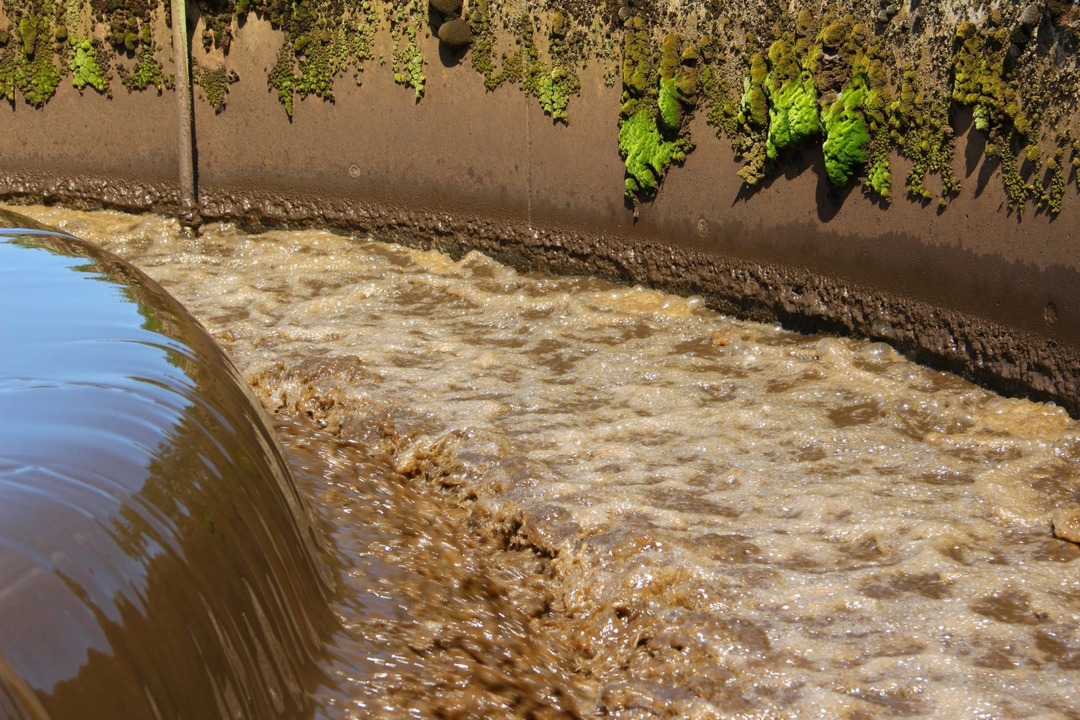
Key Highlights
- Seasonal Impacts: Fluctuations in rainfall and temperature notably influence the physicochemical properties and heavy metal concentrations in both soil and water.
- Heavy Metal Concerns: Industrial, agricultural, and natural sources contribute to the accumulation of toxic metals, which pose severe ecological and health risks.
- Activated Charcoal Remediation: Utilization of activated charcoal derived from rice husk and corn cobs represents an efficient, cost-effective, and sustainable approach for heavy metal removal.
Introduction
The environmental quality of the Ebe River in Eha-Amufu is of great concern, especially with the increasing anthropogenic pressures and seasonal climatic variations. The river, which serves as a crucial freshwater resource, experiences significant fluctuations in its physicochemical properties as well as in the levels of heavy metals in both its soil and water matrices. These variations are largely influenced by seasonal changes such as rainy and dry periods, which dictate runoff intensity, water volume, and the concentration of contaminants.
The literature indicates that the seasonal variations in environmental parameters have a direct impact on water quality and soil health. During rainy seasons, enhanced runoff from agricultural lands and urban areas results in elevated nutrient loading, higher turbidity due to suspended solids, and the potential release of accumulated heavy metals into the aquatic ecosystem. Conversely, during the dry season, reduced water volumes may concentrate contaminants, risking ecosystem sustainability and human health.
Seasonal Variations of Physicochemical Properties
Overview of Key Parameters
In the context of the Ebe River, multiple studies have characterized the seasonal variations in essential physicochemical properties such as pH, temperature, electrical conductivity, dissolved oxygen, and turbidity. These parameters not only serve as indicators of water quality but also significantly affect the solubility, bioavailability, and transport of contaminants, including heavy metals.
pH and Temperature
The pH of river water is a critical factor that affects chemical solubility and the speciation of heavy metals. Seasonal variations may result in pH shifts due to natural processes such as decomposition of organic matter or the influx of runoff containing alkaline or acidic compounds. Temperature fluctuations, on the other hand, can influence metabolic activities of aquatic organisms and alter the rates of chemical reactions.
Turbidity, Dissolved Oxygen, and Electrical Conductivity
Turbidity levels generally increase during the rainy season as heavy rains generate runoff and mobilize soil and particulate matter. Increased turbidity can reduce light penetration, thereby affecting photosynthetic aquatic organisms. Dissolved oxygen levels fluctuate with water flow and temperature changes. In colder water or reduced flow conditions during dry periods, oxygen saturation may be diminished. Electrical conductivity is affected by the concentration of dissolved ions, which may vary with seasonal inputs from both natural and anthropogenic sources.
Heavy Metal Components in Soil and Water
Sources and Ecological Implications
Heavy metals, including lead (Pb), cadmium (Cd), chromium (Cr), copper (Cu), nickel (Ni), iron (Fe), manganese (Mn), and zinc (Zn), are often derived from industrial discharges, agricultural runoff, urban waste, and natural geological weathering. In the Ebe River, the interaction between these sources and seasonal climatic patterns exacerbates the variability in metal concentrations.
Seasonal patterns heavily influence the mobility and deposition of these metals. During the rainy season, the increased surface runoff can leach heavy metals from contaminated soils into water bodies. Additionally, suspended particulate matter may adsorb these metals, facilitating their transport. In the dry season, the reduced water volume can lead to higher concentrations of existing contaminants as dilution diminishes.
Health and Environmental Risks
The persistence and potential bioaccumulation of heavy metals make them particularly hazardous. They can enter the food chain, accumulate in aquatic organisms, and present long-term ecological and human health issues such as neurotoxicity, carcinogenic effects, and disruption of metabolic processes. Identifying and mitigating heavy metal pollution in riverine environments is thus essential for safeguarding both ecosystem health and public well-being.
Activated Charcoal for Heavy Metal Removal
Introduction and Rationale
Among the various remediation techniques investigated, the use of activated charcoal derived from agricultural waste products – specifically rice husk and corn cobs – has emerged as a promising strategy to address heavy metal contamination. This method leverages locally available, cost-effective materials, transforming them into high-efficiency adsorbents capable of removing heavy metal ions from water.
The process of creating activated charcoal from rice husk and corn cobs is energy-efficient and sustainable. It utilizes agricultural byproducts that are often underutilized, thereby promoting waste recycling and reducing environmental footprint.
Production Process and Adsorption Mechanism
Production of Activated Charcoal
The production of activated charcoal involves a two-step process: carbonization followed by chemical or physical activation. Initially, the raw agricultural materials are subjected to pyrolysis, wherein they are thermally decomposed in the absence of oxygen to produce char. Subsequently, the char is treated with activating agents such as phosphoric acid or potassium hydroxide to enhance its surface area and porosity. This activation process significantly increases the adsorption capacity of the resultant charcoal.
Mechanism of Heavy Metal Adsorption
The removal of heavy metals via activated charcoal is predominantly achieved through adsorption. The extensive porous structure and high surface area of activated charcoal provide ample sites for heavy metal ions to bind. The adsorption mechanism typically involves ion exchange and complexation reactions, wherein heavy metal ions are attracted and tightly bound to functional groups on the charcoal surface.
Factors such as pH, temperature, contact time, and the initial concentration of heavy metals are critical to optimizing the adsorption process. Typically, a slightly acidic or neutral pH enhances the adsorption capacities, while prolonged contact times ensure extensive interaction between the charcoal and contaminants.
Comparative Table of Activated Charcoal Sources
| Parameter | Rice Husk Activated Charcoal | Corn Cob Activated Charcoal |
|---|---|---|
| Availability | Widely available in rice-producing regions | Common in maize-cultivating areas |
| Surface Area | Enhanced via chemical activation; high porosity | Comparable pore structure; effective for certain metals |
| Targeted Heavy Metals | Effective for Pb, Cu, Ni, and Cr | Notably effective for Fe, Mn, and Ni |
| Cost Efficiency | Low-cost, sustainable byproduct | Economical and environmentally friendly |
| Application | Water and soil remediation | Primarily used in water purification |
Integrated Analysis
Interactions Between Seasonal Variations and Heavy Metal Mobility
The dynamic nature of seasonal climatic variables plays an essential role in both the distribution of heavy metals and the efficiency of their removal. During heavy rainfall, the enhanced flow in the Ebe River can mobilize heavy metals from soils into the water column, where they may attach to suspended particulate matter. These particles, under certain conditions, can undergo sedimentation or remain suspended, deeply affecting water quality, especially in downstream communities.
During periods of low rainfall in the dry season, reduced water volumes often result in increased metal concentrations due to lower dilution ratios. These elevated concentrations necessitate effective remediation strategies. The application of activated charcoal, developed from rice husks and corn cobs, has shown high efficacy under varying conditions. Its performance may vary slightly based on the physicochemical properties of the water, influenced by seasonal changes, but overall, it provides a viable method for heavy metal removal across different environmental conditions.
Role of Local Environment and Community Considerations
For the communities surrounding the Ebe River in Eha-Amufu, the seasonal variations and the associated pollution levels have direct implications for health and economic activities. Agricultural practices contribute to runoff that increases contaminant levels during rainy seasons, while industrial and urban activities add further heavy metal loads. Implementing effective remediation strategies, therefore, becomes necessary for maintaining water quality.
Activated charcoal offers a decentralized and community-implementable solution. Its low cost and ease of production from readily available agricultural waste encourage its adoption even in resource-limited settings. Educating local communities about the benefits and proper utilization of this technology not only removes existing contaminants but also fosters long-term environmental stewardship.
Research Needs and Future Directions
Monitoring and Long-Term Analysis
Long-term environmental monitoring is pivotal in understanding the full spectrum of seasonal variations in the Ebe River. Future research should focus on:
- Continuous monitoring of physicochemical parameters to establish seasonal baselines.
- Mapping heavy metal sources and their transport mechanisms across different periods.
- Assessing the impact of ongoing industrialization and agricultural practices on metal accumulation.
Optimization of Activated Charcoal Production
Despite the established potential of using rice husk and corn cob-derived activated charcoal, there remains a need to optimize the production process. Areas that require focused research include:
- Determining the most effective activation agents and conditions to maximize surface area and adsorption efficiency.
- Experimenting with process parameters to enhance removal capacities for specific heavy metals prevalent in the Ebe River.
- Scaling the production process to meet community-level or local municipal water treatment needs.
Community Engagement and Policy Implications
In addition to technological advancements, policies that facilitate community participation in water quality management are essential. Mobilizing local communities through educational programs and awareness campaigns regarding the use of activated charcoal can help in mitigating health risks associated with heavy metal exposure. Collaborative efforts among researchers, local stakeholders, and policy makers are required to design comprehensive water quality management plans.
References and Further Exploration
References
-
Seasonal Variations in Physicochemical Properties - ScienceDirect
-
Heavy Metal Analysis in Aquatic Systems - ScienceDirect
- Environmental Applications of Activated Charcoal - MDPI
- Agricultural Waste and Water Purification - Springer
- Seasonal Heavy Metal Studies - ResearchGate
Recommended Related Queries
Last updated March 14, 2025