
MARH023 ECDIS Delivery and Assessment Plan
A Detailed Overview on Delivery, Assessment, and Best Practices
Key Highlights
- Comprehensive Practical and Theoretical Training: Combines lectures, hands-on sessions with simulators, and case studies.
- Focused Assessment Strategies: Utilizes both written and practical exams, emphasizing route planning, system operation, and regulatory compliance.
- Compliance and Safety Emphasis: Ensures adherence to international standards (IMO & SOLAS) through rigorous performance evaluation.
Introduction
The MARH023 unit is a nationally recognized competency course designed to equip navigational officers and other maritime professionals with the essential skills required to operate and manage Electronic Chart Display and Information Systems (ECDIS). This course is critical for ensuring safe and effective navigation on modern vessels that rely on electronic charting. It covers both the theoretical underpinnings and practical applications of ECDIS technology, making it indispensable for professionals who aim to master modern navigation techniques.
The core components of the MARH023 course include a balanced mix of lectures and practical exercises, which are essential for understanding the operational principles, route planning, and monitoring aspects of ECDIS. Participants gain hands-on experience using dedicated ECDIS units and simulators, ensuring that they can apply their theoretical knowledge in real-world scenarios. The course is typically structured as a five-day program, allowing intensive training to enable mastery of ECDIS functionalities while adhering to international safety and regulatory standards.
Course Delivery
The course delivery for MARH023 is structured to provide a comprehensive learning experience. The curriculum is designed to cover both theoretical knowledge and extensive practical skills. Trainees are exposed to a variety of teaching methods including lectures, hands-on simulator sessions, and case studies, which ensure that each participant can apply classroom learning to practical navigational challenges.
Duration and Structure
The MARH023 course is typically conducted over a five-day period. This duration is carefully determined to allow for an in-depth exploration of ECDIS systems while accommodating the rigorous training needs of maritime professionals. Small class sizes are maintained, with a limit to eight students per session, ensuring that everyone receives personalized guidance.
Throughout the course, each student is provided with a dedicated ECDIS unit for practical training. This individual allocation allows seamless transition between theory and practice, ensuring that all aspects of the system are thoroughly addressed.
Practical Sessions and Simulation Training
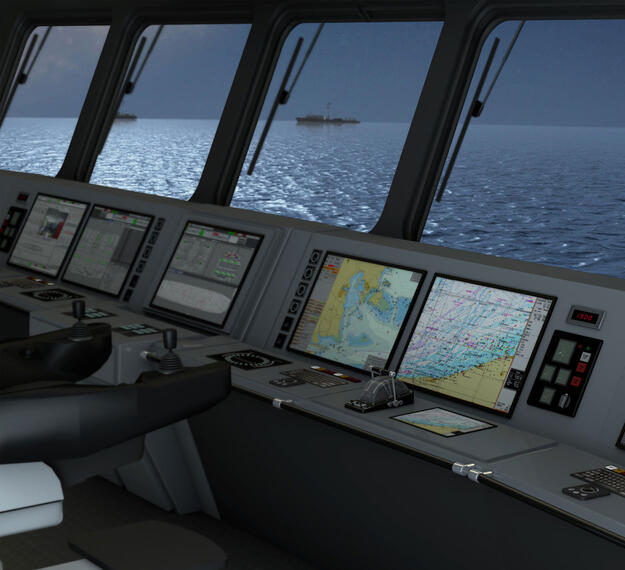
One of the distinguishing features of MARH023 is its emphasis on practical training. The course leverages full ship simulators to mimic real-world navigational scenarios under controlled conditions. During these practical sessions, students engage in:
- Route planning using both traditional and electronic methods.
- Monitoring navigational parameters and ECDIS displays.
- Responding to simulated maritime emergencies and regular navigational changes.
This immersive simulation training fosters an environment where theoretical knowledge is continually applied. Students learn to adapt quickly to dynamic conditions often encountered at sea, while ensuring safety through proactive decision-making and efficient maneuvering.
Resource Provision
The course incorporates a rich set of resources to support learning, including:
- ECDIS Simulators: Advanced simulation tools that replicate the operational environment aboard modern vessels.
- Nautical Charts and Data Sets: Electronic navigational charts (ENC) and Raster Navigational Charts (RNC) provide realistic visuals for route planning and analysis.
- Regulatory and Standards Documents: Current documents from international maritime organizations such as the IMO and guidelines aligned with SOLAS requirements.
Course Content
The content for the MARH023 ECDIS course is meticulously structured to cover all facets of ECDIS operation. The curriculum is divided into multiple sections, each focusing on a different aspect of navigation and system management.
Fundamentals of ECDIS Technology
This introductory section helps students understand the basic concepts, components, capabilities, and limitations of Electronic Chart Display and Information Systems. Topics include:
- The evolution of electronic navigation and the development of ECDIS.
- An in-depth look at the hardware and software that comprise modern ECDIS units.
- Comparisons between traditional paper charts and electronic systems.
Operational Capabilities and System Functionality
Here, the focus shifts to the operational functionalities of ECDIS. Students are taught how to:
- Plan routes using table and chart methods.
- Monitor real-time changes in navigational conditions.
- Utilize additional navigational tools and information sources that supplement the primary ECDIS functions.
Understanding these features is critical not only to facilitate effective navigation but also to enhance situational awareness in challenging sea conditions.
Safety and Compliance
Maintaining safety is paramount in maritime navigation. This section ensures that students:
- Appreciate the regulatory framework surrounding ECDIS usage, including international maritime standards.
- Learn how to verify and check the route safety plans generated by ECDIS.
- Implement proper procedures to monitor all connected sensors and validate the integrity of navigational data.
Advanced ECDIS Functions
Advanced training modules delve into more complex aspects of ECDIS operation. Topics covered include:
- Route scheduling and track limit setup.
- Data management, including the handling of display configurations and system files.
- Utilizing Automatic Identification System (AIS) integration with ECDIS for enhanced safety and operational efficiency.
Assessment Plan
The assessment plan for MARH023 is designed to rigorously evaluate both the theoretical understanding and practical competencies of each student. This dual approach ensures that navigators are fully equipped to perform safely in real-life maritime situations.
Written Assessments
The written components of the assessment focus on evaluating a student’s grasp of ECDIS principles and operational theory. In these evaluations, students are tested on:
- Fundamentals of ECDIS technology and its evolution.
- Understanding the functioning of key ECDIS components and their roles in navigation.
- Regulatory requirements and international standards such as those set by the IMO and SOLAS.
Written assessments typically involve a mix of multiple-choice questions and short-answer formats, aimed at verifying the retention and understanding of technical details.
Practical Examinations
The practical examination portion is arguably the most critical, as it allows instructors to assess real-time decision-making and operational execution. The practical exam includes:
- Simulator-Based Exercises: Students use full ship simulators to replicate navigation scenarios, requiring them to plan and execute safe voyages using their individual ECDIS units.
- Route Planning and Monitoring Tasks: Practical tasks emphasize determining safe navigation routes, setting up track limits, and timely reaction to simulated emergencies.
- On-the-Spot Problem Solving: The exam also tests the ability to troubleshoot common issues such as sensor malfunctions and display errors.
Case Studies and Scenario-Based Evaluation
In some course formats, students are required to present a case study or complete a scenario-based exercise. These assessments are designed to:
- Apply theoretical knowledge to real-world navigational challenges.
- Assess the student's ability to analyze complex situations and propose viable solutions using ECDIS functionalities.
- Demonstrate compliance with safety protocols and maritime regulations during simulated navigation tasks.
Assessment Criteria and Performance Metrics
The criteria for assessment ensure that every component of the training program is measured accurately. Key metrics include:
- Accuracy and Completeness: Evaluations focus on how precisely students can execute route planning tasks and manage navigational data.
- Problem-Solving Ability: This metric gauges how effectively a student identifies and resolves ECDIS-related issues under simulated conditions.
- Adherence to Procedures and Regulations: Exam content closely assesses the understanding of safety protocols and compliance with international standards.
Certification and Competency
Upon successful completion of both the delivery and assessment components, students are awarded a statement of attainment. This certification serves as national recognition of the individual's competency in operating ECDIS and maintaining safe navigation practices aboard compliant vessels.
The certification not only boosts the career prospects of maritime professionals but also assures shipping companies and regulatory bodies that the operator is proficient in managing electronic navigation systems.
Delivery & Assessment Overview Table
| Aspect | Details |
|---|---|
| Course Duration | 5 days with intensive practical and theoretical sessions |
| Class Size | Up to 8 students per session for personalized training |
| Delivery Method | Combination of lectures, simulator training, and case studies |
| Written Assessment | Multiple-choice & short-answer examinations covering theoretical aspects |
| Practical Examination | Simulator-based tasks including route planning, monitoring, and emergency response |
| Certification Award | Nationally recognized statement of attainment for MARH023 |
Additional Considerations
Beyond the traditional delivery and assessment components, the MARH023 course places significant emphasis on evolving maritime challenges and technological advancements. Constant updates to navigational regulations and technological innovations in ECDIS require continuous professional development. As maritime safety standards evolve, so does the content and assessment strategies in courses like MARH023, ensuring that graduates remain at the forefront of navigational safety and expertise.
Training providers, including renowned institutions and maritime academies, maintain dedicated resources and updated curricula to align with the latest international standards. This proactive approach guarantees that maritime professionals are well-prepared to handle complex navigational situations in a technology-driven environment.
Integration with Modern Navigation Systems
Integrating ECDIS with other modern navigation aids such as AIS (Automatic Identification System) not only enhances safety but also provides a layer of redundancy in navigational operations. Through hands-on training, students learn to utilize multiple data streams, thereby improving situational awareness. The ECDIS system serves as a central hub for electronic charts, sensor data, and real-time alerts—an integration that is critical in modern maritime operations.
Feedback and Continuous Improvement
Regular formative feedback is an integral part of the course design. Instructors continuously provide insights to improve performance during practical sessions, which is supplemented with summative feedback at the conclusion of assessments. This methodology helps learners identify gaps in their knowledge and refine their approach to ECDIS operations.
Continuous improvement techniques are also applied in curriculum updates, ensuring that training remains relevant in light of new challenges and technological breakthroughs in maritime navigation.
Conclusion
The MARH023 ECDIS delivery and assessment plan is strategically designed to develop proficient maritime navigators capable of safely and effectively managing electronic chart systems. By balancing theoretical instruction with extensive simulator-based practical training, the course ensures that every participant acquires the skills necessary to navigate in a modern, technology-driven environment.
With a comprehensive curriculum that addresses ECDIS fundamentals, safety and regulatory compliance, advanced operational techniques, and continuous improvement methodologies, graduates of MARH023 are well-equipped to help maintain the safety of navigation on commercial vessels. The rigorous assessment framework—comprising both written and practical evaluations—ensures that only competent navigators are certified, reinforcing the commitment to maritime safety and excellence.
Overall, the MARH023 course stands as a cornerstone in maritime education, reflecting an evolving industry that prioritizes safety, precision, and technological advancements. Its success lies in a robust delivery model paired with thorough assessments, making it essential for anyone involved in modern maritime navigation.
References
- Use of Electronic Chart Display and Information System (ECDIS) to Maintain the Safety of Navigation - Courses.com.au
- MARH023 Detailed Overview - Training.gov.au
-
Electronic Chart Display and Information System - GBRIMC
- ECDIS Skill Set - TAFE Queensland
- Use of Electronic Chart Display and Information System (ECDIS) Skill Set - South Metropolitan TAFE
Recommended Queries for Further Exploration
Last updated February 25, 2025