
European Commission’s Network on Elections
Understanding the Role, Structure, and Impact of the ECNE
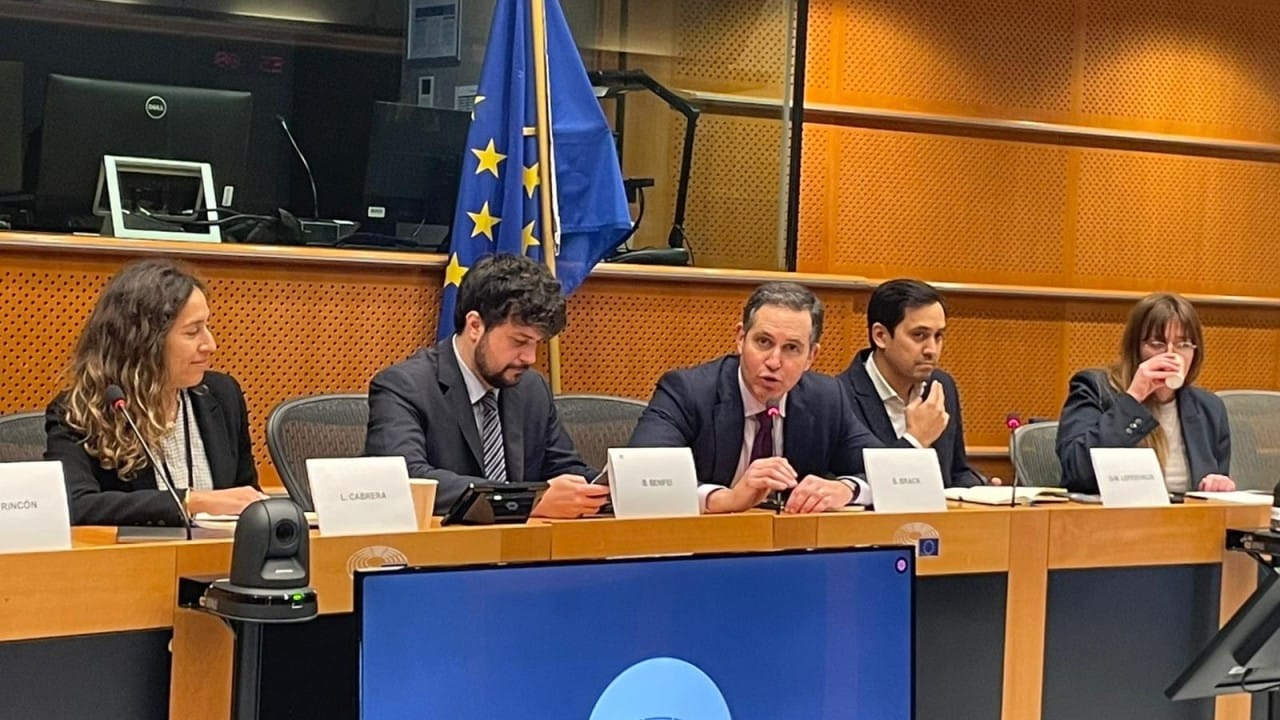
Highlights
- Collaboration and Cooperation: The network unites electoral authorities from all 27 EU member states, enhancing cross-border dialogue and sharing of best practices.
- Electoral Integrity and Resilience: Focuses on mitigating cyber threats, countering disinformation, and promoting transparent electoral practices.
- Innovation in Electoral Practices: Addresses modern challenges including online political advertising, accessibility for citizens with disabilities, and e-voting advancements.
Introduction to the Network
Established by the European Commission, the European Cooperation Network on Elections (ECNE) is a pivotal initiative designed to strengthen the integrity of electoral processes across the European Union. Born out of the necessity to protect the democratic exercise of voting under increasingly digital pressures, the network has evolved into an essential collaborative framework linking the electoral authorities of all 27 EU member states. Its foundation was particularly crucial in the aftermath of the challenges experienced during the European Parliament elections, serving as a safeguard against risks connected to the modern online environment. The ECNE seeks not only to anticipate and address cyber threats but also to bolster the transparency and efficiency of electoral processes across diverse national landscapes.
Historical Context and Establishment
Origins and Motivation
The inception of the ECNE dates back to 2019, a period marked by heightened concern over the integrity of European parliamentary elections in an era defined by rapid technological change. The European Commission initiated this network as part of its broader strategy to safeguard electoral processes, particularly in light of emerging vulnerabilities in the online sphere. The network was conceived to serve as a central platform, allowing representatives from different member states to converge, discuss, and develop joint strategies aimed at maintaining secure and transparent elections.
Formation and Core Objectives
At its core, the ECNE was established to:
- Promote effective collaboration and knowledge exchange among national electoral bodies.
- Counter risks such as disinformation, cyber-attacks, and other forms of online interference that undermine electoral integrity.
- Support the adoption of innovative electoral practices, including electronic voting (e-voting) and improved digital transparency in political communication.
- Enhance the resilience of democratic institutions across the EU, thereby reinforcing public trust in electoral processes.
Structure and Key Functions
Membership and Coordination
The network is characterized by its pan-European structure, which unites electoral authorities from all EU member states. This collective membership ensures a comprehensive representation of diverse electoral systems across Europe. Each member state designates national contact points with specialized expertise in electoral matters. The network operates as a liaison between national authorities and European-level institutions, serving as the conduit for information and practices essential for organizing fair and secure elections.
Collaboration Mechanisms
There are several distinct mechanisms through which the ECNE fosters cooperation:
- Secure Communication Platforms: The EU provides secure digital platforms enabling the exchange of sensitive information related to electoral security, policy formulation, and technological developments.
- Regular Meetings and Workshops: Scheduled gatherings, both virtual and in-person, facilitate the continuous dialogue among members, enabling them to discuss emerging risks, share best practices, and brainstorm innovative solutions.
- Joint Initiatives: From the preparation of guides on accessible election practices for citizens with disabilities to the compendium of electronic voting procedures, the network has been instrumental in launching projects that have a lasting impact on electoral management within the EU.
Focus on Security and Innovation
One of the network’s defining priorities is the protection of elections against both conventional and modern digital threats. In a world where online manipulation and cyber-attacks pose a real risk to democratic processes, the ECNE plays an indispensable role in reinforcing electoral defenses. Its activities include:
Cybersecurity Initiatives
The ECNE actively coordinates cybersecurity exercises and collaborative assessments designed to identify vulnerabilities within national electoral systems. Through these initiatives, member states are better prepared to thwart attempts at manipulation via cyber-attacks or disinformation campaigns. Specialists from across the EU share their experiences and strategies, thereby creating a pool of tactical knowledge that can be deployed quickly when threats emerge.
Transparency and Accountability
Enhancing transparency is another principal function of the network. By building stronger mechanisms for information sharing, the ECNE assists in clarifying election processes for both officials and the public. This increased transparency is crucial in reinforcing the accountability of electoral bodies and promoting public confidence in the electoral process.
Technological Advancements and Digital Practices
Adapting to the Digital Landscape
The digital transformation affecting all sectors of society has significantly influenced electoral processes. The ECNE has been proactive in addressing these changes by:
- Integrating Digital Tools: Embracing innovative technologies that enhance the efficiency and transparency of elections, including advanced software for voter registration, e-voting systems, and automated result verification.
- Counteracting Disinformation: Implementing rapid response strategies to counter false information, a measure deemed essential as online platforms have become a fertile ground for misleading narratives.
- Promoting Digital Literacy: Encouraging training programs and workshops intended to enhance the digital skills of electoral personnel, thereby ensuring that technological tools are used effectively and securely in the electoral process.
Innovative Electoral Practices
Modern challenges demand modern solutions. In response, the ECNE has developed a range of initiatives that are paving the way for a new era in electoral management:
Electronic Voting (e-Voting)
The network has compiled an extensive array of electronic voting practices that are being adopted in various member states. This involves sharing methodologies, testing new software, and creating guidelines that ensure e-voting systems are both secure and accessible. The aim is to provide a reliable alternative to traditional voting methods, reducing human error and ensuring results are tallied quickly and accurately.
Inclusivity and Accessibility
A notable aspect of the ECNE’s work is the emphasis on ensuring that elections are accessible to all. This includes developing guidelines and good practices specifically designed to facilitate the participation of citizens with disabilities. Efforts in this area have led to the creation of detailed guides which outline necessary adaptations in polling stations, voting procedures, and digital platforms used during elections.
Table: Key Features and Focus Areas of the ECNE
| Feature | Description |
|---|---|
| Membership | Electoral authorities from all 27 EU member states, including national contact points tasked with electoral oversight. |
| Cybersecurity | Coordinated exercises and initiatives to secure electoral processes from digital threats, including countermeasures against cyber-attacks and disinformation. |
| Innovation | Development of guidelines for e-voting, integration of advanced technologies, and improvements in digital transparency and accountability. |
| Accessibility | Creation of guides and best practices to ensure that elections are accessible to all, particularly focusing on the participation of citizens with disabilities. |
| Collaboration | Regular meetings and secure digital platforms that encourage the exchange of best practices and expertise among member states. |
Ongoing Projects and Future Developments
Current Initiatives
The network has consistently engaged in projects that not only address contemporary challenges but also lay the groundwork for future adaptability. Among these initiatives, several stand out:
- Guide of Good Electoral Practices: A comprehensive handbook that addresses strategies for including citizens with disabilities in the electoral process, thereby ensuring that democratic participation is inclusive and barrier-free.
- Compendium of e-Voting Practices: An extensive collection of methodologies and technological approaches that have been successfully implemented in various member states to enhance the reliability and transparency of digital voting mechanisms.
- Cybersecurity Drills: Regularly organized exercises aimed at simulating potential cyber-attack scenarios. These drills facilitate the identification of vulnerabilities and the development of rapid response strategies to mitigate any threats to election security.
- Collaboration with External Bodies: The network collaborates with a range of external organizations and institutions. This includes working alongside the European Parliament, law enforcement agencies like EUROPOL, and international electoral observers to strengthen overall electoral resilience and share technical expertise.
Future Directions
Looking ahead, discussions about the potential formalization and further expansion of the network’s role continue to evolve. One area of prospective development involves the establishment of a permanent secretariat to:
- Streamline the coordination between the member states and promote continuous dialogue.
- Facilitate the development of harmonized standards that could be adopted across the EU, complementing the roles of established bodies such as the OSCE-ODIHR and the Venice Commission.
- Provide sustained support for innovative electoral practices, thereby ensuring that the network remains responsive to emerging challenges.
Challenges and Responses
Navigating the Digital Frontier
The digital transformation presents both tremendous opportunities and inherent risks. As the use of digital tools in elections increases, so does the potential for vulnerabilities:
- Cyber Threats: With advanced methods of cyber-attacks emerging regularly, ensuring that electoral systems remain secure is an ongoing challenge. The ECNE’s continuous cybersecurity initiatives are critical in preempting and mitigating these threats.
- Disinformation: In a landscape rife with misleading content, the network’s efforts to counter online disinformation are vital to preserving the integrity of elections. Strategic communication, timely updates, and collaborative fact-checking are all part of this multifaceted approach.
- Technological Obsolescence: Rapid advancements in technology necessitate constant updates to electoral systems. As outdated systems can be exploited by cyber adversaries, the emphasis on regularly revisiting and upgrading election infrastructure cannot be overstated.
Regulatory Framework and Accountability
The operation of the ECNE is firmly grounded in a regulatory framework designed to ensure accountability across member states. Regular audits, compliance checks, and the publication of guides on best practices enhance accountability by providing transparent standards that national electoral authorities must adhere to. This framework not only fosters trust among the participating countries but also reassures the public that elections are being conducted under strict oversight and regulation.
Impact on EU Democracy
Strengthening Democratic Institutions
By promoting collaboration, technical innovation, and stringent security protocols, the European Cooperation Network on Elections plays a critical role in safeguarding the democratic fabric of the European Union. The network’s influence extends beyond the administrative realm by strengthening public confidence in electoral processes. With enhanced communication and shared expertise, member states are better equipped to implement measures that counteract fraudulent practices and digital manipulation.
Broader European Implications
The operational model and initiatives of the ECNE have broader implications for the European Union. They serve as a model for transnational cooperation against common challenges, illustrating how member states can come together to address shared vulnerabilities. Moreover, by serving as a forum for the exchange of innovative electoral practices, the network encourages a culture of continuous improvement—a vital aspect in the ever-changing political and technological landscape.
Analyzing the Network’s Operations
A Comprehensive Overview
To better understand the operational intricacies of the ECNE, it is useful to break down its activities into several key components:
Information Sharing
A major pillar of the network is its ability to facilitate the secure exchange of information between national electoral authorities. Members have access to a centralized repository of data ranging from software tools to best practice guides. This repository not only increases efficiency but also ensures that innovative solutions and lessons learned from past elections are codified and shared.
Policy and Best Practices Development
The network plays a significant role in formulating policies and establishing best practices that guide electoral processes across Europe. By pooling diverse experiences and expertise, the ECNE helps standardize procedures, which leads to improved operational consistency during elections. These policies cover a broad range of areas—from cybersecurity and data protection to the effective use of technology in voter registration and vote counting.
Collaboration with External Entities
Beyond its internal operations, the ECNE engages with numerous external organizations such as law enforcement agencies, electoral observation bodies, international institutions, and even fact-checking organizations. This network of collaborations extends its influence and resource base, ensuring that the electoral process is subjected to robust scrutiny and continuous enhancement.
Economic and Social Dimensions
Economic Considerations
The operational costs associated with establishing and maintaining such an extensive network are balanced by the long-term benefits derived from secure and efficient elections. Investments in cybersecurity, technological innovation, and cross-border cooperation contribute significantly to preventing costly electoral disruptions or fraud. In a broader economic context, trustworthy elections foster a stable environment that is conducive to investment and political stability.
Social Impact
At the societal level, the transparency and integrity promoted by the ECNE have a direct impact on civic participation and trust in government institutions. When citizens are confident that electoral processes are free from manipulation and interference, they are more likely to engage in political discourse and participate actively in the democratic process. The network’s focus on inclusivity, especially the guidelines for engaging citizens with disabilities, further underscores its commitment to a truly participatory democracy.
Conclusion
The European Cooperation Network on Elections stands as a robust framework engineered to protect and enhance electoral integrity across the European Union. By uniting national electoral authorities and fostering an environment of collaboration and innovation, the network addresses a spectrum of modern challenges—from cybersecurity and digital disinformation to the imperative of inclusive, accessible voting processes.
Its comprehensive approach, which includes the implementation of best practices, the leveraging of technological advancements, and the establishment of a vibrant platform for dialogue, not only serves to safeguard elections but also reinforces democratic legitimacy throughout the EU. As electoral challenges continue to evolve, the network’s adaptive strategies and forward-thinking initiatives ensure that it remains at the forefront of defending democracy in an increasingly complex digital world.
In summary, the ECNE’s integrated efforts—from collaboration across borders to the continual evolution of digital safeguards—underscore its pivotal role in supporting sustainable democratic practices. Its initiatives ensure that regardless of the technological and security threats facing modern societies, European elections remain free, fair, and transparent.
References
- European cooperation network on elections - European Commission
- ECES support to the European Cooperation Network on Elections (ECNE)
- 2023/2829 COMMISSION RECOMMENDATION (EU) 2023/2829 - EUR-Lex
- 52020DC0252 - EN - EUR-Lex - European Union
Recommended Queries
Last updated February 28, 2025