
Innovative Eco-Engineered Coastal Infrastructure for the Philippines
Integrating Traditional Materials and Modern Engineering for Resilience
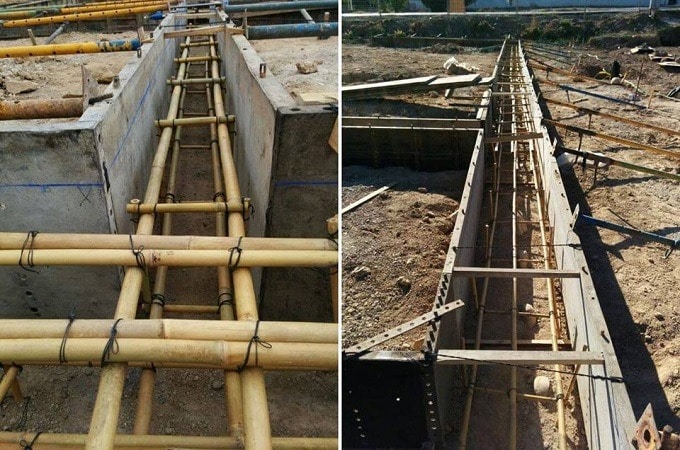
Key Takeaways
- Integration of Local Materials: Leveraging abundant natural resources like bamboo and locally sourced aggregates to develop composite materials.
- Resilience Against Natural Hazards: Designing structures that address both seismic activity and extreme weather events such as typhoons and coastal erosion.
- Community-Centric and Sustainable Solutions: Involving local stakeholders to ensure culturally appropriate, environmentally sustainable, and cost-effective infrastructure solutions.
Introduction
The Philippine archipelago is characterized by its diverse geography, which presents unique civil engineering challenges. These challenges include frequent seismic events, typhoons, and coastal erosion—all amplified by the impacts of climate change. This research topic proposes the exploration of an innovative approach that integrates indigenous materials, such as bamboo, with modern composite engineering to develop sustainable coastal infrastructure. The focus is on creating systems that safeguard communities from both seismic hazards and typhoons while promoting environmental sustainability and cost-effectiveness.
Traditionally, civil engineering solutions have often relied on imported materials and conventional construction methods that might not be optimized for the local context. By combining locally sourced natural fibers, traditional Filipino materials, and contemporary engineering techniques, we can create composite materials that are tailored to the Philippines' natural environment. This text proposes a detailed blueprint for an in-depth research topic titled: "Development and Structural Assessment of Bamboo-Reinforced Composite Coastal Barriers for Seismic and Typhoon Resilience in the Philippines."
Problem Statement and Rationale
Coastal regions and small island communities in the Philippines are under constant threat due to the combined impact of seismic risks and extreme weather events such as typhoons. The conventional coastal protection systems, typically involving concrete and steel reinforcements, have limitations due to high costs, environmental impact, and a lack of adaptability to the local environment.
Moreover, local materials like bamboo have been historically utilized in Filipino construction practices because of their abundance, renewability, and exceptional properties such as high tensile strength and flexibility. However, the full potential of bamboo reinforcement in composite materials, particularly for coastal infrastructure subject to dynamic environmental forces, remains largely unexplored. Thus, a holistic research approach is essential to assess the structural performance, durability, sustainability, and social acceptance of such innovative solutions.
Research Objectives
The proposed study aims to explore the feasibility and effectiveness of bamboo-reinforced composite materials in coastal engineering applications. The key objectives include:
1. Material Characterization and Composite Design
This objective focuses on thoroughly investigating the properties of bamboo when combined with other locally sourced materials such as natural aggregates or recycled polymers. The study will:
- Conduct laboratory tests to determine the tensile strength, ductility, and durability of bamboo-based composites.
- Assess the bonding properties and behavior under cyclic loading scenarios associated with seismic events and typhoon-induced forces.
- Compare the cost-effectiveness and sustainability metrics of bamboo reinforcement relative to traditional steel reinforcement.
2. Structural Simulation and Performance Evaluation
The research will employ advanced numerical modeling and simulation techniques to predict how the bamboo-reinforced composite structures respond to dynamic loads. Specific tasks include:
- Developing finite element models to simulate the performance under seismic loading and extreme weather impacts.
- Performing comparative studies between conventional coastal barriers and those using bamboo composites, focusing on parameters such as deflection, energy dissipation, and load-bearing capacity.
- Evaluating the long-term performance and fatigue life of the composite materials in marine and coastal environments.
3. Environmental and Economic Assessments
Sustainability is critical in modern engineering practice. This research will include:
- Life cycle assessments (LCA) to evaluate the environmental impact of bamboo-reinforced composites versus traditional materials.
- Cost-benefit analyses that incorporate local resource availability, potential reductions in construction costs, and economic benefits for small island communities.
- Investigation into the potential reduction of carbon footprints through the use of renewable and biodegradable materials.
4. Community Engagement and Policy Recommendations
A community-oriented approach is vital for sustainable infrastructure development:
- Engaging local communities through surveys and focus groups to understand their needs and gather traditional knowledge in construction practices.
- Identifying barriers and opportunities for technology transfer that can support the adoption of bamboo-reinforced composites.
- Formulating policy recommendations that encourage local governments to invest in sustainable, locally sourced construction practices for coastal resilience.
Methodology
The research will follow a multi-phase methodology to comprehensively address the objectives outlined. The phases include:
Phase 1: Literature Review and Preliminary Analysis
A detailed literature review will be undertaken to:
- Map the current state-of-the-art in composite material development utilizing bamboo and other local resources.
- Review existing design standards for coastal barriers in earthquake and typhoon-prone regions.
- Identify gaps in current research that justify the proposed focus on bamboo reinforcement for coastal infrastructure.
Phase 2: Material Testing and Composite Formulation
In this experimental phase, a series of material tests will be carried out:
- Laboratory experiments will be conducted to characterize the elastic modulus, compressive strength, and fatigue behavior of bamboo-reinforced composites.
- Various formulations and configurations will be tested, incorporating locally available materials such as natural aggregates, recycled plastics, and other indigenous resources.
- The outcomes of these tests will inform the optimal composite formulation that presents both high performance and environmental benefits.
Phase 3: Numerical Simulation and Structural Analysis
Utilizing advanced simulation tools, the study will involve:
- Developing finite element models to simulate structural behavior under various loading conditions.
- Analyzing the performance of the composite coastal barrier under peak seismic accelerations and the high-velocity winds of typhoons.
- Creating dynamic models that incorporate both transient loading due to typhoons and sustained cyclic vibrations from aftershocks.
Phase 4: Environmental and Economic Impact Assessment
To ensure the proposed system is sustainable and viable, the following assessments will be conducted:
- Life Cycle Assessment (LCA) to quantify greenhouse gas emissions, energy consumption, and overall environmental impact of the proposed material system.
- Economic cost-benefit analysis, comparing the lifecycle costs of the bamboo-reinforced composite system with traditional coastal infrastructure.
- Risk assessment, including vulnerability analysis of coastal communities, to measure potential improvements in resilience and economic stability.
Phase 5: Community Engagement and Policy Formulation
The final phase involves integrating technical findings with local community perspectives:
- Organizing community workshops and stakeholder meetings to validate technical findings with local needs and experiences.
- Surveying local residents to evaluate social acceptability and gather input regarding aesthetics, functionality, and cultural compatibility of the proposed solutions.
- Developing policy briefs and recommendations to support local government initiatives for sustainable coastal development.
Detailed Project Plan and Timeline
The following table outlines the potential timeline and key activities for this multi-year project:
| Phase | Description | Duration |
|---|---|---|
| Phase 1 | Literature Review, Preliminary Analysis, and Gap Identification | 6 months |
| Phase 2 | Material Testing, Composite Formulation, and Laboratory Experiments | 8 months |
| Phase 3 | Numerical Simulation, Structural Analysis, and Model Validation | 10 months |
| Phase 4 | Environmental and Economic Impact Assessments | 6 months |
| Phase 5 | Community Engagement, Policy Formulation, and Final Reporting | 6 months |
Anticipated Challenges and Mitigation Strategies
Every research endeavor comes with its challenges. For this project, some anticipated hurdles include:
Material Variability
Bamboo and other natural resources can exhibit variations in strength and durability depending on the region and environmental conditions. To mitigate this, the research will:
- Implement standardized testing protocols to evaluate material properties across multiple samples.
- Utilize statistical methods to account for variability and ensure robustness in composite formulation.
Modeling Complexity
Simulating the behavior of composite materials under combined dynamic loads can be computationally complex. This challenge will be addressed by:
- Employing advanced finite element software and collaborating with experts in computational mechanics.
- Validating simulation results with scaled physical prototypes where feasible.
Community Engagement
Integrating community feedback effectively may require bridging technical language barriers. To ensure robust dialogue:
- Engage local facilitators and community leaders to bridge communication gaps.
- Conduct seminars and workshops in local dialects and utilize visual aids to explain technical concepts.
Impact and Relevance
The proposed research has the potential to transform how coastal infrastructure is conceived and implemented in the Philippines. By harnessing the mechanical advantages of bamboo-reinforced composites, the project aims to:
- Enhance Resilience: The innovative composite material is designed to provide increased energy dissipation, thereby reducing structural damage in the event of earthquakes and typhoons.
- Improve Sustainability: Utilizing renewable resources like bamboo not only cuts costs but also minimizes the environmental footprint. This approach supports a circular economy by reintroducing locally sourced materials into modern design.
- Promote Economic Growth: By lowering construction costs and aligning with affordable housing initiatives, the research supports community development, potentially creating local job opportunities and stimulating the regional economy.
Furthermore, the community engagement component ensures that the developed solutions are adapted to local cultural contexts, making it more likely that new policies and technologies are successfully implemented. This research represents a convergence of engineering innovation, sustainability practices, and social inclusivity—important objectives for the future of civil infrastructure development in the Philippines.
Broader Implications
The insights gained from this research may have broad implications beyond the immediate context of coastal infrastructure in the Philippines. Key broader implications include:
- Global Sustainability: The methodology and findings can serve as a blueprint for other developing countries facing similar challenges in terms of climate change and limited resources. The focus on renewable materials like bamboo paves the way for greener construction practices worldwide.
- Engineering Innovation: Integrating traditional and local construction practices with modern engineering can spur innovative design solutions that bridge the gap between conventional methods and cutting-edge technology.
- Policy Transformation: By demonstrating the feasibility and benefits of sustainable and resilient infrastructure, this research can influence policy-making at local and national levels, encouraging increased investment in eco-friendly engineering solutions.
Future Research and Development
While this study focuses on the feasibility and performance of bamboo-reinforced composite coastal barriers, it opens several avenues for future research and development:
Material Optimization
Future projects could explore further optimization of composite formulations, including the integration of nanomaterials or other reinforcing fibers that complement bamboo's properties. Advanced manufacturing techniques, such as additive manufacturing, could also be investigated to enhance material performance and customization.
Real-world Implementation Studies
Pilot projects in select coastal communities can provide valuable data on long-term performance, community acceptance, and maintenance costs. These studies would help bridge the gap between laboratory results and practical, on-site applications, offering insights necessary for refining design protocols and scaling up production.
Integrative Technological Solutions
Additional research could combine sensor technology and Internet of Things (IoT) infrastructure to create "smart" coastal barriers. These enhanced systems could monitor stress, detect early signs of material degradation, and communicate structural health data in real time, facilitating proactive maintenance and disaster management.
Conclusion
In conclusion, the proposed research topic – "Development and Structural Assessment of Bamboo-Reinforced Composite Coastal Barriers for Seismic and Typhoon Resilience in the Philippines" – addresses a critical need for innovative, sustainable, and resilient civil engineering solutions in a country frequently threatened by natural calamities. By integrating locally sourced materials, advanced simulation techniques, environmental and economic analyses, and community engagement, this comprehensive study promises to not only enhance infrastructure resilience but also promote sustainable development that aligns with cultural and environmental contexts.
The multi-phase approach, covering material characterization, structural simulations, impact assessments, and policy recommendations, represents a forward-thinking strategy for adapting to the challenges posed by climate change and seismic risks. With its interdisciplinary framework, the research embodies a convergence of traditional knowledge and modern engineering practices that can serve as a model for sustainable infrastructure projects both in the Philippines and in other regions facing similar geographical and environmental challenges.
References
- Thesis Topics For Civil Engineering Students in The Philippines - Scribd
- 200+ Civil Engineering Research Topics - StatAnalytica
- Research Topics in Filipino Civil Engineering - Quora
- UP Los Baños Department of Civil Engineering Research Groups - UPLB
-
Civil Engineering in the Philippines - GineersNow
- Journal Article on Philippine Civil Engineering Advances - IJRPR
More
Last updated February 19, 2025