
E-commerce Integration and Its Impact on the Fashion Industry
Exploring the transformative role of online commerce in modern fashion
Key Highlights
- Digital Transformation Empowering Innovation
- Omnichannel and Personalized Consumer Experiences
- Sustainability, Data Analytics, and Advanced Technologies
Introduction
E-commerce integration is revolutionizing the fashion industry by blending technology with traditional retail practices to create a multifaceted and dynamic marketplace. This transformation is redefining how fashion brands design, market, sell, and manage their supply chains. In today's digital age, consumer behavior, market competition, and technological advancements have converged to compel both digital-native and established brands to embrace innovation. The modern fashion ecosystem is no longer confined by geographical boundaries, seasonal constraints, or outdated business models. Instead, it thrives on new opportunities presented by digital platforms, data-driven insights, and advanced technologies that collectively reframe the customer experience and operational strategy.
Digital and Technological Advancements
At the core of e-commerce integration is the sweeping digital transformation that has affected every dimension of the fashion industry. With the ubiquity of the internet and smartphones, fashion brands have found themselves at a crossroads where conventional methods are being rapidly supplanted by innovative digital tools.
Technological Disruptions
Rapid advances in technology, ranging from 3D design software to virtual fitting rooms, have allowed designers and brands to accelerate their product development cycles. These tools enable creative experimentation that goes far beyond traditional sketching and manual sampling. Artificial Intelligence (AI) and machine learning are further enabling predictive analytics, which helps brands forecast trends, optimize stock inventories, and tailor their marketing strategies. AI-powered chatbots and virtual assistants are also enriching customer support services, thus enhancing the overall online shopping experience.
3D Design and Virtual Fitting
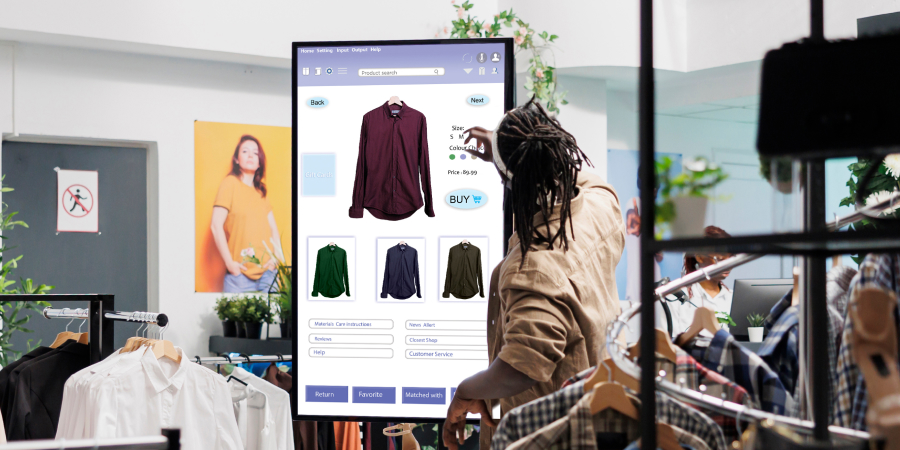
Utilizing 3D design software, designers can simulate clothing on digital models without physically producing samples. Virtual fitting rooms allow customers to try on garments using augmented reality, giving them a realistic preview of how items might look on their bodies. This not only reduces return rates—a significant pain point in online shopping—but also personalizes the consumer journey.
Data-Driven Insights
Advanced data analytics have become an essential tool in e-commerce, capable of tracking consumer preferences, behavioral patterns, and purchasing trends. These analytics allow fashion brands to tailor their product recommendations and marketing initiatives to individual consumer needs, thereby increasing customer engagement and boosting sales.
Omnichannel Strategies and Personalization
One of the most notable changes induced by e-commerce in the fashion world is the shift towards omnichannel retailing. Brands are increasingly adopting integrated strategies that blend online and offline sales channels to cater to a broadened consumer base. The objective is to deliver a seamless and cohesive shopping experience irrespective of where and how the customer engages with the brand.
Seamless Integration of Digital and Physical Retail
Omnichannel retailing enables companies to combine their brick-and-mortar presence with robust online platforms. Consumers can check product availability online before visiting a physical store, or they can try on items in-store and later purchase them through an online portal. This level of integration helps fashion brands meet the evolving expectations of modern consumers, who highly value both convenience and immediacy.
Personalized Shopping Experiences
E-commerce platforms are leveraging big data to offer highly personalized shopping experiences. Through personalized recommendations, targeted advertisements, and curated product selections, e-commerce allows fashion brands to create in-depth customer profiles. These profiles enable brands to offer customized deals, create loyalty programs, and promote products that are more relevant to the shopper’s interests. Such personalization not only enhances customer satisfaction but also contributes positively to a brand's bottom line.
The Role of Social Commerce
Social media integrations have further augmented the online shopping ecosystem. Platforms like Instagram, TikTok, and Facebook allow fashion brands to interact with consumers directly through shoppable posts, live-streaming events, and influencer campaigns. Social commerce has become a vital part of the strategy for many brands, capitalizing on the ability to reach younger demographics and global markets with ease.
Supply Chain Innovation and Operational Efficiency
Beyond enhancing consumer interaction, e-commerce integration is fundamentally altering the operational dynamics of fashion businesses. The traditional supply chain processes are undergoing dramatic changes, driven largely by digital technologies and automation.
Revamping the Supply Chain
The integration of e-commerce has necessitated more agile and transparent supply chains. Digital tools such as inventory management systems, automated warehouses, and real-time tracking technology are increasingly being adopted by fashion brands to manage their operations. These advancements minimize delays, reduce costs, and improve the accuracy of order deliveries.
Unified Commerce Platforms
Unified commerce is an evolution from omnichannel retailing that consolidates all customer interactions and transactions into one streamlined platform. By integrating physical and digital point-of-sale systems, brands can track customer behavior across various touchpoints. This approach maximizes the efficiency of marketing campaigns and enhances the overall Return on Ad Spend (ROAS), ensuring that customer data is leveraged to make informed operational decisions.
Efficient Logistics and Fulfillment
E-commerce has forced brands to reimagine their logistics strategies. With expectations for faster delivery and easier returns, brands are innovating in areas such as automated sorting facilities, robotics for warehouse management, and real-time tracking solutions. These advancements not only increase operational efficiency but also contribute significantly to customer satisfaction.
Sustainability, Ethics, and Social Responsibility
Along with technological advancements and operational improvements, the shift towards e-commerce is also encouraging sustainability, transparency, and ethical practices within the fashion industry. Consumers today are more environmentally conscious and socially aware. As such, brands are adapting by incorporating sustainable practices into their operations.
Sustainable Practices and Transparency
The digital landscape has made it easier for consumers to scrutinize the environmental and social impacts of fashion brands. E-commerce platforms provide a transparent view of supply chain practices, allowing consumers to evaluate the ethical standings of fashion companies. This transparency has nudged many brands towards opting for sustainable materials, adopting ethical manufacturing practices, and implementing recycling initiatives.
Eco-friendly Innovations
Fashion brands are now increasingly invested in eco-friendly innovations. Examples include using biodegradable or recycled materials for production, reducing water and energy consumption in manufacturing, and minimizing packaging waste. These efforts are often highlighted on e-commerce sites through dedicated sections that emphasize sustainability, thereby building trust with eco-conscious consumers.
Ethics and Fair Trade
Beyond environmental impact, ethical concerns such as labor exploitation and fair trade practices have come under increased scrutiny. E-commerce platforms serve as powerful vehicles for promoting transparency and accountability. Brands that commit to fair compensation, safe working conditions, and ethical sourcing can openly display these credentials, winning over a growing segment of customers who prioritize responsibility and integrity.
Impact on Market Reach and Consumer Engagement
E-commerce has dramatically expanded market boundaries, offering fashion brands the ability to reach a global audience far beyond the confines of traditional retail environments. The digital age has been instrumental in leveling the playing field, enabling smaller designers and niche brands to compete with established industry giants.
Global Market Reach
Through e-commerce platforms, fashion brands no longer rely solely on physical store locations. Online channels provide brands with an international presence. This globalization means that trends can spread rapidly and that consumers have access to a diverse range of styles and products from different cultures and geographic regions. Digital marketing campaigns, social media advertisements, and influencer partnerships further support this international outreach.
Expanding Consumer Base
Access to global markets allows fashion brands to tap into new consumer demographics that were previously inaccessible. This not only boosts sales figures but also provides brands with valuable cultural insights that further refine product offerings and marketing strategies.
Interactive Engagement and Community Building
E-commerce platforms and social networking sites support interactive engagement with consumers. Fashion brands are increasingly hosting live events, digital fashion shows, and virtual meet-and-greets, building a sense of community and loyalty among customers. Such dynamic interactions create a memorable brand experience and foster long-term customer relationships.
Summary Table: Impact Areas of E-commerce on Fashion
| Impact Area | Key Advancements | Outcomes |
|---|---|---|
| Digital Transformation | 3D Design, Virtual Fitting, AI Analytics | Faster product development, personalized experiences |
| Omnichannel Retailing | Unified commerce, integrated POS systems | Seamless integration of online and offline shopping |
| Supply Chain Innovation | Real-time tracking, automated warehouses | Operational efficiency, reduced delivery times |
| Sustainability and Ethics | Eco-friendly materials, transparency in sourcing | Increased consumer trust, reduced environmental footprint |
| Market Reach Expansion | Global online platforms, social commerce | Broader consumer base, increased brand visibility |
Detailed Observations
The integration of e-commerce in the fashion industry is multifaceted and far-reaching. It touches every aspect from design and production to consumer engagement and after-sales service. The convergence of traditional craftsmanship with digital innovation has led to dynamic business models that prioritize flexibility and responsiveness. Importantly, the rapid growth of online channels has set new standards for customer expectations, driving continuous improvements in customer service and product quality.
In addition to operational enhancements, brand engagement through social commerce and digital marketing is redefining how fashion trends are initiated and adopted. The ability to track consumer engagements in real time means that brands can swiftly adjust their marketing strategies in response to changing consumer behavio. Moreover, the increasing reliance on data-driven decision-making procedures has created a feedback loop where insights from consumer interactions shape future product developments, ensuring that fashion collections remain relevant and desired.
One noteworthy aspect associated with e-commerce is the acceleration of the product lifecycle. Fast fashion, a model that initially relied on rapid production and turnover, has now embraced digital integration. This synergy between quick-delivery mechanisms and advanced digital marketing has made it possible for trends to evolve at a pace never seen before. Brands are able to test concepts, gather real-time feedback, and adjust designs swiftly. However, this rapid pace also raises questions regarding sustainability and ethical practices, which the industry is actively working to address.
Technologies such as AI-driven trend forecasting, automated inventory management, and virtual reality-based shopping experiences are not only streamlining processes but also democratizing fashion. Smaller and independent designers now have unprecedented access to digital tools that allow them to market and distribute their creations on a global scale without the need for extensive physical infrastructure. This democratization is opening up the fashion landscape to a diversity of creative approaches and helping nurture a vibrant ecosystem of innovation.
Finally, the social and environmental responsibilities arising from e-commerce practices are shaping the future of fashion. Consumers and advocacy groups are urging brands to implement transparent supply chains, invest in sustainable materials, and adopt fair labor practices. E-commerce platforms serve as a critical medium for these advocacies, providing a space where brands can communicate their ethical commitments and where consumers can make informed choices based on their values.
References
- 10 Key Fashion eCommerce Statistics to Know in 2025 - Retail Boss
- Ecommerce Fashion Industry Insights - Shopify
- Digital Transformation in Fashion - Digital Adoption
- How AI is Revolutionizing the Fashion Industry - Techpacker
- Digital Marketing Strategies in Fashion - Doxee
Recommended Related Queries

Last updated March 13, 2025