
Perfect E-commerce Product Page Outline
Designing a high-conversion, user-friendly product page
Highlights
- Intuitive Structure: A seamless journey from detailed visuals to compelling descriptions that drive conversion.
- User Trust & Engagement: Incorporating social proof, live support, reviews, and clear policies to build confidence.
- Responsive & Optimized Design: Ensuring mobile responsiveness, fast load speeds, and SEO-friendly practices.
Introduction
Creating an exceptional e-commerce product page is paramount for converting visitors into loyal customers. The perfect product page not only highlights the product’s features but also offers seamless navigation, a robust user interface, and an engaging user experience. This comprehensive outline draws on the latest UX and UI best practices to help you build an effective product page that addresses key consumer needs, builds trust, and drives sales. Our focus is on creating an intuitive design that incorporates high-quality visuals, clear product information, seamless navigation, social proof, and interactive elements that enhance the overall shopping experience.
Core Components of the Perfect E-commerce Product Page
I. Header and Navigation
A. Branding and Navigation Bar
The header is the first interaction point for your shoppers. Maintaining consistent branding by displaying your logo along with clearly defined navigation links is essential. A well-organized navigation bar directs users effortlessly to various sections such as categories, home, and search functionality. Additionally, incorporating a shopping cart icon that is always visible ensures that users can quickly access cart details.
B. Accessibility and Clarity
Easy navigation isn’t solely about aesthetics; it's also about accessibility. Ensure that your navigation is screen reader friendly, provides proper alt texts, and uses concise language that guides users where they need to go. A minimalist design in the header allows customers to focus solely on the product details.
II. Product Visuals and Gallery Section
A. High-Quality Images and Videos
Visual content is critical. Use high-resolution images that can be zoomed in on for a closer look at the details. Offer multiple views including 360-degree images and lifestyle photos that show the product in real-life usage scenarios. The integration of product videos allows customers to visualize the product’s functionality in action.
B. Interactive Image Gallery
Provide an interactive gallery where users can easily navigate between various product images. A well-designed image slider or grid layout helps in highlighting different angles and product details. This section should include zoom functionality and possibly a play button for videos that offer dynamic information about the product.
III. Product Information and Description
A. Product Title and Overview
Ensure the product title is clear, descriptive, and SEO-optimized. It must include essential keywords while accurately reflecting the product’s nature. Below the title, offer a brief, engaging product overview that captures the core features and benefits in a concise manner.
B. Detailed Product Description
A comprehensive product description should include multiple key areas:
- Features and Benefits: List out the key features, emphasizing how the product solves a user problem or adds value.
- Technical Specifications: Provide detailed information on measurements, materials, functionalities, and performance metrics.
- User Scenarios and Use Cases: Explain how and in what scenarios customers would benefit most from the product.
- Interactive Elements: Incorporate bullet points or collapsible sections that allow users to delve deeper into the details as needed.
IV. Pricing, Availability, and Purchase Options
A. Clear Pricing Strategy
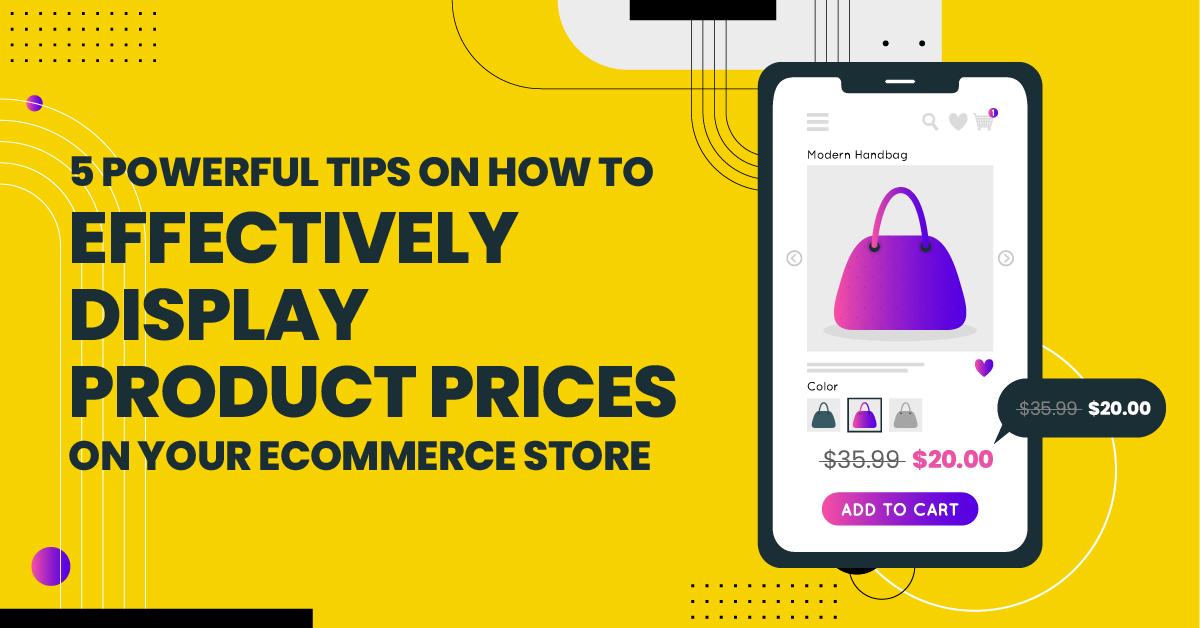
Display the product price prominently and include any discounts or special offers. The pricing strategy should also clearly outline additional costs (taxes, shipping fees) to avoid confusion.
B. Stock Information and Urgency
Communicate availability, showing whether the product is in stock or available for pre-order. Utilize indicators such as “Only 3 left in stock” to drive urgency and convert potential interest into a sale.
C. Call-to-Action (CTA) Elements
A dominant “Add to Cart” button should be present near the product details. In addition to the primary CTA, consider secondary actions like “Buy Now” or “Save for Later.” These CTA buttons need to stand out visually, using contrasting colors and immediate feedback upon interaction.
V. Product Variants and Customization Options
A. Variant Selection
If the product comes in multiple sizes, colors, or specifications, ensure that variant selection is intuitive. Use dropdowns, swatches, or interactive buttons to allow easy switching between options. An effective variant selector helps prevent user confusion and enhances the purchasing experience.
B. Supplementary Options
Include related options such as quantity selectors, custom engravings, or bundling possibilities that can prompt upselling opportunities. Present these options in a user-friendly layout that is clearly separated from the main product information.
VI. Social Proof and Customer Engagement
A. Customer Reviews and Ratings
Customer feedback plays a critical role in establishing trust. Include a section dedicated to customer reviews, ratings, and testimonials. Use star ratings for a quick visual assessment of product quality, and display detailed reviews for those wanting deeper insights.
B. Q&A and Testimonials
An interactive Q&A section where potential buyers can ask questions and get responses is a valuable asset. Highlighting verified purchase badges or review summaries can further reinforce credibility. Additionally, consider integrating user-uploaded photos that add authenticity.
VII. Trust Indicators and Return Policies
A. Security and Trust Badges
Incorporate trust indicators such as secure payment icons, money-back guarantees, and trust badges that reinforce the credibility of your e-commerce site. Displaying these elements near CTAs can help reduce buyer hesitation.
B. Clear Return and Shipping Policies
Transparent shipping information, delivery times, and clear return policies are critical for building customer confidence. Consider a dedicated section that outlines return and warranty information, making it easy for customers to review and understand the terms seamlessly.
VIII. Additional Details and Cross-Selling Opportunities
A. Detailed Product Specifications
For customers looking for in-depth information, provide detailed technical specifications, dimensions, materials, and care instructions. This information can often be presented in a structured table format for clarity.
| Feature | Details |
|---|---|
| Dimensions | 12 x 8 x 4 inches |
| Material | High-quality, durable plastic |
| Weight | 1.5 lbs |
| Warranty | 1 Year Limited |
In addition to detailed specifications, include complementary products or accessories in a cross-selling format. This encourages customers to add more items such as batteries, chargers, or related accessories that enhance the primary product's value.
B. Personalized Recommendations
Leverage data-driven insights to offer personalized product recommendations. Display recently viewed products, similar items, or frequently purchased together suggestions to create more opportunities for conversion. This not only increases average order value but also ensures a richer browsing experience.
IX. Mobile Optimization and Loading Efficiency
A. Responsive Design
With a large number of users accessing product pages on mobile devices, ensuring a responsive design is a must. The layout should adapt seamlessly to different screen sizes, providing an equally engaging experience on both mobile and desktop devices.
B. Load Speed and Performance
Fast page load speeds are essential for retaining customers. Optimize all images, scripts, and interactive elements so that the product page loads quickly. Employ strategies such as lazy loading and file compression to minimize delays.
C. Touch-Friendly Interactions
Ensure that buttons, links, and interactive elements are designed for easy use on touch devices. Sufficient spacing, larger clickable areas, and intuitive gestures are paramount for a functional mobile experience.
X. SEO Optimization and Accessibility
A. SEO Best Practices
Optimize the entire product page for search engines. This includes using descriptive and keyword-rich page titles, meta descriptions, and alt text for images. Structured data should be employed to help search engines clearly understand the content, which will improve the overall ranking and visibility.
B. Accessibility Features
Comply with web accessibility standards by ensuring all interactive elements are accessible using keyboard navigation and screen readers. This includes providing proper alt texts, using sufficient color contrasts, and maintaining a logical flow of content for users with disabilities.
XI. Interactive and Supportive Elements
A. Live Chat and Support Options
Integrate live chat or virtual assistant capabilities to respond to customer queries in real-time. This immediate support can help resolve doubts and foster confidence among potential buyers.
B. Interactive Tools
Consider including interactive tools such as size guides, color variant previews, and product comparison features. These tools empower customers to make informed decisions and reduce purchase hesitation.
Conclusion
The perfect e-commerce product page is designed with a clear structure that guides the user seamlessly from high-quality visuals to detailed product information, and finally to a decisive call-to-action. Every element, from the header and navigation to product images, descriptions, customer reviews, and support sections, is meticulously placed to maximize usability and drive conversions. This approach not only caters to user experience but also builds trust, enhances engagement, and improves SEO performance. By focusing on responsive design, fast loading speeds, and comprehensive customer support, you can create a product page that stands out in the competitive online marketplace. The strategic integration of cross-selling elements and personalized recommendations further contributes to increased customer satisfaction and higher sales value.
References
- Product Page Optimization: How to Grow Ecommerce Sales - Shopify
- UX Guidelines for Ecommerce Product Pages - Nielsen Norman Group
- The Current State of Ecommerce Product Page UX - Baymard Institute
- Ecommerce Product Page Best Practices - OptiMonk
- Top Product Page Best Practices - Larry Ludwig
Recommended

Last updated February 26, 2025