
The 2008 Economic Crisis and Its Impact on Human Security in Europe
Examining the multifaceted challenges to human well-being in the wake of economic turmoil
Key Highlights of the 2008 Economic Crisis Impact on Human Security in Europe
- Increased Economic Hardship: The crisis led to job losses, financial instability, and increased poverty, threatening the economic security of many Europeans.
- Rise in Social Discontent: Economic strain fueled skepticism toward immigration and increased social unrest, impacting social cohesion and stability.
- Challenges to Human Development: Reduced public spending on healthcare, education, and social services undermined long-term human development and security.
The 2008 economic crisis, originating with the collapse of Iceland's banking system and spreading across the Eurozone, had profound and lasting effects on human security in Europe. Human security encompasses not only physical safety but also economic stability, social well-being, and access to essential services. The crisis exposed vulnerabilities within European economies and societies, leading to a range of challenges that continue to affect the region today.
Economic Dimensions of Human Security
The most immediate impact of the 2008 crisis was economic. The crisis triggered a recession, causing industrial production to plummet and leading to widespread job losses. This economic downturn threatened the economic security of individuals and families across Europe.
Unemployment and Financial Instability
The rise in unemployment rates across Europe was one of the most visible consequences of the crisis. As businesses struggled and industries contracted, many people lost their jobs, leading to financial instability and increased poverty. The crisis also exposed the precariousness of employment in some sectors, particularly for those in non-standard or temporary work arrangements.
Sovereign Debt Crisis
The crisis evolved into a sovereign debt crisis, particularly affecting countries like Greece, Ireland, Portugal, Italy, and Spain (often referred to as the PIIGS nations). These countries faced mounting debt burdens and struggled to maintain access to financial markets. The crisis led to austerity measures, including spending cuts and tax increases, which further strained social services and economic opportunities.
Long-Term Economic Consequences
The economic repercussions of the 2008 crisis extended far beyond the immediate recession. Many European countries experienced prolonged periods of slow growth, high unemployment, and fiscal austerity. These long-term economic challenges have had a lasting impact on human security, particularly for vulnerable populations.
Social and Political Dimensions of Human Security
Beyond the economic impacts, the 2008 crisis also had significant social and political consequences that affected human security in Europe. The crisis fueled social discontent, increased skepticism toward immigration, and challenged the cohesion of European societies.
Increased Social Unrest
The economic hardship caused by the crisis led to increased social unrest and protests in many European countries. People took to the streets to express their anger and frustration with government policies, economic inequality, and the perceived failure of the political system. These protests reflected a broader sense of insecurity and a loss of faith in institutions.
Skepticism Toward Immigration
The financial crisis also contributed to increased skepticism toward immigration in Europe. As unemployment rose and economic opportunities dwindled, some people blamed immigrants for taking jobs and straining social services. This sentiment fueled anti-immigrant rhetoric and policies, creating a more hostile environment for immigrants and refugees.
Challenges to Social Cohesion
The crisis challenged the cohesion of European societies by exacerbating existing inequalities and creating new divisions. The gap between the rich and the poor widened, and social mobility declined. These trends undermined the sense of solidarity and shared purpose that is essential for a healthy and secure society.
Impact on Human Development
The 2008 economic crisis also had a detrimental impact on human development in Europe. Reduced public spending on healthcare, education, and social services undermined long-term human development and security.
Healthcare
Austerity measures led to cuts in healthcare spending in many European countries. This resulted in reduced access to healthcare services, longer waiting times, and a decline in the quality of care. These cuts disproportionately affected vulnerable populations, such as the elderly, the poor, and those with chronic illnesses.
Education
The crisis also led to cuts in education spending, which undermined the quality of education and reduced opportunities for young people. Schools faced budget cuts, teacher layoffs, and a shortage of resources. These challenges made it more difficult for students to succeed and reduced their chances of upward mobility.
Social Services
Social services, such as unemployment benefits, housing assistance, and food programs, were also cut as governments sought to reduce their budget deficits. These cuts left many people without the support they needed to weather the economic storm, leading to increased poverty and hardship.
The EU's Response and Human Security
The European Union faced significant challenges in responding to the crisis and mitigating its impact on human security. While the EU took steps to address the economic and financial challenges, its response was often criticized for being too slow, too limited, and too focused on austerity.
Austerity Measures
The EU's emphasis on austerity measures, particularly in countries facing debt crises, exacerbated the social and economic consequences of the crisis. These measures led to cuts in public spending, which undermined human development and security. Critics argued that the EU should have focused more on stimulating growth and creating jobs.
Coordination and Solidarity
The crisis exposed divisions within the EU and a lack of solidarity among member states. Some countries were reluctant to provide financial assistance to others, and there was disagreement over the best way to address the crisis. This lack of coordination and solidarity undermined the EU's ability to respond effectively and protect human security.
Illustrative Data on the Crisis's Impact
The following table illustrates the impact of the 2008 financial crisis on key economic indicators across several European countries. This data highlights the varying degrees to which different nations were affected and the challenges they faced in the aftermath.
| Country | Peak Unemployment Rate (Post-2008) | Government Debt (% of GDP, Peak) | GDP Growth (Lowest Annual Rate Post-2008) |
|---|---|---|---|
| Greece | 27.5% (2013) | 180.3% (2018) | -9.1% (2011) |
| Spain | 26.1% (2013) | 100.9% (2020) | -3.6% (2009) |
| Ireland | 15.1% (2012) | 120.0% (2012) | -6.4% (2009) |
| Italy | 12.7% (2014) | 155.6% (2020) | -5.5% (2009) |
| Portugal | 17.5% (2012) | 134.9% (2016) | -4.0% (2012) |
These figures underscore the severity and breadth of the economic challenges that confronted Europe in the wake of the 2008 crisis. The high unemployment rates, soaring government debt, and sharp contractions in GDP had profound consequences for human security, leading to increased poverty, social unrest, and political instability.
Visualizing the Crisis: Protests and Unemployment
The aftermath of the 2008 financial crisis saw a surge in social unrest across Europe, as citizens protested against austerity measures and economic inequality. The crisis also led to significant increases in unemployment rates, particularly in countries like Greece and Spain. The following images capture the atmosphere of the time, reflecting the widespread frustration and hardship experienced by many Europeans.
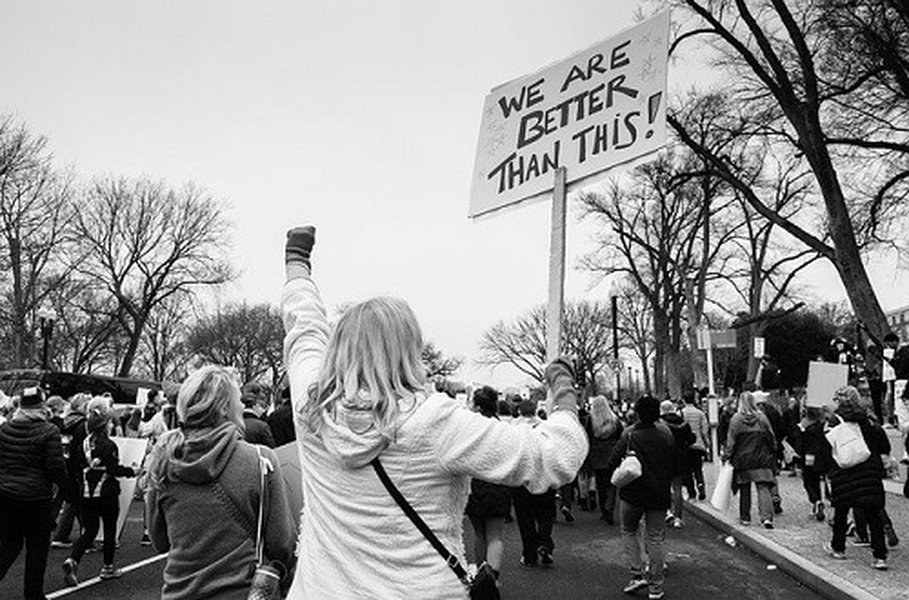
Mass protests reflecting discontent over the economic crisis.
Unemployment rates in European countries affected by the crisis.
The images above illustrate the palpable sense of crisis and the direct impact on people's lives. Protests became a common sight in many European cities, as people demanded change and expressed their anger at the handling of the economic situation. The unemployment rates, particularly among young people, soared to unprecedented levels, creating a generation of economic insecurity.
Expert Insights on the European Economic Security Strategy
This Youtube video titled "#AtlanticDebrief - What's Europe's strategy for economic ..." provides expert analysis on the European Economic Security Strategy and its key priorities. The discussion explores the areas of alignment and convergence between the EU and the United States in addressing economic challenges. Understanding these strategies is crucial for assessing Europe's path to recovery and long-term economic stability, especially in the context of ongoing global economic uncertainties. The video highlights the importance of strategic autonomy and economic competitiveness for Europe's future security.
FAQ
What were the main causes of the 2008 economic crisis in Europe?
The 2008 economic crisis in Europe was triggered by the global financial crisis, which originated in the United States with the collapse of the housing market. In Europe, the crisis was exacerbated by factors such as high levels of government debt, unsustainable economic policies, and a lack of regulatory oversight.
How did the crisis affect different European countries?
The crisis affected different European countries in different ways. Some countries, such as Greece, Ireland, and Portugal, experienced severe debt crises and were forced to implement austerity measures. Other countries, such as Germany and France, were less affected but still experienced economic slowdowns.
What measures did the EU take to address the crisis?
The EU took a range of measures to address the crisis, including providing financial assistance to countries in need, implementing fiscal austerity measures, and strengthening financial regulation. However, the EU's response was often criticized for being too slow, too limited, and too focused on austerity.
What are the long-term consequences of the crisis for human security in Europe?
The long-term consequences of the crisis for human security in Europe are significant. The crisis has led to increased economic inequality, social unrest, and political instability. It has also undermined human development by reducing public spending on healthcare, education, and social services.
How can Europe improve human security in the wake of the crisis?
To improve human security in the wake of the crisis, Europe needs to focus on promoting sustainable economic growth, reducing inequality, strengthening social protection, and investing in human development. It also needs to address the root causes of the crisis by strengthening financial regulation and promoting responsible economic policies.
References
Last updated April 11, 2025