

Key Insights into Ecosystem Services
- Four Fundamental Categories: Ecosystem services are broadly classified into Provisioning, Regulating, Cultural, and Supporting services, each offering distinct benefits derived from nature.
- Interconnectedness of Biotic and Abiotic Factors: All ecosystem services emerge from the intricate interplay between living organisms (biotic components like plants, animals, and microbes) and non-living elements (abiotic components such as sunlight, water, soil, and minerals).
- Crucial for Human Well-being: These services are not merely ecological phenomena; they are vital for human survival, quality of life, economic stability, and cultural enrichment, making their sustained health paramount.
Ecosystem services represent the myriad benefits that human societies derive from healthy ecosystems. These services are not isolated occurrences but rather the direct result of dynamic and complex interactions between biotic (living) and abiotic (non-living) components within an ecosystem. From the food we eat to the air we breathe, these natural systems provide indispensable support for life on Earth. Understanding these services is crucial for appreciating the value of nature and for developing sustainable practices that ensure their continued provision.
The Foundational Interplay: Biotic and Abiotic Components
At the heart of all ecosystem services lies the continuous and intricate interaction between biotic and abiotic components. Biotic components include all living organisms—from microscopic bacteria and fungi to vast forests, diverse animal species, and human populations. Abiotic components encompass the non-living physical and chemical elements of an environment, such as sunlight, water, temperature, soil composition, minerals, and atmospheric gases.
This fundamental interplay dictates the health, productivity, and resilience of an ecosystem. For instance, plants (biotic) rely on sunlight, water, and nutrients from the soil (abiotic) for photosynthesis, which forms the base of nearly all food webs. Microorganisms (biotic) break down organic matter, recycling essential nutrients back into the soil (abiotic), making them available for new plant growth. These interactions are not one-way; biotic elements also influence abiotic conditions. For example, forests can alter local climate patterns by influencing temperature and humidity, and vegetation helps prevent soil erosion by stabilizing the ground.
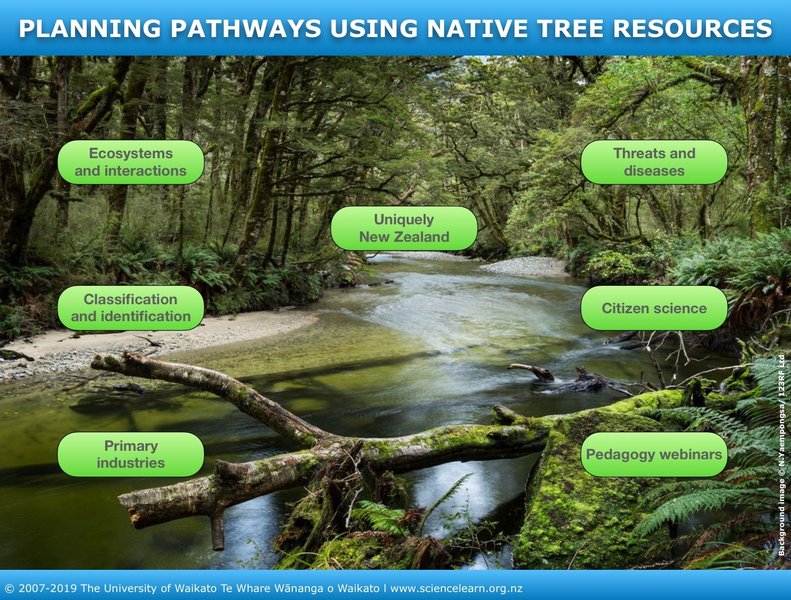
A visual representation of the complex interactions between biotic and abiotic factors within an ecosystem.
The health and diversity of an ecosystem are directly linked to the robustness of these interactions. Disruptions to either biotic or abiotic components, such as pollution, deforestation, or climate change, can impair ecosystem function and diminish its capacity to provide vital services, ultimately impacting biodiversity and human livelihoods.
Four Pillars of Ecosystem Services
Ecosystem services are broadly categorized into four main types, each contributing uniquely to human well-being and the planet's ecological balance. This classification, widely adopted from frameworks like the Millennium Ecosystem Assessment, helps in understanding and valuing the diverse benefits nature provides.
1. Provisioning Services: Nature's Direct Offerings
Provisioning services are the tangible products or goods that humans directly obtain from ecosystems. These are the most easily recognizable benefits, essential for survival and daily life. They represent the outputs of complex biotic-abiotic interactions that convert raw natural elements into usable resources.
Examples of Provisioning Services:
- Food: This includes a vast array of resources such as crops (fruits, vegetables, grains), livestock, fish from oceans and freshwater bodies, and wild game. The fertility of soil (abiotic) combined with plant growth (biotic) is fundamental to food production.
- Freshwater: Ecosystems act as natural filters and reservoirs, providing clean drinking water, water for irrigation, and industrial use. Forests and wetlands, for example, play crucial roles in regulating water cycles and purifying water.
- Timber and Wood Fuel: Forests are a primary source of wood for construction, furniture, and fuel. The growth of trees (biotic) is influenced by sunlight, water, and soil nutrients (abiotic).
- Natural Fibers: Cotton, wool, silk, and other natural fibers derived from plants and animals are essential for clothing and various textiles.
- Medicinal Resources: A significant portion of modern medicines and traditional remedies are derived directly from plants, fungi, and animals within diverse ecosystems.
- Genetic Resources: The biodiversity within ecosystems provides a vast genetic library that is crucial for crop breeding, developing new medicines, and adapting to environmental changes.
These services are a direct manifestation of primary production, where biotic elements like plants convert abiotic resources into biomass, forming the foundation of various industries and human sustenance.
2. Regulating Services: Maintaining Earth's Balance
Regulating services are the benefits derived from the ecosystem's capacity to regulate environmental conditions and natural processes. These services often operate behind the scenes, yet they are critical for maintaining environmental quality, stability, and preventing disasters. They result from the intricate collaboration of living organisms and their physical surroundings.
Examples of Regulating Services:
- Climate Regulation: Forests and oceans play a crucial role in absorbing and storing greenhouse gases, particularly carbon dioxide, thus mitigating climate change. This involves the biotic process of photosynthesis and the abiotic carbon cycle.
- Air Quality Regulation: Vegetation filters pollutants and particulate matter from the air, improving air quality. For instance, urban trees can significantly reduce smog and dust.
- Water Purification and Waste Treatment: Wetlands and riparian zones naturally filter pollutants, excess nutrients, and sediments from water, improving water quality. Microorganisms (biotic) break down waste materials in water and soil (abiotic).
- Pollination: Insects (like bees, butterflies) and other animals, as well as wind, pollinate crops and wild plants, which is essential for reproduction and food security. This biotic service relies on specific environmental conditions (abiotic).
- Erosion Control and Flood Regulation: Vegetation cover stabilizes soil, preventing erosion and reducing the risk of landslides. Wetlands and floodplains absorb excess water, mitigating flood impacts.
- Disease and Pest Control: Natural predators and parasites within ecosystems regulate pest populations, reducing the need for chemical interventions. Biotic interactions maintain a balance that prevents outbreaks of disease vectors.
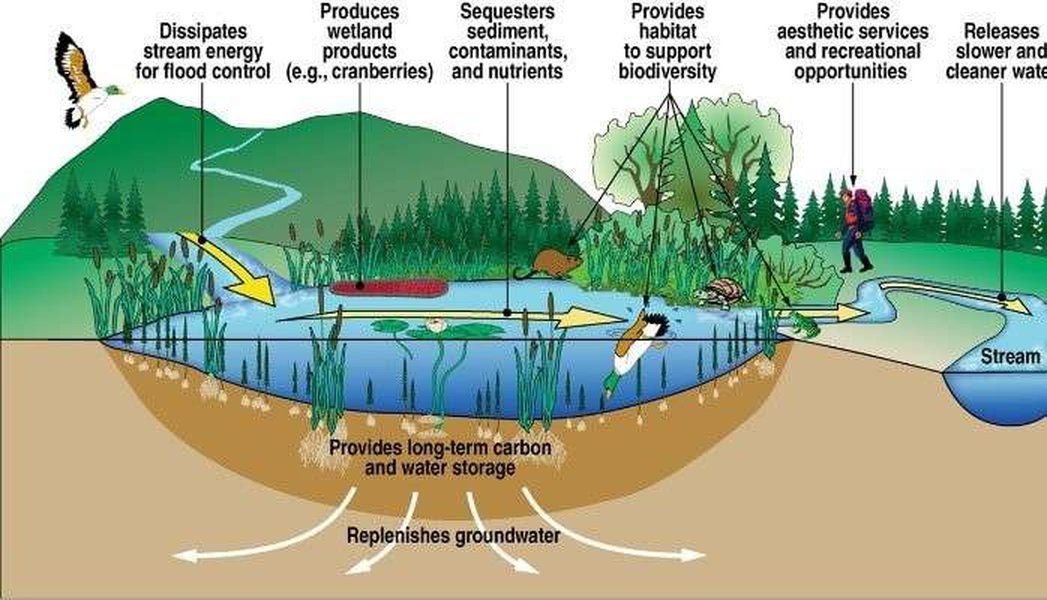
Wetlands exemplify regulating services by naturally purifying water and controlling floods.
These services highlight nature's intrinsic ability to self-regulate, providing essential buffers against environmental extremes and supporting the conditions necessary for life.
3. Cultural Services: Enriching Human Experience
Cultural services refer to the non-material benefits that people gain from ecosystems, contributing to their spiritual enrichment, intellectual development, recreation, and aesthetic appreciation. These services often deeply intertwine with human culture, history, and psychological well-being, fostering a connection with the natural world.
Examples of Cultural Services:
- Recreation and Tourism: Natural landscapes, such as national parks, forests, mountains, and coastal areas, provide opportunities for activities like hiking, camping, birdwatching, fishing, and nature tourism, contributing to physical and mental health.
- Aesthetic Value: The beauty of natural landscapes, wildlife, and diverse ecosystems offers profound aesthetic pleasure and inspiration for art, literature, and design.
- Spiritual and Religious Significance: Many cultures and religions hold certain natural sites, species, or phenomena as sacred or spiritually significant, fostering a sense of awe and connection.
- Educational and Research Opportunities: Ecosystems serve as living laboratories for scientific research and provide invaluable settings for environmental education, increasing understanding of ecological processes.
- Cultural Heritage and Identity: Ecosystems often shape the cultural identity of communities, influencing traditional practices, indigenous knowledge systems, and historical narratives.
- Mental and Physical Health: Spending time in nature has been shown to reduce stress, improve mood, and enhance cognitive function, contributing to overall human well-being.
These services underscore the deep and multifaceted relationship between humans and nature, extending beyond material needs to encompass emotional, intellectual, and spiritual fulfillment.
4. Supporting Services: The Foundation of All Life
Supporting services are the fundamental processes that are necessary for the production of all other ecosystem services. They operate continuously and often invisibly, forming the very foundation upon which provisioning, regulating, and cultural services depend. These services are the result of ongoing, long-term interactions between biotic and abiotic components that create and maintain the basic conditions for life.
Examples of Supporting Services:
- Nutrient Cycling: This involves the movement and recycling of essential elements like carbon, nitrogen, phosphorus, and water through the ecosystem. Decomposers (biotic) play a vital role in breaking down organic matter, returning nutrients to the soil (abiotic) for uptake by plants.
- Soil Formation: The process by which biotic components (like microorganisms, plants, and animals) break down parent material (abiotic rocks and minerals) and organic matter to create fertile soil, which is essential for plant growth and agricultural productivity.
- Primary Production: The process, primarily photosynthesis, where plants and other autotrophs (biotic) convert solar energy and inorganic matter (abiotic) into organic compounds, forming the base of the food web and providing energy for all other life forms.
- Habitat Provision: Ecosystems provide habitats for a vast array of species, ensuring the maintenance of biodiversity. This biodiversity, in turn, underpins the resilience and productivity of ecosystems and the continued provision of all other services.
- Water Cycling: The continuous movement of water above, on, and below the surface of the Earth, driven by solar energy and influenced by vegetation (biotic) and geological formations (abiotic).
Without robust supporting services, the capacity of an ecosystem to provide provisioning, regulating, and cultural benefits would diminish, leading to widespread ecological and societal consequences.
The Synergy of Ecosystem Services
All four types of ecosystem services are deeply interconnected and interdependent. Supporting services form the bedrock upon which provisioning, regulating, and cultural services are built. For example, nutrient cycling (a supporting service) is essential for plant growth (provisioning service), which in turn contributes to climate regulation (regulating service) and provides aesthetic beauty for recreation (cultural service).
This intricate web means that degradation in one type of service can have cascading negative impacts on others. Maintaining healthy, diverse, and resilient ecosystems is therefore paramount for ensuring the continuous flow of these vital benefits to humanity.
Understanding Through a Mindmap
This mindmap visually organizes the various categories and examples of ecosystem services, highlighting how they stem from the interaction of biotic and abiotic components. It offers a quick, structured overview of the comprehensive benefits nature provides.
Comparative Overview of Ecosystem Service Types
This table provides a concise summary of the four types of ecosystem services, highlighting their core characteristics, key examples, and the underlying biotic-abiotic interactions that enable them.
| Service Type | Core Characteristic | Key Examples | Biotic-Abiotic Interaction Examples |
|---|---|---|---|
| Provisioning Services | Tangible products obtained from ecosystems. | Food (crops, fish), Freshwater, Timber, Medicinal plants, Natural fibers. | Plants (biotic) converting sunlight, water, and soil nutrients (abiotic) into food; forests (biotic) growing on specific soil types (abiotic) to provide timber. |
| Regulating Services | Regulation of ecosystem processes that maintain environmental quality and stability. | Climate regulation, Air & water purification, Pollination, Erosion control, Flood control, Waste decomposition, Pest/disease control. | Forests (biotic) sequestering carbon (abiotic gas); wetlands (biotic and abiotic processes) filtering pollutants from water; insects (biotic) pollinating plants (biotic), influenced by temperature (abiotic). |
| Cultural Services | Non-material benefits contributing to cultural, spiritual, and intellectual development. | Recreation (hiking, camping), Aesthetic enjoyment, Spiritual enrichment, Educational opportunities, Cultural identity. | Scenic landscapes (abiotic physical features) providing beauty and inspiration; diverse wildlife (biotic) offering opportunities for observation and photography; natural areas supporting traditional cultural practices. |
| Supporting Services | Underpinning processes necessary for the production of all other ecosystem services. | Nutrient cycling (carbon, nitrogen), Soil formation, Primary production (photosynthesis), Habitat provision, Biodiversity maintenance. | Microorganisms (biotic) breaking down organic matter to release nutrients (abiotic); plants (biotic) converting solar energy (abiotic) into biomass; diverse species (biotic) thriving in specific climates (abiotic). |
Deeper Understanding through Video
For a comprehensive animated explanation of ecosystem services and their significance, the following video titled "What Are Ecosystem Services?" provides an excellent overview. It delves into the various types of services, offering clear examples that illustrate how these natural benefits are fundamental to our daily lives.
This video by Thomas Pettengill explains the core concept of ecosystem services and their various classifications, enhancing the understanding of their importance.
The video serves as a valuable resource for visualizing how terrestrial, marine, freshwater, forest, and grassland ecosystems function as integrated systems, consistently delivering these services. It reinforces the idea that an ecosystem is not merely a collection of organisms but a dynamic entity where living and non-living elements interact synergistically to provide sustenance, regulation, and cultural enrichment.
Frequently Asked Questions (FAQ)
What is the primary difference between provisioning and regulating services?
Why are supporting services considered foundational?
How do cultural services contribute to human well-being?
Can one ecosystem provide all four types of services simultaneously?
Conclusion: Valuing Nature's Enduring Gifts
The concept of ecosystem services provides a framework for understanding and appreciating the profound value that natural systems contribute to human society. By classifying these contributions into provisioning, regulating, cultural, and supporting services, we gain a clearer picture of how interconnected biotic and abiotic components tirelessly work together to sustain life on Earth. From the food on our plates and the clean air we breathe to the spiritual solace we find in nature, these services are not merely amenities but fundamental prerequisites for human well-being and economic prosperity. Recognizing their intricate dependencies and inherent value is the first step towards fostering a more sustainable relationship with our planet, ensuring these invaluable benefits continue for future generations.
Recommended Searches for Deeper Insights
- Explore the economic valuation of ecosystem services and their role in policy-making.
- Investigate how climate change is affecting the delivery of critical ecosystem services globally.
- Learn about successful ecosystem restoration projects and their impact on recovering lost services.
- Understand the critical link between biodiversity and the resilience and provision of ecosystem services.