
Exploring Generational Differences in the Collective Memory of EDSA PPR
A deep-dive into diverse recollections and narratives across age groups
Key Insights
- Personal Experience vs. Media Narratives: Older generations recall vivid, personal experiences, while younger groups rely on mediated, abstract representations.
- Emotional and Cultural Context: Emotional ties and cultural heritage shape memories differently across generations.
- Impact of Revisionism: The proliferation of revisionist narratives and digital information influences contemporary perceptions of EDSA PPR.
Generational Perspectives on EDSA People Power Revolution
The collective memory of the EDSA People Power Revolution (PPR) varies considerably depending on the life experiences, historical contexts, and socio-cultural influences of different generations. This variance is evident when contrasting the personal and often emotionally charged recollections of individuals who witnessed the event with the more mediated and abstract memories held by later generations.
Firsthand Memories vs. Mediated Narratives
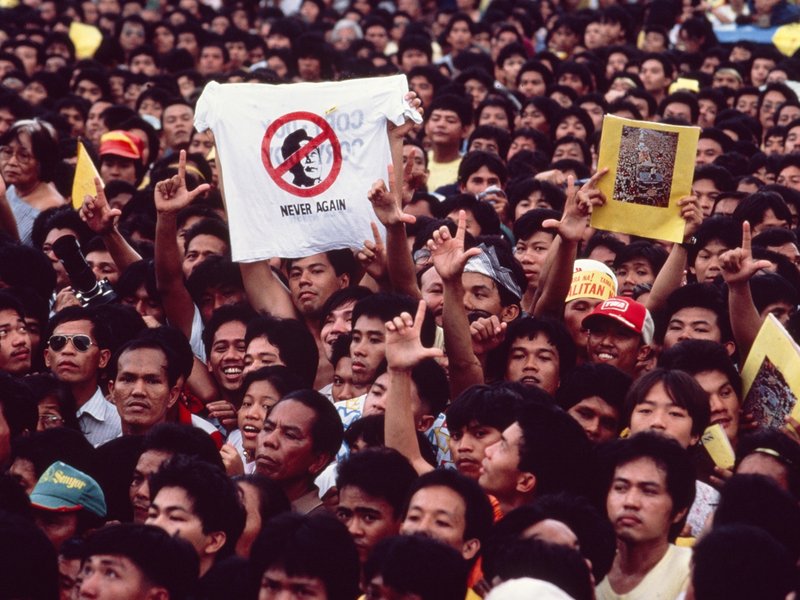
Older generations, such as Baby Boomers and the Silent Generation, typically harbor memories filled with personal and emotional details about EDSA PPR. For these individuals, the event was not just a historical milestone but a profound experience characterized by collective unity, active participation in protests, and a tangible fight against authoritarianism. These direct experiences have cemented a legacy of resistance and civic pride that remains deeply ingrained in their collective memory.
Experiences of Generation X, Millennials, and Generation Z
Generation X, who were in their youth or early adulthood during the revolution, experienced a dynamic mix of direct witness and political awakening. Their recollections often capture the intensity of the protests, the fall of the Marcos dictatorship, and the ensuing societal changes, albeit with a mix of nostalgia and rational reflection.
Millennials, on the other hand, mostly encountered the story of EDSA through textbooks, documentaries, and digital media. Their understanding is often framed within educational contexts and family narratives that provide an overview of the historical event, but without the visceral details experienced firsthand.
Generation Z, the true digital natives, have no direct memory of EDSA PPR. Their knowledge is shaped in a landscape dominated by digital archives, social media, and an environment where historical revisionism is emerging. As a result, the revolution is sometimes perceived as a distant allegory, a historical marker rather than an emotionally charged event that shaped their society.
Embedding Visual Data Representation
Radar Chart Analysis
Below is a radar chart summarizing key attributes that differentiate the collective memory of EDSA PPR amongst various generations. The chart represents three data sets: emotional connection, reliance on mediated narratives, and influence of revisionist narratives.
Conceptual Mind Mapping
A Mermaid Mindmap Overview
The following mind map illustrates the interconnections between various factors that shape how different generations remember the EDSA PPR.
Comparative Analysis Table
The table below summarizes key differences among various generations in terms of their approach and recollection of the EDSA PPR events.
| Generation | Direct Experience | Media Influence | Emotional Impact | Engagement with Revisionism |
|---|---|---|---|---|
| Baby Boomers / Silent Generation | High | Low | Very High | Minimal |
| Generation X | Moderate | Moderate | High | Moderate |
| Millennials | Low | High | Moderate | Significant |
| Generation Z | None | Very High | Low to Moderate | Significant |
Enhancing Understanding via Multimedia
Embedded Video Overview
To further explore the significance of EDSA PPR and the differences in its interpretations across generations, the following video provides in-depth insights and expert commentary:
Frequently Asked Questions (FAQ)
What is the historical significance of the EDSA People Power Revolution?
How do different generations perceive the EDSA PPR?
What role does media play in shaping collective memory of historical events?
References
- EDSA People Power Revolution - Sinaunang Panahon
- Revolutionary Resonance - 350 World
- Legacy of EDSA - HRF
- EDSA & Marcos Jr - Asia Times
- EDSA Revolution - One New Lucena
Recommended Related Queries
Last updated March 30, 2025