
Investigating the Role of Education in Reducing Discrimination Against Persons with Physical Disabilities
An In-depth Introduction to Fostering Inclusive Educational Practices
Key Highlights
- Impactful Educational Interventions: Curriculum changes, teacher training, and inclusive policies are central to mitigating discriminatory attitudes.
- Legal and Social Frameworks: Federal laws and international conventions emphasize the right to education and safe, inclusive learning environments.
- Changing Societal Perceptions: Education is pivotal in reshaping perceptions by integrating communities and promoting empathy among students.
Introduction
Education has always stood as a cornerstone of societal transformation, offering the capacity to challenge long-held beliefs and instigate change. The research titled “Investigating the Role of Education in Reducing Discrimination Against Persons with Physical Disabilities” embarks on a mission to explore how educational settings and practices can reshape perceptions, foster inclusivity, and ultimately reduce the discrimination faced by individuals with physical disabilities. This study is anchored by both historical perspectives as well as emerging trends in inclusive pedagogy and legislation.
The motivation behind this research lies in the recognition that, despite several advancements in civil rights protections—such as the Individuals with Disabilities Education Act (IDEA), Section 504 of the Rehabilitation Act, Title II of the Americans with Disabilities Act (ADA), and international commitments like the Convention on the Rights of Persons with Disabilities (CRPD)—discrimination within educational institutions remains a formidable challenge. With educational institutions being a primary arena for social interaction and development, it becomes imperative that they serve as environments where diversity is embraced and where all individuals, regardless of physical ability, are given equal opportunities to thrive.
The Role of Inclusive Education
Understanding Inclusive Education
Inclusive education refers to the approach whereby educational systems aim to provide a supportive and enabling learning environment for all students, including those with physical disabilities. This concept is central to reducing discrimination because it inherently challenges segregative practices by integrating students with and without disabilities into the same learning spaces. When educational institutions adopt inclusive strategies, they do more than simply accommodate students with disabilities; they reinvigorate the entire educational culture by teaching empathy, respect, and mutual understanding.
Core Components of Inclusive Education
Several educational initiatives demonstrate how inclusion can be systematically achieved:
- Curriculum Adaptations: Curricular reforms that incorporate themes of diversity and accessibility help students understand the value of inclusivity. This includes modules that highlight historical and contemporary challenges faced by persons with disabilities.
- Teacher Training Programs: Equipping educators with the tools and knowledge to support a diverse classroom is essential. Training programs emphasize differentiating instruction, managing classroom diversity, and fostering an empathetic learning environment.
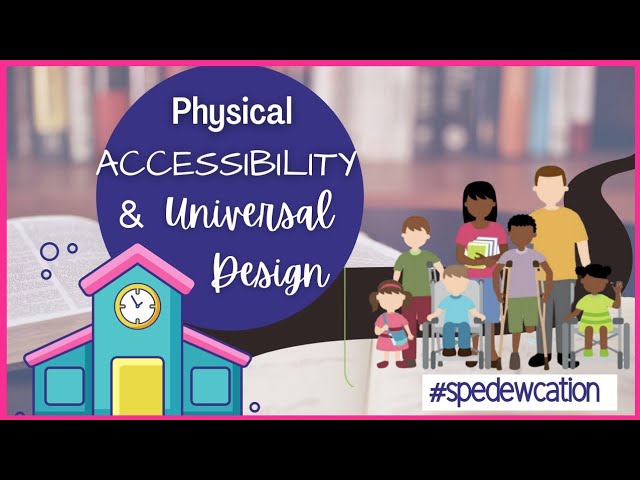
- Accessibility Improvements: Ensuring physical infrastructure and learning aids are accessible is key. From wheelchair-accessible entrances to specialized educational materials, adjustments are critical for reducing physical and systemic barriers.
- Policy and Advocacy: School policies that proactively discourage discrimination and create inclusive practices lay the framework for a supportive educational ecosystem. These policies often derive inspiration from legal mandates and human rights conventions.
Mechanisms Through Which Education Reduces Discrimination
Challenging Stereotypes through Awareness
One of the hallmarks of education is its power to change perceptions. By incorporating disability studies and personal narrative accounts into curricula, education can break down stereotypes and common misconceptions about physical disabilities. Educational content designed to promote awareness helps dismantle the stigma that often surrounds physical disabilities by presenting factual, empowering narratives.
For example, disability awareness campaigns within schools, facilitated through seminars and workshops, provide both educators and students with critical insights into the historical, social, and personal dimensions of living with a physical disability. Such initiatives not only foster empathy but also encourage students to value diversity as a strength rather than a liability.
Impact of Teacher Training
Teachers are at the frontline of educational transformation; hence, their training plays an indispensable role in promoting inclusivity. Comprehensive teacher training programs that include components on cultural competency, disability rights, and differentiated instruction serve several purposes:
- Empowering Educators: By understanding the diverse needs of students with physical disabilities, teachers are better equipped to design inclusive lesson plans and modify teaching strategies accordingly.
- Creating Safe Learning Environments: With training that emphasizes classroom management and sensitivity to diversity, teachers can better handle situations that may inadvertently lead to discrimination or exclusion.
- Fostering Peer Empathy: Teachers who model inclusive behavior encourage students to emulate these values, building an empathetic classroom culture.
Transformative Effects of Legislative Frameworks
Legislation plays a supportive and sometimes catalytic role in promoting educational inclusivity. Laws such as the IDEA, ADA, and international conventions like the CRPD mandate equal access to educational opportunities and require accommodations for students with disabilities. Such frameworks provide a legal basis for inclusive practices in schools and ensure accountability.
The enforcement of these legal standards requires schools to implement policies that do not merely avoid overt discrimination but also address subtle forms of bias. As such, adhering to these frameworks often results in the systematic cancellation of discriminatory practices and the creation of more balanced, inclusive educational environments.
Empirical Insights and Research Methodologies
Methodological Perspectives
This research employs both qualitative and quantitative methodologies to assess the impact of educational strategies on reducing discrimination. Qualitative methods involve case studies, interviews, and focus groups with students, teachers, and educational administrators. These provide rich, narrative-driven insights into individual experiences and institutional practices.
Quantitative approaches include the use of surveys and statistical analysis to evaluate shifts in attitudes and behaviors over time following the implementation of inclusive policies. Measuring the efficacy of these interventions is central to developing evidence-based recommendations for policymakers and educators.
Key Research Questions
The research is framed by several key questions that guide its investigation:
- How do curricular reforms and teacher training programs influence perceptions of students with physical disabilities?
- What are the observable changes in social attitudes and behaviors following the introduction of inclusive policies in educational settings?
- Which specific educational interventions are most effective in reducing stigma and promoting empathy?
- How do legal frameworks and policy mandates contribute to the enforcement of inclusive practices in schools?
- What are the long-term impacts on societal discrimination when students are educated in inclusive environments?
Illustrative Comparative Table
| Aspect | Traditional Education Approach | Inclusive Education Approach |
|---|---|---|
| Curriculum Content | Limited focus on diversity; minimal discussion of disabilities | Integrates disability studies and inclusive narratives |
| Teacher Preparation | General training with little focus on differentiated instruction | Specialized training in inclusive pedagogies and cultural competency |
| Student Interaction | Segregated learning environments; stereotypical interactions | Integrated classrooms fostering empathy and awareness |
| Policy Implementation | Basic compliance with minimum legal standards | Active engagement with legal frameworks to promote a culture of inclusivity and equality |
Societal Benefits and Broader Implications
Transforming Community Perspectives
When schools adopt inclusive practices, the influence extends beyond the classroom into the broader community. Students are not just recipients of knowledge; they become ambassadors of inclusivity, influencing attitudes within their families and neighborhoods. As a result, inclusive education fosters a cycle of acceptance that can gradually mitigate discrimination on a larger scale.
This transformation is significant because it addresses discrimination not merely as a localized educational issue but as a pervasive social challenge. The integration of persons with physical disabilities into mainstream educational settings provides role models and challenges preconceived notions that have been historically ingrained in society.
Policy Recommendations and Future Directions
Based on the insights from inclusive education research, several policy recommendations emerge:
- Implement Comprehensive Teacher Training: Ensure that teacher preparation programs include robust modules on disability awareness and inclusive practices.
- Revise Curricula: Infuse educational content with narratives that promote understanding of diversity, incorporating disability studies and stories of empowerment.
- Upgrade Educational Infrastructure: Prioritize accessibility improvements in schools to create physical and digital learning environments that are barrier-free.
- Strengthen Legal Compliance: Develop clear policies that go beyond mere compliance with laws to actively promote inclusion and protect against both overt and subtle forms of discrimination.
- Engage Stakeholders: Facilitate collaboration among educators, parents, students, and advocacy groups to continually assess and refine inclusivity practices.
Implications for Social Justice
The research underscores education’s potential as a powerful tool to promote social justice. By confronting traditional stereotypes, enhancing community empathy, and reinforcing the rights of individuals with physical disabilities, inclusive education plays a dual role—educationally equipping individuals and socially challenging systemic injustice.
Effective implementation of inclusive practices not only leads to improved educational outcomes but also contributes to reducing broader societal disparities. This research, therefore, acts as a catalyst for change by informing future educational models and guiding policymakers toward developing systems that uphold equality and dignity for all.
References
- Disability Discrimination - U.S. Department of Education
- Disability Discrimination in Schools - Citizens Advice
- Right to Education for Persons with Disabilities - OHCHR
- Disabilities Inclusive Education Systems and Policies Guide - NCBI
- New Guidance Helps Schools Support Students with Disabilities - U.S. Department of Education
Recommended Related Queries
Last updated March 11, 2025