
Preparation for Higher Education and Future Careers
Essential study techniques and skills for academic and professional success
Key Takeaways
- Customized Learning Approaches: Recognize your individual learning style and adopt methods that enhance retention and understanding.
- Structured Routines and Time Management: Developing a consistent study schedule and effective time management practices can ease the transition into self-directed learning environments.
- Integration of Technology and Soft Skills: Leveraging digital tools alongside developing critical skills such as problem-solving, teamwork, and communication is crucial for future academic and career success.
Understanding the Importance of High School Preparation
High school is not merely a period of academic instruction; it constitutes a formative stage where students acquire essential skills that underpin success in college and professional life. The methodologies and techniques adopted during high school shape one’s learning habits, foster discipline, and cultivate habits that influence long-term academic achievement and career readiness. The acquisition of these skills empowers students to transition smoothly into the more autonomous world of higher education and to meet the diverse challenges of a dynamic professional environment.
Adapting Learning Styles
Individual Learning Preferences
Each student has a unique mode of learning; some are visual learners who benefit greatly from graphical representations such as mind maps, charts, or color-coded notes. Others may be auditory learners, thriving on lectures, discussions, or podcasts while interacting with the content through verbal engagement aids. Kinesthetic learners need a more hands-on approach involving activities, experiments, or role-playing. Recognizing which type best fits one’s learning style is fundamental, as it enables the adoption of customized strategies that significantly boost comprehension and retention of complex concepts.
Developing Structured Study Routines
Time Management and Planning
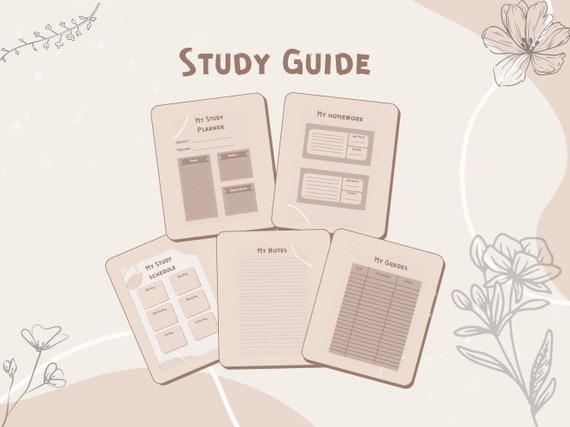
Planning and maintaining a structured study schedule is one of the best practices that high school students can adopt in preparation for higher education. By creating a balanced timetable that incorporates study sessions along with breaks and extracurricular activities, students nurture the discipline required for juggling multiple responsibilities. Techniques such as the Pomodoro Technique—a method used to divide study time into focused intervals followed by short breaks—can maximize concentration and prevent burnout.
Effective time management enables students to break down large tasks into smaller, manageable assignments. This not only reduces the overwhelming nature of voluminous content but also lays the groundwork for self-directed learning as required in college.
Harnessing the Power of Technology
Digital Tools to Enhance Learning
With the technological revolution influencing every facet of education, high school students can access a variety of digital tools and platforms to enhance their study routines. Online articles, educational platforms, and mobile applications provide interactive and engaging ways to explore academic subjects.
The use of virtual study groups and online collaborative platforms can foster a broader perspective, where students benefit from exchanging ideas, questioning concepts, and collectively solving problems. It is crucial, however, to judiciously integrate technology into study practices to avoid distractions. Balancing screen time with traditional study methods ensures a comprehensive approach to learning.
Building Essential Soft Skills
Critical Thinking and Problem-Solving
High school provides a fertile ground for cultivating soft skills that are invaluable both in college and in future employment. Through academic projects, group discussions, and problem-solving tasks, students sharpen their critical thinking abilities. These skills facilitate the application of theoretical knowledge to practical, real-world scenarios, which is indispensable in higher education and professional settings.
Communication and Collaboration
In today's interconnected world, communication stands as a pillar of success. Whether it is verbal, written, or non-verbal communication, the ability to convey ideas clearly and collaborate effectively with peers is critical. High school settings that encourage teamwork not only prepare students for collaborative academic projects but also equip them for the cooperative nature of work environments in their future careers.
Holistic Skill Development for Future Readiness
Academic Rigor and Coordination
Participating in challenging classes—such as Advanced Placement (AP) or Honors courses—teaches students to cope with academic rigor that mirrors the demands of higher education. This experience develops resilience and a robust work ethic, which are indispensable when students transition to more challenging and less structured college environments.
Alongside academic disciplines, involvement in extracurricular activities plays an equally important role. Whether it is sports, arts, music, or community service, these pursuits enhance leadership, time management, and social skills. A balanced high school experience that integrates rigorous academics with enriching extracurricular activities prepares students for diverse roles in their future careers.
Self-Care and Wellbeing
While mastering study techniques is crucial, physical and mental health cannot be overlooked. Proper rest, regular breaks, and adequate hydration contribute substantially to cognitive function and overall learning efficiency. Strategies like interval-based studying and self-care routines can assist in maintaining peak concentration and preventing burnout. Establishing and maintaining a balanced lifestyle is key for long-term success, as it develops the discipline necessary to thrive in both personal and professional domains.
Effective Study Techniques and Strategies
To equip students with the necessary tools for academic success, several proven study techniques are recommended. Adopting a combination of these methods can transform how students absorb information and prepare for the demands of higher education.
Active Learning Techniques
Active Recall and Spaced Repetition
Active recall is a study method where students actively stimulate memory during the learning process, rather than simply re-reading textbooks or notes. When combined with spaced repetition—where the intervals between reviewing material gradually increase—this technique has been shown to dramatically improve long-term retention.
For example, employing flashcards or teaching concepts to peers can help reinforce newly acquired knowledge. Such interactive learning methods underpin the shift from passive reading to an engagement that solidifies understanding.
Comprehensive Note-Taking
Effective note-taking is more than recording what is said in class; it involves synthesizing and organizing information in a manner that promotes review and integration. Techniques like the Cornell Note-Taking System divide notes into segments for key ideas, detailed explanations, and summaries, thereby facilitating efficient review. Mind mapping is also useful for visual learners, as it links topics and subtopics in an intuitive and visually engaging manner.
Utilizing Technology and Modern Educational Tools
Digital Platforms and Resources
Embracing technology in education can lead to a more dynamic learning experience. Numerous websites, online databases, and mobile applications offer interactive ways to study that are tailored to different learning styles. For instance, educational platforms with practice quizzes, video lectures, and real-time feedback provide personalized learning experiences.
Additionally, digital calendars, planners, and time-management apps assist students in keeping track of assignments and deadlines. This integration of digital tools encourages a more efficient, structured approach that is essential for managing college coursework.
Collaborative Online Learning
The digital age offers remarkable opportunities for collaborative learning through online study groups, discussion forums, and virtual breakout sessions. These platforms not only broaden the horizon for academic discussions but also nurture essential communication and teamwork skills—vital in both collegiate and professional settings.
Balancing Academic and Extracurricular Life
Time Allocation and Prioritization
Balancing academics with extracurricular activities is essential for holistic development. A well-planned schedule that accommodates study time, physical activity, hobbies, and social interactions fosters a sound body and mind. Physical activities such as sports or music do not only provide a break but also help develop teamwork, leadership, and time management skills.
High school students should learn to prioritize their responsibilities, ensuring that neither academic nor personal development is compromised. This balance is instrumental in maintaining motivation, reducing stress, and improving overall quality of life.
Analyzing and Adapting Through Feedback
Self-Assessment and Iterative Improvement
Critical to the educational process is the willingness to assess one’s own progress and incorporate feedback. Students benefit from regularly reviewing their study habits and academic performance to identify areas for improvement. Adapting study techniques based on self-assessment and teacher feedback encourages a growth mindset and fosters continuous learning.
Table of Common Study Techniques
| Study Technique | Description | Key Benefits |
|---|---|---|
| Active Recall | Testing memory through self-quizzing and teaching concepts to peers. | Improved retention and understanding |
| Spaced Repetition | Reviewing material over increasing intervals. | Long-term retention of information |
| Cornell Note-Taking | Structured note-taking with key points, detailed sections, and summaries. | Efficient review and organization |
| Mind Mapping | Visual organization of ideas and topics to interlink concepts. | Enhanced understanding for visual learners |
| Digital Tools | Using applications and online platforms for organized study routines. | Interactive and accessible learning experience |
Conclusion
The journey from high school to higher education and a successful career is fundamentally shaped by the study techniques and skills developed during these formative years. Recognizing individual learning styles, establishing structured study routines, utilizing technological advancements, and cultivating essential soft skills are all interrelated elements that lay a strong foundation for future success. Whether through active learning methods, effective note-taking strategies, or efficient time management practices, the ability to adapt these approaches fosters a self-directed learning mindset necessary for the challenges of college life and beyond. Ultimately, a balanced approach that integrates academic rigor, digital tools, and holistic personal development equips students not only to excel academically but also to thrive professionally in a rapidly evolving world.
References
- Effective Study Techniques for High School Students - Michael Leva
- Top 10 Study Techniques for High School - Learning Minds Blog
- Build Life Skills for College and Careers - My Texas Future
- College and Career Readiness Skills - NSHSS
- Effective Study Techniques for High School Students - Study Work Grow
-
Teaching High School Students to Study - Edutopia
- From College to Career Success - AACU Liberal Education
Learn More
Last updated February 18, 2025