
Unlocking the Power of Intermittent Fasting: Your Comprehensive Guide to Effective Practice
Discover various methods, key benefits, and essential tips for successful intermittent fasting, tailored for your lifestyle.
Key Insights into Effective Intermittent Fasting
- Tailor Your Approach: The most effective intermittent fasting method is one that aligns with your lifestyle and preferences, with the 16:8 method being a popular and accessible starting point for many.
- Prioritize Nutritional Quality: During eating windows, focus on nutrient-dense foods like lean protein, healthy fats, complex carbohydrates, and leafy greens to maximize health benefits and satiety.
- Stay Hydrated and Consistent: Consuming plenty of non-caloric liquids like water, black coffee, and unsweetened tea during fasting periods is crucial for hydration and appetite control. Consistency in your chosen fasting schedule is also vital for adaptation and long-term success.
Intermittent fasting (IF) is an eating pattern that cycles between periods of eating and voluntary fasting. Unlike traditional diets that focus on what to eat, IF emphasizes when to eat, making it a flexible and popular approach for weight management and overall health improvement. This guide will delve into various effective methods, the underlying mechanisms, and practical tips to help you integrate intermittent fasting successfully into your daily life.
Understanding Intermittent Fasting: More Than Just Skipping Meals
At its core, intermittent fasting is about creating a consistent rhythm of eating and not eating. This practice extends the period during which your body is in a "fasted state," prompting it to burn stored fat for energy once its sugar reserves are depleted. This metabolic switch is believed to contribute to many of the observed health benefits.
The Science Behind the Fast
When you eat, your body primarily uses glucose from carbohydrates for energy, storing excess as glycogen. After several hours without food, typically around 12 hours, your body depletes its glycogen stores and switches to burning fat for fuel. This process, known as metabolic switching, is where many of the proposed benefits of intermittent fasting originate. Research suggests that this cellular adaptation, prompted by mild stress from fasting, may help reduce inflammation and improve blood sugar regulation.
While the exact mechanisms are still being studied, the consistency of these eating patterns is key. It's about establishing a routine that your body can adapt to, rather than drastic, unpredictable food restriction. For many, this consistent schedule can make it a more sustainable eating pattern compared to traditional calorie-restriction diets.
Popular and Effective Intermittent Fasting Methods
There are several distinct methods of intermittent fasting, each with its own schedule and level of intensity. The most effective approach is often the one that best fits your lifestyle, allows for consistent adherence, and can be maintained long-term. Consulting a healthcare professional before starting any new diet, especially if you have underlying health conditions, is always recommended.
Time-Restricted Eating: The Most Common Approaches
Time-restricted eating (TRE) involves consuming all your meals within a specific window each day and fasting for the remaining hours. This is often considered the easiest starting point for beginners.
The 16:8 Method (Leangains Diet)
The 16:8 method is arguably the most popular and easiest to begin with. It involves fasting for 16 hours and eating all your meals within an 8-hour window. For example, you might choose to eat between 12 p.m. and 8 p.m., skipping breakfast and having lunch as your first meal. Many people find this method convenient as a significant portion of the fasting period occurs while they are asleep.
- Typical Schedule: Fast from 8 p.m. to 12 p.m. the next day, then eat between 12 p.m. and 8 p.m.
- Beginner-Friendly: Allows you to extend your natural overnight fast by skipping breakfast.
- Flexibility: The 8-hour eating window can be adjusted to fit your daily routine (e.g., 10 a.m. to 6 p.m. or 11 a.m. to 7 p.m.).
The 14:10 Method
A slightly less restrictive version of time-restricted eating, the 14:10 method involves fasting for 14 hours and having a 10-hour eating window. This can be a great stepping stone for those new to fasting before gradually extending their fasting period to 16 hours or more.
The 12-Hour Fast
For absolute beginners, a 12-hour fasting window is an excellent starting point. This often means simply extending your overnight fast, for instance, finishing dinner by 7 p.m. and not eating again until 7 a.m. the next morning. Even a 12-hour fast can offer some health benefits by allowing the body to enter a mild fasted state.
Periodic Fasting: Days of Restriction
These methods involve fasting or significantly restricting calorie intake on specific days of the week, rather than daily time windows.
The 5:2 Diet
With the 5:2 diet, you eat normally for five days a week and then significantly reduce your calorie intake to 500-600 calories on the other two non-consecutive days. This approach offers flexibility in choosing your "fasting" days.
Alternate-Day Fasting (ADF)
Alternate-day fasting involves switching between "fasting" days (where calorie intake is typically restricted to 0-500 calories, or around 30% of your usual intake) and "non-fasting" days where you eat normally. This can be more challenging to sustain due to the more frequent calorie restriction.
Eat-Stop-Eat (24-hour Fast)
This method involves choosing one or two non-consecutive days per week to fast for a full 24 hours. For example, you might fast from dinner on Monday until dinner on Tuesday. This can be more intense and may lead to side effects like fatigue, headaches, and irritability, particularly for beginners.
One Meal A Day (OMAD)
OMAD is a more extreme form of fasting where you consume all your daily calories within a single, nutrient-dense meal, typically within a one-hour window. The remaining 23 hours are a fasting period where only zero-calorie beverages are consumed.
Choosing the Right Method for You
The "best" intermittent fasting method is highly individual. It depends on your current health, lifestyle, weight loss goals, and how your body responds. Starting slow and gradually increasing your fasting window is a common recommendation for beginners. For instance, many people start with 12:12 or 14:10 and then slowly progress to 16:8.
This radar chart illustrates a comparative assessment of various intermittent fasting methods across key attributes. The 16:8 method stands out for its balanced profile, scoring high in beginner friendliness, sustainability, and flexibility, making it an excellent starting point for many. More intensive methods like Alternate-Day Fasting and OMAD score higher on weight loss potential due to their stricter calorie restriction, but they present greater challenges in terms of beginner friendliness and long-term sustainability. The 5:2 diet offers good flexibility by allowing normal eating on most days, making it another viable option. This chart emphasizes that the "effectiveness" of a method often correlates with its sustainability and compatibility with an individual's lifestyle.
Essential Tips for Effective Intermittent Fasting
Beyond choosing a method, several practices can significantly enhance your intermittent fasting journey and help you achieve desired results safely.
Hydration is Paramount
During fasting periods, consuming non-caloric liquids is crucial. Water, sparkling water, black coffee, and unsweetened teas are excellent choices. Staying well-hydrated helps manage hunger, supports bodily functions, and prevents dehydration, which can often be mistaken for hunger.
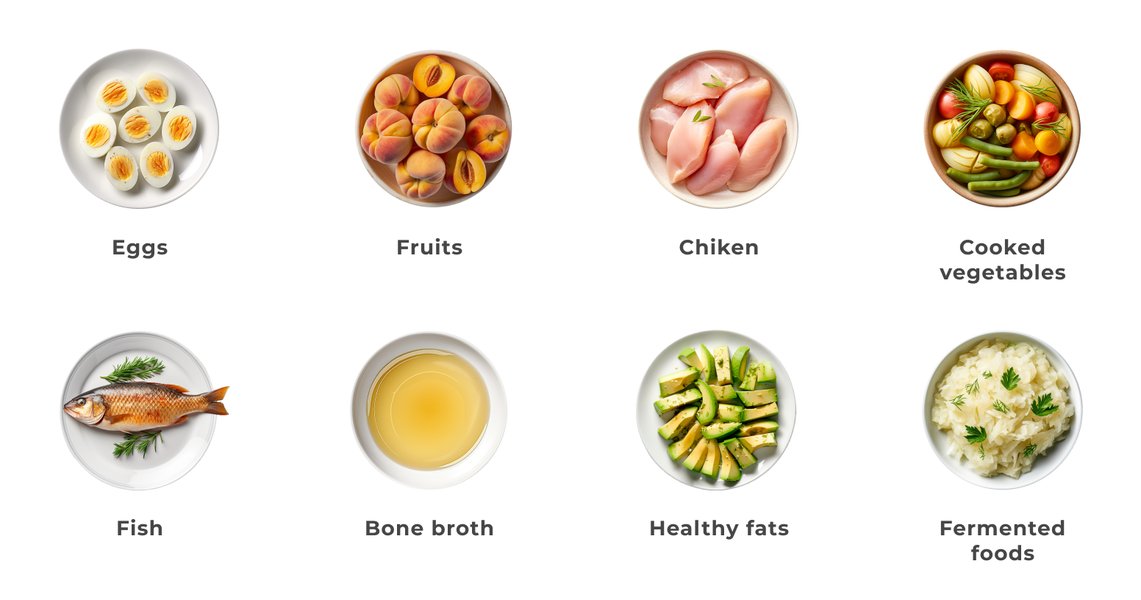
Prioritize nutrient-dense foods and stay hydrated with non-caloric drinks during your fasting journey.
Nourish Your Body During Eating Windows
Intermittent fasting is not a license to eat unhealthy foods during your eating window. To maximize benefits, focus on consuming nutrient-dense, whole foods. This includes:
- Lean Proteins: Chicken, fish, eggs, legumes.
- Healthy Fats: Avocados, nuts, olive oil.
- Complex Carbohydrates: Whole grains, sweet potatoes, quinoa.
- Abundant Fruits and Vegetables: Leafy greens, berries, cruciferous vegetables.
Eating balanced and nutritious meals will help keep you full, provide essential vitamins and minerals, and support overall health.
Listen to Your Body and Be Flexible
Intermittent fasting affects everyone differently. Pay attention to your body's signals. If you experience excessive hunger, severe headaches, dizziness, or unusual anxiety, it's okay to adjust your schedule or choose a different method. Flexibility is key; don't be afraid to modify your fasting windows to align with social events or how you're feeling on a given day.
Dr. O'Donovan explains the 16:8 intermittent fasting method, a popular approach for beginners.
This video provides a detailed explanation of the 16:8 intermittent fasting method, which is one of the most widely adopted and effective strategies for those looking to start IF. It covers the practical aspects of how to implement the 16:8 schedule, offering insights into setting your eating window, what to consume during fasting periods (non-caloric drinks), and how to break your fast mindfully. The video emphasizes the importance of consistency and choosing a schedule that integrates seamlessly with your daily life, making it a highly relevant resource for anyone seeking to understand and apply this specific fasting technique effectively.
Consistency and Gradual Progression
Once you choose a method, strive for consistency. Your body adapts over time, and consistent fasting helps establish a routine. If you're a beginner, start with shorter fasting windows (e.g., 12-hour fasts) and gradually extend them as your body adjusts. This phased approach can make the transition much smoother and increase your chances of long-term success.
Potential Benefits and Considerations
Intermittent fasting has garnered attention for a range of potential health benefits, although more long-term research is needed to fully understand its effects on diverse populations.
Reported Benefits
Studies and anecdotal evidence suggest that intermittent fasting may contribute to:
- Weight Loss: By reducing overall calorie intake and encouraging the body to burn fat stores. Some studies show similar effectiveness to conventional low-calorie diets for weight loss.
- Improved Metabolic Health: Including better blood sugar control, improved insulin sensitivity, and reduced insulin resistance, which can be beneficial for preventing or managing type 2 diabetes.
- Reduced Inflammation: Fasting may help decrease systemic inflammation, potentially aiding conditions like arthritis and asthma.
- Enhanced Brain Health: Some research points to improved cognitive function, though more studies are needed.
- Heart Health: Potential improvements in markers for cardiovascular disease, such as blood pressure and cholesterol levels, though recent research suggests cautious interpretation, particularly for certain groups.
Who Should Exercise Caution or Avoid IF?
While generally safe for most healthy adults, intermittent fasting is not for everyone. It is strongly advised to consult a healthcare professional before starting if you:
- Are pregnant or breastfeeding.
- Have a history of eating disorders.
- Have advanced diabetes or are on medication for blood sugar control.
- Have underlying health conditions.
- Are underweight.
- Are a child or adolescent.
Intermittent Fasting Schedule and Food Choices
To summarize, here's a structured overview of common intermittent fasting methods and appropriate food choices during eating windows.
| Fasting Method | Description | Typical Fasting Window | Typical Eating Window | Recommended Foods During Eating Window |
|---|---|---|---|---|
| 16:8 Method | Fast for 16 hours, eat within an 8-hour window. | 16 hours (e.g., 8 PM to 12 PM next day) | 8 hours (e.g., 12 PM to 8 PM) | Lean proteins, healthy fats, complex carbs, fruits, vegetables. |
| 14:10 Method | Fast for 14 hours, eat within a 10-hour window. | 14 hours (e.g., 8 PM to 10 AM next day) | 10 hours (e.g., 10 AM to 8 PM) | Balanced meals with whole foods. |
| 12-Hour Fast | Fast for 12 hours, eat within a 12-hour window. | 12 hours (e.g., 7 PM to 7 AM next day) | 12 hours (e.g., 7 AM to 7 PM) | Regular, healthy meals. |
| 5:2 Diet | Eat normally 5 days a week, restrict calories (500-600) on 2 non-consecutive days. | 2 low-calorie days (variable) | 5 normal eating days (variable) | Normal healthy diet on feast days; lean protein & vegetables on fast days. |
| Eat-Stop-Eat | 24-hour fast once or twice a week. | 24 hours (e.g., dinner to dinner) | Normal eating on non-fasting days. | Normal, healthy diet on non-fasting days. |
| Alternate-Day Fasting (ADF) | Alternate between fasting days (0-500 calories) and normal eating days. | Every other day (variable) | Every other day (variable) | Normal, healthy diet on non-fasting days; very low-calorie intake on fast days. |
| OMAD (One Meal A Day) | Consume all daily calories in a single meal, typically within 1 hour. | 23 hours | 1 hour | Large, nutrient-dense meal covering daily needs. |
Frequently Asked Questions (FAQ)
What can I drink during my fasting window?
Will intermittent fasting cause muscle loss?
How long does it take to adapt to intermittent fasting?
Do I need to count calories while intermittent fasting?
Conclusion
Intermittent fasting offers a flexible and potentially effective approach to health and weight management by structuring your eating patterns. The key to success lies in choosing a method that suits your lifestyle, prioritizing nutrient-dense foods during your eating windows, staying well-hydrated during fasting periods, and listening to your body's signals. While methods like 16:8 are excellent starting points for beginners due to their ease and sustainability, the most effective intermittent fasting journey is a personalized one, undertaken with careful consideration and, ideally, professional guidance.
Recommended Further Exploration
- What are the less-known health benefits of intermittent fasting beyond weight loss?
- How does intermittent fasting impact women's hormonal health and what modifications might be necessary?
- What is the optimal timing for exercise when practicing different intermittent fasting methods?
- What does long-term research say about the sustainability and safety of intermittent fasting?