
Unlock Python Mastery: Your 2025 Roadmap to Effective Learning
Discover the most effective strategies, resources, and practices to learn Python efficiently, from fundamentals to real-world projects.
Essential Insights for Aspiring Pythonistas
- Hands-On is Key: The consensus emphasizes immediate application through coding exercises and building projects over passive learning.
- Consistency Compounds: Regular, even short, daily coding sessions are crucial for reinforcing knowledge and building momentum.
- Leverage Diverse Resources: Combining interactive platforms, structured courses, video tutorials, documentation, and community support creates a robust learning experience.
Why Learn Python in 2025?
Python remains one of the most popular and versatile programming languages globally, prized for its beginner-friendly syntax and extensive applications. Whether your goal is web development, data science, machine learning, automation, or scientific computing, Python provides a powerful yet accessible foundation. Learning it effectively requires a blend of structured guidance, consistent practice, and engagement with real-world problems.

Python's accessibility makes it a great choice for learners of all ages.
Crafting Your Python Learning Journey: A Step-by-Step Guide
The most effective path to learning Python involves a structured approach that progressively builds your skills. Here’s a breakdown based on expert recommendations and community consensus:
Phase 1: Master the Fundamentals (Weeks 1-8)
Grasping the Core Concepts
Begin by understanding the foundational building blocks of Python. Focus on:
- Basic Syntax: How Python code is written and structured.
- Data Types: Integers, floats, strings, lists, tuples, dictionaries, booleans.
- Variables: Storing and manipulating data.
- Control Structures: Conditional statements (if/elif/else) and loops (for/while).
- Functions: Defining and calling reusable blocks of code.
- Input/Output: Interacting with users and handling files.
Recommended Resources for Beginners:
- Official Python Documentation: The Python Tutorial on Python.org is a comprehensive starting point.
- Interactive Platforms:
- Codecademy's Python 3 Course: Offers interactive lessons perfect for beginners.
- LearnPython.org: Provides free, interactive tutorials with in-browser coding.
- W3Schools Python Tutorial: Simple explanations with immediate examples.
- Free Courses:
- Coursera's "Python for Everybody" (University of Michigan): Highly recommended for a structured introduction.
- Google's Python Class: Suitable for those with some prior programming experience.
- freeCodeCamp: Offers extensive free courses on their website and YouTube channel.
- Books:
- Think Python (Available free online, often recommended on forums like Reddit): Focuses on problem-solving.
Dedicate 10-15 hours initially just to practicing core syntax. Consistency is vital – aim to code daily, even if it's just reviewing concepts or solving small exercises.
Phase 2: Solidify Skills Through Practice and Projects (Months 2-6)
The Power of Hands-On Application
Passive learning (watching videos or reading without coding) is insufficient. You must actively apply what you learn. This is where projects become indispensable.
- Start Small: Begin with simple projects to reinforce basic concepts. Ideas include:
- A basic calculator.
- A number guessing game.
- A simple to-do list application (console-based).
- A text-based adventure game.
- A program to fetch weather data using a free API.
- Practice Platforms: Use sites like HackerRank, LeetCode, Codewars, or HackInScience for coding challenges that target specific skills.
- Project-Based Courses: Platforms like Dataquest emphasize building projects from the start. Many Udemy and Coursera courses also incorporate significant project work.
- Focus on Libraries: As you build projects, start exploring relevant Python libraries based on your interests (e.g.,
requestsfor web interactions,PandasandNumPyfor data analysis,MatplotlibandSeabornfor visualization,FlaskorDjangofor web development).
Building projects allows you to encounter real-world problems, learn debugging, understand how different concepts connect, and build a portfolio.
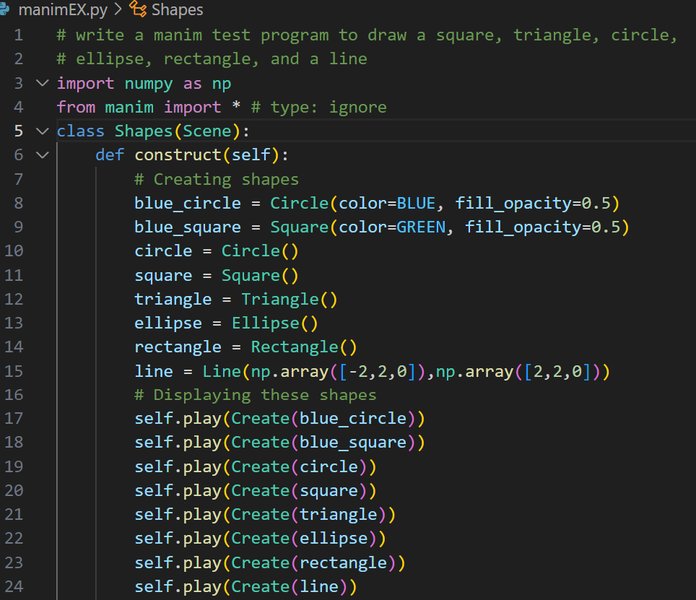
Applying concepts through practical coding examples solidifies understanding.
Phase 3: Advance and Engage (Ongoing)
Deepen Your Knowledge and Connect
Once comfortable with the basics and having completed a few projects, focus on specialization and community involvement.
- Specialize: Dive deeper into areas that interest you, such as Data Science, Machine Learning, Web Development, or Automation. Take more advanced courses or read specialized books.
- Video Resources: Channels like Corey Schafer's on YouTube offer in-depth tutorials on various Python topics, from web frameworks to data science libraries.
- Join the Community: Engage with other learners and developers.
- Reddit (r/learnpython): An active community for asking questions and sharing progress.
- Python.org Forums: Official discussion channels.
- Stack Overflow: A crucial resource for finding solutions to specific coding problems.
- GitHub: Explore open-source Python projects, learn from others' code, and potentially contribute.
- Utilize AI Tools: AI assistants can help explain code snippets, suggest debugging approaches, and offer optimization tips, complementing your learning process.
- Attend Events: Participate in webinars, online workshops, or local meetups (if available) to stay motivated and learn from experts. DataCamp and other platforms often host live coding sessions.
Visualizing Your Learning Path
This mindmap outlines the core components of an effective Python learning strategy, emphasizing the interconnectedness of foundational knowledge, practice, projects, and community.
Comparing Python Learning Resources
Choosing the right resources depends on your learning style and goals. This table compares common resource types:
| Resource Type | Structure | Interactivity | Typical Cost | Depth | Application Focus |
|---|---|---|---|---|---|
| Official Documentation (Python.org) | High (Reference) | Low | Free | High | Conceptual |
| Interactive Platforms (Codecademy, LearnPython.org) | Medium-High | Very High | Free/Freemium | Low-Medium | Syntax & Basics |
| Online Courses (Coursera, Udemy, DataCamp) | High | Medium-High (Quizzes, Projects) | Free/Paid | Medium-High | Specific Skills/Paths |
| Video Tutorials (YouTube) | Variable | Low (Passive) | Free | Variable | Specific Topics/Walkthroughs |
| Books (e.g., Think Python) | High | Low (Requires self-discipline for exercises) | Free/Paid | High | Conceptual & Practical |
| Coding Challenges (HackerRank, LeetCode) | Low (Problem-based) | High | Free/Freemium | Variable (Algorithmic) | Problem Solving |
| Community Forums (Reddit, Stack Overflow) | Low (Topic-based) | High (Q&A) | Free | Variable | Specific Problems/Advice |
A balanced approach typically involves using multiple resource types concurrently.
Evaluating Learning Method Effectiveness
Different learning activities contribute differently to your overall proficiency. This chart provides a qualitative assessment of various methods based on key learning outcomes. Higher scores indicate greater effectiveness for that outcome.
As the chart suggests, active methods like project building and daily practice are highly effective across multiple dimensions, particularly for developing practical skills and problem-solving abilities. Combining these with structured learning and community support provides the most well-rounded approach.
Learning Insights from Experienced Developers
Many experienced developers share their perspectives on the most effective ways to learn programming. This video offers insights into learning Python quickly, often emphasizing practical application and avoiding common pitfalls.
Video: "How I Would Learn Python FAST (if I could start over)" - Provides practical advice often echoing the importance of projects and consistent effort.
Frequently Asked Questions (FAQ)
How long does it take to learn Python?
Is Python difficult for absolute beginners?
What kinds of projects should I build as a beginner?
Do I need strong math skills to learn Python?
Recommended Next Steps
- What are some simple Python projects I can start building today?
- How do popular Python learning platforms compare for different goals?
- What are effective ways to incorporate daily Python practice into my routine?
- Which Python libraries are essential for someone interested in data science?
References
Last updated May 6, 2025