
Unlock Your Academic Potential: The Ultimate Guide to Effective Studying
Master proven strategies to learn smarter, retain more, and achieve your academic goals.
Highlights: Key Takeaways for Success
- Embrace Active Learning: Move beyond passive reading. Techniques like active recall, spaced practice, and teaching others significantly boost retention and understanding.
- Strategic Planning is Crucial: A well-structured study schedule, clear goals, and a distraction-free environment form the foundation for productive learning sessions.
- Prioritize Well-being: Sufficient sleep, healthy habits, and regular breaks are not luxuries but necessities for optimal brain function and long-term learning success.
Cultivating the Ideal Study Environment
Setting the Stage for Focus
Your physical surroundings significantly impact your ability to concentrate and absorb information. Creating an environment conducive to learning is the first step towards effective studying.

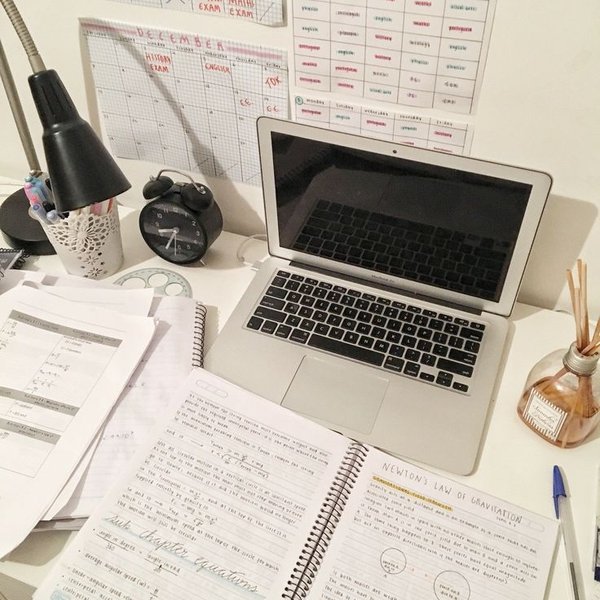
An organized and personalized study space can significantly enhance focus and motivation.
Choose Your Location Wisely
Identify a space where you can focus best. For some, this might be the absolute quiet of a library or a private room. Others might find the gentle hum of a coffee shop or a specific area at home more suitable. Experiment to discover what minimizes distractions for you. Ensure the space has good lighting and comfortable seating to prevent physical strain during longer sessions.
Minimize Distractions
Digital devices are often the biggest culprits. Silence your phone notifications, log out of social media accounts, or use website-blocking apps during dedicated study times. Inform family or roommates about your study schedule to minimize interruptions. Keeping your workspace tidy and organized also reduces mental clutter and helps maintain focus.
Gather Your Resources
Before you begin, make sure you have all necessary materials readily available – textbooks, notes, stationery, water, and perhaps some healthy snacks. This prevents disruptions caused by searching for items mid-session.
Mastering Time Management and Planning
Structuring Your Study for Success
Effective studying isn't just about *what* you study, but *how* and *when*. Strategic planning helps you make the most of your time and avoid feeling overwhelmed.
Create a Realistic Study Schedule
Design a schedule that allocates specific time slots for studying each subject. Be realistic about your commitments and energy levels. Consistency is key; sticking to a regular schedule helps build a habit and ensures continuous progress. Integrate breaks into your schedule – short breaks every hour can prevent burnout and improve focus.
Set Clear and Achievable Goals
For each study session, define specific, measurable goals. Instead of vaguely planning to "study biology," aim to "summarize chapter 3" or "solve 10 practice problems." This provides direction and a sense of accomplishment upon completion.
Break Down Large Tasks
Large topics or assignments can feel daunting. Break them down into smaller, more manageable sub-tasks. Tackling these smaller pieces makes the overall goal seem less intimidating and allows for steady progress.
Avoid Cramming: Embrace Spaced Practice
Resist the urge to cram information the night before an exam. While it might offer short-term recall, it's ineffective for long-term retention. Instead, adopt spaced practice (also known as distributed practice), which involves reviewing material at increasing intervals over time. This technique strengthens memory pathways and leads to more durable learning.
Leveraging Powerful Study Techniques
Moving Beyond Passive Learning
Simply rereading notes or textbooks is one of the least effective ways to learn. Active learning strategies engage your brain more deeply, leading to better understanding and retention.
Engaging actively with study material through various techniques enhances learning.
Active Recall (Retrieval Practice)
This involves deliberately trying to retrieve information from memory without looking at your notes. Instead of passively reading, quiz yourself, use flashcards (physically or with apps like Anki or Quizlet), or try to explain concepts from scratch. The effort involved in recalling information strengthens the memory trace. Testing yourself frequently is far more effective than rereading.
Spaced Practice Revisited
As mentioned in planning, spacing out your study sessions for a specific topic over time is crucial. When your brain has to work a little harder to recall information it has almost forgotten, the memory becomes stronger. Combine this with active recall for maximum effect – review flashcards or test yourself on material at increasing intervals (e.g., 1 day, 3 days, 1 week, 2 weeks).
The SQ3R Method
This is a systematic approach for engaging deeply with textbook material:
- Survey: Skim the chapter, looking at headings, subheadings, images, and summaries to get an overview.
- Question: Turn headings and subheadings into questions. What do you expect to learn?
- Read: Read the material actively, looking for answers to your questions. Take notes.
- Recite: After reading a section, look away and try to recall the main points in your own words. Explain it aloud or write a summary.
- Review: Periodically review your notes and the material, testing yourself on the key concepts.
Elaboration and Connection
Don't just memorize facts; try to understand *why* they are true and how they connect to what you already know. Ask yourself questions like "How does this relate to X?" or "Can I think of a real-life example of this?". Constructing your own understanding makes information more meaningful and memorable.
Teaching Others (The Protégé Effect)
Explaining a concept to someone else (or even pretending to) forces you to organize your thoughts, identify gaps in your understanding, and articulate the information clearly. This is a powerful way to solidify your own learning.
Using Visual Aids: Mind Maps and Concept Maps
For visual learners, organizing information spatially can be very effective. Mind maps start with a central idea and branch out with related concepts. Concept maps focus on showing the relationships between different ideas using nodes and connecting lines. These tools help visualize complex topics and connections.
Visualizing Study Concepts
The following mind map illustrates the interconnected nature of effective study strategies, bringing together the core elements discussed:
The Pomodoro Technique
This time management method involves breaking work into focused intervals, traditionally 25 minutes, separated by short breaks (e.g., 5 minutes). After several "pomodoros," take a longer break. This helps maintain high levels of concentration and prevents mental fatigue.
Comparing Study Technique Effectiveness
A Visual Analysis
Different study techniques vary in their effectiveness across different dimensions like long-term retention, efficiency, and engagement. The radar chart below provides a subjective comparison based on research findings and expert recommendations, illustrating how active strategies generally outperform passive ones like simple rereading or last-minute cramming.
Study Techniques Summary
The table below summarizes some of the key techniques discussed, highlighting their core function and ideal application:
| Technique | Description | Best For |
|---|---|---|
| Active Recall | Testing yourself; retrieving information from memory without aids. | Memorizing facts, definitions, concepts; identifying knowledge gaps. |
| Spaced Practice | Reviewing material at increasing intervals over time. | Long-term retention of any material. |
| SQ3R Method | Systematic approach (Survey, Question, Read, Recite, Review) for textbook reading. | Deep comprehension of dense text-based material. |
| Teaching Others | Explaining concepts in your own words to someone else. | Solidifying understanding, identifying unclear points, complex topics. |
| Mind/Concept Mapping | Visually organizing information and showing relationships between ideas. | Understanding complex systems, brainstorming, visual learners. |
| Pomodoro Technique | Working in focused 25-minute intervals with short breaks. | Maintaining focus, managing time, preventing burnout during long study periods. |
The Power of Review and Reflection
Consolidating Your Learning
Learning doesn't stop when you close the book. Regularly reviewing and reflecting on what you've studied is essential for moving information from short-term to long-term memory.
Review Soon and Often
Review your notes or the material covered within 24 hours of learning it. This combats the natural forgetting curve. Continue reviewing periodically, incorporating spaced practice principles.
Summarize Key Concepts
At the end of a study session or after covering a topic, summarize the main ideas in your own words. This forces you to process the information and check your understanding.
Reflect on Your Process
Think about what study methods worked well and which didn't. Identify areas where you struggled and plan how to address them in your next session. Self-awareness is key to refining your study habits.
Collaboration and Seeking Support
Learning Together
Studying doesn't have to be a solitary activity. Collaborating with peers and seeking help when needed can significantly enhance your learning experience.

Collaborative study sessions in environments like libraries can offer mutual support and diverse perspectives.
Form Effective Study Groups
Working with classmates allows you to discuss complex topics, gain different perspectives, quiz each other, and fill in knowledge gaps. Ensure the group stays focused and productive. Teaching concepts to group members is also an excellent way to reinforce your own understanding.
Don't Hesitate to Ask for Help
If you're struggling with a concept, don't wait. Reach out to your instructors, teaching assistants, tutors, or even knowledgeable classmates. Addressing difficulties early prevents them from snowballing and hindering further learning.
Evidence-Based Insights on Studying
Expert Advice in Action
Understanding the science behind effective learning can transform your study habits. This video delves into evidence-based techniques and strategies recommended by experts, offering practical advice for students aiming to maximize their learning efficiency and exam performance. It covers key concepts like active recall, spaced repetition, and optimizing your study environment, reinforcing many of the principles discussed here.
Prioritizing Your Well-being for Peak Performance
Fueling Your Brain and Body
Your physical and mental health are foundational to effective learning. Neglecting them can undermine even the best study strategies.
Get Sufficient Sleep
Sleep is crucial for memory consolidation – the process where the brain strengthens and organizes memories. Aim for 7-9 hours of quality sleep per night, especially in the days leading up to exams. Consistent sleep patterns are more beneficial than pulling all-nighters.
Nourish Your Body
Maintain a balanced diet and stay hydrated. Healthy snacks like fruits, nuts, or yogurt provide sustained energy, unlike sugary snacks which can lead to energy crashes. Avoid excessive caffeine, which can interfere with sleep and increase anxiety.
Take Regular Breaks and Exercise
As mentioned, short breaks during study sessions are vital. Use them to step away, stretch, or do something relaxing. Regular physical activity is also beneficial, as it reduces stress, improves mood, and can enhance cognitive function.
Personalizing Your Approach
Finding What Works for You
While the strategies outlined here are generally effective, everyone learns differently. Pay attention to your own preferences and results.
Identify Your Learning Style (But Don't Over-Rely On It)
While the concept of fixed learning styles (visual, auditory, kinesthetic) is debated, you might find certain modalities more engaging. Visual learners might benefit more from diagrams and mind maps, while auditory learners might prefer recording lectures or discussing concepts. However, research suggests that using a *variety* of methods, especially active ones, is generally best for everyone.
Experiment and Adapt
Try different techniques and combinations. Maybe the Pomodoro technique works wonders for one subject, while teaching others is better for another. Keep track of what feels most effective and enjoyable, and adjust your routine accordingly. The best study plan is one you can stick to consistently.
Frequently Asked Questions (FAQ)
How long should I study at a time?
Focus tends to wane after about 25-50 minutes. Techniques like the Pomodoro method (25 minutes study, 5 minutes break) are popular. The key is focused attention followed by short breaks. Longer sessions might require longer breaks. Listen to your body and mind; stop when productivity significantly drops.
Is it better to study in the morning or at night?
This depends heavily on individual chronotypes ("morning larks" vs. "night owls"). The best time to study is when you personally feel most alert and focused. Consistency is more important than the specific time of day. However, avoid sacrificing sleep for late-night studying, as sleep is crucial for learning.
Does listening to music while studying help?
It varies. Some find instrumental music (like classical or lo-fi hip hop) helps concentration by masking distracting noises. Others find any music, especially with lyrics, distracting. If you try music, opt for something familiar and without words. If you find your attention drifting to the music, it's likely hindering rather than helping.
How can I stay motivated to study consistently?
Set clear, achievable goals and track your progress. Break large tasks into smaller steps to build momentum. Remind yourself of your long-term goals and why studying is important to you. Reward yourself for sticking to your schedule. Study with friends for accountability, and vary your study methods and locations to keep things interesting.
References
- Top 10 Study Tips to Study Like a Harvard Student - Harvard Summer School
- 17 Scientific Study Techniques To Ace Your Next Exam - University of St. Augustine for Health Sciences
- How research from psychology can help you study effectively - Psyche Guides
- 10 tips on how to study effectively - Victoria University
- Studying 101: Study Smarter Not Harder - UNC Learning Center
- How to study effectively - UW-La Crosse
Recommended
Last updated April 12, 2025