
Unveiling the Truth: How Effective Are Traditional Lectures in Modern Learning?
An in-depth look at the evidence behind magistral classes and their impact on student learning outcomes.
The term "magistral class," often synonymous with a traditional lecture, refers to a long-standing pedagogical method where an instructor delivers information orally to an audience of students. This approach has been a cornerstone of higher education for centuries, primarily aimed at transmitting foundational knowledge, theories, and critical information in a structured manner. But in an era of dynamic educational technologies and evolving pedagogical philosophies, how effective are these classes for genuine learning? This analysis delves into the evidence.
Key Insights: The Efficacy of Magistral Classes
- Efficient Knowledge Transfer: Magistral classes excel at conveying large amounts of foundational and conceptual information to many students simultaneously, making them a scalable and efficient method for introducing new subjects.
- Engagement is Crucial: The effectiveness of lectures significantly increases when interactive elements are incorporated. Passive, one-way lectures are often less effective for deep learning and skill development.
- Best Used in Combination: Evidence suggests that magistral classes are most impactful when used as part of a blended learning strategy, complemented by active learning techniques, rather than as a standalone method.
Understanding Magistral Classes
What Exactly Constitutes a "Magistral Class"?
A magistral class, or "cours magistral," is essentially a formal lecture delivered by an instructor to a group of students. The primary objective is the organized transmission of knowledge. This method is prevalent in universities and other educational institutions to introduce students to specific fields of study, covering essential information, historical context, theoretical frameworks, and core principles. The instructor typically takes a central role, presenting content while students primarily listen and take notes.
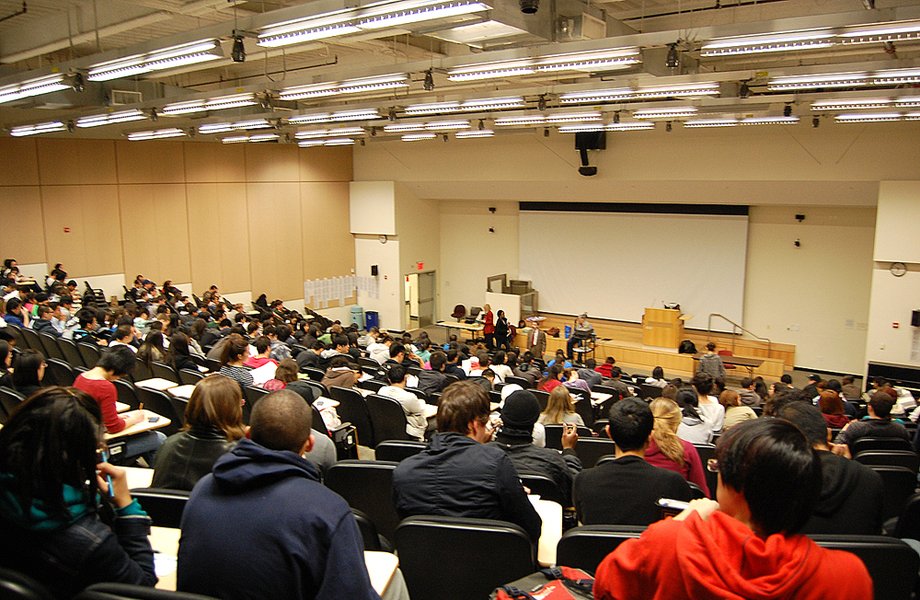
A typical university lecture hall, the common setting for magistral classes.
While this traditional format has been lauded for its efficiency in disseminating information to large cohorts, it has also faced criticism for potentially fostering passive learning and offering limited opportunities for student interaction and critical engagement with the material.
The Evidence: Unpacking the Efficacy of Magistral Classes
Educational research provides a nuanced picture of the effectiveness of magistral classes. Their impact on learning is not uniform and depends on various factors, including the subject matter, the lecturer's delivery, student engagement, and how they are integrated into the broader curriculum.
Strengths: Where Lectures Shine
Efficient Knowledge Dissemination
One of the primary strengths of magistral classes is their efficiency in conveying substantial amounts of information to a large audience. They are particularly effective for introducing foundational concepts, theories, historical backgrounds, and complex subject matter in a structured way. For many universities, this makes lectures a practical approach for core courses with high enrollment.
Cognitive Alignment
Some research suggests that lectures align well with evolved human cognitive abilities, particularly auditory learning from spoken information. A well-structured and clearly delivered lecture can facilitate comprehension and retention of abstract or complex concepts, making it a "natural" teaching method in certain contexts. This is especially true when the lecturer is skilled at storytelling and explaining intricate ideas.
Contextual Effectiveness
Magistral classes can be highly effective when the learning objective is to gain a broad overview of a topic or to understand clearly defined concepts. Some students express a preference for this format when the material demands clear, organized exposition from an expert. They also serve an important role in competency-based education, helping students grasp core concepts in fields like programming, engineering, or law.
Limitations and Criticisms
The Challenge of Passive Learning
A significant criticism of purely traditional magistral classes is their tendency to promote passive learning. The one-way flow of information can limit student participation, interaction, and immediate engagement with the material. This passivity can hinder the development of deeper understanding and long-term retention if not mitigated.
Developing Higher-Order Skills
While effective for knowledge transmission, magistral classes are often considered less effective in fostering higher-order thinking skills such as critical analysis, problem-solving, and creative application of knowledge. Active learning methods, which involve students in doing things and thinking about what they are doing, generally prove more successful in cultivating these abilities.
Comparative Efficacy: Mixed Results
Comparative studies yield mixed results. For instance, some research comparing lectures to problem-based learning (PBL) or case-based learning found no significant differences in immediate knowledge acquisition for specific topics, though both methods might show only minimal improvements. However, other studies, particularly those evaluating flipped classrooms, often show that active learning approaches lead to better student engagement, understanding, and academic performance than purely magistral instruction. It's important to note that even in flipped models, the "lecture" component (often pre-recorded) remains vital for initial information delivery.
Enhancing Lecture Effectiveness: The Power of Engagement
The consensus in educational research is that the efficacy of magistral classes can be significantly amplified by incorporating interactive elements. Moving away from a purely didactic model towards a more engaging format can transform the learning experience. Strategies include:
- Incorporating Q&A sessions and discussions.
- Using polling tools or clickers for real-time feedback.
- Integrating multimedia elements like videos and simulations.
- Employing "think-pair-share" activities or short group tasks.
- Structuring lectures around compelling questions or problems.
Studies have shown that such "engaging lectures" can lead to statistically significant improvements in exam scores and more positive student evaluations compared to traditional, passive lectures. This suggests that the "magistral" style isn't inherently flawed but can be much improved with thoughtful design focused on student interaction.
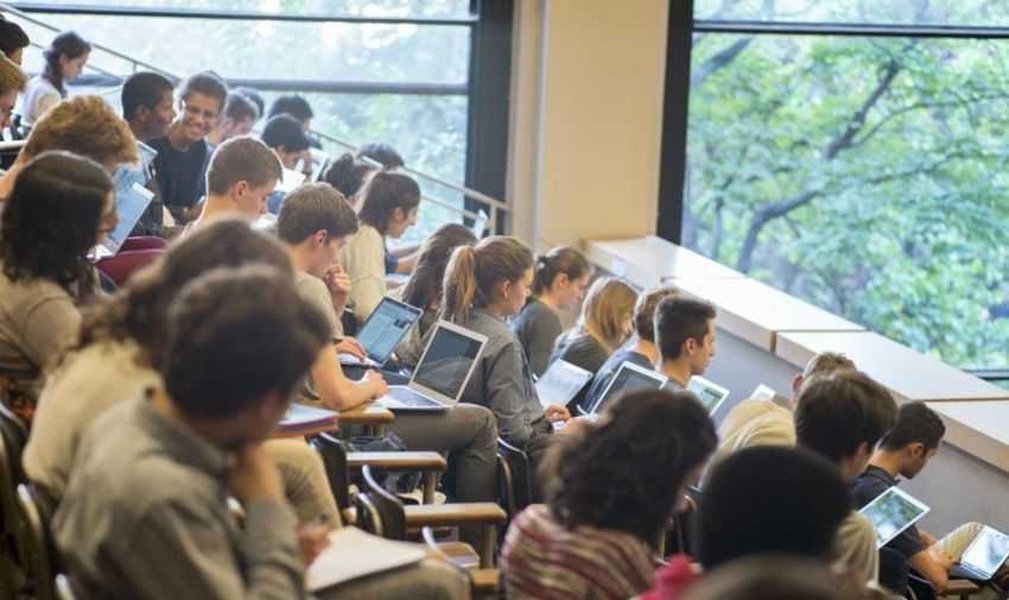
Interactive lectures aim to create dialogue and active participation, enhancing the learning experience.
Visualizing Lecture Effectiveness Factors
The effectiveness of different teaching approaches, including magistral classes, can be compared across several key dimensions. The radar chart below offers a visual representation of how traditional lectures, engaging lectures (incorporating interactive elements), and a blended approach (combining lectures with significant active learning components) might perform based on common educational goals. These are illustrative comparisons based on synthesized research findings, not absolute measures.
This chart illustrates that while traditional magistral classes are highly scalable and efficient for basic knowledge transmission, incorporating engagement or blending them with active learning methods tends to enhance outcomes related to student engagement, critical thinking, and potentially long-term retention, albeit sometimes with a trade-off in pure scalability or initial resource intensity.
Interconnected Pedagogical Approaches
Magistral classes do not exist in a vacuum. They are part of a wider ecosystem of teaching and learning strategies. The mindmap below illustrates how magistral classes (lectures) connect with other pedagogical concepts and how they can be adapted or integrated for enhanced learning outcomes.
(e.g., Critical Thinking, Problem Solving)"] id3_3["Variable Student Engagement"] id3_4["Less Effective for Practical Application"] id4["Enhancement Strategies"] id4_1["Interactive Elements
(Q&A, Polls, Discussions)"] id4_2["Multimedia Integration"] id4_3["Clear Structure & Objectives"] id4_4["Enthusiastic Delivery"] id4_5["Peer Instruction Techniques"] id5["Integration with Other Models"] id5_1["Blended Learning
(Combines online and face-to-face)"] id5_2["Flipped Classroom
(Lecture content pre-class, activities in-class)"] id5_3["Supplement to Active Learning
(e.g., PBL, Case Studies)"] id5_4["Part of Competency-Based Education"]
This mindmap highlights that while traditional lectures have inherent characteristics, strengths, and weaknesses, their true potential is often realized through thoughtful enhancements and strategic integration with other pedagogical models designed to foster deeper engagement and more comprehensive skill development.
Comparative Overview of Teaching Methods
To better understand the place of magistral classes, it's helpful to compare them with other teaching methodologies. The following table provides a simplified overview of different approaches based on several key educational aspects:
| Teaching Method | Primary Goal | Student Activity Level | Typical Engagement | Suitability for Higher-Order Skills | Scalability |
|---|---|---|---|---|---|
| Traditional Magistral Class | Transmit foundational knowledge | Low (primarily receptive) | Variable, often low to moderate | Low to moderate | High |
| Engaging Magistral Class | Transmit knowledge with interaction | Moderate (receptive with participation bursts) | Moderate to high | Moderate | High |
| Flipped Classroom | Apply knowledge, develop skills | High (active participation in class) | High | High | Moderate to high (depends on in-class activity design) |
| Problem-Based Learning (PBL) | Develop problem-solving, self-directed learning | Very high (investigative, collaborative) | Very high | Very high | Moderate (often requires smaller groups) |
| Case-Based Learning | Develop analytical and decision-making skills | High (analysis, discussion) | High | High | Moderate to high |
This comparison illustrates that no single teaching method is universally superior; the optimal choice depends on the learning objectives, student needs, available resources, and the specific context. Magistral classes, especially when enhanced, retain a valuable role, particularly for foundational learning and in settings with large student numbers.
Frequently Asked Questions (FAQ)
What are "magistral classes"?
Magistral classes, also known as traditional lectures or "cours magistral," are a teaching method where an instructor orally presents information to a group of students. The primary aim is to transmit knowledge in an organized manner, covering key concepts, theories, and background information. This format is commonly used in universities and other higher education institutions.
Are magistral classes effective for all types of learning?
Magistral classes are particularly effective for conveying foundational knowledge and large amounts of information efficiently. However, they are generally considered less effective for developing higher-order thinking skills like critical analysis, problem-solving, or practical application, especially if they are purely passive and lack student interaction. Their effectiveness varies depending on the learning goals and the subject matter.
How can the effectiveness of magistral classes be improved?
The effectiveness of magistral classes can be significantly enhanced by incorporating interactive elements. This includes strategies like asking questions, facilitating discussions, using classroom response systems (clickers), integrating multimedia, breaking lectures into smaller segments, and using techniques like "think-pair-share." A clear structure, well-defined learning outcomes, and an engaging delivery style from the instructor also play crucial roles.
Are there alternatives to magistral classes?
Yes, there are many alternatives and complementary approaches to magistral classes. These include active learning strategies such as problem-based learning (PBL), case-based learning, flipped classrooms, collaborative learning, project-based learning, and inquiry-based learning. Often, the most effective educational strategies involve a blend of different methods, using lectures for initial knowledge dissemination and other techniques for deeper engagement and skill development.
Recommended Further Exploration
- How do interactive elements in lectures impact student engagement and learning outcomes?
- What are the key differences in learning effectiveness between flipped classrooms and traditional lectures?
- What role does instructor quality play in the success of magistral classes?
- How can large lecture classes be designed to foster critical thinking skills?
References
Last updated May 11, 2025