
Workforce Efficiency and Employee Well-being
Strategies and trends for a productive and healthy organization
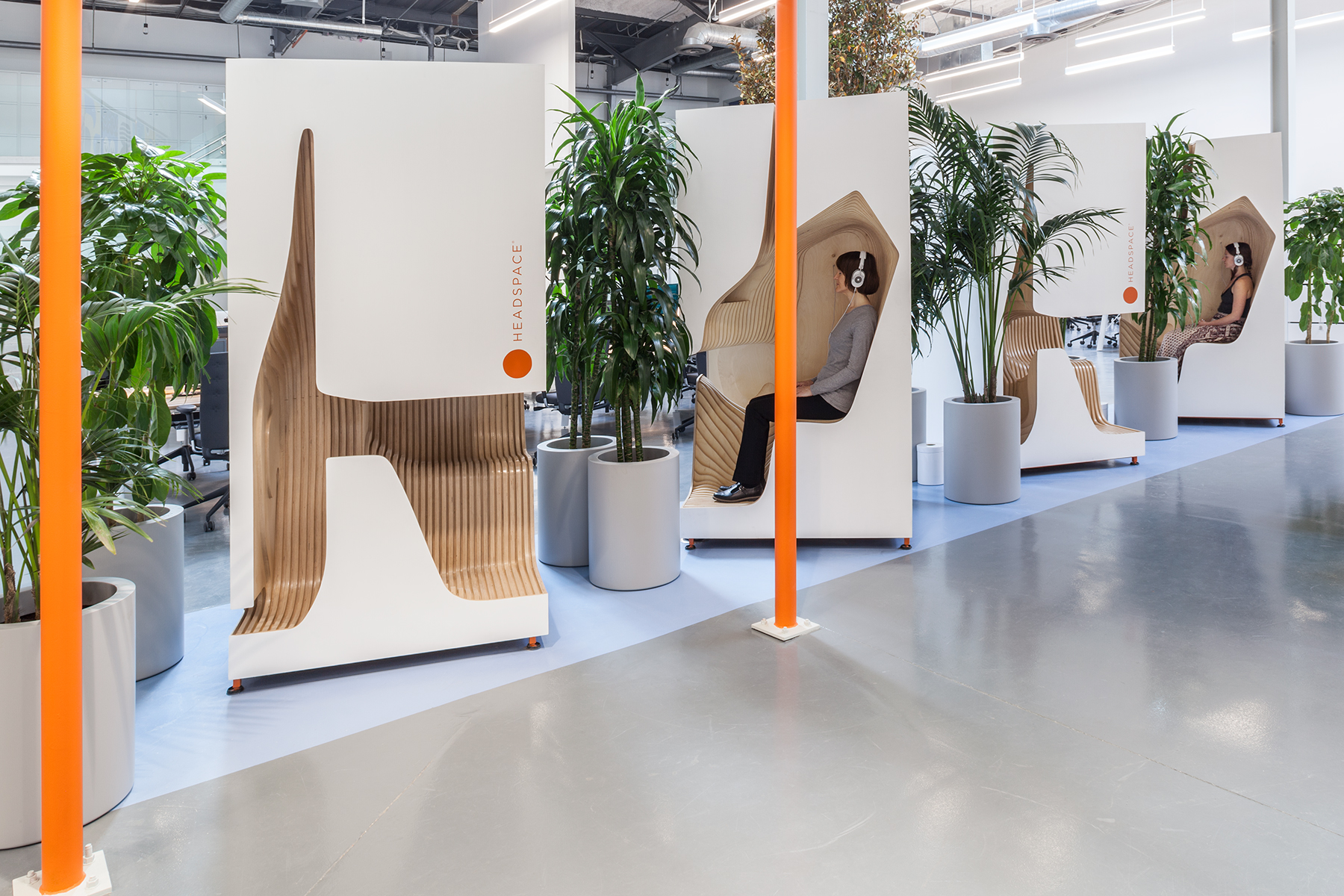
Highlights
- Integrated Approach: Balancing workforce efficiency and employee well-being creates a resilient organization.
- Strategic Initiatives: Clear communication, targeted training, process optimization, and flexible work arrangements boost productivity.
- Holistic Wellness: Addressing physical, mental, social, and financial aspects leads to higher job satisfaction and retention.
Introduction
Organizations worldwide have recognized that workforce efficiency and employee well-being are two sides of the same coin. By strategically integrating methods to enhance productivity while promoting a healthy environment for employees, businesses can achieve sustainable growth. This approach not only boosts performance and reduces waste but also improves job satisfaction, lowers absenteeism, and increases overall retention. As organizations evolve, best practices now highlight the need to adopt both operational and human-centric strategies in tandem.
Understanding Workforce Efficiency
Workforce efficiency refers to an organization’s ability to achieve high productivity levels with minimal wastage of resources and effort. It includes the implementation of procedures, automated systems, and clear strategic plans that align with organizational goals. Efficient processes ensure that employees perform optimally, resulting in greater work output and improved organizational profitability.
Key Components of Workforce Efficiency
1. Clear Goals and Strategic Alignment
Setting clear and measurable goals is fundamental for workforce efficiency. When everyone understands the broader vision and specific targets, it becomes easier to align individual efforts with organizational objectives. Regular performance check-ins and established Key Performance Indicators (KPIs) help maintain focus and course-correct when necessary.
2. Process Improvement and Automation
Continual assessment of business processes is a cornerstone of operational success. Automation of repetitive tasks and the optimization of workflows can free valuable time for employees. By eliminating redundant procedures, organizations can reduce cost, minimize human error, and streamline operations.
3. Resource Allocation and Scheduling
Optimal scheduling and strategic resource allocation ensure that the right person is in the right role at the right time. This involves not only mapping available skills but also matching them with the task and workload requirements. Tools such as workforce analytics and real-time scheduling systems help in monitoring performance and reallocating resources as needed.
4. Training and Skill Development
Investing in continuous learning and professional development ensures that employees stay updated with industry trends and technological advancements. Targeted training programs enhance the proficiency of staff, leading to greater efficiency.
Technological Integration
Modern organizations are leveraging technology to boost workforce efficiency. The use of Artificial Intelligence (AI) for data-driven decision-making, wearable technology for monitoring employee health, and project management software for organizing work are examples of how technology is being harnessed. These tools streamline workflow, provide personalized insights, and automate routine tasks, all of which contribute to a more efficient and responsive work environment.
Understanding Employee Well-being
Employee well-being is a broad concept that encompasses physical, mental, emotional, and financial health. It is not solely about the absence of illness, but rather about creating conditions that allow employees to thrive. Well-being initiatives target stress reduction, work-life balance, mental health support, and financial security. Organizations that prioritize employee well-being tend to see improvements in morale, creativity, and productivity.
Dimensions of Employee Well-being
1. Physical Health
Initiatives such as gym memberships, regular wellness screenings, and encouraging exercise help employees maintain a healthy body. Preventative health measures enable early detection and management of potential health issues, ensuring a healthier, more active workforce.
2. Mental and Emotional Health
The nexus of employee satisfaction and productivity often lies in robust mental health support. Providing mindfulness programs, access to counseling services, and stress management resources are vital. A healthy mental state contributes significantly to creative problem solving and efficient decision-making.
3. Financial Wellness
Financial stress can negatively impact every aspect of an employee’s life. Programs that include financial education, debt management, and even student loan repayment assistance are increasingly being adopted as part of a comprehensive well-being strategy.
4. Social and Environmental Well-being
Social well-being is fostered by creating supportive and inclusive workplace cultures. Open communication, team-building activities, and workplace flexibility all contribute to a more connected and satisfied workforce.
Integrating Workforce Efficiency and Employee Well-being
Balancing workforce efficiency with employee well-being is not about choosing one over the other, but rather creating a synergy between the two. Organizations that successfully integrate efficiency strategies while promoting well-being can expect to see reduced absenteeism, lower turnover, and improved employee performance.
Mutually Reinforcing Benefits
When employee well-being is prioritized, workers are more likely to be engaged, committed, and motivated, which in turn boosts productivity and efficiency. A workforce that feels physically, emotionally, and financially secure is better positioned to contribute positively to company goals. Conversely, efficient operations create a more structured and less stressful work environment, enhancing employee well-being.
Practical Strategies for Integration
Several strategies have proven effective in creating a balanced approach between efficiency and well-being:
1. Develop Holistic Wellness Programs
Comprehensive wellness programs should address not only physical health but also include mental health support and financial education. Regular check-ins and wellness screenings can be integrated with other HR systems to monitor improvements in employee health.
2. Encourage Flexible Work Arrangements
Flexible scheduling, remote work options, and understanding individual work preferences are all key to reducing work-related stress and burnout. Flexibility ensures that employees have more control over their work-life balance while meeting organizational productivity targets.
3. Optimize Communication and Feedback Mechanisms
Transparent communication is critical for aligning organizational goals with employee needs. Regular feedback sessions, open forums, and digital communication tools can help build trust and ensure everyone is informed about expectations and available resources.
4. Leverage Technology for Personalized Wellness
With advancements in AI and wearable technology, companies can now deploy personalized wellness programs that cater to the individual needs of employees. These tools not only track health metrics but also offer personalized recommendations to improve productivity.
Illustrative Comparison: Efficiency vs. Well-being
The table below provides a clear comparison between key elements of workforce efficiency and employee well-being, along with strategies that link the two:
| Aspect | Efficiency Focus | Well-being Focus | Integrated Strategy |
|---|---|---|---|
| Goals | Clear KPIs and metrics | Holistic wellness goals | Align personal and organizational goals |
| Process | Automation and streamlined workflows | Supportive and stress-free environment | Introduce low-stress, automated systems |
| Communication | Regular performance feedback | Open, empathetic dialogue | Transparent and supportive check-ins |
| Flexibility | Efficiency scheduling | Work-life balance policies | Flexible work arrangements that boost productivity |
| Technology | Project management tools, AI analytics | Wearable technology, mental health apps | Integrative tech solutions for personalized employee support |
Emerging Trends and Future Directions
As organizations continue to evolve, new trends are emerging that further blend workforce efficiency with employee well-being. For instance, the next generation of AI-driven platforms will focus on personalized coaching and wellness recommendations, while predictive analytics will help identify and address potential inefficiencies and well-being issues before they escalate. The growing integration of wearable devices and real-time analytics not only offers insights into employee health but also streamlines process management.
Key Future Trends
1. Data-Driven Personalization
Organizations will increasingly rely on data analytics to tailor both workflow enhancement and wellness initiatives. This approach ensures employee activities are matched to their skills and wellbeing requirements, ultimately fostering a more engaged workforce.
2. AI-Enhanced Employee Support
Advanced AI will offer smart insights by correlating efficiency measures with individual well-being data. This integration supports dynamic adjustments in work allocation, personalized training modules, and timely mental health interventions.
3. Expanded Financial Wellness Programs
As financial stability becomes recognized as a core component of employee well-being, companies are set to roll out more robust programs. Initiatives will include personalized financial coaching, debt management tools, and further integration of financial health resources into employee benefits packages.
4. Enhanced Managerial Training
Managers play a pivotal role in balancing productivity and well-being. Training for managers will increasingly cover soft skills, mental health support, and strategic resource management to better nurture a high-performance yet healthy team environment.
Case Studies and Practical Examples
Many organizations have successfully integrated workforce efficiency and employee well-being strategies to reap tangible benefits. For instance, multinational companies implementing flexible work arrangements have observed a noticeable drop in absenteeism and turnover. Similarly, businesses that embraced holistic employee wellness programs reported enhanced creativity and innovation among their staff, which translated into improved operational performance.
Example 1: Flexible Work Environments
A leading technology firm restructured its work policy to support remote working and flexible hours. This change not only improved work efficiency by reducing commute-related stress but also enhanced overall employee well-being. Regular digital check-ins and open communication channels allowed the company to maintain high performance while ensuring that the workforce felt supported.
Example 2: Comprehensive Wellness Programs
A financial services company integrated mental health, physical wellness, and financial planning services into its employee benefits package. With a focus on reducing work-related stress and promoting a culture of openness, the company witnessed a significant enhancement in both productivity and overall employee satisfaction. It also reported a corresponding decrease in costs associated with absenteeism and turnover.
Implementation Roadmap
For organizations seeking to achieve the delicate balance between efficiency and well-being, a phased implementation strategy is advisable. The following roadmap outlines key actions:
Phase 1: Assessment and Planning
Begin with a thorough assessment of current processes, employee satisfaction levels, and existing well-being initiatives. Utilize surveys, performance metrics, and wellness indicators to identify gaps. Based on these insights, develop a structured plan that addresses both operational inefficiencies and employee needs.
Phase 2: Deployment of Strategic Initiatives
Implement process improvements, automation tools, and flexible work policies alongside comprehensive wellness programs. Invest in training sessions that cover both technical skills and wellness best practices. Encourage open feedback from employees to monitor early outcomes and adjust strategies as needed.
Phase 3: Monitoring and Continuous Improvement
Regularly review efficiency metrics, employee well-being surveys, and overall performance data. Employ a data-driven approach to tweak both workflow processes and wellness initiatives based on emerging trends or identified challenges. A culture of continuous improvement ensures that both efficiency and well-being remain top priorities.
Conclusion and Final Thoughts
In conclusion, the integration of workforce efficiency and employee well-being strategies is essential for creating a thriving organizational ecosystem. By aligning clear operational goals with initiatives that promote overall health and satisfaction, businesses can achieve exponential improvements in productivity, creativity, and employee retention. This synergy serves as a roadmap for sustainable success, ensuring that organizations remain competitive while nurturing their most valuable asset – their people.
Organizations that harness the power of flexible policies, technological integration, top-tier communication, and holistic well-being programs set themselves up for future innovation and growth. The continuous interplay between efficient processes and a healthy, engaged workforce is a proven blueprint for achieving a dynamic and sustainable work environment.
References
- Employee Wellness Programs - Onsurity
- Trends in Employee Well-being - People Insight
- Improve Efficiency in the Workplace - Yarooms
- Workplace Efficiency Strategies - Arbinger
- Strategies to Improve Work Efficiency - Indeed
- Workforce Optimization Strategies - Evolia
- Employee Well-being Trends in 2025 - IFeelOnline
Recommended Related Queries
Last updated February 25, 2025