
Unlock the Secrets to Perfectly Packed Luggage: Your Ultimate Efficiency Guide
Master efficient suitcase packing with these expert tips and techniques to maximize space, minimize wrinkles, and travel smarter.
Essential Packing Highlights
Key takeaways for streamlined travel preparation:
- Plan Strategically: Create a checklist based on your destination's weather and planned activities, choosing versatile clothing items to mix and match.
- Combine Packing Techniques: Utilize a mix of rolling (for soft clothes), folding (for structured garments), and bundling (for outfits) to optimize space and reduce wrinkles.
- Leverage Organizational Tools: Employ packing cubes for compartmentalization and compression bags for bulky items to maintain order and maximize capacity.
Phase 1: The Foundation of Efficient Packing - Planning & Preparation
Setting the stage for a perfectly packed bag starts before you even open your suitcase.
Choose Your Luggage Wisely
Select a suitcase appropriate for your trip's length and type. A lightweight, sturdy bag with compartments or expandable features offers flexibility. Consider carry-on dimensions for shorter trips to potentially save time and money.
Craft a Smart Packing List
Avoid the stress of last-minute decisions and the burden of overpacking by creating a detailed packing list. Think about:
- Destination & Duration: Check the weather forecast and outline your activities.
- Versatility: Choose items that can be mixed and matched to create multiple outfits. Prioritize clothing that serves multiple purposes (e.g., a scarf that doubles as a wrap, pants suitable for day and evening).
- The 5-4-3-2-1 Rule (Optional Guideline): For a week-long trip, consider packing around five tops, four bottoms, three accessories (like shoes or scarves), two types of essential extras (like pajamas or swimwear), and one outerwear piece. Adjust quantities based on your specific needs and trip length.
- Essentials First: List medications, documents, chargers, and toiletries first to ensure they aren't forgotten.
Packing a few days in advance allows time for adjustments and prevents forgetting crucial items.
Phase 2: Mastering Packing Techniques
How you pack your clothes significantly impacts space utilization and wrinkle prevention. A combination of methods often yields the best results.
The Rolling Method: Space-Saver Supreme
Rolling is highly effective for saving space and minimizing wrinkles in softer, casual garments. Tightly roll items like t-shirts, jeans, cotton pants, knitwear, underwear, and socks into compact cylinders. This compression allows you to fit more items side-by-side. Arrange rolls snugly, potentially in a hexagonal pattern, to fill gaps efficiently. Avoid rolling easily creased formal wear.
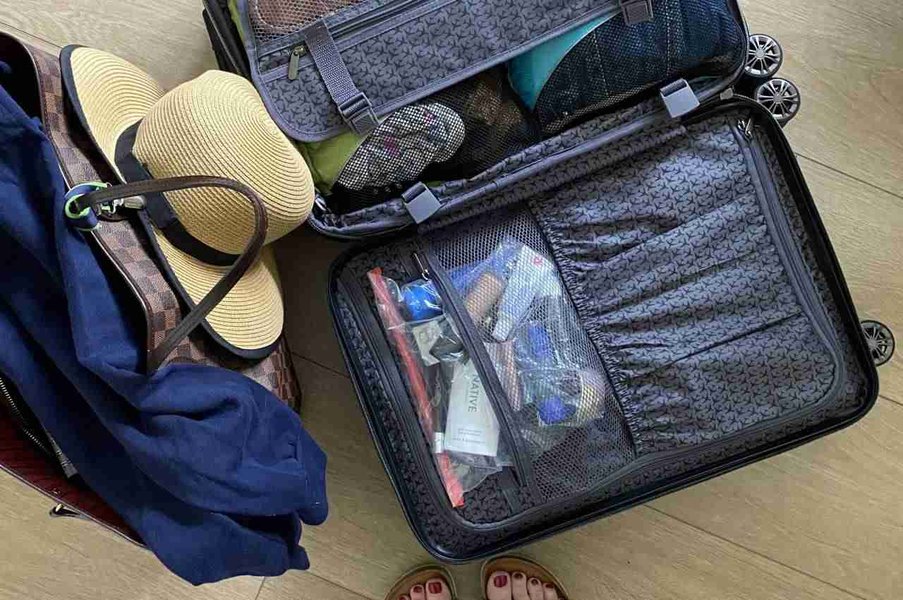
Rolling clothes can significantly save space and reduce wrinkles for many fabric types.
The Folding Method: Structure and Form
For stiffer fabrics or structured garments like blazers, starched shirts, dress pants, or delicate items prone to wrinkling when rolled, folding is preferable. Fold these items neatly into flat rectangles or squares. You can layer folded items or place them on top of rolled clothes. Some travelers use folding for bulkier items while rolling lighter ones.
The Bundling Method: Outfit Organization
Bundling involves wrapping several clothing items around a central core object (like a small pouch or a folded t-shirt). Lay out larger garments first, then layer smaller items on top before wrapping the outer layers around the inner ones. This method can help reduce creases in the bundled items and is useful for organizing pre-planned outfits. It might take slightly more effort than rolling or folding but keeps outfits together.
Phase 3: Leveraging Packing Tools for Ultimate Organization
Modern packing aids can transform your suitcase from chaotic to compartmentalized.
Packing Cubes: Your Organizational Allies
Widely hailed as a game-changer, packing cubes are fabric containers (often zippered) that help you categorize and compress clothing. Use different cubes for tops, bottoms, underwear, or even group outfits for each day. This compartmentalization makes finding specific items effortless without disturbing the entire suitcase contents. They also add a layer of compression, helping to maximize space.
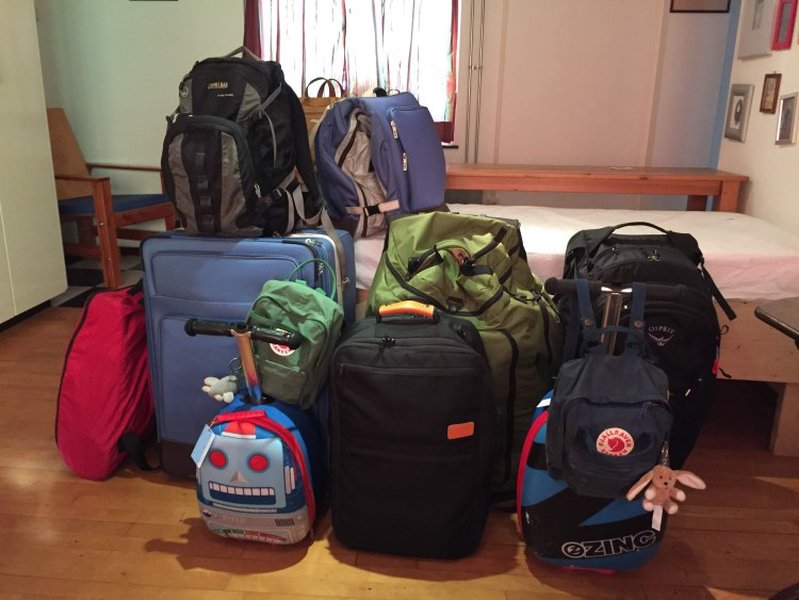
Packing cubes separate items by category, making organization and access much easier.
Compression Bags: Taming Bulky Items
For bulky items like sweaters, jackets, or ski wear, compression bags (including vacuum-seal types) are invaluable. Place the items inside, seal the bag, and then roll or press the air out. This significantly reduces the volume these items occupy, freeing up substantial space. Be mindful that while volume decreases, weight does not, and compressed items may wrinkle more intensely.
Phase 4: Strategic Suitcase Organization - The Art of Placement
Where you place items inside your suitcase matters for balance, accessibility, and protection.
Weight Distribution is Key
Place the heaviest items – like shoes, toiletry bags (if heavy), or books – at the bottom of the suitcase, near the wheels. This lowers the center of gravity, making the suitcase more stable and easier to roll without tipping over.
Handling Shoes and Toiletries
- Shoes: Place shoes in bags (plastic grocery bags, shoe bags, or even shower caps work) to prevent dirt from transferring onto clothes. Position them along the sides or at the bottom near the wheels. Maximize space by stuffing smaller items like socks, underwear, belts, or chargers inside your shoes. Limit yourself to 2-3 versatile pairs.
- Toiletries: Always pack liquids in a dedicated, leak-proof toiletry bag (Dopp kit). Use travel-sized containers or solid toiletries where possible. To comply with airline regulations for carry-on luggage, ensure liquids are under 100ml (3.4oz) and fit within a single, clear, quart-sized bag. Place the toiletry bag towards the top of the suitcase or in an external pocket for easy access, especially for security checks.
Utilizing Every Nook and Cranny
Efficient packing means leaving no space wasted. Tuck small, soft items like socks, underwear, scarves, or rolled belts into corners, gaps between packing cubes, or around larger items. Fill the contours of the suitcase. Place items you'll need first upon arrival (like pajamas or a change of clothes) on top for quick access.
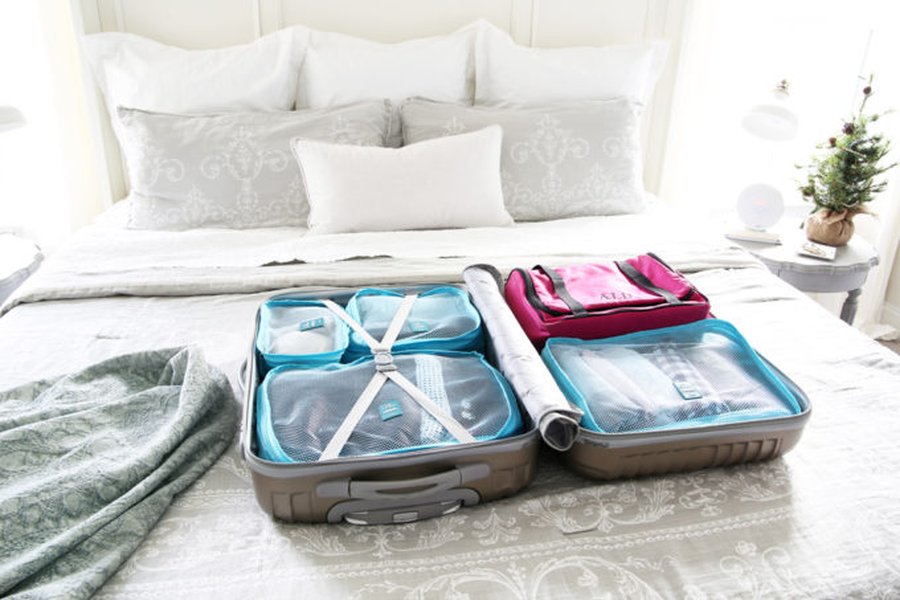
Strategic placement, using cubes and filling gaps, leads to a well-organized suitcase.
Visualizing Packing Method Effectiveness
Comparing common packing techniques across key efficiency factors.
This chart provides a visual comparison of different packing methods based on factors crucial for efficient travel. Rolling often excels in space-saving for casual wear, while folding preserves the structure of formal items. Packing cubes offer superior organization, and bundling keeps outfits together effectively. The best approach often involves combining these methods based on your specific clothing and needs.
Mapping Your Packing Strategy
A visual overview of the key elements involved in packing efficiently.
This mind map summarizes the core components of efficient suitcase packing, branching from the central goal into the essential phases and considerations discussed. It highlights the interconnectedness of planning, choosing the right techniques, utilizing tools, and organizing strategically within the suitcase.
Packing Techniques Compared
Choosing the right method for different items.
Understanding the pros and cons of each packing technique helps you decide which method(s) to use for different types of clothing and travel needs. This table summarizes the key characteristics:
| Method | Best For | Pros | Cons |
|---|---|---|---|
| Rolling | T-shirts, jeans, casual pants, socks, underwear, soft fabrics | Excellent space saving, reduces some types of wrinkles, easy to see items | Can cause wrinkles in some fabrics, not ideal for bulky or structured items |
| Folding | Dress shirts, blazers, trousers, stiff fabrics, delicate items | Maintains garment shape, fewer wrinkles for certain items, good for layering | Less space-efficient than rolling |
| Bundling | Organizing outfits, reducing wrinkles in delicate items | Keeps outfits together, minimizes creases in core items | Can be time-consuming, accessing one item requires unbundling |
| Packing Cubes | Overall organization, separating item types, compression | Excellent organization, easy access, compresses items, keeps things tidy | Adds slight weight/bulk, requires initial investment |
Visual Packing Guide: Maximize Carry-On Space
See efficient packing in action.
This video demonstrates practical tips specifically for maximizing space in carry-on luggage, incorporating many of the techniques discussed, such as rolling, using packing cubes, and strategic placement. Watching these methods applied can provide valuable insights for packing your own bag efficiently, especially when dealing with size and weight restrictions.
Frequently Asked Questions (FAQs)
Quick answers to common packing dilemmas.
Q1: Is it better to roll or fold clothes?
Q2: Are packing cubes really worth it?
Q3: What's the best way to pack shoes?
Q4: How should I pack toiletries to prevent leaks?
Q5: What's the best way to avoid overpacking?
Recommended Reading
Explore related topics for deeper travel insights:
- What are the highest-rated packing cubes available for travelers?
- How do I correctly pack liquids to meet airline carry-on regulations?
- What are effective strategies for packing light, especially for extended trips?
- Which folding techniques are best for preventing wrinkles in dress clothes during travel?
References
Sources used to compile this guide:
Last updated April 30, 2025