
Mastering the Art of Efficient Suitcase Packing
Maximize space, minimize stress: your ultimate packing guide
Key Takeaways
- Strategic Organization: Utilize packing lists, packing cubes, and compartmentalization to keep items orderly and accessible.
- Space Optimization Techniques: Implement rolling, bundling, and stuffing methods to maximize suitcase capacity.
- Weight and Accessibility Management: Distribute weight evenly and prioritize essential items in easily reachable areas.
Introduction to Efficient Packing
Packing a suitcase efficiently is a skill that can significantly enhance your travel experience. Whether you're embarking on a short business trip or a lengthy vacation, a well-packed suitcase ensures that you have everything you need while minimizing the hassle of excess baggage. This comprehensive guide synthesizes expert strategies to help you maximize space, maintain organization, and ensure that your belongings are secure and accessible throughout your journey.
1. Choosing the Right Suitcase
Suitcase Selection
Selecting the appropriate suitcase is the foundation of efficient packing. Consider the duration of your trip, the nature of your travel (business, leisure, adventure), and airline restrictions. Hard-sided suitcases offer durability and structure, limiting the temptation to overpack by restricting available space. In contrast, soft-sided suitcases provide flexibility and additional compartments for better organization.
Size and Weight Considerations
Ensure your suitcase complies with airline size and weight regulations to avoid additional fees and ensure smooth boarding. Opt for lightweight luggage to maximize the weight allowance for your belongings. It's also beneficial to choose suitcases with built-in weight indicators, allowing you to monitor and adjust your load as needed.
2. Planning Your Packing Strategy
Creating a Comprehensive Packing List
A detailed packing list is essential to prevent overpacking and ensure that you don't forget essential items. Categorize your list based on clothing, toiletries, electronics, documents, and accessories. Cross off items as you pack to maintain inventory and make adjustments based on trip-specific needs.
Outfit Coordination and Versatility
Plan outfits that can be mixed and matched to reduce the number of clothing items. Choose versatile pieces that serve multiple functions and are suitable for various occasions. Incorporate layers to adapt to different climates and activities, minimizing the need for bulky clothing.
Considering Itinerary and Destination
Tailor your packing strategy to your itinerary and destination's climate. Research the weather forecast and expected activities to ensure appropriate clothing and gear. This approach prevents overpacking items that won't be utilized and ensures you're prepared for all planned engagements.
3. Mastering Packing Techniques
Rolling Clothes for Space Efficiency
Rolling clothes is a proven method to save space and reduce wrinkles. Tightly rolled garments occupy less space and allow for better organization within the suitcase. This technique is particularly effective for t-shirts, jeans, and casual dresses. Additionally, rolled clothes can be easily organized using packing cubes, enhancing accessibility.
Folding and Bundling for Structured Items
While rolling is ideal for softer fabrics, folding is preferable for stiffer items like dress pants and structured clothing. Strategic folding can minimize creases and maintain the shape of your garments. The bundling method, which involves wrapping smaller items within larger ones, helps keep outfits together and maximizes space.
Utilizing Packing Cubes and Compartments
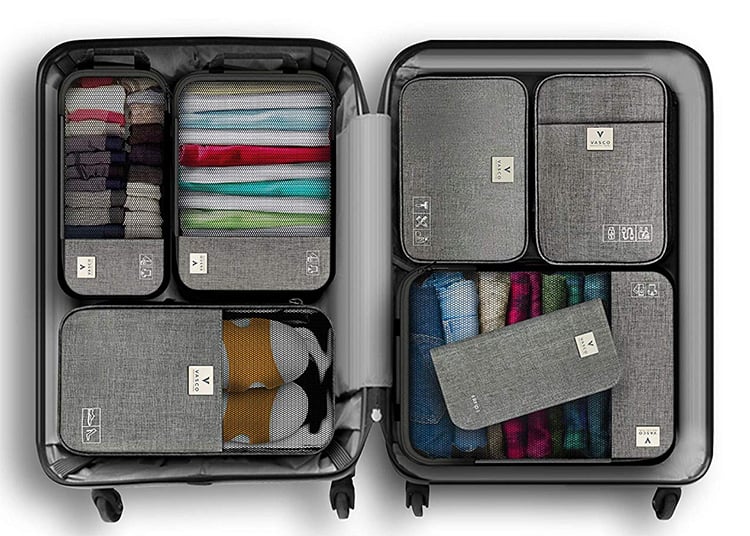
Packing cubes are indispensable tools for maintaining organization. They allow you to compartmentalize items by category, making it easier to locate specific belongings without disrupting the entire suitcase. Choose cubes of varying sizes to accommodate different types of clothing and accessories.
4. Optimizing Space and Weight Distribution
Strategic Placement of Heavy Items
Place heavier items at the bottom of the suitcase, near the wheels, to ensure better balance and easier mobility. This placement prevents the suitcase from tipping over and distributes weight evenly, making it more manageable during transit.
Maximizing Every Inch
Fill gaps and utilize all available space by stuffing smaller items like socks and underwear inside shoes. This not only saves space but also helps maintain the shape of your footwear. Additionally, consider using compression bags for bulky items such as jackets and sweaters to further optimize space.
Balancing Weight for Easier Handling
Ensure that the weight within your suitcase is evenly distributed to prevent discomfort and improve maneuverability. Avoid placing all heavy items on one side, which can make the suitcase lopsided and difficult to handle.
5. Organizing for Accessibility and Convenience
Compartmentalizing Essentials
Pack essential items and an extra outfit in your carry-on to safeguard against lost or delayed checked luggage. Use easily accessible pockets for items you'll need immediately upon arrival, such as sleepwear, toiletries, and electronic devices.
Color-Coded Packing
Implement color-coded packing cubes or compartments to differentiate between various categories, especially when sharing luggage. This method enhances organization and makes it easier to identify specific items without rummaging through the entire suitcase.
Protecting Delicate and Valuable Items
Use dedicated pouches or wrap fragile items in soft clothing to prevent damage. For valuable items like electronics and jewelry, consider packing them in carry-on luggage to ensure their safety and accessibility during travel.
6. Leveraging Airline Policies and Regulations
Understanding Baggage Allowances
Familiarize yourself with your airline's baggage policies, including size, weight limits, and the number of allowed bags. Adhering to these guidelines helps avoid unexpected fees and ensures your luggage fits within overhead compartments or under seats.
Efficient Use of Carry-On Spaces
Maximize the use of overhead and under-seat compartments by packing essential and frequently used items in your carry-on. This ensures easy access to necessities without having to search through checked luggage.
7. Practical Packing Tips and Tricks
Using Travel-Sized Toiletries
Opt for travel-sized toiletries to save space and comply with liquid restrictions for carry-on luggage. Utilize transparent, zippered bags to organize these items and prevent spills from compromising your other belongings.
Incorporating Compression and Vacuum Bags
Compression bags are excellent for reducing the volume of bulky items like jackets and sweaters. By removing excess air, these bags significantly increase the available space within your suitcase, allowing you to pack more efficiently.
Planning for Laundry Needs
Pack a small laundry bag or an extra packing cube for dirty clothes. This separation keeps clean and soiled items distinct, maintaining the overall organization and hygiene of your packed items.
8. Sample Packing Table for a Week-Long Trip
| Category | Suggested Quantity | Notes |
|---|---|---|
| Pants/Skirts | 3-4 pairs | Choose versatile styles that can be dressed up or down |
| Shirts/Blouses | 4-5 pieces | Mix of casual and formal options |
| Shoes | 2 pairs | One formal, one casual |
| Underwear | 8 pairs | Pack extra in case of delays |
| Socks | Multiple pairs | Include different types for various activities |
| Jackets/Layers | 1-2 pieces | Include a lightweight and a warmer layer |
| Toiletries | Travel-sized | Organize in a clear, zippered bag |
| Accessories | Minimal | Belts, scarves, and jewelry |
| Electronics | Essential only | Laptop, chargers, and adapters |
| Documents | All necessary | Passport, tickets, and reservations |
| Miscellaneous | As needed | Books, travel guides, and entertainment |
9. Finalizing Your Packing Process
Weighing and Measuring Your Luggage
Before departure, weigh your suitcase to ensure it meets airline weight restrictions. Adjust your packing by removing non-essential items or redistributing weight between bags if necessary. Measure your luggage to confirm it adheres to size guidelines, preventing the inconvenience of repacking at the airport.
Double-Checking Your Packing List
Review your packing list one final time to ensure all essentials are included. Pay special attention to items like medications, electronic chargers, and important documents. This final check minimizes the risk of forgetting critical items, ensuring a smoother travel experience.
Securing Your Luggage
Use TSA-approved locks to secure your suitcase, providing peace of mind during transit. Additionally, consider using luggage straps to keep your suitcase closed and add an extra layer of security. Visibility features like bright colors or unique patterns can help identify your luggage easily on baggage carousels.
Conclusion
Efficiently packing a suitcase is a blend of strategic planning, organization, and practical execution. By selecting the right suitcase, meticulously planning your packing list, employing space-saving techniques, and adhering to airline regulations, you can optimize your luggage for any trip. Implementing these comprehensive strategies ensures that you travel with ease, confidence, and without the burden of unnecessary baggage. Mastering the art of packing not only enhances your travel experience but also allows you to focus on enjoying your journey to the fullest.
References
Last updated February 8, 2025